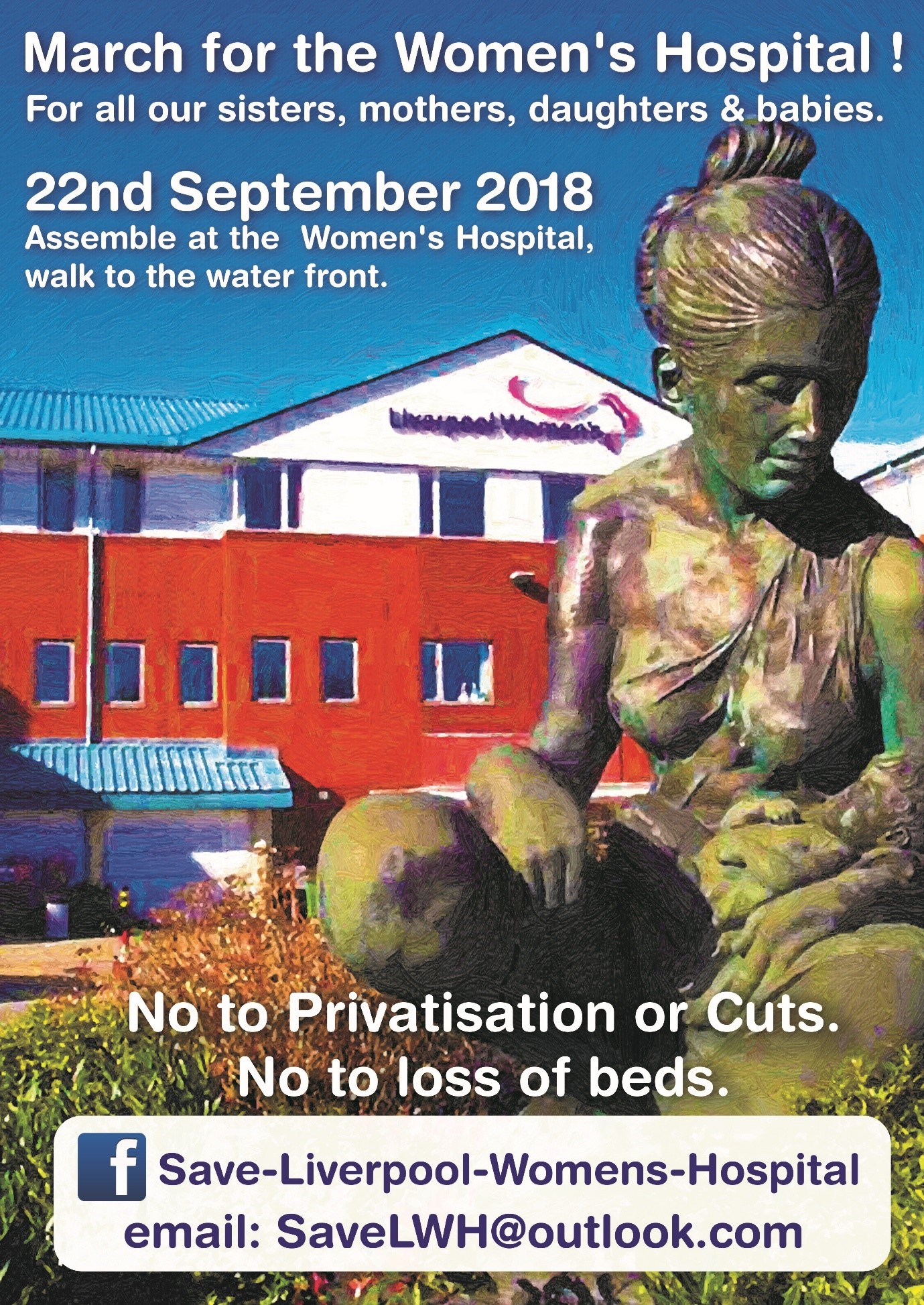
On Thursday 27th August the Cheshire and Merseyside Integrated Care Board which manages healthcare in Cheshire and Merseyside is meeting. It will meet in a nice set of offices in the Old Lewis’s building, the one with a statue that is, like healthcare funding, exceedingly bare.

Many well-paid people will sit around a table to discuss an agenda whose paperwork is three hundred and thirty-one pages long, full of jargon and sweet words. These people are not elected, not answerable to the people about whom they make decisions. There are some reports of good work on dentistry and anti-racism and news of more funding for ambulances. When the public does lobby them, as the campaign for Parkview Medical Centre did last month, there is no mention in the minutes. However, even the briefest reading of this paperwork tells a tale of poverty, ill health and inadequate healthcare
The NHS is battered and damaged. The rash of red in the charts describes the highest levels of risk to our healthcare. Resources are inadequate and leached out to private contractors. Greg Dropkin wrote “Most ICB money goes to NHS Trusts and Foundation Trusts. While Cheshire & Merseyside ICB spent at least £155m on private suppliers, Trusts funded by the ICB spent another £568m. Taken together, this means at least 24.4% of the ICB budget ends up with private firms. Liverpool University Hospitals, St Helens and Knowsley, and Countess of Chester were the biggest spenders.” He also wrote “Cheshire & Merseyside funds a clutch of consultancies. US-owned PA Consulting advised on long-term financial planning. US-owned Public Consulting Group advises on personal health budgets. The ICB paid the UK consultancy PricewaterhouseCoopers £150k to help Liverpool University Hospitals comply with the £75m budget cuts imposed by the ICB.”

Staff are underpaid, understaffed and overworked. We thank the healthcare staff in Cheshire and Merseyside for coming out in public about the state of the NHS. pay and working conditions. We thank them for the vital work they do day in and day out, keeping healthcare going as well as they do in this awful situation.
We cannot sit by and let the health service continue in this way. The damage will threaten still more of our lives and we in Cheshire and Merseyside are already suffering grievously from planned, deliberate and easily avoidable poverty. There is considerable evidence that Austerity causes deaths, and especially cuts in healthcare spending and social care spending.
Poor healthcare makes us poor. If we have to wait for healthcare we often cannot work, or if our family has to wait for healthcare, and needs help at home, a carer cannot get a paid job.”1 in 3 of our economically inactive residents are long term sick” (Page 55).
Poverty in childhood makes for poor health in later life – 24,300 (29.9%) children live in poverty – 1 in 3 ( page 53). We know early childhood poverty makes for chronic lower respiratory disease in later life.
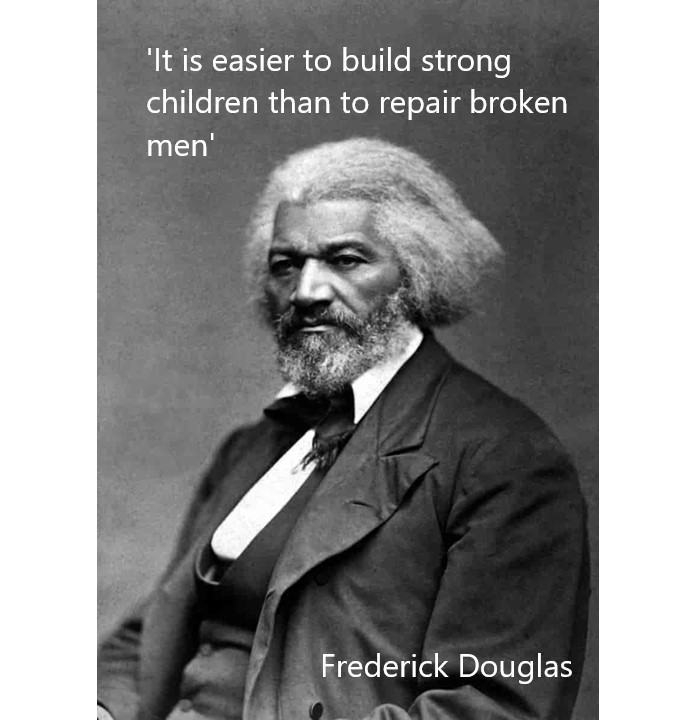
We are building up health problems for the future by having children go cold, hungry, or badly housed. Describing poverty without a plan to end it is cruel. Poverty has increased significantly since Austerity began and is intensifying now.
Sadly these statistics do not give due weight to poverty in pregnancy and early childhood. Such statistics do not find their way into these reports.
There are big differences in wealth and health across Cheshire and Merseyside, with Cheshire East being the most well-off, though Crewe and Winsford have significant deprivation and limited access to GP services. People in Liverpool and Knowsley have the lowest wealth, and shortest lives (page 83).
We will describe the situation for Maternity, Women’s Health and Liverpool Women’s Hospital in a separate post. The issues in both posts are linked, but for clarity, two posts are needed.
Poverty
In the minutes of the previous meeting, we are told about Poverty in and within Halton;

“48.7% of its population lived in the top 20% most deprived areas in England. In addition to this 19.6% of children 0-15 lived in relative low-income households.”
“At Halton electoral ward level there was an 8.6-year difference (in life expectancy between the wealthiest and poorest wards) for men and 11.1-year difference for women.“
On Page 15 we were reminded that Black women were 3 times more likely to die from pregnancy-related causes.
On page 54 we are told that there is a 15-year life expectancy gap between most and least deprived Liverpool wards.
On page 56 we are told about how long (in Liverpool) we live and how many of those years are in poor health. Remember that women who get ill earlier in life than men are now expected to work, as are men until they are 68. Working full time in your late 60s, especially in manual work is not good for you, is often impossible, but to stop work leaves people without a pension or wages.
“Growth in life expectancy has stagnated over the last decade. The gap with England is 3.3 years. Healthy Life Expectancy is lower than at the turn of the decade and the gap with England has widened from 5.5 years to 6 years for women and 4.8 years for men.
61% of people aged 15+ with physical-mental health comorbidity are under 65
1 in 3 of our economically inactive residents are long-term sick compared to 1 in 4 nationally“(Page 55).
On page 21 we are told;
“A third of the Cheshire and Merseyside population live in the most deprived 20% of neighbourhoods in England, with significant negative implications for health.
Women living in the most deprived C&M [Cheshire and Merseyside] areas live 12 years fewer than those in the least deprived areas, and for men, the difference is 13 years. There are even greater inequalities in life expectancy (LE) within local authorities, closely related to deprivation levels (Appendix One). Medical conditions contributing the largest amount to the LE ‘gap’ between the most and least deprived Cheshire and Merseyside quintiles are, for males; heart disease, chronic lower respiratory disease, and lung cancer, and for females; chronic lower respiratory disease, lung, and other cancers (2021, excludes COVID-19).” (Our emphasis).

Describing poverty is not enough. We have to change the situation. We don’t want pity, we want change.
The Scale of the Problems.
Cutting through the language though, what is described in these documents is a weight of problems in healthcare caused by this government’s policies. That is not how it is posed in these papers. There is not enough money to deliver frontline services well or in some cases safely. We need more money and less of it drained out to private contractors. In bitter contradiction of these facts, this ICB is instructed to make more cuts and impose these cuts on the Hospitals and other providers. Will we see a press conference saying this? Will they call up the MPs? Probably not, they will continue with the meeting, ‘rubber stamping’ the documents, knowing it means still more healthcare cuts, suffering and death.
This is not good enough for the people of Cheshire and Merseyside. The statistics on poverty in this report are brutally honest. Our people die early because of poverty, and live many years in ill health because of poverty, but more cuts are coming folks so buckle up and either prepare to die earlier or fight back. Even those who are better off suffer from poor ambulance response time, long waits in A&E, corridor care, the shortage of midwives and huge waiting lists for treatment. More than seven million people are waiting for NHS treatment. The neglect and privatisation of mental health and the dreadful state of children and adolescent mental health is also storing up grief and ill health in the future.
The ICB “system” (the ICB, the Hospitals, Primary Care, and all the services) is reporting a deficit of £ 75.4 million (page 276). Liverpool University Hospitals Trust is reporting a £69.7 million deficit, Countess of Chester £25 million, and Wirral £18 million (Page 280). Other hospitals are reporting that they cannot meet the planned expenditure this year (page 281). The list of hospitals’ financial positions is on Page 291.
On page 190 there is a letter to the ICB from NHS England, who make the final decisions on funding for the ICB on behalf of the government. Behind all of this is government policy. The letter is a response to the Cheshire and Merseyside ICB final system operating plan for 2023/24. On Finance it says;
“Delivering system-level financial balance remains a key requirement for all ICBs. We note that you have submitted a deficit plan and that this deficit is in line with the level discussed in the recent meeting with Amanda Pritchard and Julian Kelly. Given that the level of deficit is in-line with expectations the additional inflationary funding we communicated has been added to your allocation.
Although the level of deficit in your plan is in line with our expectations at this stage, we still expect you to work to mitigate this in-year and strive to deliver a break-even out-turn position. Regional teams will continue to monitor progress.”
The letter goes on to say,
“We expect all systems and providers to continue to apply the following conditions stipulated in 2022/23:
- Commit to recurrent delivery of efficiency schemes from quarter 3 to achieve a full-year effect in 2024/25 to compensate for any non-recurrent measures required to achieve 23/24 plans (in English this means you have to make permanent the temporary savings you made last year in order to balance the books) Within this we expect all systems to be able to describe how this will be achieved by the end of quarter 1.
- Fully engage in national pay and non-pay savings initiatives, in particular around national agreements for medicines and other non-pay purchasing. (Make cuts and save money on wages and other things).
- Monitoring of agency usage by providers, and compliance with usage and rate limits (We agree that agency spending is wasteful, but only if there are employed staff instead).
- Any revenue consultancy spend above £50,000 and non-clinical agency usage continue to require prior approval from the NHS England regional team based on agreed regional process. (The Department of Health spent £ 400 million on Management Consultants according to the Daily Telegraph. Just how many midwives would even half of that give us? The BMJ British Medical Journal also published concerns about trusts and Government spending on this. We have no idea what revenue consulting is but if it is wasting money on management consultants like Carnall Farrar’s £386K report on Liverpool Women’s Hospital, it should stop.)
- The papers describe long waiting lists for cancer treatment. Cancer is mentioned 85 times in the papers. We say “Cancer can’t wait.” It also describes long waits for ambulances, long turnarounds for ambulances, and more. page 22
- The Chief Executive reports on Page 39 that Levels of ‘corridor care’ decreased slightly last week with an average of 38 people per day, with the highest number (15) being reported by Aintree, on both Monday and Thursday.
- Bed occupancy has remained above 90% every day this week for all our Acute providers.
- On average over the week (17th – 21st July) there have been 12 people awaiting a mental health placement in Emergency Departments every day. At least one mental health trust has been reported as a trust of concern every day this week with both Cheshire and Wirral Partnership and Merseycare consistently reporting 100% occupancy, high numbers of people who are clinically ready for discharge, and very little movement out of their bed-base.
- The report (page 128) says there are many significant risks including
- “P5 – Lack of Urgent and Emergency Care capacity and restricted flow across all sectors (primary care, community, mental health, acute hospitals and social care) results in patient harm and poor patient experience, currently rated as extreme (20). (This is rated at 25, the highest risk, on page 138 and described as catastrophic on the heat map on page 141)
- P6 – Demand continues to exceed available capacity in primary care,
exacerbating health inequalities and equity of access for our population,
currently rated as extreme (16). - P7 – The Integrated Care System is unable to achieve its statutory
financial duties, currently rated as extreme (16). - P3 – Service recovery plans for Planned Care are ineffective in reducing
backlogs and meeting increased demand which results in poor access to
services, increased inequity of access, and poor clinical outcomes,
currently rated as extreme (15)” - “P9 – Unable to retain, develop and recruit staff to the ICS workforce reflective of our population and with the skills and experience required to deliver the strategic objectives.” (Page 135).
- Page 39 describes problems with bed occupancy, and on page 225 this is described as 95.3%, way over safety levels (our comment).
- Individual hospitals in our area have significant financial problems. The SOF [System Oversight Framework] has four Segments with 1 being the most likely to balance their books, and 4 the least. Countess of Chester, East Cheshire, Liverpool Women’s Hospital, and Wirral University Teaching Hospital are all in Segment 3 and Liverpool University Hospital is in Segment 4 (Page 263)
When faced with dire information like this, privatisation supporters jump in to say the NHS model is out of date and impracticable. Or they talk of virtual wards and how good it is to close hospital beds. Far from these privatisers’ dreams. the NHS model is more efficient, more effective, and more equitable than any privatised model of healthcare. Government policy has been to run the NHS down and break it up so private companies can make a lot of money from it.
Even the management consultant Carnall Farrar report that one pound spent in the NHS returns £4 to the UK economy. Money that gets to patient care improves the economy as well as improving our lives.
Campaigners from across Cheshire and Merseyside are coordinating their actions to spread the word that we can restore and repair the NHS. Ordinary people built the NHS more than 75 years ago and ordinary people can rebuild it, (for more information see this) There is enormous support for the NHS and NHS workers from the public. We need a huge campaign like the ones run for healthcare by our grandparents and great-grandparents. We have to make the government afraid of us again. “When government fears the people, there is liberty. When the people fear the government, there is tyranny.” Thomas Jefferson.

Mary Whitby, one of our campaigners commented, “What we need is more hospitals, more family GPs, not more people in the emperors new clothes of “virtual wards” with an army of unpaid slave labour/volunteers caring for them, doing shopping, washing etc. Or, for the slightly better off, a menu from which they can buy-in those services which used to be provided free when you were admitted to hospital or you didn’t need to bother about whilst in the hospital such as cleaning your house, shopping, cooking, changing beds, doing the washing, collecting prescriptions etc
We need a public response to this situation. We have seen terrible times in the NHS. We demand a fully funded, fully staffed, publicly delivered health service, free at the point of need, for everyone. A fightback is badly needed from ordinary people and our organisations.
Please spread the word. If you have a good MP or Councillor please share this with them too. Share it in your union or community organisation.
Please join our demonstration on October 7th 2023


Magnificent. Thanks.
Solidarity
LikeLike
It’s like I am living in a parallel all this discussion behind closed doors by people who are nothing more than Central Government lackies I will certainly pass on this to my MP Council Leader ect
LikeLiked by 1 person