It is indisputable that our health service is in crisis and that the NHSE and the Government know full well how bad it is. The purpose of our letters to the ICB is to put public concern on record and hopefully put pressure on the politicians to restore and repair the NHS. We also wanted to ensure that reports were clear and not cover-ups.
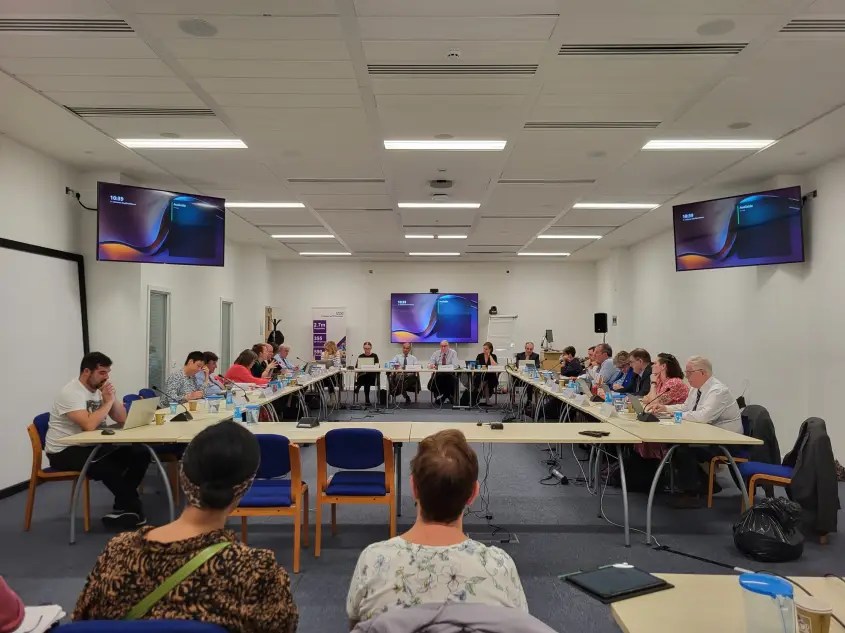
There was considerable discussion about the letter below in the public section of the ICB meeting in July. The CEO said that they had asked for £ 150 million in additional funding from NHSE ( National Health Service England)but the Hospital Trusts’ CEOs would have asked for £ 300 million more but he was being realistic. That realism means preventable deaths pain and suffering and exhausted staff. The fault though lies with the government.
Cheshire and Merseyside NHS Integrated Care Board
Our Letter
On behalf of the Combined Cheshire and Merseyside NHS campaign groups
to
Dear Chair and Chief Executive
Re the papers for the JULY 2024 meeting of the ICB
We write once more to express our deep concern about the level of provision for Accident and Emergency Services in this late summer and particularly in the coming autumn and winter.
Last year we wrote expressing our fears that the resources of staff, beds and premises for the winter of 2023-24 would be inadequate. They were more inadequate than we as lay people predicted.
Looking at the papers for July 2024, and particularly the pressure to make 6% CIPs both at ICB and provider levels, we again express our fears that this coming winter will be still worse. The decision of NHS England to send in Price Waterhouse to suggest further cuts is very worrying.
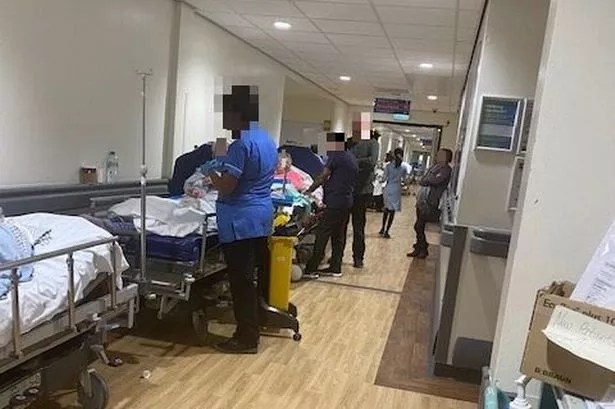
In our stalls and public work, we have come across medical students expecting to have to emigrate on completion of their training simply because of the state of the hospitals. They told us, and this is confirmed by others working in the hospitals, that the overcrowded state of A and E and the overall shortage of hospital beds, means this crisis affects nearly all the wards with patients boarded into already full wards.
We are concerned about the toll this takes on staff. Patients though, are put at risk to their lives and long-term impairment from these conditions. The Royal College of Medicine reported that “Nine out of 10 A&E doctors say patients are coming to harm in UK’s Emergency Departments”.
We saw the report from the Covid enquiry. Our health services must be prepared for future episodes of explosive need.
Your medics have a duty of candour, and you as NHS managers also have a public duty to speak truth to power.
We demand that an urgent plan of action is drawn up, including all available doctors, nurses, midwives, diagnostic services staff, and additional cleaners and health care assistants be employed, that additional physical space be provided, that an excellent standard of hygiene and personal care be provided in all A and E departments, including good food for staff, those waiting with ill patients, and where safe, for patients.
We also demand that the ambulance service be enhanced to make sure patients are reached in good time. We saw parliamentary reports of 500 people dying because an ambulance did not reach them in time.
These patients are our family and friends, our neighbours and workmates.
Urgent and comprehensive action must be taken.
Ensuring that patients are seen by GPs in good time, and by qualified doctors rather than PAs will reduce the number of urgent cases arriving at A and E.
It ill behoves the NHS strategists who made a virtue out of closing hospital beds to now pass the blame to the chaotic and market-driven social care sector, where over decades the few local authority homes have been pressurised to close. Social care does need a major service-driven reform. As with the trains and water privatisations, social care privatisation has not proven to be a service-driven model.
When we talk to people in public the litany of the closed hospitals in Liverpool is frequently quoted, and the reduction in beds with the rebuild of Liverpool Royal.

Such political pressures as we can exert are nullified if your reports do not adequately reflect the extent of the problem or if your reports are written in a jargon understood by a few. We do not need Professor Pangloss mimicked in these reports, but rather a reflection of reality.
We say by all means make better use of the resources you have, but also make the plans that need making to ensure safety even if those plans are knocked back, at least they are ready to go if we as the public can build the pressure to release the funds.
We had written another letter previously and this had caused a stir at the ICB with one trust CEO saying “You thought it was bad for patients! You should have seen what it was like for staff” But still the CIPs(cuts) went through.
The previous letter said
Hello,
I would like to put the following to the forthcoming meeting of the ICB.
How is the ICB preparing for Covid this winter? How will hospitals make preparations
- given they are expected to make large cuts(CIPS) as described in the board paperwork.
- given there are so many hospitals already on Opel level 3 in summer and early Autumn.
- given Staff shortages and unfilled vacancies.
- and the number of NHS staff relying on food banks, suggesting weakened responses.
I refer you to the recent enquiry hearings which showed how badly the country was prepared for the first wave, with hospital infrastructure poor. SARS-CoV-2 frequently mutates and causes waves of infection and is to some extent seasonal. It is normal for The NHS to watch levels of Flu infections in the Southern Hemisphere Winter to plan for our Northern Hemisphere Winter infections. It would seem sensible to follow Covid levels similarly. Australia had a large and extended wave in its last winter, as reported in the BMJ 2023; Covid-19: Australia’s future policies will be evidence led after “profound impact” of latest wave, says minister.
How have you taken account of the Australian experience in your preparations for this winter?
I look forward to your response,
The use of corridor care and inboarding is now so common a set of safety advice has been prepared. Those of us who saw the Dispatches programme about Shropshire A and E can see the need for this but there should not be a need for corridor care at all.
Investment in healthcare makes the economy and the people healthier and stronger. There are many sources for this information but we will post just a few.
https://www.who.int/news-room/commentaries/detail/global-health-is-the-best-investment-we-can-make
Health Investment and Economic Growth Analysis
The government wrongly keeps referring to the household budget as though that is how Government spending works. Damaging our healthcare is about as sane as refusing to pay for your toilet to be repaired when you are hard up.
Our healthcare is ours. We want it back. It does not belong to the corporations. We know that the US corporations run, in the US, the worst health service in the advanced world according to the Commonwealth Fund an authoritative US organisation.
We have to fight to win back our NHS.

 Save Liverpool Women's Hospital