BEDFORD CLINIC


The Bedford Clinic at Liverpool Women’s Hospital provides a range of Abortion services in a safe and respectful environment.

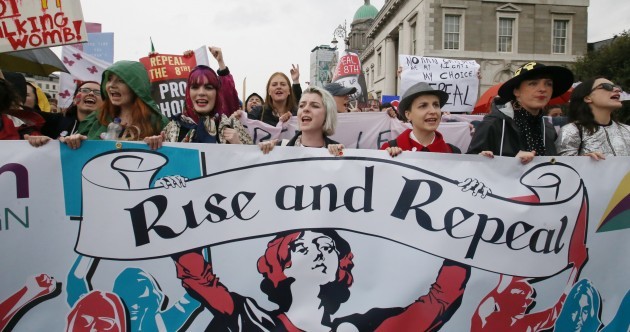
It took generations of struggle to get free, safe abortion available in this country. Even now women have to travel from Ireland to get abortions because of discriminatory laws. Dentist Savita Halappanavar died because of Irish laws. Women in Ireland are campaigning to “Repeal the Eighth”, to radically change abortion law in Ireland.

rise-and-repeal

http://waterfordwhispersnews.com/2015/09/28/repeal-the-8th-protesters-must-all-be-on-their-periods-says-government/

In Poland this week women protested attempts to massively restrict abortions. A one day women’s strike and day of action made the government change its mind and to listen to the women  ” with humility”. Today we had support from Polish women for our fight for this hospital.poland-abortion2


http://www.independent.co.uk/news/world/europe/polish-parliament-rejects-abortion-ban-after-women-stage-all-out-strike-a7347616.html

In the USA   abortion rights are under threat. Trump is forming an anti abortion coalition.

https://www.theguardian.com/us-news/2016/sep/16/donald-trump-abortion-coalition-public-funding-planned-parenthood

Here in Liverpool we have a good safe clinic. We must protect it.  We want to keep it as an integrated part of the Women’s Hospital

Women find this hospital a safe and caring environment.The Bedford Clinic links easily into all the other women’s health issues supported by the hospital. The abortion clinic must be retained. We don’t want a diminished service farmed out to a small clinic somewhere, and the services gradually cut to nothing.

The right to choose wether or not to have a baby is being seriously compromised right now.

One in three women in the uk have had an abortion

http://www.independent.co.uk/life-style/health-and-families/features/1-in-3-women-have-an-abortion-and-95-dont-regret-it-so-why-arent-we-talking-about-it-10392750.html

It is our right to choose, our bodies our choice. Far better in a hospital where it is safe a than in a back street abortionists. Safe abortion does not increase the rte of abortion, it just keeps it safe.

Many women cannot afford to have children because of low wages and high housing costs. Third children are to be denied benefits, many people cannot afford to have as many children as they would like, and the age at which women are having children is being pushed up by economic necessity.Women are badly hit by austerity but we must not let this service go.

women's rights

Defend services that women fought for, for generations, don’t go let them go at the whim of  government cuts.

Save the Bedford Clinic, save Liverpool Women’s Hospital

FGM Clinics at Liverpool Women’s Hospital

Female Genital Mutilation

Some women who have had this procedure done  come to Liverpool Women’s hospital to give birth. The hospital has a specialist clinic. The hospital has staff who are well-trained in this situation, managing the physical and social aspects of this, so as to help both mother and baby. It is trusted in this role.

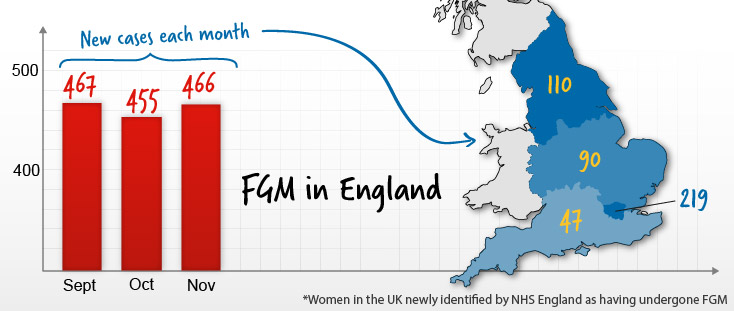
fgm-in-ukThe hospital is located in an ethnically diverse part of town. Some of the  women in this community who would need to access a FGM clinic may not be used to using buses to get perhaps to Aintree.. Liverpool Women’s Hospital is  well trusted in the local community., and local women safe and respected going there.There could be could have language barriers that make it difficult to just hop on a bus to get across town. If the Liverpool Women’s  Hospital is closed and the FGM clinic moves across town, there is the potential issue that women who need the service face a load more barriers to getting it. Basically, local women will suffer.


The hospital provides many such  specialisms within the overall expertise of the hospital. A small clinic separate from the whole hospital would be significantly less effective and probably less safe.

The hospital  has developed an effective and well trusted clinic.“Our female genital mutilation service is available to women who experience health consequences following female genital mutilation. Symptoms may vary according to the type and severity of female genital mutilation. Long-term consequences that are managed within the clinic include cysts and abscesses, keloid scar formation, damage to the urethra resulting in urinary infections, incontinence, dyspareunia (painful sexual intercourse) and sexual dysfunction and difficulties with childbirth. Psychosexual and psychological health is also managed within this clinic. The clinic is consultant-led and staffed by female doctors. Referral to this service can be made via your GP or a doctor from another hospital”

https://www.rcog.org.uk/globalassets/documents/guidelines/gtg-53-fgm.pdf

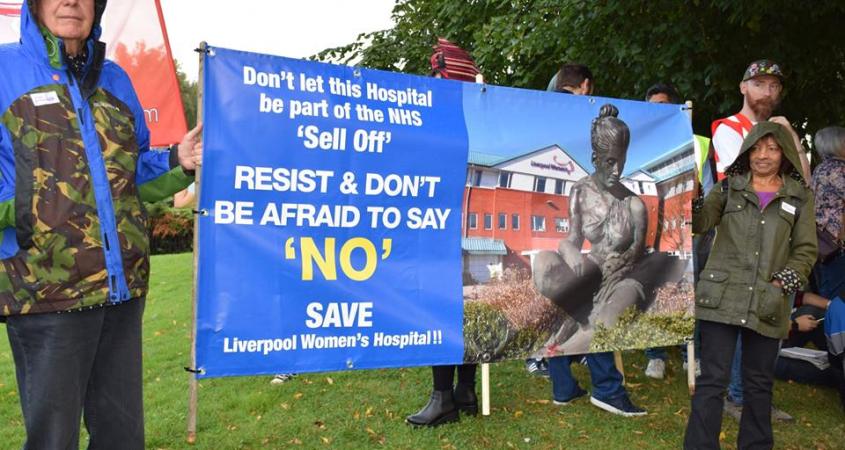
Save Liverpool Women’s Hospital


Still births.

Still births

Still births are a terrible tragedy for mothers, fathers and the whole family.Everyone wants to avoid such  loss. Not every loss can be avoided but we urgently need more research and action on this. We cannot close one of the best hospitals in this field.

The Liverpool Women’s Hospital performs 10% better than the national average, despite the risk factors for mothers living in poverty and for Black or Black British Asian or Asian British.

The UK mortality rate for babies of 7.3 per 1,000 births is high when compared with some of our European neighbours. If the UK could match mortality rates achieved in Sweden and Norway, for instance, the lives of at least 1,000 babies could be saved every year.

The UK rates for still birth (babies who go to the end of pregnancy and die at, or just before, birth) are not as good as other developed countries

In 2014 in the UK: *

  • one in every 219 births was a stillbirth
  • one in every 384 babies died within the first 4 weeks of life

*Data from the Office for National Statistics, 2016 https://www.uk-sands.org/research

15 babies died every day in the UK up to 2013. There has been slight fall in the rates of stillbirths and neonatal deaths in the UK compared with rates in 2013. There were 4,722 extended perinatal deaths (3,286 stillbirths and 1,436 neonatal deaths) occurring in the UK to babies born at 24+0 weeks gestational age or greater in 2013, https://www.npeu.ox.ac.uk/downloads/files/mbrrace-uk/reports/MBRRACE-UK%20Perinatal%20Surveillance%20Report%202013.pdf

The rate of stillbirth deaths in the UK is higher than Poland, Croatia and Estonia and the rate of change is slower. On average, the number of stillbirths in the UK has fallen 1.8% since 2000, compared with 3.5% in Poland and 6.8% in the Netherlands.

The Lancet ranked Britain 21 out of 35 developed nations for stillbirth rates, and 114 out of 164 countries for improvements over the past 15 years

Merseyside is an at risk area

“A wide deprivation gap exists in stillbirth rates for most causes and is not diminishing. Unexplained antepartum stillbirths accounted for 50% of the deprivation gap, and a better understanding of these stillbirths is necessary to reduce socioeconomic inequalities.” http://bmjopen.bmj.com/content/2/3/e001100.full

Those with less money are more likely to have still births. Scientists still don’t fully understand why. Official Statistics showed 2.1 deaths per 1,000 births to professional mothers The figure was 5.3 per 1,000 births to mums doing manual or routine work.

There are more than 60,000 children in Merseyside living below the poverty line according to Public Health England which must put Merseyside mums at greater risk.

for more information http://www.nhs.uk/Conditions/Stillbirth/Pages/Prevention.aspx


count-the-kicks-poster

 We need to keep our hospital.


Save Liverpool Women’s Hospital to protect our mental health services

We need the work done for mental health at the Liverpool Women’s hospital.

Some people with mental health issues get pregnant and some pregnant people develop mental health problems

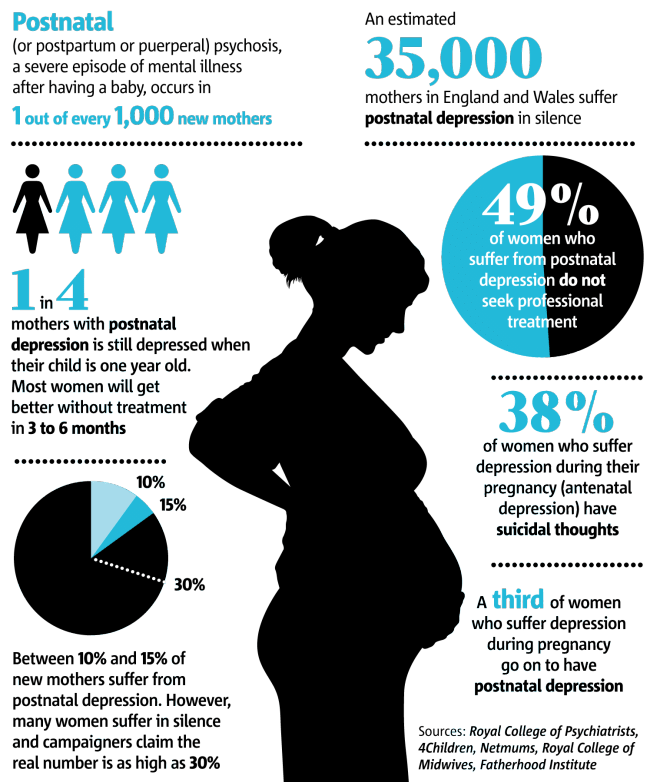
Post-natal depression and depression during pregnancy also occur

It’s a common problem, affecting more than 1 in every 10 women within a year of giving birth. It can also affect fathers and partners, although this is less common

More serious problems can also just occur after giving birth but there are treatments if women get help http://www.nhs.uk/conditions/pregnancy-and-baby/pages/mental-health-problems-pregnant.aspx

“A child’s first relationship, the one with his mother acts as a template that permanently moulds the individual’s capacity to enter into all later emotional relationships” (Schore, 2002).

At Liverpool Women’s hospital there is a dedicated clinic “This is a weekly clinic for women with a history of significant mental health problems. The service is staffed by a consultant obstetrician and specialist midwife, a consultant psychiatrist and two psychiatric nurses.”

“LWH has an award winning Perinatal Mental Health Team. Working with other partners in the city, they provide support, advice and special care packages for women with a whole range of mental health problems   our Perinatal Mental Health team has broken new ground and become a ‘beacon’ by establishing a mental health team within a maternity trust. We work closely with Merseycare Mental Health trust to ensure that women with mental health problems have support, before, during and after pregnancy.

Our maternity unit is one of few in the country to provide this specialist service

Mental health problems made life so difficult, even unbearable for many people who deserve all our compassion and support. For a woman to suffer in that way at what should be a happy and important milestone is heart-breaking and as a Trust we are glad that our team is leading the way in supporting such women.”

Kathryn Thomson – Chief Executive – 22 May 2012

The shortage of midwives impacts on women’s mental health

“Midwives also say that there is often not enough time to give women all the information they would like to about postnatal care. It was found that only a third of midwives and maternity support workers said they had enough time to review the postnatal care plan with women. The RCM argues that the care being offered cannot possibly be expected to meet women’s needs when there is not even enough time to discuss what these needs might be”.

http://www.nationalhealthexecutive.com/News/nearly-40-of-women-discharged-too-early-after-giving-birth–rcm-/83992


Liverpool has great poverty in 2016. Depression and misery is a great risk for mothers who struggle to make ends meet and some who are better off. Undue stress on the mother can affect the baby’s long term health. http://www.liverpoolwomens.nhs.uk/Library/news_centre/201205_Trauma_psychotherapy_Bilateral_Affective_Reprocessing_Trauma_BART.pdf


mental-health-in-women

What’s the problem with private companies getting mixed up with the idea of choice in childbirth?


Privatisation is part and parcel of the Maternity Review and the Governments plans for the NHS. Mersyside and Cheshire are one of the first areas to start it.

In the previous post we wrote about the need for NHS based home births but the “One to One” name  locally is associated with a private for profit company/ companies providing NHS funded maternity care.

What’s the problem with private providers getting mixed up with the idea of choice in childbirth?

At each stage of pregnancy, Midwife support links to other potential back up providers like ambulance and hospitals.. One to one midwives, either private or NHS, rely on the NHS for back up. 50% of first time mothers giving birth in the home have to be transferred to hospital.

This privatized provision is part and parcel of current provision for the NHS. Clinical Commissioning Groups  decide which organisations they will pay to provide services. One to One company is commissioned in Wirral and in Liverpool and maybe more places.

Merseyside and Cheshire are a vanguard area for the Maternity Review. The sweet words say “Pregnant women living within the pioneer areas will be offered a personal budget and will be able to use it to make choices for each of three stages of the pathway – antenatal, intrapartum and postnatal care..This means a woman would have a wider choice of who provides the maternity care she would prefer, such as a birthing pool, specialisation in teenage, older, or first time mothers, or a provider with a good reputation for breastfeeding support.NHS England and other partners will work with the pioneers to develop and test new approaches which can then be rolled out nationally.” england.nhs.uk/healthbudgets/2016/05/18/greater-choice-of-care

The reality is somewhat different. We already have all of the above provided and at international levels at Liverpool Women’s Hospital, including “a birthing pool, specialisation in teenage, older, or first time mothers, or a provider with a good reputation for breastfeeding support.” Liverpool Women’s Hospital is seind in the country for breast feeding support.

There are serious issues reported with the private company delivering midwifery care on Merseyside, in this case in Wirral.

We think that the midwives who work for the company are as well intentioned as those in the NHS. We know that the pressure of work in the NHS is very high and there is a good reason to try an alternative model of work, but there are problems. Other midwives might have struggled to get a position in the NHS or had other good reasons to work for One to One  but this does not overcome the problem that the model is flawed..

There have been problems with the training of midwives about diabetes and epilepsy in pregnancy. The following is a response to a freedom of information request to the CCG

We quote it exactly so we cannot be accused of  misreporting. Please take time to read this.

The service did not always measure safety issues against quality targets and so could not be sure the processes were protecting women and babies from abuse and avoidable harm were as effective as possible... Protocols were needed to ensure girls aged 18 and under were protected if they contacted the service. The service had a named lead safeguarding midwife whose duties were outlined in the One to One adult safe guarding policy; however, dealing with potential child protection issues were not addressed. Information provided did not provide assurance that the service dealt with child protection issues appropriately. For example, the One to One referral pathway identified that only young women aged 14 years and over were eligible for the service, but staff were not prompted to involve the criminal justice system if a 13-year-old became known to them. Neither were staff prompted to make vulnerable young people enquiries for those aged between 14 and 18 years old. The service planned to increase the number of safeguarding supervisors with training by the NSPCC by April 2016

The One to One safeguarding adult’s policy (version2) 2014 was not specifically relevant to the community based services; however, the policy prompted midwives to refer to and follow the relevant local authority safeguarding policy.

The safeguarding policy did not reference actions midwives should take if they were aware the female genital mutilation had occurred.

We were informed there was a longstanding relationship both with the safeguarding team at the Local Acute Trusts, the CCG on the Wirral and neighbouring CCG areas. Safeguarding referrals were monitored through reporting arrangements with each CCG using dashboards.

It was reported that the named midwife for safeguarding had regular meetings with the designated nurse for safeguarding at Wirral/West Cheshire/Warrington CCG to ensure all legal and contractual requirements were met. This was monitored through contractual obligations with lead CCGs.

The ‘Safeguarding Level 3 training Action Plan’ provided at the time of the inspection indicated 80% of staff had completed safeguarding level three training. This was worse than the service’s target of 95%. The action plan stated the target for achieving 95% compliance was April 2016. Further training had been planned to reach the compliance target.

Another report, quoting from the CQC Report (27 June 2016) said

At an earlier inspection in April 2015 “we were not given the assurance that risk was being managed effectively across the organisation to provide a safe environment for high risk pregnancies. At that inspection we also found no evidence of joint pathways in place with local providers and agreed processes for flagging up or considering additional needs of the mother were not in place. We asked the provider to make improvements in these areas.”

The CQC returned on 30 Nov and 1 Dec 2015. “We found that incidents were not being reported to CQC under the statutory notifications’ regulation. The incidents the staff were required to report to CQC was limited to “serious incidents which has potential to threaten registration status”. The clinical incident policy did not require staff to report clinical incidents to CQC. Regulation 18 of the CQC (Registration) Regulations 2009 requires providers to notify CQC of certain defined incidents. This would include incidents of patients experiencing prolonged pain or prolonged psychological harm or certain types of injury to a service user.”


“Two serious incidents were reported to the Care Quality Commission between April 2015 and December 2015. This involved one intrauterine death, one intrapartum death. One neonatal death which involved joint care with an NHS trust was also reported.


“Our records indicated that the CCG informed the Care Quality Commission about two of these occurrences. We had to seek additional information from the One to One services about all incidents. This meant the service was not fulfilling their obligation to provide CQC with notifications of incidents required under the Act.”(our emphasis)


“Concerns remained about how well high risk pregnancies were monitored during pregnancy because staff stated they had not received specialist training to support women with underlying conditions such as epilepsy and diabetes. Concerns were also raised about action taken for women who may develop unforeseen complications who then refused to seek medical intervention and/or hospital support when midwives identified that this was needed.”


“Risks within the organization were identified and included safeguarding training rates for midwives, potential gaps in the handover process between midwives when the lead midwife was unavailable and; women who chose to deviate from NICE guidance who also had complex needs with a risk of overall poor outcomes. A gap in integrated working with other providers was also identified as a risk.”

The service did not always measure safety issues against quality targets and so could not be sure the processes were protecting women and babies from abuse and avoidable harm were as effective as possible. Care pathway risk assessments for antenatal care and protocols for dealing with emergencies were unclear and did not provide a firm basis on which to support home births for high risk pregnancies. Protocols were needed to ensure girls aged 18 and under were protected if they contacted the service.”


“The service accepted women with low and high risk needs, however specialist midwives for epilepsy, diabetes, mental health or substance misuse were not employed and women were not automatically referred to NHS trust specialist services.”


“Policies did not always promote the safest response to the results of risk assessments. For example, the One to One ‘Discharge of care practice point 2011’ stated ‘Antenatal transfer of care should only be initiated by the woman. One to One will provide midwifery care for all women regardless of risk.’ The policy did not provide additional guidance for staff if a woman would not transfer when the level of risk included a high likelihood of injury or mortality.”


“High court proceedings underway against this provider could result in insolvency”. http://www.liverpoolccg.nhs.uk/media/1742/gb-agenda-14-june-2016.pdf


We have invited One to One to talk to us. That invitation is still open.

Privatisation of the delivery of babies is a very bad idea. If it is part of moving away from Consultant led hospitals in this area its a very bad idea indeed.

Home biths are not a cheap option. They are an addition to the main service..Save Liverpool Women’s Hospital
Why we want NHS support for Home births.

Women want individual care.  Women a want good care for all women and babies

Having a baby at home can, if there are no complicating factors, be really good for mother and baby, but even this service is up for privatization. Small scale privatization of home deliveries is already happening on Merseyside and is spreading out.

Our campaigners believe absolutely in a woman’s right to choose home delivery but the midwives involved should be part of the NHS, fully trained, with ongoing professional development opportunities, fully supervised by the NHS and linked to emergency NHS provision if things go wrong, fully insured and not for profit.

If a woman makes a choice to step outside the NHS provision and use an independent midwife that’s her choice, but that is not what has been happening on Merseyside where a privte company has been commissioned to provide some maternity care for home births.. Some women were not aware that the midwife they were using was not employed nor supervised by the NHS. They were not aware that parts of the home birth service had been contracted out.

The concept of “one to one care” in pregnancy and childcare is a national one.It is about knowing your midwives in advance, having the same person  or small team providing pre natal care, care during the actualbirth and care to mother and baby  after the birth. One to One midwifery care can be provided by the NHS, in NHS hospitals, in Midwife led units and in the community. Many such services do exist.There used to be a serive in Liverpool called Dominoes (domicillary midwives) who would provide care in pregnancy and go into hospital with you, and look after you after the baby ws born and first home. However, in 2016 there is a shortage of resources in the NHS and a shortage of midwives, obstetricians and neonatal doctors and  nurses.

Resource pressure can limit  a very good idea. This was seen in Birmingham. NHS One to One midwives in Birmingham women’s hospital reported being called in to work in the hospital when the hospital was short of staff, rather than concentrating on their caseload. The core issue is shortage of midwives and the inadequate maternity tariff

Most women still choose to give birth in Hospital, either in consultant led units or in midwife led units This is a conscious choice. There are many reasons for this, often very valid.

“Around half of pregnant women in the UK will have or develop a complicating factor – from high blood pressure to diabetes – that makes a hospital birth advisable. Of the remaining half, he says, about 50% develop a problem during labour that may require an emergency transfer to hospital. “That can be very traumatic, even if things end up well” Philip Steer, emeritus professor in obstetrics and gynaecology at Imperial College London.”
https://www.theguardian.com/lifeandstyle/2011/apr/16/home-birth-trial-or-rewarding

Home births may reduce interventions with lower rates caesarean section, forceps, epidural and episiotomy but the situation for safety for the  babies is less clear. The statistics are complicated because the women who give birth at home are likely to be the ones who will not need interventions because more complex cases are referred to hospital.The more complex cases need the interventions. Also interventions can be very effective and necessary.  It can be a bit like saying less meat is eaten in vegetarian restaurants

 https://www.midirs.org/consultant-home-birth-safer/

There is a good website for exploring the personal options  for someone deciding where to give birth from Which and another from the NHS

Some women see the experience of giving birth as one of the greatest joys and experiences of their lives, and others as a not very pleasant experience, best soon forgotten, but one that produces their much loved baby. Some want personal control over every single aspect and some are happy to hand over control to the experts.

An uncomplicated home delivery of a baby is a joy to the world. The help of a known and trusted midwife can only add to that joy.

Labour for many women is far from simple and, at the extreme, they or their baby, would die without medical intervention. Those interventions prevent huge tragedy and allow thousands of mothers and baby to go home safely to begin their great journeys.

Going into labour at home is exciting and daunting. Calling a professionally qualified and experienced midwife who you already know must reduce any anxiety and fear. All Midwives and support staff should put women in labour at their ease, as best they can, but a trusted, familiar face works wonders. One woman described how she scarcely had to speak, either the midwife or her partner, guessed what she wanted, without words.

Walking into a labour ward, in labour is also exciting and daunting. Being greeted by a familiar and trusted person must reduce anxiety and fear. Midwives and support staff do put women in labour at their ease as best they can but a trusted familiar face works wonders. One woman described how the midwife shared this intensely personal experience” with the knowledge and kindness of a close and very knowledgeable friend, though we had never met before.”

One to One care, in the home or in hospital, is something we believe all women in labour need.  And more resources should be put into the NHS to allow more midwives to be trained and employed to make this possible. Its not something that can be used as a money saving opportunity or an opportunity to contract out services.

How are Maternity Services paid for?


Liverpool Women’s Hospital treats far more than maternity care but maternity is a key service. It is the largest maternity hospital in Europe, and a very good one.

How are maternity services paid for ?

The government pays Hospitals for different kinds of treatment. This payment is called the Tariff. The tariff for maternity is, nationally, far too low. There is a published recognised ratio of midwives to women giving birth. The government does not pay enough for maternity care to meet this ratio.This tariff has caused serious problems for the Liverpool Women’s Hospital.

The maternity tariff – the Trust maintains that the current national maternity tariff is insufficient for the complexity of patients served, leading to a maternity service line deficit of £5.8M in 2015/16. As a standalone Trust the organisation is unable to compensate for or cross-subsidise this from other services, unlike other typical multi-speciality trusts that include maternity services.” http://www.liverpoolccg.nhs.uk/media/1245/lccg-governing-body-tuesday-8th-marc

A five-year financial forecast shows a deteriorating position over the next five years; with a forecast deficit of £7.3 million for 2015/16 which rises to an annual deficit of £22.6M in 2020/2. This assumes a 4% annual efficiency target. The recent planning guidance indicates a lower target may be applied; however, the Trust would remain in a financially unsustainable position.

The primary financial issues facing the trust are recognised to be beyond its influence to change significantly. The Trust has demonstrated good financial control and is exploiting all appropriate cost improvement opportunities.”

http://www.liverpoolccg.nhs.uk/media/1245/lccg-governing-body-tuesday-8th-marc

There are problems for maternity units and wards in many parts of the country because the government does not pay enough for maternity care.

Since 2010 and the coalition Government and this current government there have been the following closures or down grading. This at a time of rising birth rates

7 consultant led units closed since 2010

5 more replaced by midwife led units

7 midwife led units closed

3 maternity unit closure now planned or under consideration

10 consultant led units proposed to be replaced by midwife led units

In Liverpool 2016

The suggestion that the Liverpool Women’s hospital should be relocated to the Royal Liverpool new hospital has complications of its own. Taking all the Liverpool Women’s Hospital  beds into the Royal is not feasible..A new building on that site, which is far from an appropriate site, would cost tens of millions at a time when the NHS is short of money.

Why can we have a multi million new build but not sufficient midwives to  meet Royal College Standards of staffing? Why do midwives have to  have a pay freeze and the bursary be cut, if there are tens of millions in the pot?

“The exact number of beds at the current Royal can change daily based on demand, but the new hospital will have exactly 646 single-patient, en suite rooms when it opens in 2017, with no shared wards…” (Liverpool Echo)

The Royal Liverpool recently went public asking families to take patients home because they were full.There are big issues behind the idea of moving the Liverpool Women’s Hospital. There is a fake cheerfulness in the presentations and press statements around the suggestion. The gloss hides the big issues.

The extent of the problem is a shock to many people.

So we have a range of issues, all sprouting out from the situation of Liverpool Women’s Hospital in 2016

  • An inadequate maternity tariff
  • An under funded NHS
  • Government attempts to reduce the numbers of women using hospitals for birth, as a cost saving mechanism
  • A national move away from local consultant led care in childbirth.
  • The introduction of for profit private providers.
  • A national shortage of midwives  employment posts (There could be unemployed midwives but no paid positions available in some places)
  • A shortage of neo natal nurses.
  • The abolition of the midwives bursary.


Politics of Home births


 “Nothing about me without me” is the slogan used about  women’s rights in childbirth.

Most of us consider the choice as to where we give birth so far away fron government policy that its odd to think of the two at the same time. But now in 2016 we have to consider what is going on, for all our mothers, sisters, daughters, friends, lovers and for he babies.

Nationally there seem to be two big threads in discussions, one about where women should give birth and the other about how that should be funded. From the Government there are warm words and wonderful suggestions based around home births, midwife units and moving away from Consultant led care.

The government is concerned to  reduce the number of women going into hospital to have a baby. Maternity is the most common reason for first hospital admission.

Then in contrast to the rosy world of the maternity review there are descriptions from those who work in the front line, or those using the NHS, and those who have become campaigners for the NHS, of real risks and shortages in day-to-day provision. One in four mothers nationally reporting being left alone during some of their  labour when they wanted help. Midwives reported as being overtired and stressed.

In Liverpool, in the engagement around the future of Liverpool Women’s Hospital, Home Births seemed to be a big part of the plan in 2015 but that was little mentioned in 2016. This, though, is an important area of spending and an important area for privatisation. Liverpool is a Vanguard area for the Maternity review and its privatisation plans.

In August 2016 there was  a change to NICE guidance which removed a criticism of Caseload Midwife lead care. This is the model used by private contractors in this area. This will open the way for the private  provider model of maternity care.

The latest NICE guidance makes clear that births in midwife-led units (both freestanding and alongside consultant led obstetric-units) and homebirths can be as safe, for low risk pregnancies, as those in consultant led obstetric units, and that these result in less intervention“.

Private providers are paid by the NHS, make a profit from the NHS, but provide a free  service to the patient who will often not be aware that it is not the NHS. We believe though lower levels  of service  are available through them than that provided in the NHS. We will provide evidence for this in another post.

Amongst our campaigners there is a range ofopinion on home births but all of us support the right of a woman to choose to have a home birth or choose to have a baby in hospital.

It is our belief that the Maternity Review’s emphasis on home births and minimum interventions  happens to be helpful to the  development of private providers but not helpful for the safety of those women who might need emergency interventions in giving birth.

August 2016’s national publication stresses again the role of private providers. They are looking for an area to trial private providers. Liverpool is a pioneer area in the Maternity review

“Testing novel payment models

 We want to work with at least one site where there is willingness to design and implement new local payment models, or trial any new payment system model(s) with the support of both NHS England and NHS Improvement

Please describe how you would involve wider partners (including clinicians and women and their families, independent midwifery practices and the voluntary sector as appropriate) to design and support delivery of your vision for transforming maternity services”

https://www.england.nhs.uk/ourwork/futurenhs/mat-transformation/early-adopters/

“Supporting Local Transformation: this work stream will work in tandem with STP processes, and through the Maternity Clinical Networks, to provide targeted support to local maternity systems.  In addition, we will support a small group of early adopters to harness enthusiasm for change and test the model of care described in Better Births. “https://www.england.nhs.uk/ourwork/futurenhs/mat-transformatio/

The real plans will not be revealed for a while. It is still not quite acceptable to be discussing, too openly, using for profit contractors to provide such personal services.It will take time to develop private provision so the discussion at meetings and  in documents, is that Maternity be relocated to an acute hospital

“It is likely that proposals will include moving at least some of the care currently delivered at Crown Street to a different location or locations.” Healthy Liverpool


The Maternity Review and our campaign


In the National Maternity Review. Better Births – Improving outcomes of maternity services in England we read of giving each mother £3000  to cover the cost of the care needed in pregnancy , birth and after care. yet, on the other hand, hospitals now get less than £2000 per birth and the NHS has to make billions of cuts.

However, the Government are indulging in some strange behaviours On the one hand, In the Maternity Review, the midwife is seen as being, in future, the lead professional in each birth and the coordinator of services, yet on the other hand we are desperately short of midwives and bursaries are being cut.

A very clear ratio of births to midwives has been researched shared and agreed but not enough money is provided to employ the midwives.

Midwives are trained at university, working during their course in NHS hospitals. They were given a bursary to cover the cost of the training but that has now been removed, just when we need more midwives

“To train as a midwife, you will need to do an approved degree in midwifery at university. If you are a nurse, you can apply for a shortened 18-month midwifery programme”.

NHS Midwives are professionals, in a supported and informed team with access to world-class back up and opportunities for world class training.


The intensely important needs of mothers and babies are discussed and great ideas put forward in the Maternity Review but the realities of the inadequate and reducing funding/cuts are ignored.

“Maternity care costs the NHS around £2.6 billion in 2012-13, a rising share of the NHS budget”. https://www.england.nhs.uk/wp-content/uploads/2015/03/maternity-rev-tor.pdf

Maternity is one of the most common reasons for being admitted into hospital Advocating home births and births in non-hospital settings is clearly going to save money for the NHS

issues such as development and support of the midwife through supervision, mentoring and preceptorship are perceived as beneficial, even if there is no clear evidence that they improve clinical outcomes. The developmental and supportive nature of supervision should be preserved along with 24-hour access to clinical decision-making and support. This recognises that well supported and developed staff contribute positively to outcomes for service users (Kings Fund).”

Women do want individual care. Women also want good care for all women and babies

Having a baby at home can be great but even this service is up for privatisation

Small scale privatization of home deliveries is already happening on Merseyside and is spreading out. There is a company called “One to One” midwives

The concept of “one to one care” in pregnancy and childcare is a national one. One to One care can be provided by the NHS in home births, in NHS hospitals, units and in the community. Many such services do exist.

However, there is a shortage of resources in the NHS and a shortage of midwives, obstetrician and neonatal nurses. NHS One to One midwives in Birmingham women’s hospital reported being called in to work in the hospital when the hospital was short of staff. The core issue is shortage of midwives and the inadequate maternity tariff

Most women still choose to give birth in Hospital.

  • An uncomplicated home delivery of a baby is a joy to the world. The help of a known and trusted midwife can only add to that joy.
  • Labour for many women is far from simple and they would die, or suffer greatly, without medical intervention. Those interventions prevent huge tragedy and allow thousands of mothers and baby to go home safely to begin their great journeys.

Going into labour at home is exciting and daunting. Calling a professionally qualified and experienced midwife who you already know must reduce any anxiety and fear. All Midwives and support staff should put women in labour at their ease, as best they can, but a trusted, familiar face works wonders. One woman described how she scarcely had to speak, either the midwife or her partner, guessed what she wanted, without words.

Walking into a labour ward, in labour is also daunting. Being greeted by a familiar and trusted person must reduce anxiety and fear. Midwives and support staff do put women in labour at their ease as best they can but a trusted familiar face works wonders. One woman described how the midwife shared this intensely personal experience “with the knowledge and kindness of a close and very knowledgeable friend, though we had never met before.”

One to one is something we believe all women in labour need. However, the “One to One” name is locally associated with private for profit companies providing NHS funded care.

The UK needs to spend more on maternity and obstetrics and neo natal services

(Obstetrics is branch of medicine and surgery concerned with childbirth and midwifery)

https://www.rcm.org.uk/sites/default/files/Maternity%20Review%20Summary%202016.pdfannettes-picture-of-new-mum


Maternity care and Government under funding

Maternity Care

Pregnancy is natural human process. Every baby comes into this world that way.

No decisions about me without me” This is the slogan that is used to describe what should happen in maternity care.

Some pregnant mothers will be really well informed and experienced about pregnancy and child birth, about care for babies and looking after themselves during and after birth. Other women, especially first timers, have virtually no experience and are dependent on support from other mothers, midwives, GPs and obstetricians. The family support is also important.

However, pregnancy and birth are not without risk to mother and baby. All midwifery services are intended to assist and support the mother, to make conception, pregnancy, birth, post- natal times, all as safe and happy as possible and to provided help if things become complicated

When a mother goes to a midwife for a first appointment she wants to hear that all is well. The mother wants to be told all the relevant information about what will happen in the course of the pregnancy. She wants to know what she should expect. Many pregnant women read loads about pregnancy.

If there is a problem, the mother wants access to world class support for a good outcome. for mother and baby.

Ideally all will go smoothly but, if at a scan or a blood test, problems arise, she wants access to best available care, and within reasonable distance. Travelling across the country is not accessible for many mothers.

When labour starts, mothers want a good midwife to be available to her at home or in hospital. Ideally, mothers want to give birth helped by someone they know.

If the labour proceeds without problem, the mother just wants encouragement, reassurance and people to share the joy. If there is a problem for mother and baby, then the mother wants timely access to best possible support for herself and the baby.

Methods of delivering maternity care

Childbirth has gone through many fashions from the heavily medicalised model of the 60s and 70s to the much more empowering methods of today. A wonderful bank of experience has been developed and researched, making childbirth far safer than in earlier times. This has not happened in other countries without universal health care.

It is commonly agreed that women want respect and choice in how and where they deliver their babies. Having a baby is the single largest reason for admission to hospital.The Cochran report describes how having an informed support with mothers throughout the active labour, helps all outcomes.One in four mothers describe being left alone for some time in labour when they wanted support

In 2013, the NHS mandate stated, that maternity services must

ensure that every woman has a named midwife who will make sure she has personalised, one to one care throughout pregnancy, childbirth and during the postnatal period, including additional support for those who have a maternal health concern.

This is an aim we can all support. However, each midwife has to also eat, sleep, rest, learn and live her life. Even if she had only one patient she would still need assistance to care for that patient. There is a national shortage of midwives

It is also agreed that excellent back up care is needed in case of complications. Having a baby at home is great if all goes well but in case of complications all women need access to an excellent maternity hospital.

Fools’ Gold

This government has floated an idea in The Maternity Review that women get £3000 for their individual maternity to care to spend how they wish. This though is fools’ gold. What happens if you need treatment costing tens of thousands? What happens if you think you have nearly spent up and need that last minute help?

Personal Maternity Care Budgets are central to the plans around our hospital. Cheshire & Merseyside appear to be one of 7 national vanguards driving this.

 Home births are not, and should not be seen as, a cheap alternative.

Maternity care is interdependent on primary care, specialist services and early years’ services. Yet the papers produced by the National bodies about commissioning maternity care make a significant call for midwife lead care as cheaper, and therefore desirable. If we are to use the midwife led model it muts be because it is proven to be the best, the safest,not as a cheap money saver

NHS England describe maternity quite bluntly in terms of money.

Every potential caesarean section that is enabled to be a normal birth saves £1200 in tariff price alone. Women experiencing a normal birth are more likely to breastfeed and will require less postnatal care and are less likely to visit their GP with postnatal complications. https://www.england.nhs.uk/wp-content/uploads/2012/07/comm-maternity-services.pdf

 “The new commissioning arrangements provide an opportunity to redress this imbalance by making midwifery-led services the default option for pregnant women.

It is also important that commissioners recognise the time that it takes – usually between one and two years – for midwife-led and home birth services to achieve sustainable activity levels and to deliver improved health and wellbeing outcomes for women and babies. It may therefore make sense to adopt a transitional investment strategy of pump priming midwife-led services.


Remember the ninja teams looking for privatisation opportunities? Well, Maternity appears to be on their hit list, and we live in a Vanguard area.

More in the next post