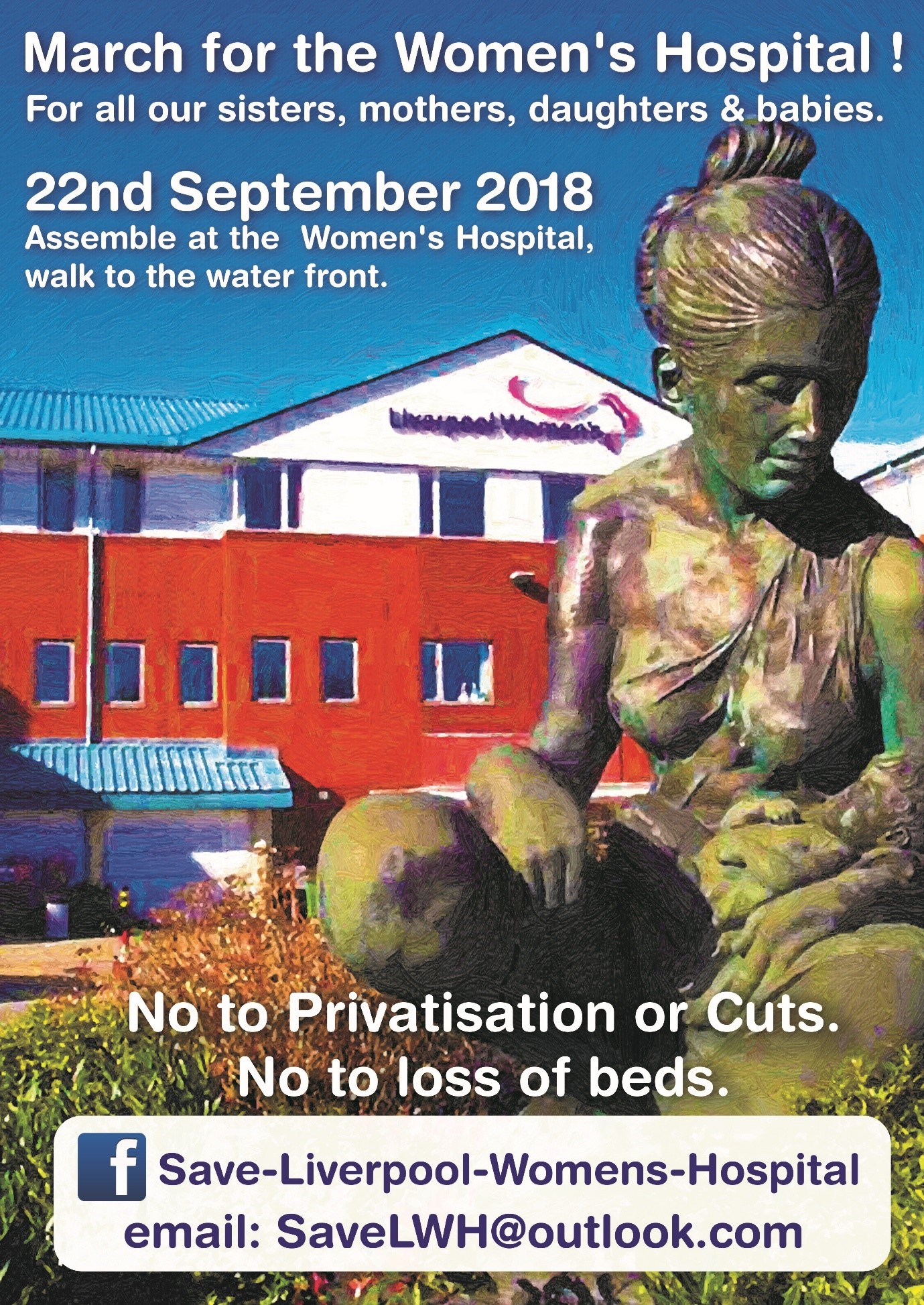

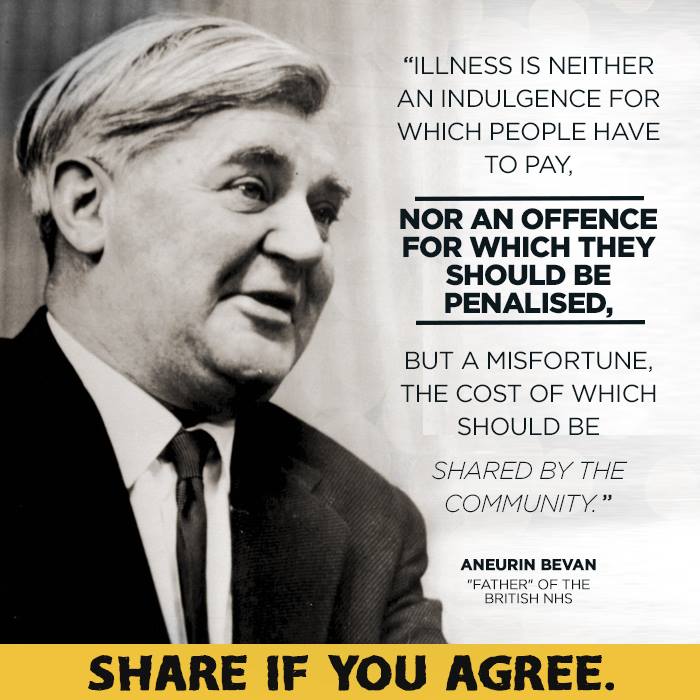
Restore and Repair the NHS: June 2025; It does not have to be this way!
Last Thursday, May 29th, 2025, campaigners from Save Liverpool Women’s Hospital and Restore and Repair the NHS attended the Cheshire and Merseyside Integrated Care Board meeting. It was a truly grim meeting. The significant cuts that the ICB faces to its funding at a time of great stress to the services and our communities are a disgrace, and this lies at this Government’s feet. The blame for what this body did lies squarely with the Government, but the personal responsibility cannot be shirked.
Do not give up!

We are angry but far from giving up: “Do not appeal, do not beg, do not grovel. Take courage, join hands, stand beside us, fight with us.” (Christabel Pankhurst). Please join us and all who fight to restore and repair the NHS.
Great work goes on day after day in our NHS, but a lack of staff, resources, beds, and funding puts huge strain on the staff and damages the experience and outcomes for patients.
Problems at the ICB
The ICB system nationally is facing huge changes, financial cuts, and staff redundancies. yes the last govenment caused terrible harm. The Government has not done a risk assessment on these changes, and the impact of the Government’s financial decisions has been severe.
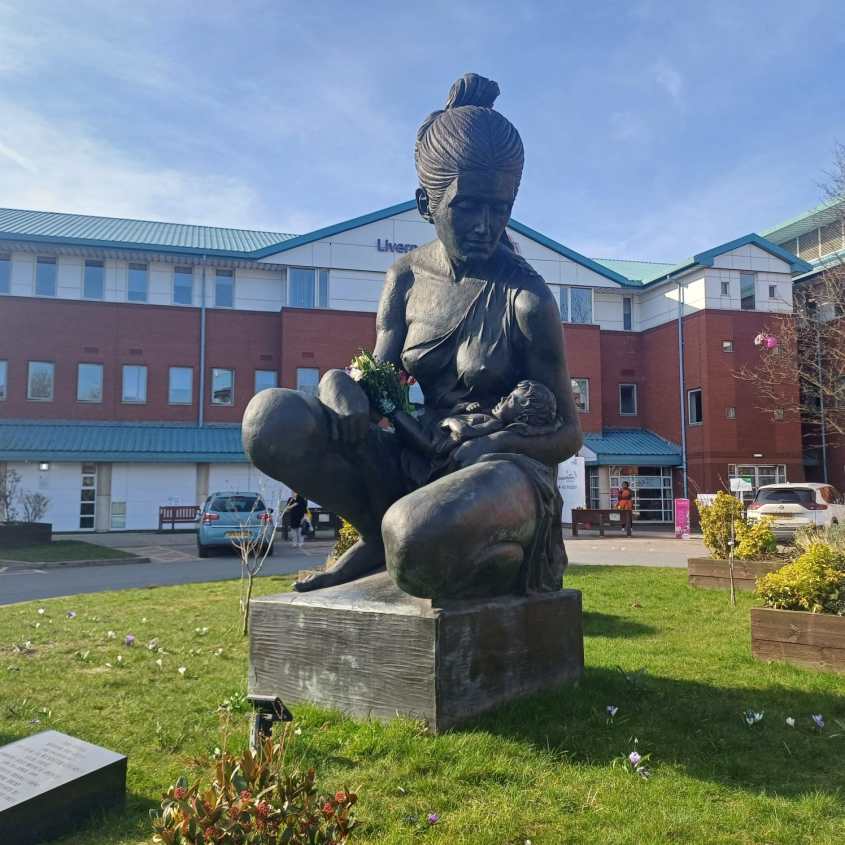
ICB Funding.
Hospitals are funded via the ICB. During the pandemic, hospitals were funded according to the treatments they provided. Now they must tailor their work to the money provided.
Let us be clear: This country can afford better health care. Healthcare is a great investment and provides a return on money invested financially, socially, and in creating a healthier workforce.
In 2024/25, the Cheshire and Merseyside ICB told NHSE it could not match the sum allocated to its planned spending. Seven other ICBs were in the same position. The Cheshire and Merseyside NHS budgets include all sixteen hospitals and primary care. Earlier in the year, they were given £178 million ‘deficit support’ ( a loan that must be paid back over several years). This was, however, still not enough to balance the books.. The ICB board met with the NHSE board, who said that if they did not balance the books/make cuts, then the £178m would be withdrawn and they would have to make £178m further cuts. The ICB must now work with each hospital to see where these cuts can be made. “On April 30th 2025 the ICB submitted a compliant plan which has resulted in both the ICB and every Cheshire and Merseyside Trust provider taking on additional cost improvement requirements (resulting in an aggregate deficit across the 16 NHS providers of c£228m offset by a surplus for the ICB of £50m.)This can be seen on page 8 of the board papers.
The ICB must also reduce its spending to meet national averages, as the area started with higher funding. Cheshire and Merseyside have the highest per-person funding, representing greater need here. But it is to be reduced over a number of years.
Wouldn’t it be good if the Government reduced poverty and ill health, too? They could start by responding to the Medact campaign for homes for all.
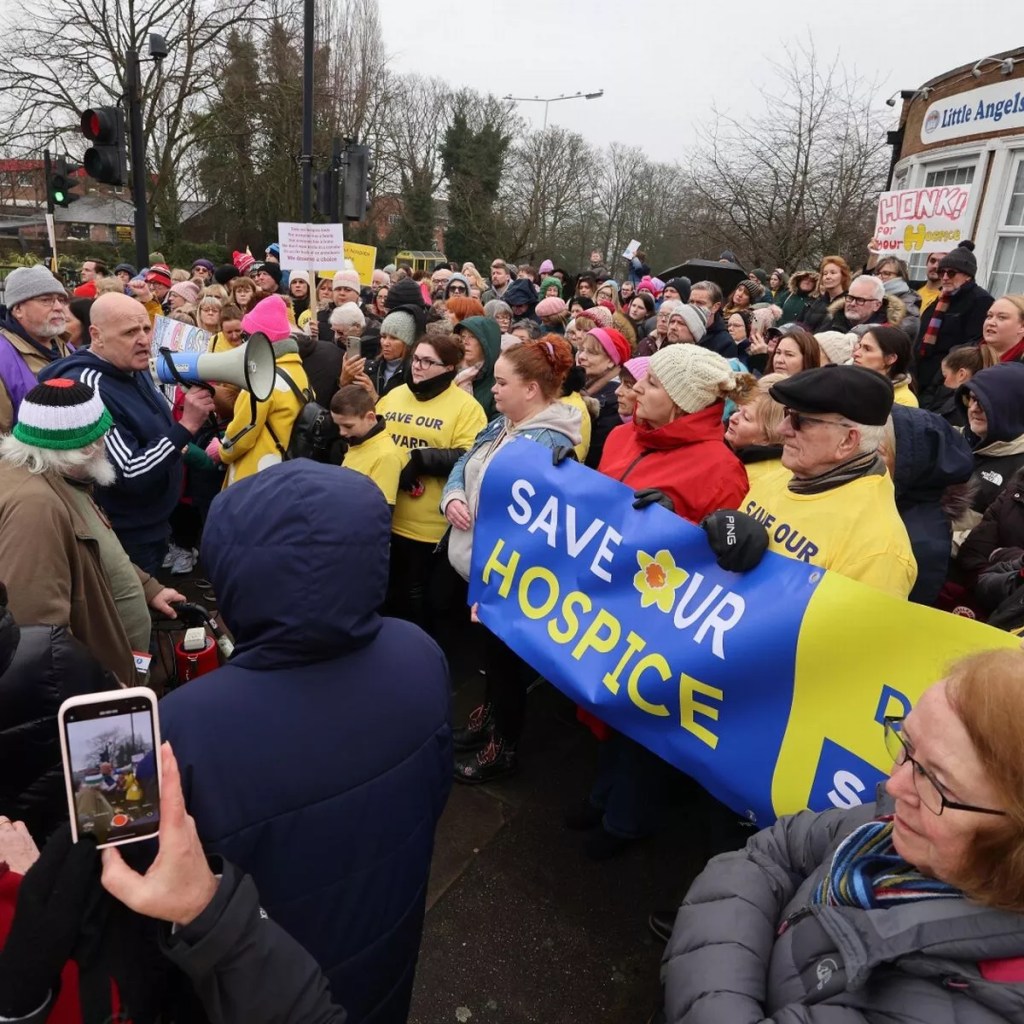
The Marie Curie campaigners to keep the Woolton hospice inpatient ward open, spoke in the public questions session at the start of the ICB meeting. They spoke movingly about the need for end-of-life care, but no concrete proposals were made to save it. The responsibility is shared between the ICB and the charity.
The hospice campaign is doing such a good job,we give them our full support.
Isues at the ICB meeting
- The NHS is facing harm nationally and locally. The Government and the NHS bodies are aware of this. The ICB’s finances come from the Government.
- The highest risks shown in the May ICB papers are “Lack of Urgent and Emergency Care capacity and restricted flow across all sectors (primary care, community, mental health, acute hospitals and social care) results in patient harm and poor patient experience.”
- Too few hospital beds and the chaos of the privatised social care system are behind the “lack of flow.”
- Maternity. There have been many prestigious reports on the crisis in Maternity., many parent groups are fighting for answers. The UK has poor infant mortality rates. In England, the mortality rate for infants living in the 10% most deprived areas was over twice the mortality rate for infants living in the 10% least deprived areas. Maternal Mortality has risen “The maternal death rate increased to 13.41 deaths per 100,000 pregnancies between 2020 and 2022, according to figures published by the MBRRACE-UK investigation into maternal deaths in the UK. The figure was 8.79 in the period 2017 to 2019.” It is the highest death toll since 2003-05, when the maternal death rate stood at 13.95 deaths per 100,000.
- Liverpool Women’s Hospital is featured twice in the ICB register of risks, once because it is”not compliant” financially. Although Liverpool Women’s Hospital is the centre of attention as the largest Maternity service, financial and staffing problems are shared nationwide. There is a national Maternity crisis, with Nottingham currently in the spotlight. Leeds has also reported problems following parental complaints. Wes Streeting, Secretary of State for Health and Social Care, has apologised to bereaved parents (as reported in the Health Service Journal). £100m was invested into improving Maternity safety annually following the publication of an interim report into poor care at the Shrewsbury and Telford NHS trust. However, the Royal College of Midwives reported that this national Service Development Funding (SDF) for Maternity services will drop from £95m in 2024-25 to just £2m in 2025-26. The Royal College of Midwives said, “These budget cuts are more than shocking; they will rip the heart out of any moves to improve Maternity safety. The Government has taken a wrecking ball to work that’s being done up and down the country to improve Maternity safety, something which is desperately needed.” When questioned, the ICB did not share Gill Walton’s concern. Yet Ormskirk Hospital Maternity service, one of the ICB’s Maternity providers, receives a requires improvement rating from the CQC, Liverpool Women’s Hospital requires more funding.
- Our campaign to Save Liverpool Women’s Hospital is inextricably linked to the need to fully restore the NHS as a national, publicly owned, publicly provided, democratically accountable service, well-funded and well-staffed. There is a national Maternity crisis due to understaffing and underfunding. The situation for the Liverpool Women’s Hospital was not directly addressed, however, the path the ICB started on with the Engagement process last year is carrying on and that Liverpool Women’s Hospital cannot function without additional funding, but that is true of Maternity nationally. It is unclear when we will hear more of the plans for Liverpool Women’s Hospital.
- Poverty and ill health. The problems in poverty, ill health and life expectancy

The fundamental problems are understaffing, inadequate resources, privatisation and underfunding. Few people expected the situation to continue and the issues to deepen after the Conservatives were booted out of Government. For an assessment of what the Labour Government has done, see here. We started this new Government with fewer beds and doctors per head of population than other advanced countries like France, Germany and Spain.
Labour MPs are publicising the Repairs funding the Government are giving to our hospitals but the underlying situation is a disgrace. It is a bit like an abusive husband deigning to repair the roof. The cuts to main services outweigh this, but do some MPs even know, or bother to find out?
The ICB model imposed on the NHS in 2022 is fundamentally flawed. It uses commercial rather than public service systems . Privatised public services do not work well, and mixed public and privatised health care, as we now have it in the NHS, is wasteful and damaging.
The level of funding for healthcare in the UK is inadequate and below the level provided in other advanced economies.”Among the G7, the group of advanced economies to which the UK is most commonly compared, the UK is the joint lowest spender, regardless of how we measure spend. A 2022 table puts us 37th in the international spend per head of population. Another study shows the US as the highest spender with the worst outcomes. The UK is 11th out of twelve in expenditure, but it still has better outcomes for the money spent. Our outcomes, though, are worse in cancer survival than in any country except the US. Yet they want us to emulate the US system! The Government defers to the big US companies from whom advisers and senior posts are appointed. Simon Stevens, the previous boss of the NHS under the Conservatives, came from UnitedHealth.
The ICB gives the providers (mainly hospitals) about £2,500 per annum per head of population. The level of cuts demanded by NHSE and the Government is unacceptable and will cost lives, pain and suffering.
What we learned from the ICB meeting on May 29th 2025.
“On April 30th 2025 the ICB submitted a compliant plan which has resulted in both the ICB and every Cheshire and Merseyside Trust provider taking on additional cost improvement requirements (cuts to you and me, our edit) resulting in an aggregate deficit across the 16 NHS providers of c£228m, offset by a surplus for the ICB of £50m.
Whilst agreeing a plan was essential to securing the deficit support and cash to underpin this, our attention must turn now to the effective delivery of the plan and effectively mitigating the risks.”
Risks
On Page 507, the most critical risk was “Lack of Urgent and Emergency Care capacity and restricted flow across all sectors (primary care, community, mental health, acute hospitals and social care) results in patient harm and poor patient experience, currently rated as critical,” mentioned above.
Two other risks had the highest score of 25: Elective Care and financial duties (page 550).
The ICB receives an “allocation” of money from the Government. They then must distribute that money amongst the “Providers” (the hospitals, primary care, and other services) and pay for some aspects of social care, prescriptions, services outsourced to private contractors, and private sector financial advisers like Price Waterhouse Cooper.
The NHS staff work long hours for inadequate pay and deserve much better. We thank the NHS staff and will campaign to make the NHS a great place to work once more.
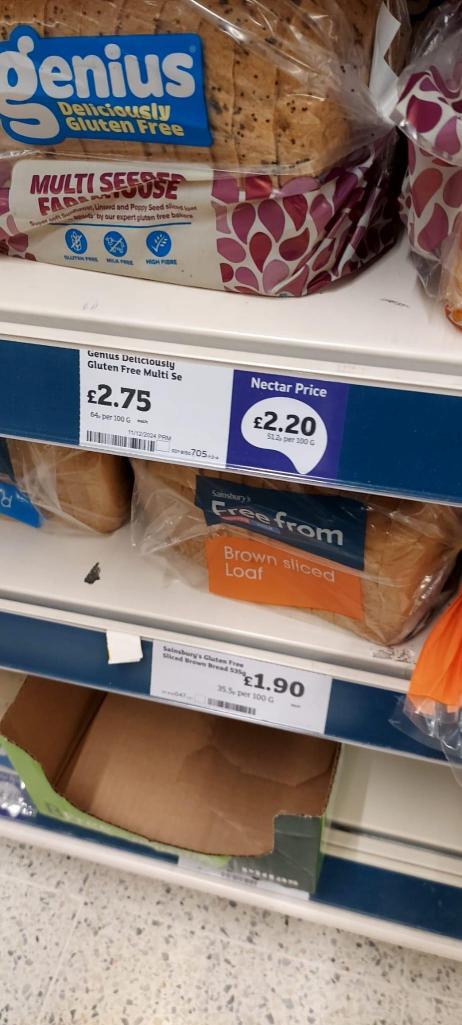
Marie Antoinette comes to Liverpool in 2025
Professional people making cuts that will make the poorest of families struggle to feed their families still more difficult is always disgusting, but when they ignorantly suggest people can get their essential products (such as gluten-free products for celiacs) from food banks, then the blood boils. Coeliac is a serious illness, especially for children, if not tackled by avoiding gluten foods which are up till now available on prescription. No one will use a prescription if they have to pay for prescriptions, so it’s children and less well-off people who need this. Hear our response at about one hour 37 minutes in.
Why don’t they hit the rich with their cuts? The cuts that the ICB had a choice in were cruel. They coldly and deliberately made cuts that would hurt some of the poorest in our communities, cuts that would make a slight difference to the overall budget problems. The people of Cheshire and Merseyside deserve much better. Will our area’s people passively accept this or organise to gain proper funding and an open democratic organisation of our healthcare? We say organise!
They also cut the number of fertility treatment cycles available in Cheshire and Merseyside to one. On average, it takes more than one treatment to conceive. Of course, you can have more if you pay!
Provision for long COVID was sent back to the GPs.
The scheme to take gynaecology into the GPs’ practices has been defunded.
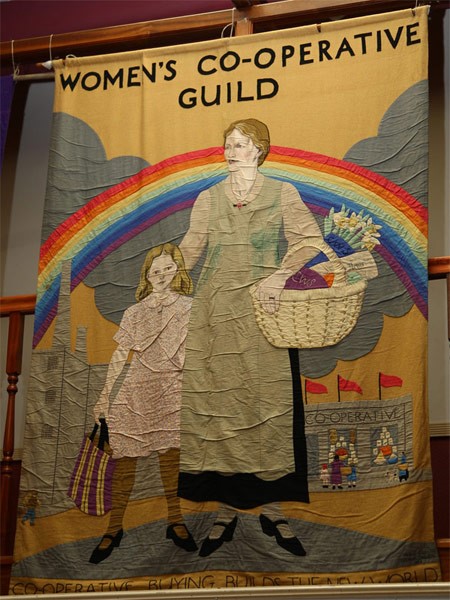
This system of cuts is facing the ICB for the foreseeable future unless we fight like our grandmothers and great-grandmothers fought for health care.
The “winter” crisis
Cheshire and Merseyside ICB do not have enough staffing or funding to stop the winter crisis continuing into summer and through next winter. Indeed, they are expected to make further cuts. The Royal College of Emergency Medicine recently published their estimate of the number of extra deaths caused by this situation last winter; “New analysis by the Royal College of Emergency Medicine reveals that there were more than 16,600 deaths associated with long A&E waits before admission in England last year”” That is an increase of 20% (2,725) compared to 2023.
These are the issues in the “Winter crisis”. Be clear, the staff work hard and we thank them for all they do, but we do not help if we keep silent and let an unacceptable situation continue:
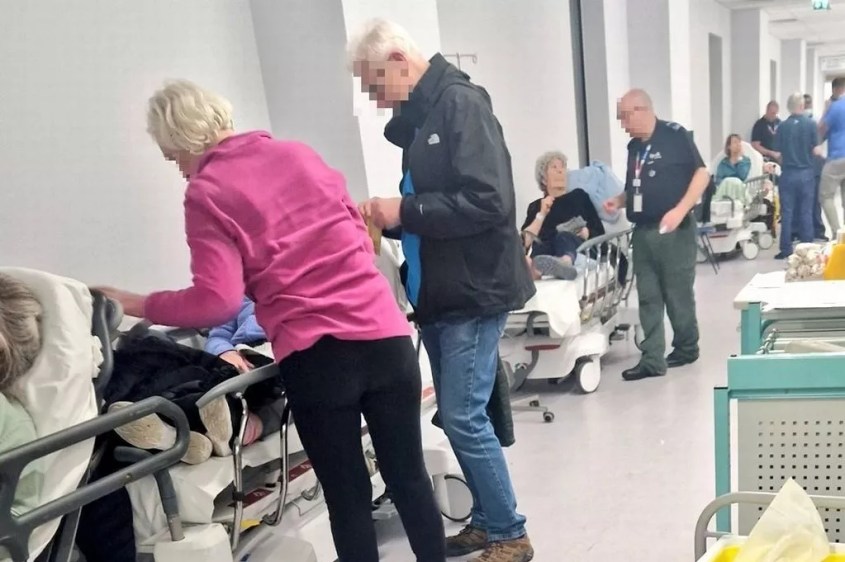
- Using temporary escalation spaces to accommodate patients (corridors or even bathrooms for you and me). This is when you are acutely ill.
- Waiting on trollies, rather than beds, for many hours in corridors.
- Waiting “Fit it to sit” those not so sick that they are put on trollies, or if trollies are not available, being treated in chairs.
- Having no access to toilets, showers, or changes of clothes.
- “Boarding-in” in wards. This is where patients are put in a ward not linked to their illness and not in one of the regular beds in this ward, so not within the normal staffing levels.
- Long waits to be seen by a doctor in the A&E.
- Long waits for a bed once the Doctors decide to admit a patient.
- Long waits for social care once treatment has been completed in the hospital.
- Ambulance response times are slowed by Ambulances being stuck queuing outside the hospital.
- Last winter, the situation was grim, and Liverpool Hospitals A and E had to close its doors despite the following steps: In order to free up beds, the Liverpool hospitals paid for patients who no longer needed hospital treatment to go to care homes, which provided a higher level of care than the patient needed. Arrangements were made to divert some people to walk-in centres. The public responded by not using A&E unless their condition became too severe (this can cause problems later, as treating patients at the start of their illness, rather than waiting for it to progress, is the better option). The ICB reported a dramatic drop in low acuity (less ill) cases during the highest demand period. Northwest Ambulance put on extra staff.
This is emergency planning being used routinely. Yet hospitals are expected to make cuts year on year.
All of this is unacceptable, and with resources, it is avoidable.
The original model of the NHS was a national public service, publicly owned and publicly delivered, providing the best available treatment for everyone. The NHS should return to being a fully publicly provided service. We should not pay big US and UK corporations that do not improve our healthcare but leech resources from it.
 Save Liverpool Women's Hospital
One thought on “Build Resistance to NHS cuts”