Author: Mary

Encouraging and collating discussion about workers' struggles and struggles for socialism locally, nationally and internationally

Funding refusal hits Cheshire and Merseyside NHS Hospitals.

June 5th 2025

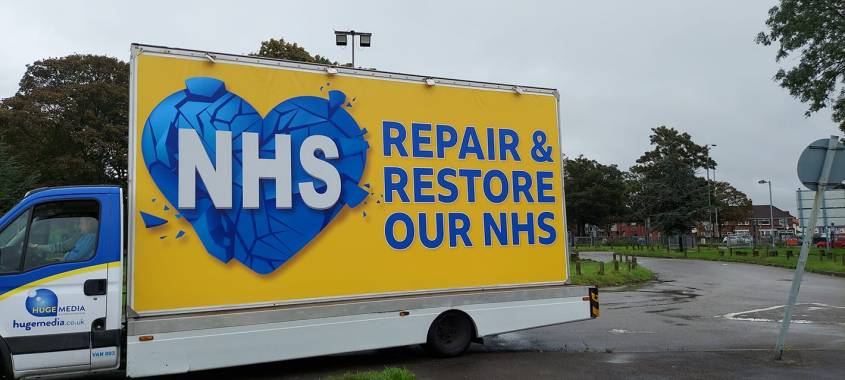
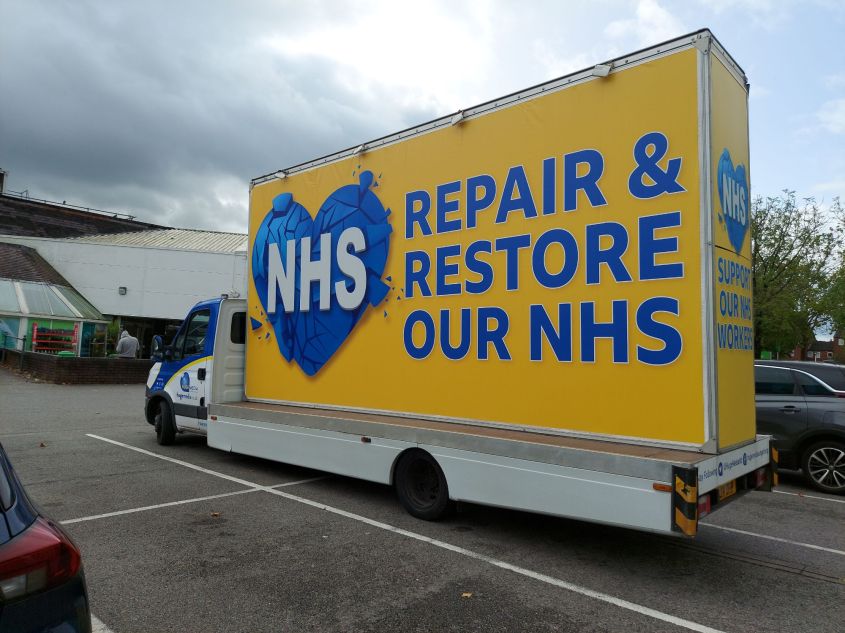
The campaign wagon that we use when we can collect enough donations.

NHS University Hospitals of Liverpool Group Board meeting.

As members of the public, we have attended the ICB and the Liverpool Women’s Hospital Board meetings for some years and attended the NHS University Hospitals of Liverpool Group Board meeting on June 5th, 2025.

We heard that because the ICB was refused the funding it requested, all Cheshire and Merseyside Hospitals and many other services must change their financial plans for the worse. However, the Trusts are not allowed to reduce their planned services! This must increase pressure on the frontline NHS workforce. Staffing is a large part of all NHS spending and is crucial to patient care.

Note: “Cost Improvement Plans” are cuts. Yes, a large organisation like the NHS must be on the watch for potential savings, but the system is used to enforce cuts.

The ICB reported that “On April 30th 2025 the ICB submitted a compliant plan ( which has resulted in both the ICB and every Cheshire and Merseyside Trust provider taking on additional cost improvement requirements (resulting in an aggregate deficit across the 16 NHS providers of c£228m offset by a surplus for the ICB of £50m). This compliant plan will enable us to spend our allocation, plus the additional £178m of deficit support funding (equivalent of 2.2% of our allocation) during the 2025/26 financial period. Whilst agreeing a plan was essential to securing the deficit support and cash to underpin this, our attention must turn now to the effective delivery of the plan and effectively mitigating the risks“.

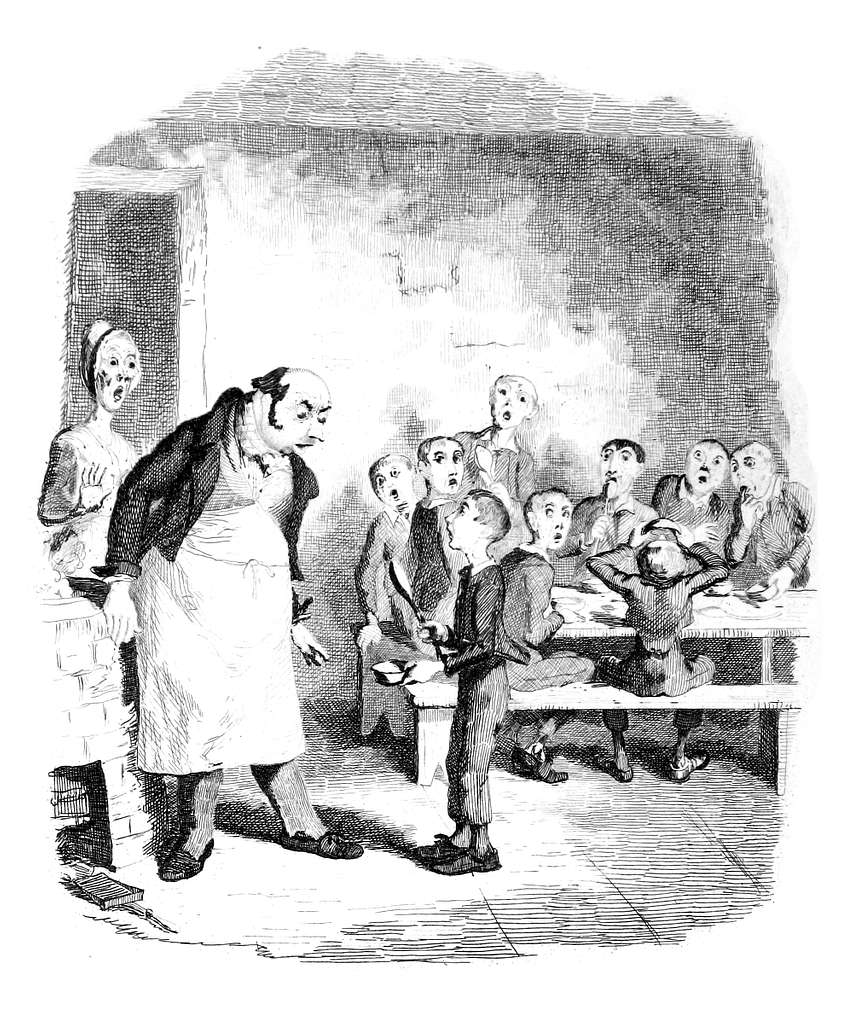
Like Oliver in the workhouse, the ICB asked for more Picture credit

See our commentary on the May 2025 ICB board here.

We have always opposed the ICB system imposed by the 2022 Health and Social Care Act. Streeting is giving us more of the same.

We have observed how trusts negotiate their funding with the ICB. They agree on a plan for services, treatments, and the required money. It is a complex operation with oversight from outside bodies. The ICB takes all the plans for all the services in the area to NHS England and agrees on funding levels. Negotiations continue during the year for next year’s funding. The NHSE rewards trusts that do well in certain areas and has just announced some capital funding for buildings and extra services, including mental health in the acute hospitals. This, though, we are told, is not additional money. This carrot-and-stick funding is inappropriate and wasteful; it just lets a few positive headlines help some MPs.

The ICBs ( separate and distinct from the Hospitals and provider services) face significant cuts in their functions and funding as Wes Streeting implements his peculiar plans for the NHS.

The Government spends less on healthcare than other advanced countries.

 Wes Streeting, the Labour Secretary of  State for Health and Social Care, has proclaimed that the NHS will get no extra funding without “major surgery” and reform, including more use of the private sector.

The Health Service Journal reports that his year, “Integrated care boards and trusts are collectively aiming to make efficiency savings of 7.1 per cent or £11bn.”

These cuts are imposed while the winter crisis in our hospitals lives on through the summer in some places and is unlikely to improve next winter. At the same time, we have unemployed GPs, people needing GP care, and more than six million people waiting for treatment.

Women’s health sees some of the longest waiting lists, and our Maternity outcomes urgently need to be improved. Women hold up half the sky and make up nearly 80% of the NHS workforce. They are more likely to think of the NHS when voting. Yet our healthcare is disrespected in so many ways. The country has a Maternity crisis, and mental health care is severely damaged. Social care is a disgrace.

Liverpool Women’s Hospital is now part of the NHS University Hospitals of Liverpool Group, which comprises The Royal, Aintree, Broadgreen, and Liverpool Women’s Hospital. Other Liverpool Hospitals will also join the Group soon. “Liverpool Heart and Chest will join by September this year, the Walton Centre by December, and the Clatterbridge Cancer Centre by March 2026.”

Liverpool Women’s Hospital is still technically a separate Trust; however, the final say now rests with this group board, none of whom, as far as we can tell, have obstetric or midwifery expertise.

Hospitals receive funding via the ICB. They also agree on their planned treatments and urgent and emergency care Plans with the ICB. The Trusts are paid for what they plan to deliver.

 The Trusts and the ICB had drawn up these plans in detail. NHSE had appointed outside bodies, like Price Waterhouse Coopers,  to work with the  Liverpool boards and the ICB to oversee their finances and to reduce spending. It was just such a worked-out package that NHSE  declined. Further,  NHSE  would withdraw previous deficit funding of over £176m to Cheshire and Merseyside if the books were not balanced. Each Trust was given far less money than they expected.

The CEO of the Liverpool Group explained that, having received less funding, they had to decide which services to cut. But, they were then told they still had to meet the original service targets with less money.

So, Liverpool Women’s Hospital is facing more financial problems. It is a small hospital whose funding is determined by the Maternity tariff, and the Maternity tariff( funding) is inadequate across the country.

These national cuts are a policy decision distinct from previous years. They come after years of Austerity, privatisation, and underfunding in the NHS. Sadly, this Government’s policies are little different from the last.

Campaigns do make a difference. If you fight, you might just win.The more people involved, the more likely we are to win. So, we have to campaign harder and draw more people into the campaigns to Restore and Repair the NHS.

The NHS came from ordinary people, unions, women’s organisations and community groups. That is to whom we must turn again. Please join the campaigns to restore and repair the NHS. Contact us for details on how you can help.

There may well be some waste and overspending in the NHS. These cuts happen while more than six million people are waiting for treatment. Some treatments, like those for endometriosis and young people’s mental health, need to improve. We need democracy and community oversight in the NHS.

When our campaigners go to meetings and read their papers, we still have limited sight of what’s going on and only retired people really have the time to attend these meetings.

On June 5th, we could not even hear crucial sections of the meeting where significant changes in the funding and delivery of services were being discussed. We were “told off “for asking them to speak up in what is supposed to be “a meeting held in public.” They have promised to use microphones at the next meeting. There is no effective democratic scrutiny of the NHS.

This new board format shows less detail of Liverpool Women’s Hospital matters. We do not, for example, see the staffing fill rates for different services as an issue that matters very much to women giving birth. From the reports that we did see, we learned that Liverpool Women’s Hospital has a significant waiting list for Gynaecology treatment:

Gynaecology remains a challenged speciality nationally in terms of long waits and capacity constraints. At LWH, referrals into the Gynaecology suspected cancer pathway have significantly increased over the last 3 years, increasing from 3,500 per year in 2021/22 to 6,000 per year in 2024/25 – a 71% increase. Demand has been exacerbated by changes in the Post Menopausal Bleeding pathway as well as significant long waits for General Gynaecology services. LWH is also the Tertiary provider for Gynaecological Cancer across Cheshire & Merseyside.” Page 239 in the Board papers

The hospital is opening three new “ambulatory” (daytime) treatment rooms. However, increased demand has already shown a need for still more capacity and money to fund that capacity. We were told that close work with other cancer teams across the Group and support from across Cheshire and Merseyside are helping to develop an effective plan to drive down this waiting list.

Gynaecology has one of the longest waiting lists across the country.

In March 2025, Endometriosis UK wrote New data shows the non-cancer gynaecology lists continuing to stand at over 580,000 women in England alone, with women waiting months and even years with serious, progressive conditions, including endometriosis.

 In December 2024, The Guardian wrote that waiting lists for gynaecology appointments across the UK had more than doubled since February 2020. Records show around three-quarters of a million (755,046) women’s health appointments are waiting to happen – up from 360,400 just before the pandemic..

Unsurprisingly, pressure is being put on the workforce to work harder. All kinds of stunts are coming in, like outsourcing, insourcing (not the same as bringing services back in-house), changing how bank nurses are paid, not filling vacancies and more privatisation. Privatisation is not more cost-effective, nor does it deliver better patient outcomes. Services, too, will be cut.

It is unacceptable that the Government is imposing such a scale of cuts while we wait for treatment.

We learned little of the plans currently being drawn up for the future of “Women’s Hospital Services in Liverpool”. We questioned whether staff at LWH had been told that one option was a new build on the Royal site. It seems it was mentioned at a staff briefing, but only as a reference to the options years ago. The ICB had categorically ruled out a new build for Liverpool Women’s Hospital on the old Royal site, and the site has been agreed upon as a new building for the university. The Echo reported on June 5th about more details for the site of the old Royal, including an improved entrance to the Royal Hospital. There is no mention of a rebuild for Liverpool Women’s Hospital, although plans can change until construction starts.

We want the Liverpool Women’s Hospital to be properly funded and staffed and to remain on the Crown Street site in cooperation with other hospitals.

Our huge petitiononline and on paper, says

Save the Liverpool Women’s Hospital. No closure. No privatisation. No cuts. No merger. Reorganise the funding structures, not the hospital. Our babies and mothers, our sick women deserve the very best.”

Why is this important?

All the maternity and women’s health provision of Liverpool was pulled into this one site. It’s a much loved hospital. It provides crucial specialised care and the daily joy of new babies. #one born. The driving force for closure is a clumsy funding structure not the needs of women and babies. The alternative of wards in the new Royal is not an equivalent.

This is a modern hospital on a good site. Our taxes built it for our babies and for our women.

We campaign to save Liverpool Women’s Hospital, to Restore, Repair the NHS, and to make the NHS a great place to work. Please help. Combining our paper and online petitions, we have 81,470 signatures. Please help us get even more. Our work includes petitions, leaflets, stalls, rallies, working with other Maternity campaigns and with community groups, unions, Keep Our NHS Public, and other NHS campaign groups, our Facebook page, and this blog aims to provide information and help campaign organisation.

Proposals for the future of Liverpool Women’s Hospital seem likely to be published before the end of the year. They will then have to go to a public consultation.

We heard on our stalls that staff at Liverpool Women’s Hospital had been told that the hospital would be rebuilt on the site of the demolished old Royal. We asked the ICB, “There is mention of a meeting with the LWH staff to reassure them about the process. Was there mention of the likelihood of funding for a new building on the Royal Site? We have been told that this happened, but this contradicts earlier statements from this board. ”

We asked the Hospitals Group board,” Regarding Women’s services in Liverpool, has the suggestion of a new Liverpool Women’s Hospital at the Royal site been raised with staff either at the Royal or LWH?

The ICB answered. “There was a staff engagement event in February 2025. This event was to update staff on the progress and next steps of the programme i.e. the development of an options appraisal process. Consideration of the funding requirements are a part of that process for developing potential options to address the risks identified; this will be both capital and revenue costs. This was discussed in general and hypothetical terms only, as no funding decisions have been made at this point.”

We need clarity on this. If staff are being reassured by ideas of a significant new build, an idea that contradicts what the public has been told repeatedly, there is a lack of clarity.

Meanwhile, the fight to protect and improve healthcare for all our mothers, sisters, daughters, friends, lovers, and every baby continues in these grim circumstances.

Our grandparents and great-grandparents fought for and won the NHS as healthcare for all, free at the point of care, publicly provided, funded by the government, providing the best available treatment in a timely fashion. The impact of the NHS on women’s lives was profound. The NHS was won at a time of hardship in the British economy, when Liverpool and other cities were still full of bomb sites. Our current period of cuts and closures, of declining outcomes and greater birth trauma, is robbing us of the legacy left to us by the generation that defeated fascism. Fight for our healthcare like your grandparents, great-grandparents, and even great-great-grandparents. In the early 20th Century, the working-class women of Liverpool fought long and hard for better healthcare and won it. We can do that too.

Build Resistance to NHS cuts

Restore and Repair the NHS: June 2025; It does not have to be this way!

Last Thursday, May 29th, 2025, campaigners from Save Liverpool Women’s Hospital and Restore and Repair the NHS attended the Cheshire and Merseyside Integrated Care Board meeting. It was a truly grim meeting. The significant cuts that the ICB faces to its funding at a time of great stress to the services and our communities are a disgrace, and this lies at this Government’s feet. The blame for what this body did lies squarely with the Government, but the personal responsibility cannot be shirked.

Do not give up!

We are angry but far from giving up: “Do not appeal, do not beg, do not grovel. Take courage, join hands, stand beside us, fight with us.” (Christabel Pankhurst). Please join us and all who fight to restore and repair the NHS.

Great work goes on day after day in our NHS, but a lack of staff, resources, beds, and funding puts huge strain on the staff and damages the experience and outcomes for patients.

Problems at the ICB

The ICB system nationally is facing huge changes, financial cuts, and staff redundancies. yes the last govenment caused terrible harm. The Government has not done a risk assessment on these changes, and the impact of the Government’s financial decisions has been severe.

ICB Funding.

Hospitals are funded via the ICB. During the pandemic, hospitals were funded according to the treatments they provided. Now they must tailor their work to the money provided.

Let us be clear: This country can afford better health care. Healthcare is a great investment and provides a return on money invested financially, socially, and in creating a healthier workforce.

In 2024/25, the Cheshire and Merseyside ICB told NHSE it could not match the sum allocated to its planned spending. Seven other ICBs were in the same position. The Cheshire and Merseyside NHS budgets include all sixteen hospitals and primary care. Earlier in the year, they were given £178 million ‘deficit support’ ( a loan that must be paid back over several years). This was, however, still not enough to balance the books.. The ICB board met with the NHSE board, who said that if they did not balance the books/make cuts, then the £178m would be withdrawn and they would have to make £178m further cuts. The ICB must now work with each hospital to see where these cuts can be made. “On April 30th 2025 the ICB submitted a compliant plan which has resulted in both the ICB and every Cheshire and Merseyside Trust provider taking on additional cost improvement requirements (resulting in an aggregate deficit across the 16 NHS providers of c£228m offset by a surplus for the ICB of £50m.)This can be seen on page 8 of the board papers.

The ICB must also reduce its spending to meet national averages, as the area started with higher funding. Cheshire and Merseyside have the highest per-person funding, representing greater need here. But it is to be reduced over a number of years.

Wouldn’t it be good if the Government reduced poverty and ill health, too? They could start by responding to the Medact campaign for homes for all.

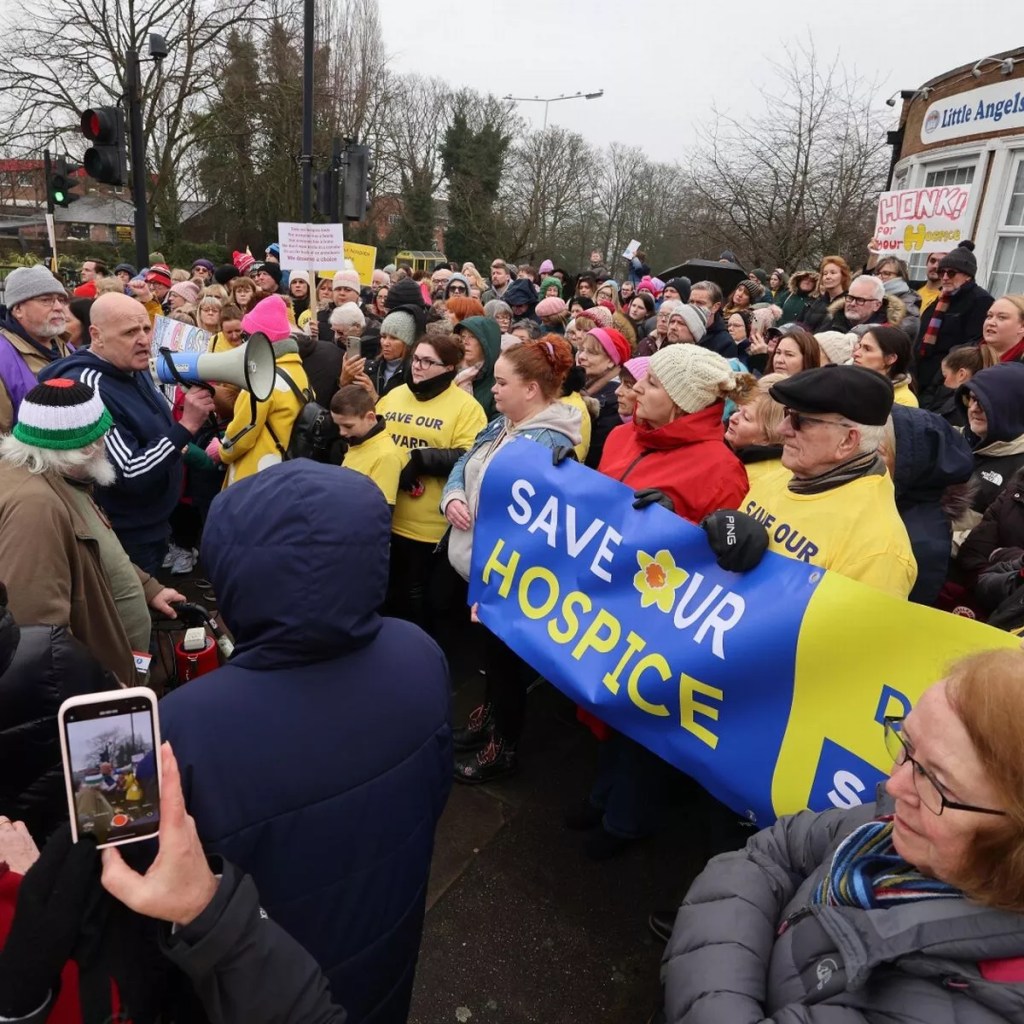
an Echo Photo of a protest to keep the inpatient ward in Marie Curie

The Marie Curie campaigners to keep the Woolton hospice inpatient ward open, spoke in the public questions session at the start of the ICB meeting. They spoke movingly about the need for end-of-life care, but no concrete proposals were made to save it. The responsibility is shared between the ICB and the charity.

The hospice campaign is doing such a good job,we give them our full support.

Isues at the ICB meeting

  • The NHS is facing harm nationally and locally. The Government and the NHS bodies are aware of this. The ICB’s finances come from the Government.
  • The highest risks shown in the May ICB papers are “Lack of Urgent and Emergency Care capacity and restricted flow across all sectors (primary care, community, mental health, acute hospitals and social care) results in patient harm and poor patient experience.”
  • Too few hospital beds and the chaos of the privatised social care system are behind the “lack of flow.”
  • Maternity. There have been many prestigious reports on the crisis in Maternity., many parent groups are fighting for answers. The UK has poor infant mortality rates. In England, the mortality rate for infants living in the 10% most deprived areas was over twice the mortality rate for infants living in the 10% least deprived areas. Maternal Mortality has risenThe maternal death rate increased to 13.41 deaths per 100,000 pregnancies between 2020 and 2022, according to figures published by the MBRRACE-UK investigation into maternal deaths in the UK. The figure was 8.79 in the period 2017 to 2019.” It is the highest death toll since 2003-05, when the maternal death rate stood at 13.95 deaths per 100,000.
  • Liverpool Women’s Hospital is featured twice in the ICB  register of risks, once because it is”not compliant” financially. Although Liverpool Women’s Hospital is the centre of attention as the largest Maternity service, financial and staffing problems are shared nationwide. There is a national Maternity crisis, with Nottingham currently in the spotlight. Leeds has also reported problems following parental complaints. Wes Streeting, Secretary of State for Health and Social Care,  has apologised to bereaved parents (as reported in the Health Service Journal). £100m was invested into improving Maternity safety annually following the publication of an interim report into poor care at the Shrewsbury and Telford NHS trust. However, the Royal College of Midwives reported that this national Service Development Funding (SDF) for Maternity services will drop from £95m in 2024-25 to just £2m in 2025-26. The Royal College of Midwives said, “These budget cuts are more than shocking; they will rip the heart out of any moves to improve Maternity safety. The Government has taken a wrecking ball to work that’s being done up and down the country to improve Maternity safety, something which is desperately needed.” When questioned, the ICB did not share Gill Walton’s concern. Yet Ormskirk Hospital Maternity service, one of the ICB’s Maternity providers, receives a requires improvement rating from the CQC, Liverpool Women’s Hospital requires more funding.
  • Our campaign to Save Liverpool Women’s Hospital is inextricably linked to the need to fully restore the NHS as a national, publicly owned, publicly provided, democratically accountable service, well-funded and well-staffed. There is a national Maternity crisis due to understaffing and underfunding. The situation for the Liverpool Women’s Hospital was not directly addressed, however, the path the ICB started on with the Engagement process last year is carrying on and that Liverpool Women’s Hospital cannot function without additional funding, but that is true of Maternity nationally. It is unclear when we will hear more of the plans for Liverpool Women’s Hospital.
  •  Poverty and ill health. The problems in poverty, ill health  and life expectancy
The Mother Statue at Liverpool Women’s Hospital

The fundamental problems are understaffing, inadequate resources, privatisation and underfunding. Few people expected the situation to continue and the issues to deepen after the Conservatives were booted out of Government. For an assessment of what the Labour Government has done, see here. We started this new Government with fewer beds and doctors per head of population than other advanced countries like France, Germany and Spain.

Labour MPs are publicising the Repairs funding the Government are giving to our hospitals but the underlying situation is a disgrace. It is a bit like an abusive husband deigning to repair the roof. The cuts to main services outweigh this, but do some MPs even know, or bother to find out?

The ICB model imposed on the NHS in 2022 is fundamentally flawed. It uses commercial rather than public service systems . Privatised public services do not work well, and mixed public and privatised health care, as we now have it in the NHS, is wasteful and damaging.

The level of funding for healthcare in the UK is inadequate and below the level provided in other advanced economies.”Among the G7, the group of advanced economies to which the UK is most commonly compared, the UK is the joint lowest spender, regardless of how we measure spend. A 2022 table puts us 37th in the international spend per head of population. Another study shows the US as the highest spender with the worst outcomes. The UK is 11th out of twelve in expenditure, but it still has better outcomes for the money spent. Our outcomes, though, are worse in cancer survival than in any country except the US. Yet they want us to emulate the US system! The Government defers to the big US companies from whom advisers and senior posts are appointed. Simon Stevens, the previous boss of the NHS under the Conservatives, came from UnitedHealth.

The ICB gives the providers (mainly hospitals) about £2,500 per annum per head of population. The level of cuts demanded by NHSE and the Government is unacceptable and will cost lives, pain and suffering.

What we learned from the ICB meeting on May 29th 2025.

“On April 30th 2025 the ICB submitted a compliant plan which has resulted in both the ICB and every Cheshire and Merseyside Trust provider taking on additional cost improvement requirements (cuts to you and me, our edit) resulting in an aggregate deficit across the 16 NHS providers of c£228m, offset by a surplus for the ICB of £50m.

Whilst agreeing a plan was essential to securing the deficit support and cash to underpin this, our attention must turn now to the effective delivery of the plan and effectively mitigating the risks.”

Risks

On Page 507, the most critical risk was “Lack of Urgent and Emergency Care capacity and restricted flow across all sectors (primary care, community, mental health, acute hospitals and social care) results in patient harm and poor patient experience, currently rated as critical,” mentioned above.

Two other risks had the highest score of 25: Elective Care and financial duties (page 550).

The ICB receives an “allocation” of money from the Government. They then must distribute that money amongst the “Providers” (the hospitals, primary care, and other services) and pay for some aspects of social care, prescriptions, services outsourced to private contractors, and private sector financial advisers like Price Waterhouse Cooper.

The NHS staff work long hours for inadequate pay and deserve much better. We thank the NHS staff and will campaign to make the NHS a great place to work once more.

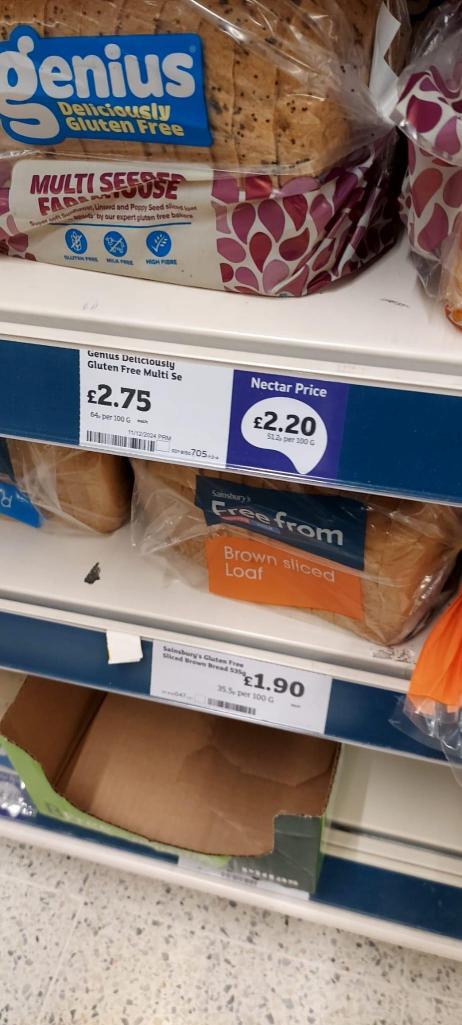
Not even the poorest celiac children will now get products on prescription.

Marie Antoinette comes to Liverpool in 2025

Professional people making cuts that will make the poorest of families struggle to feed their families still more difficult is always disgusting, but when they ignorantly suggest people can get their essential products (such as gluten-free products for celiacs) from food banks, then the blood boils. Coeliac is a serious illness, especially for children, if not tackled by avoiding gluten foods which are up till now available on prescription. No one will use a prescription if they have to pay for prescriptions, so it’s children and less well-off people who need this. Hear our response at about one hour 37 minutes in.

Why don’t they hit the rich with their cuts? The cuts that the ICB had a choice in were cruel. They coldly and deliberately made cuts that would hurt some of the poorest in our communities, cuts that would make a slight difference to the overall budget problems. The people of Cheshire and Merseyside deserve much better. Will our area’s people passively accept this or organise to gain proper funding and an open democratic organisation of our healthcare? We say organise!

They also cut the number of fertility treatment cycles available in Cheshire and Merseyside to one. On average, it takes more than one treatment to conceive. Of course, you can have more if you pay!

Provision for long COVID was sent back to the GPs.

The scheme to take gynaecology into the GPs’ practices has been defunded.

This system of cuts is facing the ICB for the foreseeable future unless we fight like our grandmothers and great-grandmothers fought for health care.

The “winter” crisis

Cheshire and Merseyside ICB do not have enough staffing or funding to stop the winter crisis continuing into summer and through next winter. Indeed, they are expected to make further cuts. The Royal College of Emergency Medicine recently published their estimate of the number of extra deaths caused by this situation last winter; “New analysis by the Royal College of Emergency Medicine reveals that there were more than 16,600 deaths associated with long A&E waits before admission in England last year”” That is an increase of 20% (2,725) compared to 2023.

These are the issues in the “Winter crisis”. Be clear, the staff work hard and we thank them for all they do, but we do not help if we keep silent and let an unacceptable situation continue:

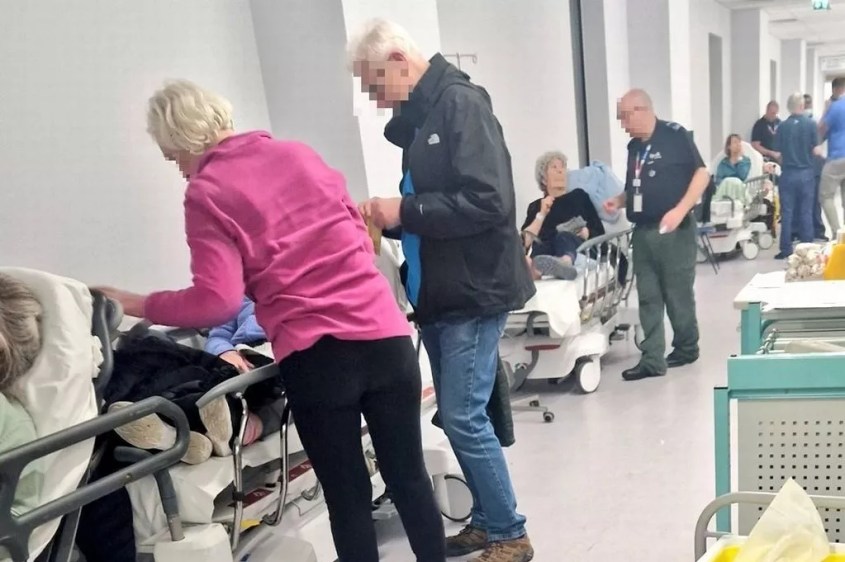
Liverpool Echo Photo of Corridor care
  • Using temporary escalation spaces to accommodate patients (corridors or even bathrooms for you and me). This is when you are acutely ill.
  • Waiting on trollies, rather than beds, for many hours in corridors.
  • Waiting “Fit it to sit” those not so sick that they are put on trollies, or if trollies are not available, being treated in chairs.
  • Having no access to toilets, showers, or changes of clothes.
  • “Boarding-in” in wards. This is where patients are put in a ward not linked to their illness and not in one of the regular beds in this ward, so not within the normal staffing levels.
  • Long waits to be seen by a doctor in the A&E.
  • Long waits for a bed once the Doctors decide to admit a patient.
  • Long waits for social care once treatment has been completed in the hospital.
  • Ambulance response times are slowed by Ambulances being stuck queuing outside the hospital.
  • Last winter, the situation was grim, and Liverpool Hospitals A and E had to close its doors despite the following steps: In order to free up beds, the Liverpool hospitals paid for patients who no longer needed hospital treatment to go to care homes, which provided a higher level of care than the patient needed. Arrangements were made to divert some people to walk-in centres. The public responded by not using A&E unless their condition became too severe (this can cause problems later, as treating patients at the start of their illness, rather than waiting for it to progress, is the better option). The ICB reported a dramatic drop in low acuity (less ill) cases during the highest demand period. Northwest Ambulance put on extra staff.
    This is emergency planning being used routinely. Yet hospitals are expected to make cuts year on year.

All of this is unacceptable, and with resources, it is avoidable.

The original model of the NHS was a national public service, publicly owned and publicly delivered, providing the best available treatment for everyone. The NHS should return to being a fully publicly provided service. We should not pay big US and UK corporations that do not improve our healthcare but leech resources from it.

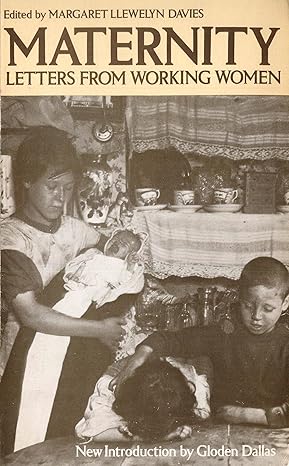
Ordinary women in 1916 fought to get good Maternity care. We can fight for it too

The Dark Side of American Health Insurance

Insurance is often proposed, most famously by right-wing parties, as a solution to the NHS’s recovery. Yet, the American healthcare system is roundly disliked by ordinary people in the USA. It also has the worst health system in the developed world, according to research conducted over many years by the American Commonwealth Fund.

We have lots of links to give more information, but the post can be read without following them.

In this blog post, we are focusing on the insurance aspect of US healthcare.

US Healthcare Insurance premiums alone cost about half of a starting salary to insure a family. (Many people pay insurance through their wages.)

Salaries in the USAIn ££   Cost of health insurance per year for a familySingle person health insurance family health private
insurance per month
Teacher
(starting salary)
$50,000£38,000$25,000$8,951$2,084
Bus driver
(starting salary)
$41,000£31,000 Approx$25,000$8,951$2,084

UK teachers start on £31,605 in 2025

The following are the most hated parts of that system:

Bankruptcy: Medical bills cause more bankruptcies than any other event.

Decide. The insurance company decides if you need the treatment, not you or your doctor.

Deductibles: This is the amount you have to pay before your insurance starts covering your costs. There are many payments patients have to make after they pay for the insurance premiums. “Deductibles are amounts patients pay before insurance starts covering expenses. Co-payments are fixed amounts paid for specific services, and co-insurance is a percentage of the cost the patient pays.” 

Co-pays: This is like an excess on your car insurance. It’s what you have to pay in addition to the insurance for each different incidence of illness or health protection event (check-ups etc.)

Denial. You can be denied care by your insurance.

Defend. The insurance companies fight you in court if you contest their decision. They have big legal teams and it can be cripplingly expensive fight them in court.

Debt. 100 million Americans have medical debt.

Die early. Americans die earlier than in other wealthy countries

Disrespect. Giving birth costs a fortune, and more women and babies die at birth than in the UK. “25% of all stillbirths in the US are preventable today.  47% of all stillbirths in the US at 37+ weeks are preventable today.” 

Fragmentation and complexity: There are many different kinds of health insurance, depending on how much you can pay. The more you pay, the better the service.

Medicines, even with insurance, cost too much, including essentials like  Insulin and EpiPens.

No Cover.Some people can’t afford insurance at all.These people pay for healthcare from their own savings if they have any, from go fund me appeals, charity or go without.

Waste. Healthcare costs the US government twice as much per person as the NHS costs in the UK, despite insurance, yet it has worse outcomes for patients.

The system makes billions for the big corporations and is designed for profit.

AI, artificial intelligence data is used by insurers to say when patients should be discharged, causing real hardship.

The average cost of childbirth in the USA in 2020 was  $13,383, with patients paying about $2,300 out of pocket in addition to the insurance

  •  Infant mortality in the US is a disgrace. The UK isn’t even in the top ten, but the US is worse again.”America’s infant mortality rate of six [per 1,000 live births] is nearly 70 per cent higher than the average rate of about three for the European Union countries. And a baby born in the United States is nearly three times as likely to die during their first year of life as a baby born in Iceland, Japan or Sweden
  • 2022 Infant Mortality Rate: 5.547 deaths per 1,000 live births. 
  • 2022 Maternal Mortality Rate: 22 deaths per 100,000 live births. 
  • Factors contributing to higher rates: The US has higher rates of infant mortality compared to other developed countries, with factors such as racial disparities and lack of access to healthcare.

The complexity of the US system is staggering and difficult for people to navigate. Healthcare calculations take a lot of people’s time and effort. This quote from a report to Congress shows some of the complexity.

Private health insurance is the predominant source of health insurance coverage in the United States and includes both group coverage (largely made up of employer-sponsored insurance) and direct-purchase coverage (which includes plans directly purchased from an insurer, both on the health insurance exchanges and outside of them). In 2023, an estimated 180 million individuals (54.7% of the U.S. population) and 46 million individuals (13.9% of the U.S population)were covered by group coverage and direct purchase coverage, respectively.

On top of the price paid by  ordinary people in the USA, the government then spends twice as much per person on healthcare as the UK government spends, so insurance is no answer to  those  who say, “We can’t afford the NHS”.

In 2023, the seven big for-profit U.S. health insurers’ revenues reached $1.39 trillion, with profits totalling $70 billion.Health insurance is run to make profit not provide care. The profits are enormous. United  Health reported net earnings of $420 billion per year.

The US system costs the US government more per person than the NHS costs the UK government, even though ordinary people pay a lot for their healthcare.

  • The federal government spent $1.9 trillion on health care programs and services in fiscal year (FY) 2024, 27% of all federal outlays in that year, and collectively the largest category of federal spending.
  • Forgone tax revenues to the federal government resulting from tax subsidies for employer-sponsored insurance coverage (ESI) and a portion of the Affordable Care Act (ACA) premium tax credits, together totalled $398 billion in FY 2024.
  • Over 80% of all federal support for health programs and services, including spending and tax subsidies, goes to programs that provide or subsidize health insurance coverage, with 36% going to Medicare, 25% going to Medicaid and CHIP, 17% going to employment-based health coverage, and 5% going to subsidies for Affordable Care Act (ACA) coverage.
  • In 2023, U.S. citizens collectively spent $4.9 trillion on healthcare, which is equivalent to $14,570 per person. Some of this money will be paid for patient care, some for profits, and 85% will be held in trust and invested by the insurance companies, which gives them even more financial clout than their published profits indicate .

Many in the USA call for a single-payer system. “Single-payer” describes the mechanism by which healthcare is paid for by a single public authority, not a private authority, nor a mix of both. In the USA, this would mean that the government paid everyone’s premiums, and it would be an improvement, but it is not the same as the NHS, which is more than a single-payer system.

The NHS, as it was founded, is much more than a single-payer system. The government, acting on behalf of all of us, pays for healthcare and provides it through a coordinated and integrated national system of hospitals, general practitioners (GPS), and primary care. Social care was once part of Government provision, but it was privatised under Thatcher.

From the Good Law Project

The same huge corporations that have inflicicted this damage on the health and well being of people of the United States, have been invited into the NHS including those who have been penalised in the US for their behaviours.

Centene began moving into the UK healthcare sector in 2017. In 2020 it acquired Circle Health and later AT Medics becoming the largest private provider of UK GP surgeries.

Corporate Watch uncovered that Centene and its subsidiaries have received at least £970 million in NHS contracts since 2013; £346m of this was part of a £1.57 billion COVID contract issued in 2020.

In the US, Centene is in the top ten companies with the highest penalties for government contract related offences, having paid over $1 billion dollars in fines for filing false claims.

This old cartoon from the very founding of the NHS shows that the original ideas are very strong.

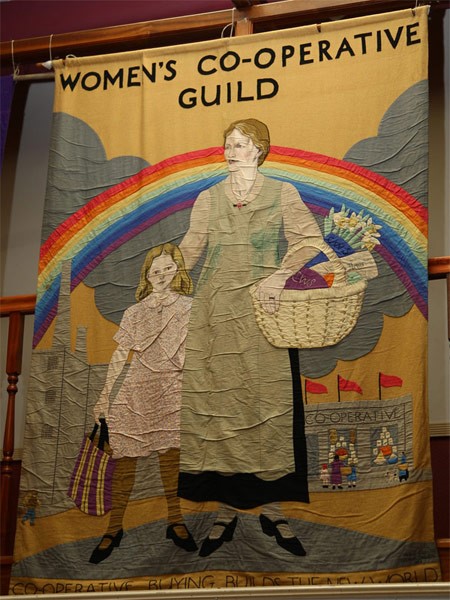
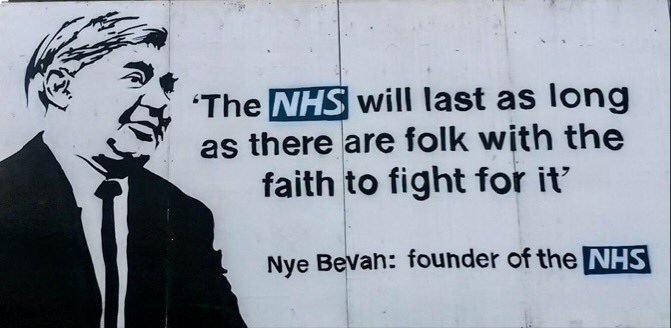
The miners who organised their own health service in some of the mining towns, the women’s organisations like the Cooperative Women’s Guild, and the socialist doctors in the 1930s who fought for health care for women and babies, all built the campaign for the NHS. It was Nye bevan who as the minister in the 1945 Government brought it into being and sustained it in its early years. It is well worth reading Bevan’s own thoughts on this matter reproduced here courtesy of Public Matters.

NHS was founded to provide:

Healthcare for all, free at the point of need (the previous government changed it to be no longer free for migrants).

A comprehensive, well coordinated national service (but the ICB system breaks that up).

Publicly provided, not for profit (Lots of profits are being taken now).

Education and long-term plans for the workforce (well, it did so some time ago, now, workforce issues are chaotic).

National terms and conditions of employment (unless it’s outsourced or in-sourced).

Focus on preventative medicine and public health. Public health has been cut by 26% since 2015/16, yet in this time of climate and environment crises, pandemic and, gross poverty and poor housing we need it more than ever.

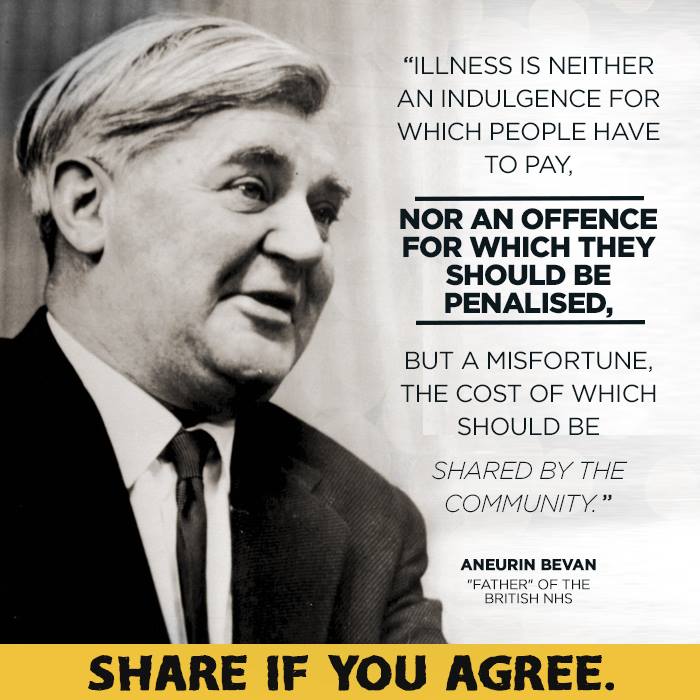
Bevan said, “The essence of a satisfactory health service is that the rich and the poor are treated alike, that poverty is not a disability, and wealth is not an advantage.”

This national system has been damaged by recent governments and is still being damaged by the current one. It has been damaged by bringing in huge for-profit corporations and small-scale privatisations, and by massive cuts and underfunding and understaffing. That’s why we are fighting to restore and repair the NHS. The campaigners decades ago succeeded in establishing the NHS. If we build a big enough movement, we can do the same again; no-one else will do it for us.

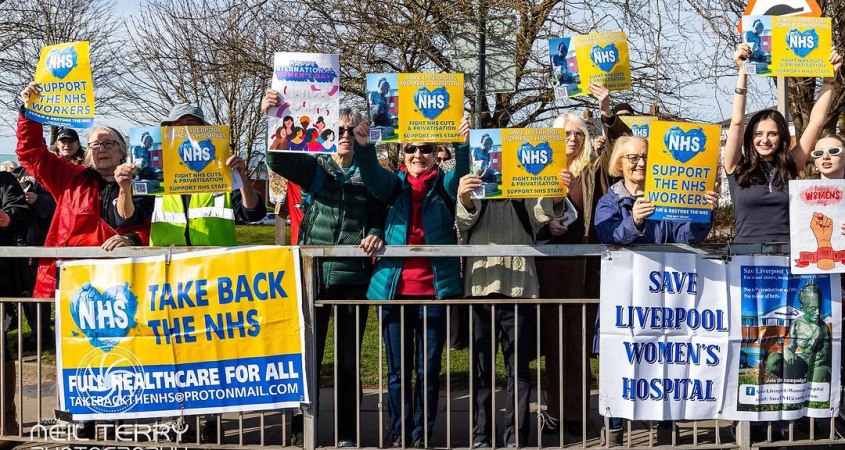
At the Save Liverpool Women’s Hospital demonstration in 2023

Defend Our NHS writes”The biggest US health insurance outfit is the notorious United Health of Minneapolis[i]. Simon Stevens, a previous vice-president of this monster (now with a seat in the House of Lords), designed and introduced the destructive ICS changes with the connivance of Jeremy Hunt and without parliamentary approval

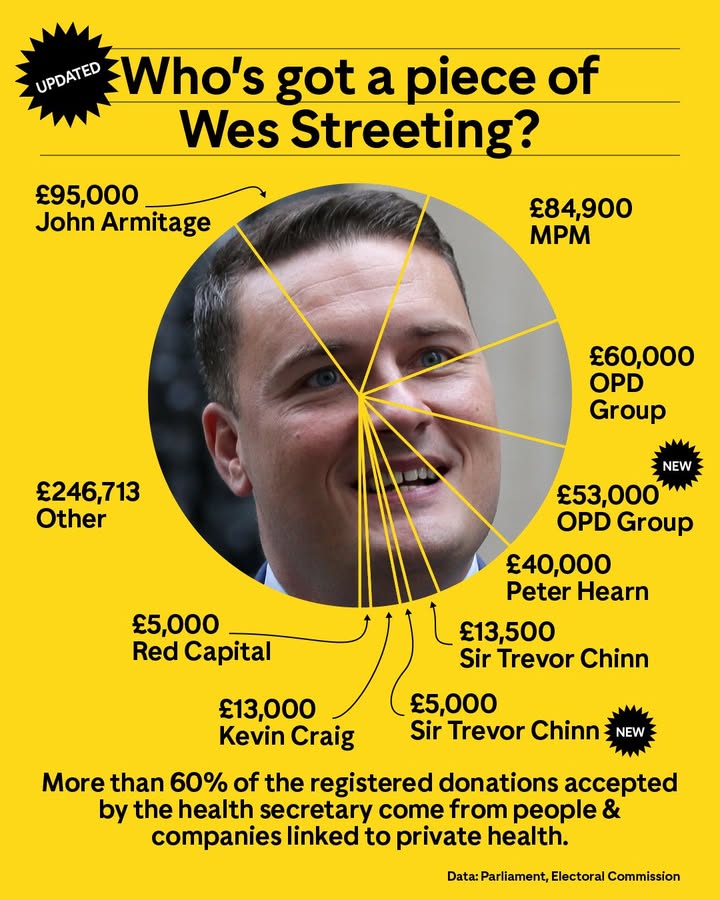
Wes Streeting has made Samantha Jones, (a key member of the American health privatisers’ boss class), the head of the Department of Health and Social Care. Under Streeting, the NHS has told the different Integrated Care Boards to hand over the foundations of our health information to Palantir and Peter Thiel, a Trumpcontroller“.

We want to restore and repair the NHS on its founding principles. In that form, it was the best in the world. Cuts and austerity have severely damaged the NHS, but it is still better than the US insurance system. We need to go back to Bevan. Our campaigns fight to Restore and Repair the NHS. Please join us.

Runcorn: Repair and Restore the NHS.

Picture Credit Steve Wright Flickr

Repair and Restore the NHS for Runcorn, Frodsham, Helsby, Elton and Guilden Sutton. (This is NHS campaigners’ contribution to the debate in the Runcorn By-election and wil be upated during the campaign).

The Runcorn By-election comes at a time of anger over the state of public services including health and education, anger at the Government leaving the NHS with inadequate resouces and thereby causing deaths and making cuts at the expense of the poorest in society and those who literally need most help.

Keep our NHS Public expresses the anger (here) of most who campaign to restore and repair the NHS.

We are calling for a movement to demand the restoration and repair of the NHS. Privatisation has been a disaster for patients, staff, and the government’s spending. (Privatisation, in this sense, is the NHS paying for-profit companies to do medical work that the NHS previously provided.It’s not just charging patients)

We want, and demand this, of all the parties.

A fully funded national NHS, a fully staffed NHS, maternity care that respects and keeps women and babies safe, with no more hospital closures, a full GP service, dentistry for everyone, healthcare that manages winter well without corridor care and “boarding in“, mental health care brought back into the NHS. We want an NHS that is a good place to work. We need a good universal social care system. We want rid of privatisation and want a retun to the orginal model of the NHS without the big corporations.

Good healthcare is an excellent investment in the nation, repaying the cost in health, wealth and happiness, and financially with at least £3 return for each £1 invested. Even the world bank says “Investing in a country’s healthcare system is a strategic move that yields significant economic and social benefits, fostering a healthier, more productive workforce and contributing to overall national development and prosperity.”

The NHS was founded in July 1948 to be a national universal public service, providing the best available health care to all UK people. It was not designed to make money for big health corporations but to improve the health of the people, which it did for decades.

This model of healthcare once made the NHS the best health service in the world, in 2014 and in 2017.

The NHS was far more economical and effective than the US model.The ICB’s brought in in 2022 Act are modelled on the US Accountable Care Organisations.

The US model of healthcare is unacceptable; never mind what right wing parties say.

The average annual health insurance premiums in 2024 are $8,951 for single coverage and $25,572 for family coverage. The average single coverage premium increased 6% in 2024 while the average family premium increased 7%. The average family premium has increased 24% since 2019 and 52% since 2014“.

In additon to what people in the USA pay for insurance and the many co-pays, the US government pays more per head of population than the UK does, with far worse outcomes, particularly for women and babies. Yet the US health corporations are influential in the semi-privatised NHS.

Over the last  15 years, this service has been damaged by  

  • Real-terms funding cuts,
  • privatisation,
  • enforced competition between hospital trusts,
  • damaging legislation (in 2012 and 2022), and reorganisation on the US model, all the time the governments are “advised” by big health corporations that preside over the worst healthcare in the advanced world in the USA.
  • The increasing poverty and ill health of the people.
  • The fabric of the hospital buildings has been neglected and we saw broken promises of new build hospitals.
  • Cuts in the number of  hospital beds
  • Poor workforce planning so we have fewer doctors per head of population than other advanced countries, yet we have unemployed GPs and hundreds of doctors facing unemployment in August.
  • Outsourcing of services,  
  • Services such as NHS dentistry are disappearing from many areas, and complex audiology is in severe trouble.
  • Commissioning medical services from private companies. 

We have 6.24 million individual patients waiting to be treated, yet doctors are out of work, there is corridor care in A & E, locally we have the longest waits for admission to a ward in the country after being admitted through the A&E, and long ambulance waiting times. All this with staff overworked and underpaid. Billions are paid to outsourced for profit providers especially in mental health  

We can win back the NHS

The NHS came from the people. They fought long and hard for it. From the miners of Tredegar, to the Women’s Cooperative Guild and many more, the fight for universal health care, was a long struggle. We must fight to win it back. Working class women played a big role in demanding healthcare and won some clinics but the demand was for care for everyone, from before birth to the grave and they did not stop till they won that health care. Our healthcare was never given to us by the rich. We had to fight for it.

Britain had appalling health care before World War 2. Trade Unions, especially in the mining towns, fought for healthcare for all in their areas. In some areas men were covered by workplace insurance (the panel), but not women or children. Even if a woman was employed and covered by insurance, maternity care was not included. The number of babies dying at birth was appalling, and women were more likely to die in childbirth than miners to die down the pit. Women’s groups fought for the right to health care for babies and women.

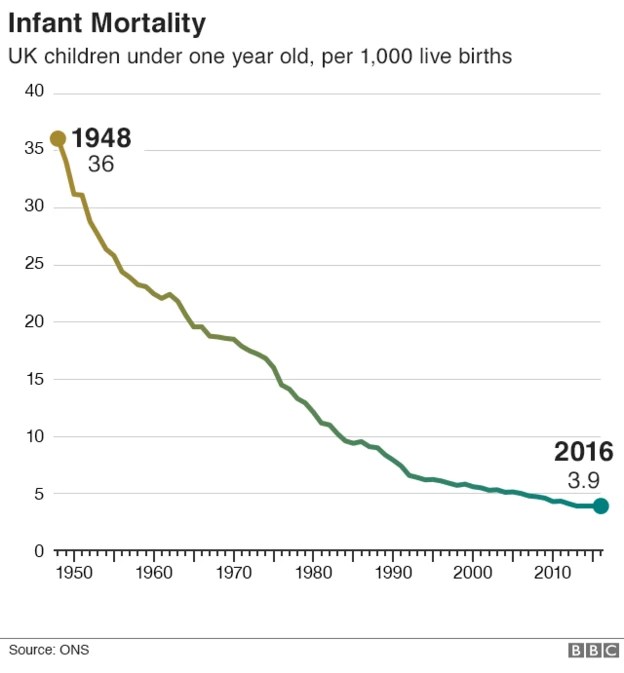
 On 5th July 1948, the NHS was founded and people could see the doctor even if they had no money; there was universal access to healthcare for the first time in the UK. The health of the nation, especially children and women giving birth, improved steadily until the governments brought in austerity.

This cartoon Charley your very good health, from the founding of the NHS is interesting even today.

Attribution-NonCommercial 4.0 International (CC BY-NC 4.0). Source: Wellcome Collection.

The National  Health Service linked all the different kinds of treatments, all the hospitals, all the  GPs and clinics into a single organisation that allowed information and research to be shared freely.

 Cheshire and Merseyside NHS coordinated campaigns are formed by Keep Our NHS Public, Defend Our NHS, Save Liverpool Women’s Hospital, local Trade Union Councils and some union branches. We call on the government to ditch their pro-privatisation policies, to fund the NHS to European levels,and to move legislation to reinstate the fully public NHS.

 Please tell candidates you want to see the NHS restored and repaired. We saw the damage the conservatives did.  Reform’s leader has called for an insurance model for years, and the new government has failed miserably in averting the terrible winter crisis and the Maternity crises.

Save Liverpool Women’s Hospital: A Call to Action

We want to save Liverpool Women’s Hospital. We ask for your help in saving it. We call on the tradition of women struggling for our rights for our families and our communities. We have seen how women can mobilise and make their voices heard. We call on men to support us.

( This blog post has many links as evidence, but the reader does not need to read each to understand the post.)

The Cheshire and Merseyside ICB (the body that currently controls the NHS in Cheshire and Merseyside) has published its report on the engagement process for the future of Liverpool Women’s Hospital. This report has no proposals but says further work will be done. The report does not accurately reflect what we saw happen in the engagement meetings nor the number of responses we know went into the engagement from those who want to keep  Liverpool Women’s Hospital,  nor does it adequately recognise our 77,000 petition signatures, giving it just a passing mention, nor does it recognise our detailed and referenced response. It ignores public meetings hosted by MPS. It’s as though this campaign doesn’t exist, as though no one has objected. We will post a detailed reply shortly.

Meanwhile, the severe issues with our NHS and the Maternity service continue. Austerity continues and continues to cost the lives of women and babies. The Labour Government is continuing with Austerity and cuts. It is not repairing the NHS, but rather further embedding US for-profit health companies and data companies, like Palantir, into the service.

Whisper, chat, or shout about it – whichever way – we need to talk about the NHS. Our NHS is underfunded and understaffed, and its wealth is diverted to private profit by decision, not by accident. Women and babies are at risk. Gynaecology services are inadequate. The UK has the second-highest maternal death rate among eight major European nations, with only Slovakia performing worse, according to an analysis published in the BMJ last year.

This blog focuses on women’s health, Maternity, and children’s health and well-being, and, because it’s unavoidable, the situation in Accident and Emergency services. There are many other areas of concern about what’s happening in the different parts of the NHS. All these issues touch on and affect each other. Stand up and speak out for the NHS. We send solidarity to all the NHS campaign groups.

Understaffing is caused by underfunding and unnecessary pressures at work, leading to staff resigning and even leaving the profession. In 2024, despite staff shortages, hospitals were expected to make 6% cuts. (CIPS). Liverpool Women’s Hospital has had too little funding for over a decade. There have been times when the Care Quality Commission have criticised the hospital. In 2023, the CQC said, “Not all staff felt respected, supported, and valued. However, they remained focused on the needs of patients receiving care. Some staff had raised concerns several times regarding safety and staffing directly to senior leaders; however, they saw no quick action or improvement. The CQC also said that “the trust must ensure they deploy sufficient, suitably qualified midwifery staff across all areas of the service. Regulation 18 (1).” The latest CQC report is much better. The rating is now good. We have been told that Liverpool Women’s is now fully staffed with midwives. We will follow up on this with the hospital to see how this tallies with the Channel 4 report on staffing.

Young women have mobilised in the past and will mobilise again.

We want the Maternity, Gynaecology, fertility, genetics and neonatal services to remain as a whole with the full team at Crown Street.

We want enough funding and staffing to improve the experience of birth and treatment at the hospital for women, babies, and staff. Seventy-seven thousand people have signed our petition, on paper and online. The petition is still growing. We campaign for improved Maternity services across the country. We say that Birthrate+ is not enough. We demand much better NHS staffing, especially in midwifery and neonatal care. Channel 4 has revealed the state of nurse and midwife staffing in the NHS and LS; staff are diverted for daily emergencies, breaking the minimum even within tight essential staffing levels.

The national picture for Maternity is cause for serious concern and should be cause for action from any serious politician, any concerned woman. The BMJ said, “The number of women dying in the UK during or soon after pregnancy has increased to levels not seen since 2003-05, latest figures show

MBRRACE reported in 2024, “There was a statistically significant increase in the overall maternal death rate in the UK between 2017-19 and 2020-22. This increase remained statistically significant when deaths due to COVID-19 were excluded, which suggests a concerning trend independent of COVID-19 specific deaths.

In 2020-22 there were 13.41 deaths in every 100 000 maternities,1 significantly higher than the maternal death rate of 8.79 deaths per 100 000 in 2017-19 and similar to 2003-05 (13.95 per 100 000). The CQC inspected all the Maternity services across the country.

The safety of Maternity services remains a key concern, with no services inspected as part of our inspection programme rated as outstanding for being safe. Almost half (47%) were rated as requires improvement for the safe key question, while 35% were rated as good and 18% were rated as inadequate. Where we had the most concerns, we used our enforcement powers to require trusts to make significant improvements to protect people from risk of harm.

Channel 4 figures show that while the Liverpool Royal is short of 4% of nurses in all wards and 17% in Critical Care, Liverpool Women’s is short of 20%, which is equivalent to being short one nurse in every five. and 17% of midwives. Aintree is short 18% of nurses and 10% in critical care. Alder Hey Hospital is short 30% of neonatal nurses. The trust must ensure that it deploys sufficient, suitably qualified midwifery staff across all areas of the service.
Regulation 18 (1)

As members of the public, campaigners attended board meetings and have never seen this staffing problem made clear in the papers. However, until the merger with the Royal Aintree and Broadgreen, fill rates for the different wards were reported in the board papers. This item of reporting must be reinstated in the new board papers. We have been told that Liverpool Women’s is fully staffed with midwives. We will follow up with the hospital.

The meeting about the hospital’s future.

The process underway to decide what happens to Maternity, Gynaecology, Neonatal services, fertility and genetics in Liverpool formally started in 2024 with “engagement” with the public. When the NHS makes significant changes to NHS services, the Integrated Care Board ( the current decision makers for the NHS in Cheshire and Merseyside) have to go through an engagement process, which they have done, then report on the engagement process and get permission from the board to proceed to put their plans to the public in a Consultation process. This engagement report will be received at the next ICB. The next ICB meeting is due to happen on March 27th, 2025, at the Events Hall, The Heath Business and Technical Park, Runcorn, WA7 4QX, from 9 am. The first half hour is to answer public questions.

This meeting with Ian Byrne MP voted 100% to save Liverpool Women’s Hospital.

Women and Children

Let’s build a movement to defend and improve Maternity services, fertility services, control over our fertility, and demand better healthcare for women.

Why? In the 20th century, women fought long and hard for safety in giving birth for mothers and babies, but now things are going backwards. Maternity units have been closed, and are being closed. There is a severe shortage of midwives, and no effective workforce plan is in place to address the problem. There are thousands of women out there who have midwifery training and have given up, either too broke, too tired, too fed up or outraged at the conditions for the women they care for. Both Infant and maternal mortality have risen significantly during Austerity, while governments have been cutting services, starving the NHS of vital resources and letting poverty soar. But never mind the women and kids; the rich have been doing very well.

Build a movement demanding better health and healthcare for our children, whose health is suffering.

the rise in infant mortality means that UK is now ranked 30 out of 49 OECD countries – well behind other European countries except Bulgaria, Romania and Slovakia.”

Research shows that about 4-5% of women develop post-traumatic stress disorder (PTSD) after giving birth – equivalent to approximately 25,000-30,000 women every year in the UK. Studies have also found that a much larger number of women – as many as one in three – find some aspects of their birth experience traumatic.

“Investing in the early years is one of the most important things we can do as a society to build a better future and promote the nation’s health, well-being and prosperity. There is clear evidence that such investment will be cost-effective in enabling future adults to live long and productive lives.” 

People Power can save the NHS if we make the politicians listen. Things start to change when ordinary people make time to speak to each other, including their unions, workmates and colleagues, other mothers at the school gates, families, their organisations, clubs, and elected representatives. Women have fought back since the Suffragettes, the Match Girls, the women of Fords in Speke, when they fought for equal pay, since the fight for abortion rights, and the many, many times women have fought for good Maternity care.

Myth Buster: plans for Liverpool Women’s Hospital 2025

Save Liverpool Women’s Hospital. Myth Busters Spring 2025

Myth 1. “There is no threat to Liverpool Women’s Hospital.”

Evidence of the threat.

When the ICB (the lead organisation in the NHS in Cheshire and Merseyside ) was formed, the future of Liverpool Women’s Hospital was one of its first pieces of work (see page 18.) It commissioned private consultancy  Carnal Farrar to create a report. This report went to the ICB in January 2023. The action from this report was to enter the first stage of engaging with the public about the hospital’s future. Their case for change can be seen here. https://www.cheshireandmerseyside.nhs.uk/media/so2bbinw/case-for-change-nhs-cm-eo-mtg-091024-presentation.pdf. The report and the engagement were expensive.

 Myth 2

“There will be a new building  for Liverpool Women’s Hospital at Liverpool Royal.”

Contrary evidence

There is no new building planned. Many urgently needed hospital building projects have been postponed for years. The current plans for the area to be cleared by demolition is earmarked for an Academic Health Sciences  Campus from the University of Liverpool.

liverpool.ac.uk/health-innovation-liverpool/academic-health-sciences-campus/#:~:text=A%20catalyst%20for%20innovation%20in,into%20real-world%20health%20solutions.

“The new plans for the last wave of identified new hospital building schemes in wave 3 are expected to begin construction between 2035 and 2039. There are no identified and accepted plans for a new Liverpool Women’s Hospital, so if one were agreed on current policies, it would not arrive before the 2040s.

Leeds Children’s Hospital closed, and services were dispersed to five different hospitals on the promise of a new hospital. That was then downgraded to a wing of a new hospital and now has no promise at all. That new build has not happened and isn’t in the new list of hospitals to be built.

Let’s be aware of that example and save what we have: a good building that is nearly 30 years old on a good site with a good team.

Myth 3

Liverpool Women’s Hospital will move to Liverpool Royal Hospital.”

There is no room in the Royal for 7,000 babies and 50,000 gynaecology and other appointments.

There is no room for the Neonatal Intensive Care Unit ( NICU).

At Liverpool Women’s Hospital, each year we deliver approximately 7,500 babies, carry out around 50,000 gynaecological inpatient and outpatient procedures, care for over 1,000 poorly and premature newborns, perform around 1,000 IVF cycles, and conduct over 4,000  genetic appointments.

If there is room at the Royal and other sections of the Liverpool University Hospitals’ Group, why on earth was corridor care so bad each of the last winters?

Myth 4

The hospital is dangerous.

There is no evidence of these “dangers” in recent Care Quality Commission reports nor in serious incidents reported in board papers related directly to the need for transfers. There were problems, hopefully now resolved, about overnight consultant presence, the need for better access to blood products, and the need for a medical team aimed at deteriorating patients. There are ongoing problems with delayed induction of labour, as there are in other hospitals. This is caused by poor levels of staffing and inadequate workforce planning nationally. It also reflects the increase in C-sections

The hospital recently passed all requirements for the  Maternity Incentive Scheme. Those hospitals which pass all 10 safety requirements get a refund of some of the premiums they pay for this service. Liverpool Women’s Hospital is one of the few who get this refund.

The Maternity service in the UK is underfunded, understaffed and in trouble. 

The many scandals have not been attributed to “isolated” sites, but women travelling for hours to get to a Maternity hospital have caused problems. Hospital boards not giving due care to Maternity has been an issue nationally in these historic and ongoing problems.

There have been problems at Liverpool Women’s Hospital with understaffing on the Maternity ward in the past, but not related to “isolation” but to the gross underfunding of Maternity nationally. Being the largest Maternity provider, this underfunding hits Liverpool Women’s Hospital extremely hard.

In the March 2025 board papers on page 107 they report “Risk that the Trust cannot achieve long term financial sustainability and therefore resulting in the inability to continue activities of the Trust and deliver organisational strategy, due to: Inability to address underlying causes of structural deficit (isolated site, economies of scale, Maternity tariff). Risk that the national approach to contracting, tariff, and productivity through the 25/26 planning round will have an adverse impact on the Trust’s plan

Myth 5

The Liverpool Women’s is uniquely  dangerous because women are sometimes transferred in or out of the hospital to or from other hospitals.”

Response. Liverpool Women’s Hospital is a mile down a straight road to Liverpool Royal. Hospital transfers are often unpleasant but the safest option. Transfers should be minimised but will never be totally avoided. Approximately 20,00 -25,000 critical care transfers are performed within the NHS each year. It seems obvious that hospitals should work cooperatively and plan to minimise hospital transfers. However, the 2012 Health and Care Act and the Trust system made each hospital a separate entity, expected to compete. Those laws have changed, partly because the pandemic forced cooperation.

 Myth 6

“The Liverpool Women’s lacks an Intensive care unit.”

Answer

Liverpool Women’s Hospital has level 2  intensive care. / According to the engagement meetings, there is insufficient demand at Liverpool Women’s to have a full level 3 unit, so women are transferred to the Royal, Aintree, or, if they are full, to another hospital.

 Myth 7

“There are no published plans to close Liverpool Women’s Hospital.”

Accurate; no published plans, however

There are no “Plans” as such. However, throughout the “engagement”, the ICB spokespersons said that Obstetrics and Gynaecology must be co-located with an acute hospital. The case for change is made without any actual alternatives presented. The purpose of the exercise is to convince people that change is needed. They said at the Engagement meetings that the NHS will still use the Crown Street site but not necessarily for Maternity and women’s health. The actual plans will appear when the ICB accepts their Engagement Report. Plans are to be published according to the timetable presented at the ICB.

However, the Liverpool Women’s Hospital Trust  Board no longer meets. It has given its powers to the Liverpool  University Hospitals Group, a major step towards a merger. To our knowledge, no one on the  Liverpool University Hospitals Group Board has qualifications and experience in Maternity or Obstetrics. It was the neglect of Obstetrics and Maternity care by the board at Shrewsbury which was fundamental to the Shrewsbury baby deaths.

What does the Save Liverpool Women’s Hospital Campaign want?

Women having babies have the right to excellent antenatal care. When giving birth, we need to keep our own agency, we need calm, and we need a good place to give birth, with well-rested, professionally qualified staff available to be with us to help in a timely fashion. Women and babies have a right to good restful care immediately after giving birth, with expert help in infant feeding and support with concerns. Mother and baby need speedy access to support in the early weeks and months.

That is good Maternity care. That is what we fight for.

Women’s health needs to be given fair treatment. The waiting lists for gynaecology treatment were the subject of a parliamentary report, which described the situation as medical misogyny. We think it is better described as political misogyny. The politicians decided that their cuts were more important than our health. Report after report has described the crisis in Maternity, like the report that described medical misogyny, and that on Birth Trauma were produced in Parliament. The politicians know, or should know if they read their own reports, what is happening. The restructuring of our health care on the US model is ongoing and must be resisted.

Spring brings new life to the fight for Liverpool Women’s Hospital

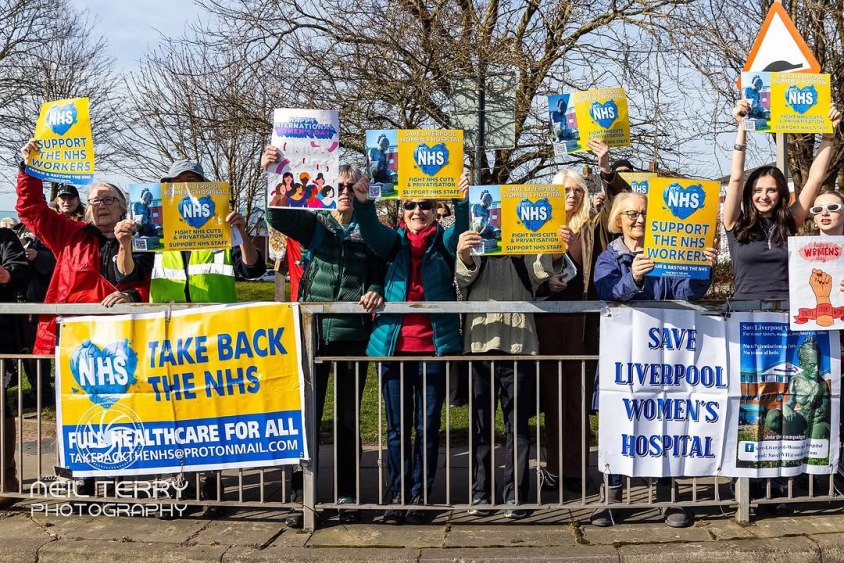
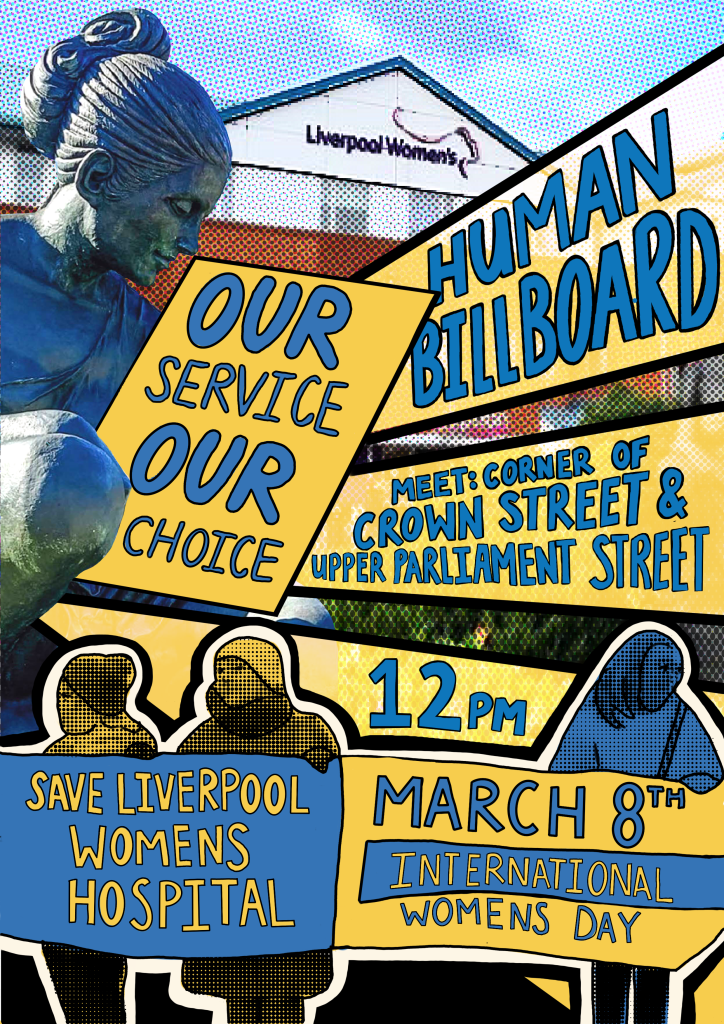
Our next event is the ‘Human Billboard’ on International Women’s Day (March 8th). Please do come if you can. Commercial services can buy space on the many billboards around the city. We don’t have that money, so we thought it would be good to have supporters holding up banners on International Women’s Day, on the pavement outside Liverpool Women’s Hospital on the junction of Crown Street and Parliament Street. If you would like to come, make your own banner or hold one of the printed ones. Traditionally, International Women’s Day is celebrated with Bread and Roses, so feel free to bring flowers, cakes and dates. Some gentler music would be good too.

Then, on March 13th, everyone is invited to a citizen’s assembly called by Ian Byrne MP on the issue of the future of the Liverpool Women’s Hospital, at the Joseph Lappin Centre, Mill Lane, Old Swan, Liverpool. Again, the ICB will be invited, as will our campaign.

We await the next stage in the plans for Liverpool Women’s Hospital. Maternity services across the country have been severely damaged, and we campaign, with other Maternity campaigns, for a Maternity service fully staffed with properly qualified staff and much better outcomes for all mothers and babies. We are keeping a record of the reports on the problems in Maternity here. We are angry to see the greater risks to poor, Black, and Asian babies born in the NHS and the greater risk to poor, Black, and Asian mothers, and we make our call for better services and active anti-racism in their name, too.

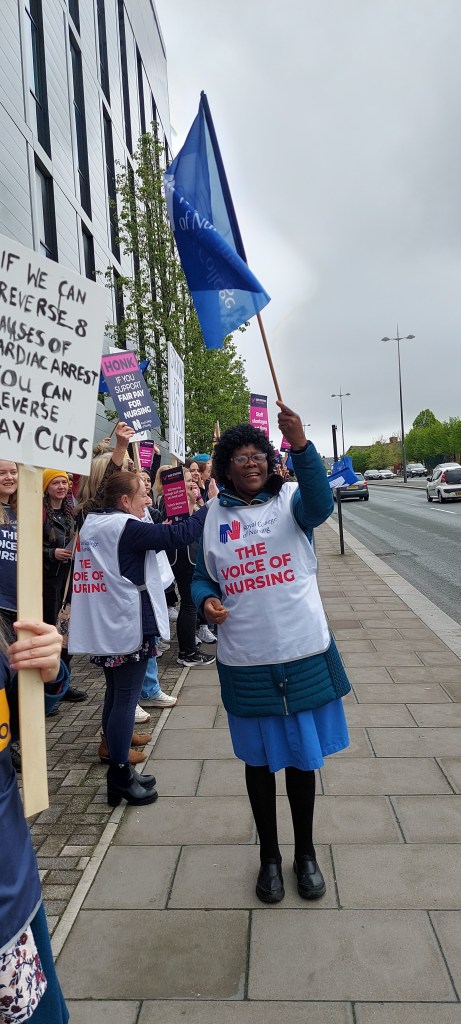
We are forever grateful to the women and men who work in our healthcare, holding our lives and our bodies in their hands and working in unnecessarily tough conditions; a key demand of our campaign is to make the NHS a great place to work. Never a week goes by without our campaign getting messages saying how wonderful NHS staff have been that week and how tough the situations have been in the hospitals. We all deserve better. We supported the health workers’ picket lines and will continue that support in the future.

Only the very best for our babies, no ifs no buts.

Overworked staff cannot possibly provide the very best treatment. Birth trauma for mothers is a very real problem. Liverpool Women’s Hospital is one of very few Maternity units that has the approved level of staffing, but no one is fool enough to say that the current birth rate+ level is a desirable staffing level, it’s a minimum level. Our mothers and our babies deserve the very best. At present our service is not as good as other advanced European nations.

Gynaecology has also been badly damaged by years of cuts. This report was produced for Parliament. The situation is well-known and must be addressed.

Investing in healthcare has a huge return for the health and wealth of the country. It’s also a moral necessity. Paying millions to big companies and cronies is not necessary. Consultancies have bagged £600million just to advise on building new hospitals. £600 million would provide 1,000 more midwives for at least 6 years. The HSJ also reported this week that “Alan Milburn, the Department of Health and Social Care’s lead non-executive director, is a shareholder in and adviser to Bridgepoint  HSJ. Practice Plus Group is owned by Bridgepoint Group, a FTSE 250 Index private equity company managing assets of €67bn (£55.5bn). In 2019 it set up PPG from the healthcare division of Care UK. Bridgepoint last year sold Care UK, whose main business is residential social care.

The funding for Maternity is a disgrace nationally. The service spends more on compensation claims than on the whole service nationally. There is also a report to Parliament here. Our babies matter, and they should have excellent services.

The next stage in the current plans for the hospital, from the Integrated Care Board, should be reported to the ICB in March or April. The next meeting of the ICB is in Runcorn: 27 March 2025, 9.00 am to 12.30pm Location: The Events Hall, The Heath Business and Technical Park, Runcorn, WA7 4QX

The public can ask questions in the first half hour of the meeting, and listen to the rest of the meeting. We would have hoped that if the report from the engagement was to be reported, the meeting would have been held in Liverpool.

A major change of service in the NHS should have these stages:

Stage one is Public Engagement, and a report back to the ICB from the public engagement process. Technically, this stage was from October to November, but it seems to be carrying on. Then, the report produced at an estimated cost of £24,000 by a company that did not attend the public meetings nor the ICB board (to our knowledge) goes to the ICB. If the report is accepted more formal plans will be produced and go to formal public consultation.

Save Liverpool Women’s Hospital has produced a formal, detailed, and referenced rebuttal of the Case For Change produced by the ICB. Our rebuttal can be found on this blog, or we can send it on request as either a PDF or paper copy.

We held a public meeting chaired by the local MP Kim Johnson, attended by almost 100 people. We will be posting extracts from that meeting in a different post. We invited the ICB to send a speaker to that meeting, but they declined. Had they attended, they would have spoken to more people than attended all the public engagement’s so-called public meetings combined.

We have distributed many leaflets and held stalls in the street.

Please also see our new post on Myth Busting about the situation with the plans for Liverpool Women’s Hospital.

Bread and Roses
This was our 2023 International women’s day poster, and still a favourite at at our stall.

February update on the plans for Liverpool Women’s Hospital.

The ICB, the lead body for the NHS in Cheshire and Merseyside, began a process towards significant change for Liverpool Women’s Hospital last year. It was formally announced in the autumn, and action got underway in October and November, with what they called an Engagement exercise. Their latest meeting was on January 30th. You can find all the papers we quote from the meeting here. There is also a long video.

Many people cannot understand how anyone could tamper with Liverpool Women’s Hospital. Some simply don’t believe that it is happening. We want to ensure that people can check what we post about the ICB against their own material. Quotes from their papers will be in blue.

There is no money for a significant improvement, let alone a new build, or for alteration of buildings in the existing hospitals. There is famously no room at the Royal, and given the winter crisis with trolley care at Aintree, no room there either. Any other site would be further away from the highest levels of intensive care than the current Liverpool Women’s Hospital site on Crown Street.

It is not possible to separate the fight for better Maternity care, better outcomes for babies, and better gynaecology and fertility care, from the overall privatisation, Americanisation, underfunding, understaffing and neglect of buildings in the NHS. Our campaign is part of a national fight back to Restore and Repair the NHS.

Leeds campaigners out in force.

What happened at the ICB meeting in January? During the “engagement” process in the autumn, the ICB presenters of their Case for Change stressed repeatedly that they wanted women’s services colocated in an acute general hospital, but that they did not yet have a plan as to how this would happen, or where our babies would be born. They insisted the Crown Street site did not meet national regulations. We have challenged this in detail here.

The issue of the future of Liverpool Women’s Hospital is managed by the ICB’s Women’s Hospital Services in Liverpool Committee.

The Steps which are already taken towards their Case for Change.

Liverpool Women’s Hospital management was moved into a group with the Royal, Aintree, and Broadgreen, which was agreed upon at the ICB. How such a crucial change can happen without public consultation baffles us. We can find no legislation that permits this, but we will continue to look. There was legislation about the reorganisation of hospitals into Trusts. Trusts still legally exist, but they have delegated their powers over finance and staffing to the Group in Liverpool.

“Liverpool Clinical Services Review – Liverpool University Hospitals Foundation Trust and Liverpool Women’s FT come together as University Hospitals of Liverpool Group from November 1st. This will streamline decision-making and develop further collaboration opportunities in terms of service quality, access, workforce capacity and finance. Plans for other acute and specialist trusts to join a group structure, retaining their status as separate Trusts, are in development. “

Plans for the future of Liverpool Women’s Hospital are discussed at a subcommittee held in private, and their reports then come to the meeting held in public. At January’s meeting, it was reported that;

Phase 2 Programme Plan The next stage summary programme plan – from January – December 2025 – was presented to the Committee. The plan set out the timescales and milestones for agreeing the model of care, managing the options appraisal process and developing any business cases. The Committee approved the phase 2 programme plan.

and

Women’s services in Liverpool programme case for change approved by ICB board and formal public engagement started on October 15th. In parallel work will begin on the design phase and development of a clinical model at a Clinical Reference group meeting in December 2024. A Lived Experience Panel has been established to support the programme.

The  (sub-committee) considered the following at its meeting in November 2024: Programme Update. This included: • Finalising the case for change and briefing councils and MPs prior to publication. • Planning and delivering the public engagement for the case for change. • Progress on delivering clinical improvements at LWFT. • Refreshing the counterfactual case. • Planning for the clinical engagement event in December.

design phase and development of a clinical model” This phrase presumably is when they will decide where our babies will be born and where Gyny and the NICU will be based.

The report on the engagement meetings did not reflect the experience of many people who attended them. Before writin g this we checked with a dozen people who attended. Our campaign told people about these poorly advertised meetings, and we were the majority of the (few) people who attended. The in-person meetings were held during the day when people at work could not participate. There was only one evening meeting. We objected to how notes were kept at these meetings and that there was no recording. The overall response from the public was ‘NO!’ to their case for change. The report given at the ICB meeting said:

Communications and Engagement Update
The Committee received feedback on the 6 week public engagement period which completed the day before the meeting.

The engagement process and products included face-to-face and online engagement events, a dedicated website, and a public facing version of the case for change (including an easy read version). Voluntary sector organisations were also commissioned to support the engagement with harder to reach groups and communities.

Feedback on the case for change was collected via a questionnaire (online, printed, and available in an easy-to-read format). This was also translated into 16 languages. An independent organisation, Hood and Woolf, has been commissioned to complete the analysis of the questionnaires; the Committee will receive the report of the analysis at its next meeting.

The engagement events proved to be challenging, with some individuals dominating the sessions. More resources are likely to be needed for effective engagement activities in the future to ensure all attendees can have a voice.

The plan for where the women’s services will go is not ready, and they don’t have the money for buildings or to fund significant change, but they intend to continue even in these circumstances.

Quotes about the finance for the Case for Change

The C&M system is already financially challenged, and therefore the risk score reflects that new expenditure and investment may not be possible in the current financial climate; this is as much about the wider availability of public sector capital as the C&M situation

and in more detail here

WSC3 – Failure to secure the required financial resources for the transformation of women’s hospital services in Liverpool, combined with revenue implications, will negatively impact on the successful delivery of proposals, currently rated as extreme (16). The C&M system is already financially challenged and therefore the risk score reflects that new expenditure and investment may not be possible in the current financial climate; this is as much about the wider availability of public sector capital as the C&M situation. A Finance and Estates Group is due to be established in January 2025 (as part of the emerging Programme governance and reporting arrangements). Further actions include baseline mapping to support the design phase and finance and estates modelling to support the options development – the latter action has a longer-term timescale of January – June 2025.

Date of next meeting: the Women’s Hospital Services in Liverpool Committee March 19th 2025

After the public meeting chaired by Kim Johnson MP on January 31st, with more people (around 100) in attendance than in the whole of the ICB “engagement” events in the autumn, we have been invited to a citizen’s assembly to be chaired by Ian Byrne MP for West Derby.

Other vital issues were discussed at the ICB meeting in January, including finance and the winter crisis. We will report on these in another blog post.

There is a lobby of parliament about the NHS. If you could go, please get in touch.

What does the Campaign to Save Liverpool Women’s Hospital want?

This is what we fight for!

Women having babies have the right to excellent antenatal care.

When giving birth, we need to keep our own agency, we need calm, and we need a good place to give birth, with well-rested, well-qualified staff available to be with us to help in a timely fashion.

Women and babies have a right to good restful care immediately after giving birth, with expert help in infant feeding and support with concerns. Mother and baby need speedy access to support in the early weeks and months in issues to do with physical and mental health.

That’s good Maternity care.

Next steps to Save Liverpool Women’s Hospital

We are planning a ‘Human Billboard’ – bring your own poster if you can -event outside Liverpool Women’s Hospital on March 8th at noon. Save the date.

We can do it!

We are collecting your stories about your experience with Liverpool Women’s Hospital. Please do get in touch.

We will be planning other public meetings around the city, holding stalls and leafletting events. We will continue to follow the meetings both at the ICB and at the Hospital Group.

Please invite us to any meetings you might be organising in the community, in your union or political party.

We need your help, and we need the money to pay for all of this. Please donate through Paypal or send cheques to Save Liverpool Women’s Hospital Campaign c/o News from Nowhere 96 Bold Street Liverpool l1 4HY

https://www.paypal.com/donate/?hosted_button_id=SVSL9LVZYJQ32

Happy Valentine’s Day to the NHS staff who do such wonderful work

This is link to the recoding of the public meeting  chaired by Kim Johnson on 31st January

https://www.unionsafety.eu/docs/HSNewsItems%202025/February/SaveLiverpoolWomensHospitalCampaignGroupContinuesIts10YearFightAgainstClosureOfEnglandsOnlyDedicatedMaternityHospital.html

Our Response to “Gynaecology and Maternity services in Liverpool-Case for Change 2024”

Response to the 2024 document: “Gynaecology and Maternity Hospital Services in Liverpool – Case for Change”
Contributors Sheila Altés (Lead author), Felicity Dowling, Greg Dropkin, Rebecca Smythe.Thanks to Jim Hollinshead and Dave Pedder for their input.Published by Save Liverpool Women’s Hospital Campaign C/O News from Nowhere 96, Bold Street Liverpool L1 4HY
(Postal address only)
email savelwh@outlook.com

INTRODUCTION


The Women’s Hospital Services in Liverpool (WHSIL) programme was set up by NHS Cheshire and Merseyside Integrated Care Board (ICB) in January 2024, following a review of the way clinical services were organised across the Liverpool area (Liverpool Clinical Services Review January 2023). Its primary purpose was to: “Develop a clinically sustainable model of care for hospital-based maternity and gynaecology services that are delivered in Liverpool”

They concluded that the way hospital-based maternity and gynaecology services are currently organised did not provide women with the best possible care and experience.   At a clinical engagement event in May 2024, a Clinical Reference Group was formed to review an earlier case for change. On the 9th of October 2024, this review was then presented to the ICB for approval at an Extraordinary Board Meeting – Women’s Services in Liverpool.   The threat to re-locate Liverpool Women’s Hospital (LWH) surfaced once again.

 BACKGROUND

Discussions to close LWH at its present site on Crown Street and re-locate to a smaller new building adjacent to one of the general hospitals in Liverpool began in 2015.

The emergence of austerity as the driving political ideology and with cutbacks in funding for the NHS meant that the Liverpool Clinical Commissioning Group (LCCG) had to close one of its hospitals. The Women’s Hospital, although less than 20 years old at the time and being massively underfunded, became a candidate. The then Chair of the LCCG announced, on a BBC Panorama programme, that Liverpool had too many hospitals and one had to close. The following day it was published in the Liverpool Echo that the chosen hospital was the Women’s Hospital (15 March 2015).

At that time the Five Year Forward View (later re-launched as the Long Term Plan) was published and the Naylor Review was commissioned.

Briefly, the Five Year Forward View was to make efficiency savings (cuts) by moving some hospital services to community care, which was deemed cheaper. Bed closures ensued and secondary care capacity reduced. However, resources were not invested into the community and social care services; this resulted in waiting lists for elective surgery increasing and longer stays in hospital for patients waiting for social care placements. Following the Health and Social Care Act (2012), the number of contracts awarded to private providers increased and lucrative contracts were awarded to private hospitals to carry out NHS-funded procedures in an attempt to bring down the waiting list (The King’s Fund 2021). This was a situation beneficial to private hospitals. They cherry-picked the most low risk uncomplicated procedures, leaving the more complex cases to the NHS. If complications occurred the NHS provided a safety net, as any patient needing critical care was transferred to an NHS facility. Compensation claims were also left for the NHS to pick up as they had outsourced the care to a private provider (Centre for Health and Public Interest 2014), The COVID pandemic exacerbated the waiting lists, this has led to an increase in the private health care insurance industry and an increase in patients paying for their own health care (British Medical Association 2024). But that was always the plan. 

The Naylor Review, published in 2017, outlined how profits could be made from selling off NHS land and buildings. Its findings were in line with the requirements set out in the Sustainability and Transformation Plans (STPs) which were introduced in December 2015, to fast forward NHS England’s Five Year Forward View. Eventually, STPs evolved into what we have today, an Integrated Care System managed by an Integrated Care Board (ICB). This is a statutory body responsible for planning and funding NHS services over a large area. In this instance, the area is Cheshire and Merseyside, one of 42 such areas.

The Naylor Review, however, could only sell NHS land or close NHS buildings if there was a clinical reason for deeming them unsafe and “not fit for purpose”. And so began the construction of a clinical case for change at the Women’s and to re-locate it from its valuable Crown Street site.

The LCCG put forward several clinical arguments to strengthen their evidence for re-locating LWH:

  • Lack of adult critical care on–site
  • Patient transfers between hospitals
  • Inability to support women with complex health needs
  • Inadequate space for current neonatal facility
  • Unavailability of haematology/pathology services.

They then published a Pre-Consultation Business Case (PCBC, 2017) that set out several options for the re-location of LWH. Their preferred option was to build a new hospital at the site of the new Royal Hospital, and, connected to the new Royal by a link bridge. The plans were presented to the North West Clinical Senate for review. They declared it a suboptimal solution and only viable as a short-term solution because it was not co-located with children’s services. However, the Carillion debacle, and subsequent delay in completing the new Royal Hospital, the COVID pandemic, underfunding and reorganising of the NHS, and public opposition, forced these plans to be shelved until recently.

CLINICAL CASE FOR CHANGE 2024


There have been many improvements to enhance the quality of women’s hospital services in Liverpool. Many of these correspond to suggestions set out in The Alternative Clinical Case printed by Save Liverpool Women’s Hospital Campaign (Save Liverpool Women’s Hospital Campaign/Keep Our NHS Public Merseyside, 2017). Transfers between hospitals have been greatly reduced following the construction of a Community Diagnostic Centre. CT scans and MRI scans can now be carried out on-site. Plans to establish a 24/7 Blood Transfusion laboratory at the Women’s are underway, working in conjunction with Liverpool Clinical Laboratories. The care of pregnant women with complex needs is planned at many of the outpatient clinics at LWH. They are seen by a consultant obstetrician and a consultant of the relevant specialism to plan their care. A medical emergency team is being recruited. Joint multidisciplinary teams manage gynaecology patients with complex needs and there are joint operating lists on both the LWH and the Royal Hospital sites. A £10,000,000 development of gynaecology day cases is currently underway at the Crown Street site.
The neonatal unit has been refurbished and extended to the cost of £15,000,000+. The hospital also has a new, state-of-the-art fetal medicine unit. Despite these and many other improvements at LWH, the ICB is intent on relocating LWH. Their Case for Change has identified 5 clinical risks which it states need to be resolved.

CLINICAL RISKS IDENTIFIED IN THE CASE FOR CHANGE

RISK 01

Acutely deteriorating women cannot be managed on site at Crown Street reliably which has resulted in adverse consequences and harm.

They state: This risk is caused by a lack of a range of services and specialist staff e.g. critical care, medical and surgical specialties, 24/7 blood transfusion labs.

Potential impacts include untimely transfers to other sites, delays to care and treatment, poorer outcomes, patient harm and death.

At present there is not an Intensive Care Unit (ICU) available at Crown Street, there is a high dependency unit (HDU) and staff working on the gynaecology HDU have undertaken training for critical care (LWH 2024a). The Cheshire and Merseyside Critical Care Network (CMCCN) has stated that providing an ICU at LWH would not meet national standards due to the “geographical and specialist nature of LWH”. At the public engagement meeting held on 20th November 2024 a member of the ICB agreed that an ICU at the Crown Street site would not be sustainable due to “low levels of activity”. In other words, so few women have needed intensive care that an ICU would not be feasible.

The Case for Change argues that LWH needs to be at the same site as an Intensive Care Unit. In the Case for Change review, they reference:

  1. National standards for emergency care
  2. Current clinical guidelines and recommendations
  3. Core standards for Intensive Care Units.

They conclude that these recommendations state maternity and gynaecology need to be on the same site as an ICU. This is gross misrepresentation of these guidelines, they do not state that. The Core Standards for Intensive Care Units (2013) state that it is preferable to have an intensive care unit on site but units without such provision must have an arrangement with a nominated level 3 CCU and an agreed protocol for the stabilisation and safe transfer of patients to this unit when required. The RLUH is the nominated level 3 unit for LWH as part of local critical care arrangements and is situated approximately 1 mile away. The South East Clinical Senate’s recommendations are not mandatory. So, this ICB argument for moving LWH off the Crown Street site is un-evidenced.  The Case for Change argument on this point is not supported by the South East Clinical Senate or by the Intensive Care Society (2013,2022).

ICB papers of the 9th October 2024  (page 7) state that 69 women were transferred from LWH needing critical care over a 4-year period, this equates to less than 2 patients a month. No comparative data was presented concerning adult transfers from other hospitals. The COVID pandemic occurred within that period, which no doubt affected these statistics. LWH is the recognised provider of high-risk maternity care and complex gynaecology procedures in Cheshire and Merseyside. It is inevitable that emergencies will occur and that transfer to a CCU will be needed. If services were moved to RLUH or the Aintree site women needing critical care would still be transferred, intra-hospital transfers need the same procedures as inter-hospital transfers. The women’s hospital in Birmingham is co-located with the acute hospital site and women needing critical care have to be transferred by ambulance. Inter-hospital transfers of critically ill adults happen frequently. NHS England data from the 2019/2020 year demonstrated that there were between 20,000 and 25,000 adult critical care transfers performed and the numbers may be higher (Adult Critical Care Transfer Service 2024).

ACUTELY DETERIORATING WOMEN

It has been noted that, sick pregnant or recently pregnant woman can present to health professionals in any location; emergency departments, walk-in centres, medical or surgical wards or in the community and general practice. Enhanced Maternal Care Guidelines were published in 2018. They summarise recommendations for the care of pregnant or recently pregnant women who become acutely or chronically ill. They state that early recognition and management is essential and a system to do so to be in place. The Maternity Early Observation Warning System (MEOWS) is a system that is used by clinicians at LWH to alert them to any deterioration. According to LWH website (LWH 2024b) there is a broad range of services for enhanced maternal care at LWH. They include: enhanced midwives, a perinatal mental health team and specialist antenatal clinics. A Medical Emergency Care Team is being recruited to enable optimal care and transfers if necessary. A 24/7 on site consultant obstetrician is planned. The Women’s has been selected as a Maternal Medicine Centre (MMC), one of 3 in the North West. This will provide regional care for safer outcomes and better birth experiences (Liverpool Women’s Maternal Health Centre July 2022 (LWH 2024b)).

The ICB has focused on a minority of women who have needed to transfer to ICU but have failed to take into account the 50,000-plus patients who use services at LWH each year

RISK 02

When presenting at other acute sites (e.g. A&E), being taken to other acute sites by ambulance or being treated for conditions unrelated to their pregnancy or gynaecological conditions on other sites, they do not receive the holistic care they need.

They state that there is a lack of women’s services and specialist staff at other sites in Liverpool. They go on to say that the potential impacts are the same as for risk 1 i.e. untimely transfer to other sites, delays to care and treatment, poorer outcomes and death.

It is difficult to see how relocation would solve this. If LWH were re-located to the RLUH, women are still likely to turn up at the Aintree site and vice versa. Is the ICB envisaging maternity and gynaecology services at both sites? Neither the Royal nor Aintree provide all services on-site. This dispersal of services would not fit with the ethos of a specialist hospital for women and that would be a gender inequality as women’s health differs from that of men in many unique ways. It is influenced, not just by biology but also conditions such as poverty, employment and family responsibilities. Women’s reproductive and sexual health has a distinct difference compared with men’s health. Cardiovascular disease, common to men and women, can lead to pre-eclampsia in a pregnant woman. Sexually transmitted infections can cause such outcomes as stillbirth or neonatal death. There is a long history of women with health issues being misdiagnosed or dismissed by doctors (Dusenbery 2018). Breathlessness and chest pain are often labelled as anxiety and not a symptom of heart disease (Hatherley 2022). Severe pain, heavy bleeding and irregular cycles are often dismissed as “just having a period” and that women should just “put up with it” (Wellbeing of Women 2024). This could lead to women receiving poor treatment and misdiagnosis (Cleghorn 2021) A study by Manchester Metropolitan University  (2024) found that health care providers poorly understood endometriosis, the study found that it takes an average of 7.5 years to get a diagnosis of endometriosis. There is a lack of research in how medication can affect women, they are more likely to have side effects as the outcomes of clinical trials usually focus on men as the default patient (Modi, N 2022). Female cells respond differently from male cells and hormonal changes in women can affect how drugs are metabolised, yet women are often marginalised in clinical trials (Sundari 2020). Other issues impacting on women’s health include unplanned pregnancy, non-consensual sexual activity, domestic violence and female genital mutilation.

These issues are well known to the specialist staff at LWH. At the meeting held on the 9th October, it was pointed out by a member of the public that if relocation of the Women’s took place, to no matter which site, there would only be one A&E department at that site and pregnant women and women with gynaecological problems would be taken there.  He also pointed out that the Board’s own data state that 120 pregnant women attended the emergency department at either the Royal or Aintree site. This does not necessarily mean that they were transferred from the Women’s. It means that an emergency situation occurred while these women, who happened to be pregnant, were going about their everyday business, so of course they went to the nearest emergency department. This would happen no matter where the Women’s was located. The situation at the Royal A&E department in particular, is dire, with long waiting times and corridor care, whereas, at the Crown Street site there is a designated Emergency Department (ED) with clinicians who have a better understanding of women’s health than those at a general A&E department and much shorter waiting times. LWH provides an outreach midwife service to support pregnant women who are at other trusts in the city.

The majority of these women will have booked their ante-natal or post-natal care at LWH. The table on page 86 of the Board papers shows that in 2023 they supported a total of 35 patients. Conversations with medical staff at Royal Liverpool Hospital state that if a pregnant woman presents there and they have concerns, they immediately consult with the outreach team and if a midwife is needed they present promptly.

The data included in the clinical case for change report (NHS Cheshire and Merseyside Integrated Care Board, 2024) that in a 4 year period (2018-2022) there were 19 serious clinical incidents in gynaecology and maternity. Isolation from other hospital services was cited as a major causal factor but not a root cause. These are still very small numbers and do not take into account the effect of the COVID pandemic. Further data state that 148 clinical incidents, not individual patients (our edit), occurred in a 21 month period and were caused in full or in part by the Women’s being on an “isolated site”.  They do not give any indication of their outcomes.

The figures showing the number of critical care transfers on page 55 of the Case for Change (lbid.) show that in 2018 there were only 8 transfers and 12 in 2022, the highest figures occurred between 2019 and 2021, during the Covid pandemic. Data presented on page 84 of the case for change show that over the last 6 years, 39 patients were transferred to RLUH from LWH that were defined by ambulance services as category 1, and there were 31 transfers to LWH from RLUH in the same category. Category 1 is a life-threatening, time-critical event needing immediate intervention. In category 2, defined as emergency, needing either on-site intervention or urgent transport there were 558 and category 3 which is an urgent problem but not life-threatening, there were 90. While some of these figures may sound alarming, they were over a 6 year period including a global pandemic, and compared with the estimated 25,000 transfers of critically ill adults annually in the UK, they are in reality very small numbers. The categories cited are relevant to the ambulance service. Critical care is not the same as emergency care. The main difference is that emergency care focuses on treating life-threatening injuries and medical conditions needing immediate treatment at the scene. Critical care focuses on the very ill patients needing round-the-clock attention from a specialised team of health professionals. Patients needing transfer from LWH to a critical care unit are stabilised before transfer. There are protocols in place to optimise the safe transfer of women and babies. Ambulance transfers between Aintree and LWH; there were 10 in category 1, 42 in category 2 and none in category 3, a total of 52. This was over a 6-year period.

In view of the evidence that women are marginalised in healthcare, it is ludicrous that the ICB is considering re-locating a hospital dedicated to women’s reproductive health to an acute general hospital where they are less likely to receive specialist care.

RISK 03

Failure to meet service specifications and clinical quality standards in the medium term could result in a loss of some women’s services from Liverpool.

They state that this risk is caused by an inability to meet key clinical co-dependencies due to lack of co-location of women’s hospital services with other adult hospital services.

The risk would disproportionately impact women and families from more deprived backgrounds who may not have the resources to travel outside the area.

All service specifications could not be met by co-location with either the Royal or Aintree. As the Board papers state, both acute sites cannot meet clinical standards and specifications either (page 88). Even if women’s services were to be re-located at both sites, specifications and co-dependencies would not be met as women’s and children’s services would not be co-located. This is unlikely to happen, given the considerable financial investment in the new RLUH and Alder Hey Children’s Hospital.

No hospital can provide for every eventuality. The Board papers state that some women have to travel to Manchester for their treatment. This implies that the treatment they need is not available at the acute sites in Liverpool, how will re-locating LWH change this? People are transferred out of their area for more specialised treatment every day. Certain procedures for some cancers are only available at the Christie Hospital in Manchester, ECMO( extracorporeal membrane oxygenation) is only available at 5 centres in the UK, cyber knife radiotherapy is available for NHS patients at 3 centres, and thrombectomies at 24 centres. Using transfers for complex procedures as an excuse for re-locating LWH is unreasonable.

LWH is a centre of excellence specialising in the health of women and babies, not only in Merseyside but in the wider North West region, parts of North Wales and the Isle of Man. It is the largest single-site maternity hospital in the UK and staffed by dedicated teams specialising in, obstetrics, gynaecology, anaesthesia, genetics, fertility, nursing and midwifery as well as researchers and educators.  Many of these are internationally renowned consultants with a wide range of special interests including; hypertension, diabetes, maternal and fetal medicine, gynaecological oncology, pelvic floor surgery, palliative care, haematology, urogynaecology, polycystic ovarian syndrome and many more (LWH 2024c).


In March 2023, as part of the NHS commitment to halve the maternal mortality rate by 2025, specialist medical care centres for women during pregnancy were established. LWH, as a centre of excellence, was selected as one of 3 such centres in the North West, the other 2 being at Manchester Royal Infirmary and Royal Preston Hospital. The aim was for pregnant women with serious medical problems to have access to specialist treatment at these centres. In all there are 17 such centres across the country and networks linked to these centres will ensure that access to expert maternal medicine care is available to all women (LWH 2024b).

These centres will be able to provide treatment and procedures that are safe in pregnancy. Following an initial assessment, if their condition is well managed they will be given a management plan to continue at home with support from their local maternity team. The most serious cases will be closely monitored with specialist treatment by the centre. As well as all of these services, LWH is currently working towards being a designated provider of complex termination of pregnancy, endometriosis, placenta accreta and fetal therapies, in partnership with Alder Hey (Case for Change, page 87).

It is difficult to believe that services could be withdrawn from such a prestigious, regional centre of excellence that has been selected as a Maternal Medicine Centre. NHS England would have been aware of the configuration of services before its selection.

RISK 04

Recruitment and retention difficulties in key clinical specialities are exacerbated by the current configuration of adult and women’s services in Liverpool.

They state: this is caused by the inability to provide comprehensive onsite multi- disciplinary team (MDT) working and training on acute sites. MDT training and working is emphasised in current clinical practice, however this is hard to achieve in women’s hospital services in Liverpool. Roles in Liverpool may seem less attractive because of the current service configuration. Clinicians may feel exposed and/or unable to perform their duties without outside support from the wider MDT.

The potential impact of this risk is that vacancies may persist. Services could become increasingly fragile and difficult to deliver. There would be a negative impact on existing staff leading to increasing turnover and recruitment difficulties.

Recruitment and retention of staff is a national crisis in the NHS as a whole and not just in maternity services. The Royal College of Midwives estimates that there is a shortage of around 2,500 full-time midwives working in the NHS (January 2024).

A search of job vacancies at the Women’s in October 2024, showed a vacancy for one staff nurse on the Hewitt Suite and one midwife for fetal medicine and one genomic practitioner, the rest appeared to be administrative vacancies. At the Board meeting of 9th October 2024, we were assured that LWH had its full complement of midwives according to the calculations of Birthrate-Plus. This is a system to calculate the required number of midwives to meet the needs of women throughout pregnancy, labour and the post-natal period both in hospital and in the community setting. This system has been in place for a number of years and although some believe it to be reliable, others differ in opinion as there are no comparable studies of other methods (Griffiths et al 2024). At LWH there have been a number of newly qualified midwives recruited, and although there is a preceptorship pathway in place to support them, the reduction in older more experienced midwives, due to retirement, will have a negative effect on their development of skills and knowledge.

Board papers suggest that multidisciplinary team (MDT) training and working is not provided at the Women’s. This is untrue.  There is a multidisciplinary team of specialists who meet regularly to plan the care of pregnant women with complex needs. Now that the Women’s has been selected as an MMC, the MDT will include specialists from all over the region. The collective knowledge can only benefit patients and staff alike


The Women’s has always been innovative in conducting research to improve women’s health. The Midwifery Research Unit was the first of its kind in the country and conducted a wide variety of research in childbirth. LWH protocols are used in maternity units across the country and are a point of reference for setting protocols in many such units.

As a teaching hospital, LWH is a centre of excellence in the provision of undergraduate and postgraduate medical education and training. According to its own website LWH has “an extremely active multidisciplinary research programme that includes research into maternity studies, gynaecology studies, fertility studies, genetics, oncology and neonatal studies” (LWH 2024d).

The wide range of services available at LWH, makes it ideal to advance research and conduct large-scale clinical trials.

That its location, one mile from an acute hospital site, makes it difficult to recruit and retain staff is hard to believe in view of the fact that it has its full complement of midwives and clinical staff, many of whom have been there for several years. What could have a negative impact on recruitment is more likely to be the 9-year threat to reconfigure services at the Women’s and the lack of certainty of its future.

RISK 05

Women receiving care from women’s hospital services, their families and the staff delivering care, may be more at risk of psychological harm due to the current configuration of services.

They state: There is a risk that pre-existing levels of psychological harm and stress could be exacerbated for women, their families and staff, by the suboptimal way services are currently organised.

There is evidence that 4-5% of women develop post-traumatic stress disorder (PTSD) every year after giving birth and high numbers of staff working in gynaecology and maternity services report work-related trauma and symptoms of PTSD.

Delays and workarounds in care can have a negative impact on clinical outcomes, quality of care and patient experience which could create or compound psychological trauma for women, their families and staff.

For the last 14 years NHS staff have been underpaid, overworked and undervalued, conditions that were exacerbated by the pandemic and still continue. The Ockenden review highlighted these issues up and down the country, so psychological problems are not exclusive to the Women’s Hospital.

In a time of increased misogyny, violence towards women and austerity policies that disproportionately affect women, LWH is seen by all women of all ethnicities, who use the services, as a safe place for women.

Liverpool Women’s Hospital is situated in a quiet, landscaped and safe environment. Within the hospital grounds, there is a memorial garden that offers a private space for bereaved families. Another garden was opened in 2016, “The Garden of Hope and Serenity”.

“The idea for this garden came from our gynaecology nursing team who recognised that women and families visiting our Emergency Department at times would benefit from an area away from but adjacent to the department to have time to reflect on conversations with staff and have space and an area of calm to process their thoughts and feelings” (Allison Edis, Deputy Director of Nursing and Midwifery, in 2016, cited in Liverpool Women’s Hospital. 2024e).

There is a wealth of literature that confirms the importance of trees and gardens for patient recovery. A much-cited study by environmental psychologist Roger Ulrich was the first to use the standards of modern medical research to demonstrate that gazing at a garden can sometimes speed healing from surgery, infections and other ailments. It has been proven that just looking at views dominated by trees, flowers or water for a few minutes can reduce levels of anxiety, anger, stress and pain. This can allow other treatments to help healing and induce relaxation that can be measured in physiological changes in blood pressure, muscle tension brain and heart activity (Ulrich 1984).

Studies have shown that loud sounds, disrupted sleep and other stressors can have serious physical consequences and hamper recovery (Ulrich 1991).

Henry Marsh, the celebrated neurosurgeon has stated:

“…these big hospitals are horrible places really, the very last thing you get in an English hospital is peace, rest or quiet which are the very things you need the most”. He goes on to say that the garden he created at St. George’s Hospital “is probably the thing I am most proud of” (The Observer, 2017).

Although the Women’s is situated in a fairly central location it is protected from the sounds and pollution of traffic.  There is substantial evidence on the adverse effects of air pollution on different pregnancy outcomes and infant health, including lower birth weight, neonatal jaundice, fetal death, maternal anaemia and other adverse outcomes (Rani and Dhok, 2023).

In the face of all the evidence of the harmful effects of air traffic pollutants on neonates, it is inconceivable that the environmental effects of relocating LWH to either of the acute hospital sites, both situated in the most traffic-dense areas of the city, have not been considered.

Summary

The Case for Change presented to the ICB on the 9th of October 2024 is weak and relies on data gathered before the many improvements at LWH and listed on pages 43 and 44.

The most contentious of the risks that they present focuses on transfers for critical care. On page 7, they state that between 2018 – 2022 there were 69 transfers for critical care, that is, 17 a year. They don’t mention that there was a pandemic during this period, nor do they give figures of transfers between RLH and AUH over the same period (no one is suggesting moving AUH to RUH).

Page 7-8 says that there were 73 serious clinical incidents in gynaecology and maternity services in the period of 2018 -2022. In a clinical review of these incidents, isolation of women’s services from other hospital services was found to be a causal factor in 19 of these incidents and 7 of the 19 involved a transfer for critical care. That is 2 transfers a year. How does it make clinical or financial sense to move a hospital to deal with 2 transfers a year?

Page 8 states there are around 220 ambulance transfers between LWH and either the Royal Liverpool or Aintree hospitals a year, stating that Category 1 or Category 2 made up around half of these transfers. They do not say how many were Category 1 or how many adverse effects there were. They do not make clear if any of these transfers were repatriation transfers.

Page 8 also refers to 148 clinical incidents from July 2022 to March 2024 caused in full or part by women’s services being provided on an isolated site. They do not state if these incidents were in a red, amber or green category. Previous clinical incidents cited in Board papers described one clinical incident as due to there not being a fridge to store breast milk. They do not state if any of these incidents involved transfers.

 Page 8 also states that women needing critical care transfer or presenting in Emergency Departments whilst pregnant are more likely to be from ethnic minority groups and socially deprived backgrounds. Where is the evidence that they make up the number of transfers from LWH for critical care?

Page 107 states that the organisation of gynaecology and maternity services in Liverpool has created a significant gender inequality. How is the inequality caused by the organisation and would reorganisation decrease or increase the inequality?  They say that this puts women using these services at a disadvantage when compared with people using these services in other parts of the country and men and women using services at other hospitals in Liverpool. Where is the evidence to support this? They go on to state that the demographic profile of women using these services compounds and increases those disadvantages. Where is the evidence? The demographic profile would remain the same if LWH relocated. Where is the evidence that BAME and deprived communities have better treatment at the Royal and Aintree than at LWH?

Page 63 on maternal mortality at LWH is in line with national rates. But LWH intake has more BAME and more deprivation. These factors increase maternal mortality so LWH achieving the national rate means it is doing well. On page 8 paragraph 2.18 they strengthen this argument by reference to MBRACE re impact of deprivation, Black, Asian, severe and multiple deprivation.

Page 94 section 4.4 states that staff at LWH are exposed to events that can trigger the development of Post Traumatic Stress Disorder (PTSD). All health care staff working in the acute setting are exposed to traumatic events. How can relocation prevent this? There are no comparative data from other Trusts about levels of referrals to a trauma-based psychology service. Other factors causing stress among staff could be bullying, overwork, pay, and not being listened to. In LWH Board papers  (October 2024), a staff survey showed that 49% of staff feeling negative about their work stated they felt overworked. How is psychological harm to families and patients measured? What about the psychological harm from moving out of L8 and the negative impact on BAME and deprived communities? L8 is home to many BAME women who are reluctant to use public transport due to racial harassment. Relocation to either of the 2 acute sites would put them at risk of harm, both physical and psychological if they were forced to travel on public transport. Has this been addressed?


Page 98 quotes the Royal College of Midwives Maternity Services Report, on a 78% increase in birth to mothers over the age of 40, this in the years 2001 to 2014. The Case for Change does not state any adverse effects, only a need for an increase of resources. Older women may have more risks but this does not equate to high risks. These women will be monitored more closely but if the mother-to-be is healthy then pregnancy will be straightforward (Knight, M.2016). Those with more complex needs will be monitored in the same way as other expectant women, regardless of age, in the many specialised clinics at the Women’s. Re-location will not affect this.

Conclusion

The Case for Change presented to the ICB on 9th October, did not provide any proposals or solutions, it focused on adult maternity and gynaecology hospital services and did not include neonatology. (newborn babies)

It held public engagement sessions to gain feedback from the community. How can a public engagement on such an important topic be held without specifying what the change would be?

How are the public meant to decide on a change without knowing the alternatives?

It is also inconceivable to discuss a change in maternity services without including neonatology. What are the consequences of change for the babies? 

When changes to maternity and gynaecology services were first discussed in 2015 the conclusion of LCCG was to build a new hospital adjacent to the new Royal Hospital and connected by a link bridge. This did not materialise. CCGs were closed down following the Health and Care Act of 2022 and ICSs were established and managed by ICBs.The Cheshire and Merseyside ICB has repeatedly stated that there are no funds available to build a new hospital unless it applies the previous government’s definition of a new hospital which could be:

  • A whole new hospital on a new or current site
  • A major new clinical building or wing of an existing building
  • A major refurbishment and alteration of an existing hospital.

As the ICB is focusing on a change in the delivery of maternity and gynaecology hospital services, the reality could be that they are delivered in a wing of one of the existing acute hospitals. The site of the new Royal does not have sufficient space to accommodate the range of services available at LWH at Crown Street, unless it moves some existing services from its current site. The land where the old hospital stood is earmarked for the development of an academic health sciences campus.

Similarly, at Aintree Hospital space is not available unless it moves some services to other areas. Neither solution would provide all services that their case for change deems necessary to comply with standards of co-location of services. They could even be considering 2 small units, one at each site. This would disperse services and the whole ethos of a special hospital for women would be lost. Both acute hospitals are in areas of heavy traffic and parking facilities are inadequate at both sites.

The Case for Change focuses on the safety of services at the Crown Street site. A Care and Quality Commission (CQC) review carried out on 15th January 2024 cited some safety concerns in maternity mostly to do with staffing levels, updates in training, record keeping and staff feeling undervalued, and not respected or supported by management. None of the issues mentioned the site being isolated. Improvements were made and a subsequent unannounced inspection by the CCG gave a rating of good. The recent maternity scandals have all been in co-located hospitals. The maternity services are under-funded and this, with undervalued and underpaid staff have contributed to the tragic events reported across the country together with the non-prioritisation of women in general hospitals.

The Cheshire and Merseyside ICB has a deficit of £150 million. Closing hospitals and reducing bed numbers is a standard response to financial problems imposed by government. Is the Women’s the first of Liverpool’s specialist hospitals to be under threat? We have been told for many years that Liverpool has too many hospitals. The people of Merseyside and Cheshire are fortunate to have so many centres of excellence in their area. This should be a cause of celebration not looked upon as detrimental.

We can only speculate on the ICBs intentions in the absence of any proposals. Are they moving towards the centralisation of services as has been the recent trend? An evaluation of centralising hospital services in Denmark, found that it did not always improve the quality of care (Christiansen, 2012

All maternity units nationally are under-funded, the maternity tariff is inadequate as is Birthrate- plus as a tool to calculate the number of staff needed to meet clinical needs. Staff continue to feel overworked. To improve maternity and gynaecology services nationally, bursaries should be provided for nursing and midwifery students and university programmes for midwifery should be better staffed and funded. Changes need to be made to doctors’ training so they gain more general experience and not concentrate on specialities. Enhanced training for all healthcare professionals in managing women’s health issues and conditions should be provided. Re-location will not solve this. In Cheshire and Merseyside, adequate funding, improvements to workforce training issues, providing emergency obstetrics and gynaecology services at A&E departments at the acute hospitals will all improve quality of care of women in the area. No closure, no privatisation, no cuts, no merger, reorganise the funding structures not the hospital. Our babies, mothers and sick women deserve the very best. These are the changes needed, not the re-location of LWH.

In the event of moving women’s health services from Crown Street, what will become of the building? The ICB has repeatedly stated that it will be used for NHS services: for example, they have considered the Crown Street site being used for out- patients and day case procedures. The question is who will provide these services when they are put out for tender? Will we see Spire Hospital providing NHS funded elective surgery or Spa Medica providing ophthalmology services? That would not sit well with the people of Liverpool.

We remind the ICB once again of the significant investment of the NHS in LWH as a considered effort by the then Dean of Liverpool, to invest in the L8 area through his Project Rosemary following the Toxteth uprising. LWH is a much-loved hospital dedicated to the care of the women and babies of Liverpool and surrounding areas and should remain so.

References

REFERENCES

Adams, T. and Marsh, H.   (2017)   The Mind-Matter Problem Is Not a Problem for Me, Mind Is Matter.   The Observer   Available at: https://www.theguardian.com/science/2017/jul/16/henry-marsh-mind-matter-not-a-problem-interview-neurosurgeon-admissions   (Last Accessed 14/12/2024)

British Medical Association   (2024)   Outsourced: the role of the independent sector in the NHS   Available at: https://www.bma.org.uk/media/fy3czsaf/bma-nhs-outsourcing-report-september-2024.pdf   Last Accessed 14/12/2024).

Care and Quality Commission    (2024)   Liverpool Women’s Hospital, January 2024 updated February 2024   Available at:)   Last Accessed 14/12/2024)

Centre for Health and Public Interest   (2014)   Patient safety in private hospitals – the known and unknown risks   Available at Patient Safety in Private Hospitals — Centre for Health and the Public Interest  (Last Accessed 14/12/2024).

Christiansen, T.   (2012)   Ten years of structural change reforms in Danish healthcare Health Policy 106 (2) pp114-119.   https://doi.org/10.1016/j.healthpol.2012.03.019

Cleghorn, E.   (2021)   Unwell Women: A Journey Through Medicine and Myth in a Man-Made World   London: Weidenfeld & Nicholson Publishers

Dusenbery, M .   (2019)   Doing Harm: The Truth About How Bad Medicine and Lazy Science Leave Women Dismissed, Misdiagnosed and Sick   New York: HarperOne

Griffith, P., Turner, L, Lown, J. and Sanders, J.   (2023)   Evidence on the use of Birthrate Plus to guide staffing in maternity – A systematic scoping review   Women and Birth   Vol.37, Issue 2, pp317-324   Available at: https://www.sciencedirect.com/science/article/pii/S1871519223003062?via%3Dihub

Hatherley   (2022)   Hormonal, emotional and irrational: Is it really the case that women’s health is taken less seriously than men’s?

Health and Social Care Act   (2012)   (Available at: https://www.legislation.gov.uk/ukpga/2012/7/contents/enacted   (Last Accessed: 17/11/2024).

Intensive Care Society/ Faculty of Intensive care medicine   (2013)   Core Standards for Intensive Care Units 2013   Available at: https://ics.ac.uk/resource/core-standards-for-icus.html   (Last Accessed 14/12/2024)

Intensive Care Society/ Faculty of Intensive care medicine   (2022)   Guidelines for the Provision of Intensive care Services   Available at https://ficm.ac.uk/sites/ficm/files/documents/2022-07/GPICS%20V2.1%20%282%29.pdf   (Last Accessed 14/12/2024)

Kings Fund, The   (2021)   Is the NHS Being Privatised?   Available at: https://www.kingsfund.org.uk/insight-and-analysis/long-reads/big-election-questions-nhs-privatised   (Last accessed 12/12/2024).

Knight, M.   (2018)   Pregnancy complications in older women   British Journal of Obstetricians and Gynaecologists; https://doi.org/10.1111/1471-0528.14269

Liverpool Clinical Commissioning Group   (2017)   Review of Services Provided by Liverpool Women’s NHS Foundation Trust   Available At: https://www.nesenate.nhs.uk/media/case%20studies/cs8/NE-Clinical-Senate-Liverpool-Womens-Hospital-Final-Report-website.pdf   (Last Accessed 14/11/2024)

Liverpool Women’s Hospital   (2024a)   Liverpool Women’s Maternal Medicine Centre   Available at: https://www.liverpoolwomens.nhs.uk/health-professionals/liverpool-women-s-maternal-medicine-centre/   (Last Accessed 14/12/2024)

Liverpool Women’s Hospital   (2024b)   Current research Programmes   Available at: https://liverpoolwomens.nhs.uk/our-services/research/current-research-programmes/   (Last Accesses 14/12/2024)

Liverpool Women’s Hospital   (2024c)   New garden offers hope and serenity at Women’s Hospital   Available at: https://www.liverpoolwomens.nhs.uk/news/new-garden-offers-hope-and-serenity-at-womens-hospital/   (Last Accessed 14/12/ 2024)

Liverpool Women’s Hospital Foundation Trust Board of Directors   (2024)   Papers of the Board meeting held 10 October 2024   Available at: https://www.liverpoolwomens.nhs.uk/media/5657/lwh-board-of-directors-meeting-pack-10-october-2024.pdf   (Last Accessed 15/12/2024)

Modi, N.   (2022)   Closing the gender gap: the importance of a women’s health strategy.   Available at: https://www.bma.org.uk/news-and-opinion/closing-the-gender-health-gap-the-importance-of-a-women-s-health-strategy   (Last Accessed 14/12/2024)

Naylor, Sir R.   (2017)   NHS property and Estates: Why the estate matters for patients (The Naylor Review)   Gov.UK   Available at: https://www.gov.uk/government/publications/nhs-property-and-estates-naylor-review   (Last Accessed 14/12/2024)

NHS Cheshire and Merseyside ICB   (2023)   Liverpool Clinical Services Review (January 2023)   Available at: https://www.cheshireandmerseyside.nhs.uk/media/vz2na242/cm-icb-board-public-260123.pdf   (Last accessed  14/11/2024).

NHS Cheshire and Merseyside Integrated Care Board   (2024)   Meeting of the Board of NHS Cheshire and Merseyside, 09 October, 2024   Gynaecology and Maternity Hospitals Services in Liverpool – Case for Change   p7, 2.15   Available at: https://www.cheshireandmerseyside.nhs.uk/media/zbgatbev/board-meeting-pack-public-october2024.pdf   (Last Accessed 14/12/2024)

NHS England   (2024)   Adult Critical Care Transfer Services Specification Engagement Report   Available at: https://www.england.nhs.uk/wp-content/uploads/2021/06/ACCTS-Service-Specification-Engagement-Report.pdf   (Last Accessed 14/12/2024)

NHS England   (2014)   NHS Five Year Forward View   Available at: https://www.england.nhs.uk/wp-content/uploads/2014/10/5yfv-web.pdf   (Last Accessed 14/12/2024).

Northern England Clinical Senate   (2017)   Review of Services Provided by Liverpool Women’s NHS Foundation Trust   p17, 6.2.9 and 6.3   Available at: https://www.nesenate.nhs.uk/media/case%20studies/cs8/NE-Clinical-Senate-Liverpool-Womens-Hospital-Final-Report-website.pdf   (Last Accessed 14/12/2024)

Ockenden, D.   (2022)   Ockenden review of maternity services at Shrewsbury and Telford Hospital NHS Trust (web accessible version)   Available at: https://assets.publishing.service.gov.uk/media/624332fe8fa8f527744f0615/Final-Ockenden-Report-web-accessible.pdf.

Rani, P., and Dhok, A.   (2023)   Effects of Pollution on Pregnancy and Infants   Cureus   Vol.15 (1) e33906. DOI 10.7759/cureus.33906   Available at: https://pmc.ncbi.nlm.nih.gov/articles/PMC9937639/pdf/cureus-0015-00000033906.pdf

Royal College of Anaesthetists   (2018)   The care of the critically ill woman in childbirth; enhanced maternal care 2018   Available at: https://www.rcoa.ac.uk/sites/default/files/documents/2019-09/EMC-Guidelines2018.pdf   (Last Accessed 14/12/2024)

Royal College of Midwives   (2023)   State of Maternity Services Report 2015   Available at: https://rcm.org.uk/wp-content/uploads/2024/06/england-soms-2023.pdf   (Last Accessed 14/12/2024)

Save Liverpool Women’s Hospital Campaign/Keep Our NHS Public Merseyside   (2017)   Response to the CCG’s Review of Women’s and Neonatal Services regarding the clinical case for change   Available at: https://www.labournet.net/other/1612/clinical1.pdf (Last Accessed 14/12/2024)

South East Clinical  Senate   (2024)   The Clinical Co-Dependencies of Acute Hospital Services: Summary of what to find in the main report   Available at: https://secsenate.nhs.uk/wp-content/uploads/2024/01/The-Clinical-Co-Dependencies-of-Acute-Hospital-Services-Final.-Summary-of-What-to-Find-in-the-Main-Report.pdf   (Last Accessed 14/12/2024)

Sundari, R.   (2020)   Making pharmaceutical research and regulation work for women   British Medical Journal (Online)   Vol.371, p1-5   Available at: https://www.jstor.org/stable/27239697

Taylor, J.   (2015)   EXCLUSIVE: Liverpool Women’s Hospital could close, city’s top NHS boss admits   Liverpool Echo15 March 2015   Available at: https://www.liverpoolecho.co.uk/news/liverpool-news/exclusive-liverpool-womens-hospital-could-9357098   (Last accessed 14/11/24)

Toal, R.    (2024)   Endometriosis patients being failed and feel dismissed    Manchester Metropolitan University   Available at: https://www.mmu.ac.uk/news-and-events/news/story/endometriosis-patients-being-failed-and-feel-dismissed-new-study-shows   (Last Accessed 14/11/2024)

Ulrich, R.S.   (1984)   View from a window may influence recovery from surgery   Science   Vol.224 (4647), pp420-421. Available at: https://www.science.org/doi/pdf/10.1126/science.6143402?casa_token=mZv2Fj8jQJUAAAAA:5zcOamBue4qUg3H7IxOGeVb3gYIiRPVhTFpdp3Euh9s6TTOjSzLp0TS8q_5Ko322c5PHwdSgNdmw (Last Accessed 14/12/2024)

Ulrich, R.S.   (1991)   Stress Recovery During Exposure to Natural and Urban Environments   Journal of Environmental Psychology   Vol.11, pp201-230   Available at: https://www.researchgate.net/profile/Robert-Simons-2/publication/222484914_Stress_Recovery_During_Exposure_to_Natural_and_Urban_Environments_Journal_of_Environmental_Psychology_11_201-230/links/5d669ed2299bf11adf29729c/Stress-Recovery-During-Exposure-to-Natural-and-Urban-Environments-Journal-of-Environmental-Psychology-11-201-230.pdf   (Last accessed 14/12/2024)

Wellbeing of Women   (2024)   “Just a period”   Available at: https://www.wellbeingofwomen.org.uk/what-we-do/campaigns/just-a-period/   (Last accessed 14/12/2024)

As we go marching marching we battle too for the whole NHS