Tag: liverpool

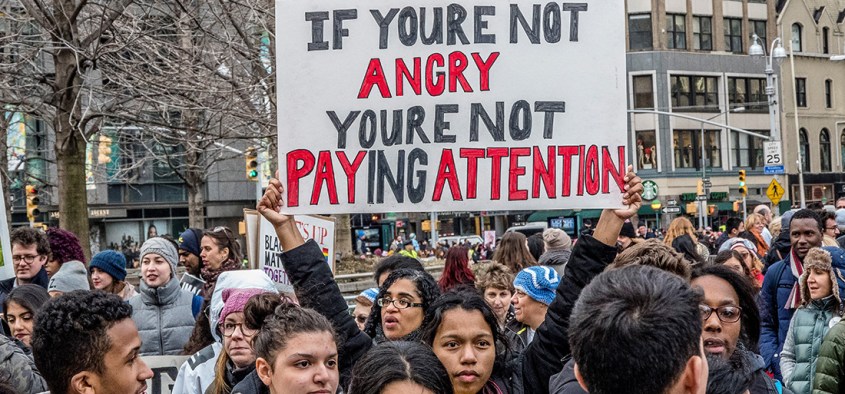
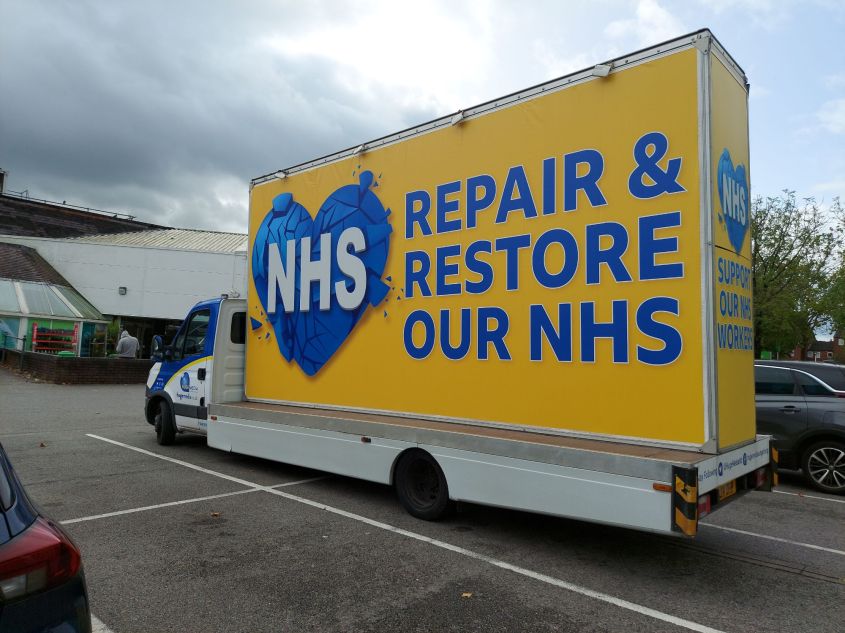
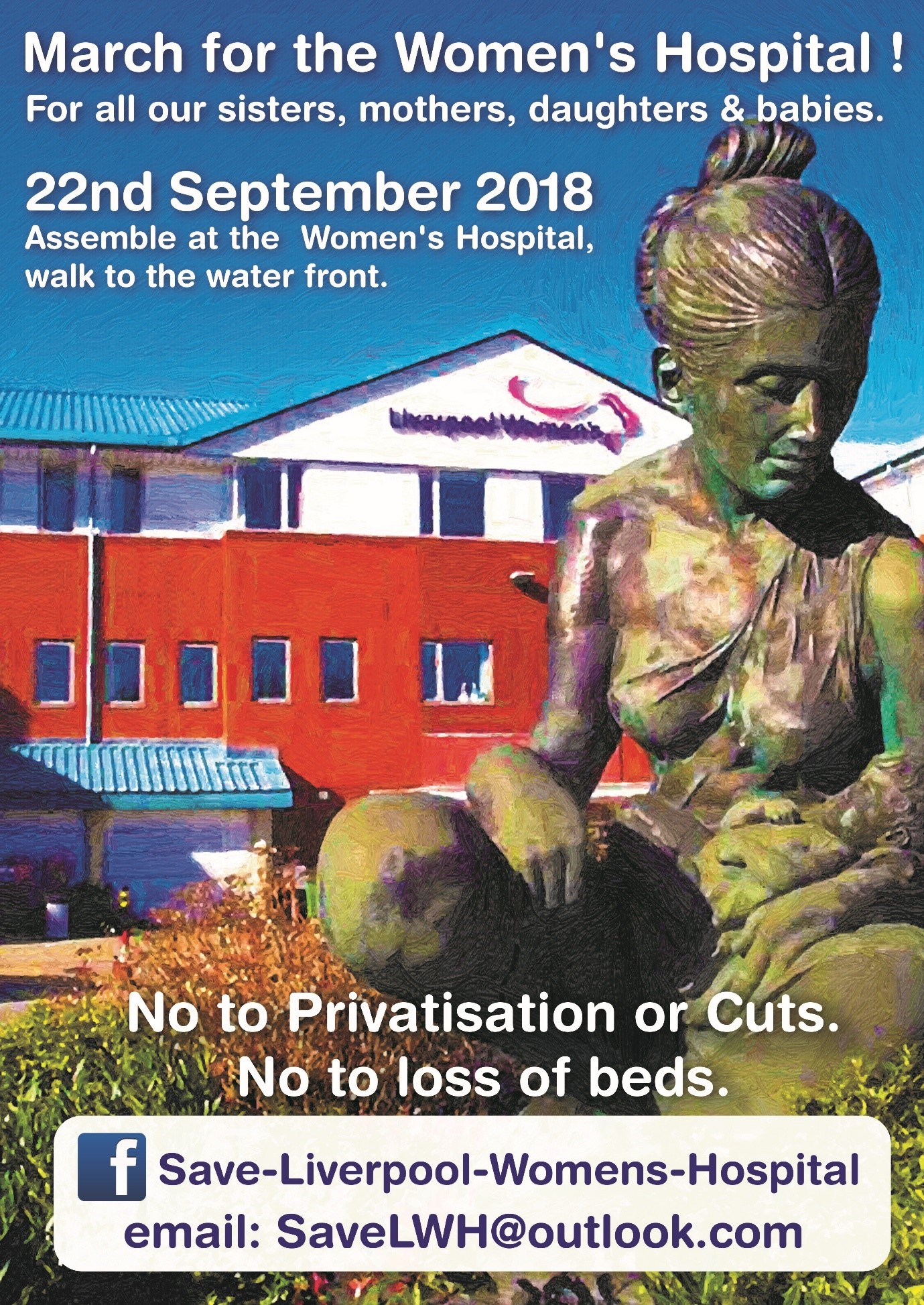
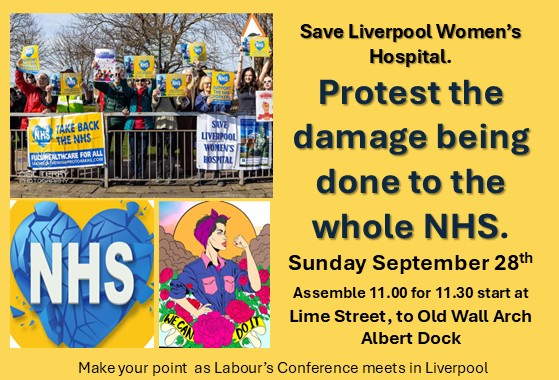
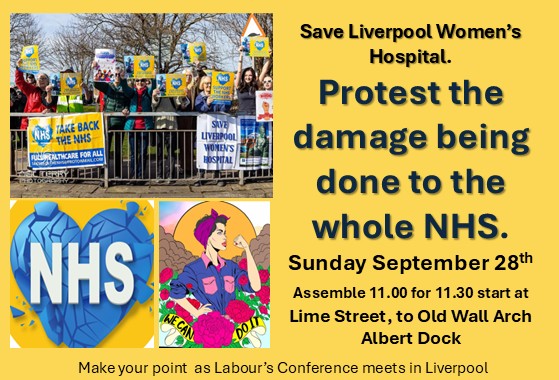
Protest the damage being done to the NHS on September 28th In Liverpool!

Protest the damage done to the NHS. The NHS belongs to the people. It should be a public service, not used for private profit. The NHS should be well-staffed and well-funded, with all government NHS funds allocated to patient care, staff, and resources.

Protest that the NHS should be fully restored and repaired. No more cuts, redundancies or long waiting lists! Improve Maternity services, restore the GP and dental services.No cuts or hospital closures. We protest the damage done to the NHS and demand complete restoration and improvements in the NHS, for all our mothers, daughters, sisters, friends, lovers and every baby.

The threats to Liverpool Women’s Hospital are part of the general NHS cuts.
Please join us in this protest on 28th September in Liverpool. As the suffragettes said

Do not appeal, do not beg, do not grovel. Take courage, join hands, stand besides us, fight with us.”
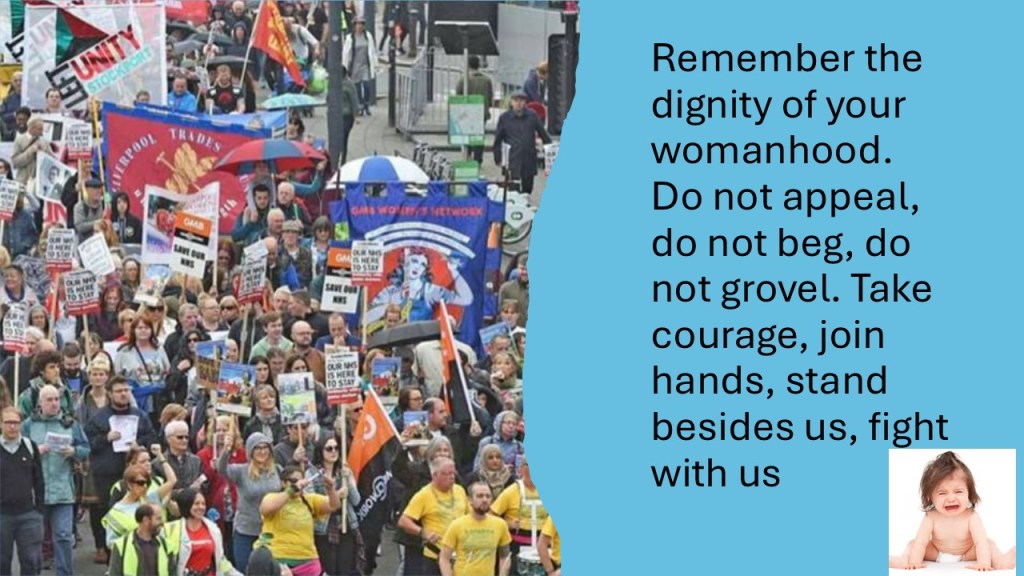
We are protesting on 28th September when the Labour Party comes to Liverpool for its party conference.

Dr Tony O’Sullivan, Co-Chair of Keep Our NHS Public and retired Consultant Paediatrician, said:

“We’re on the brink of disaster. Everyone knows the NHS urgently needs rebuilding—from staff morale and workforce numbers to crumbling buildings and outdated equipment. Everyone, it seems, except the Labour government.”
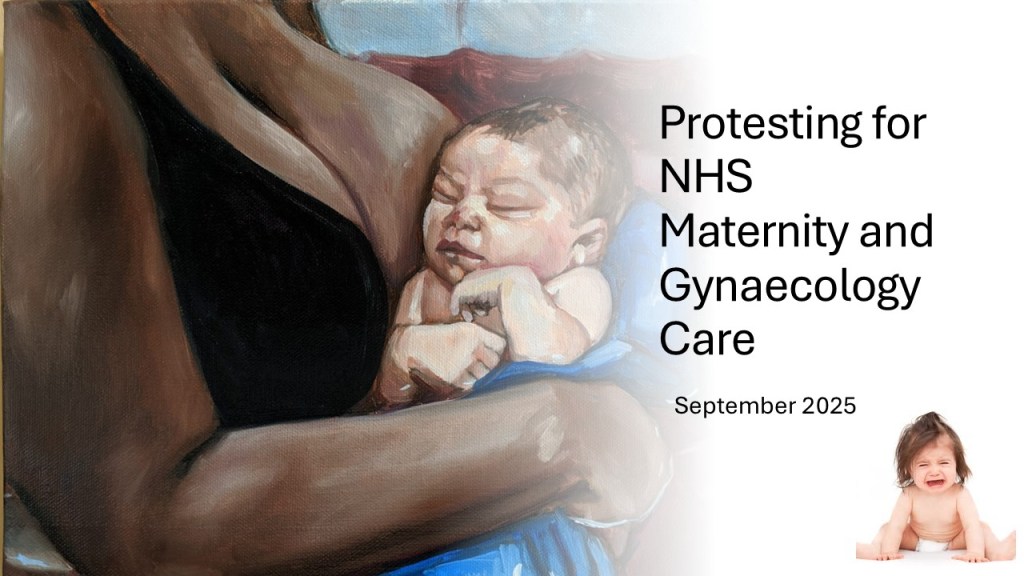
It is not just Maternity and Gynaecology care that we fight for; we fight for the whole NHS. Excellent life-saving and life-improving care is delivered day in, day out, by the NHS. Some of it is groundbreaking care, and some of it is more routine. NHS staff work hard with great skill and good humour. Pay the staff well. NHS staff should not need food pantries.
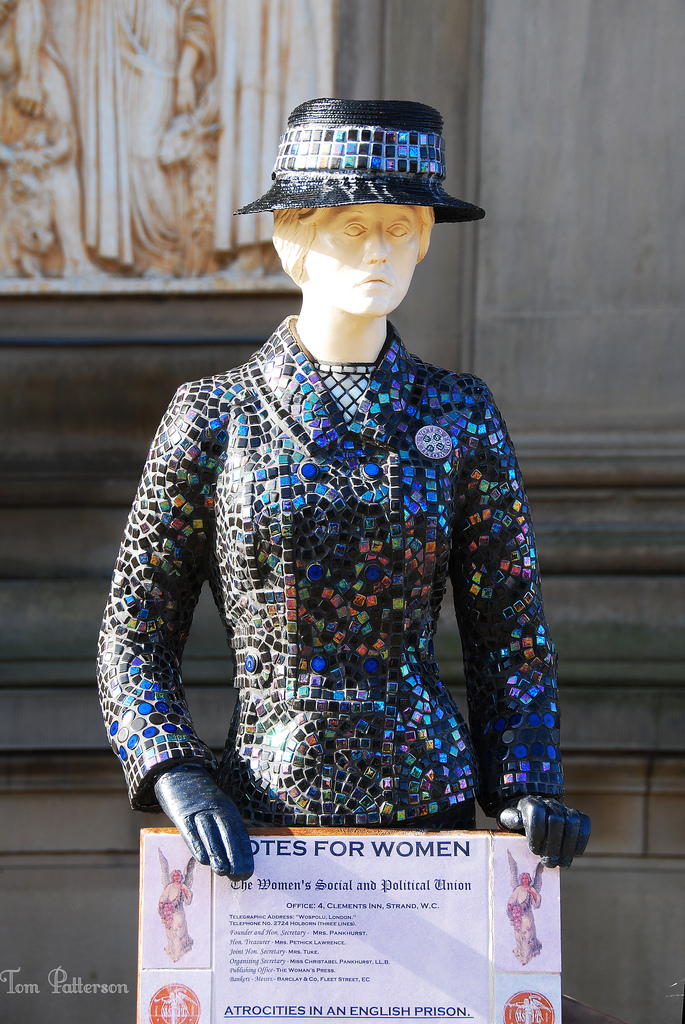
Mary Bamber One of Liverpool’s Campaigning women from a century ago.

We say “No! to another winter crisis in our hospitals!” Prepare properly, organise the staff resources and the space now! The Government must provide the funds.
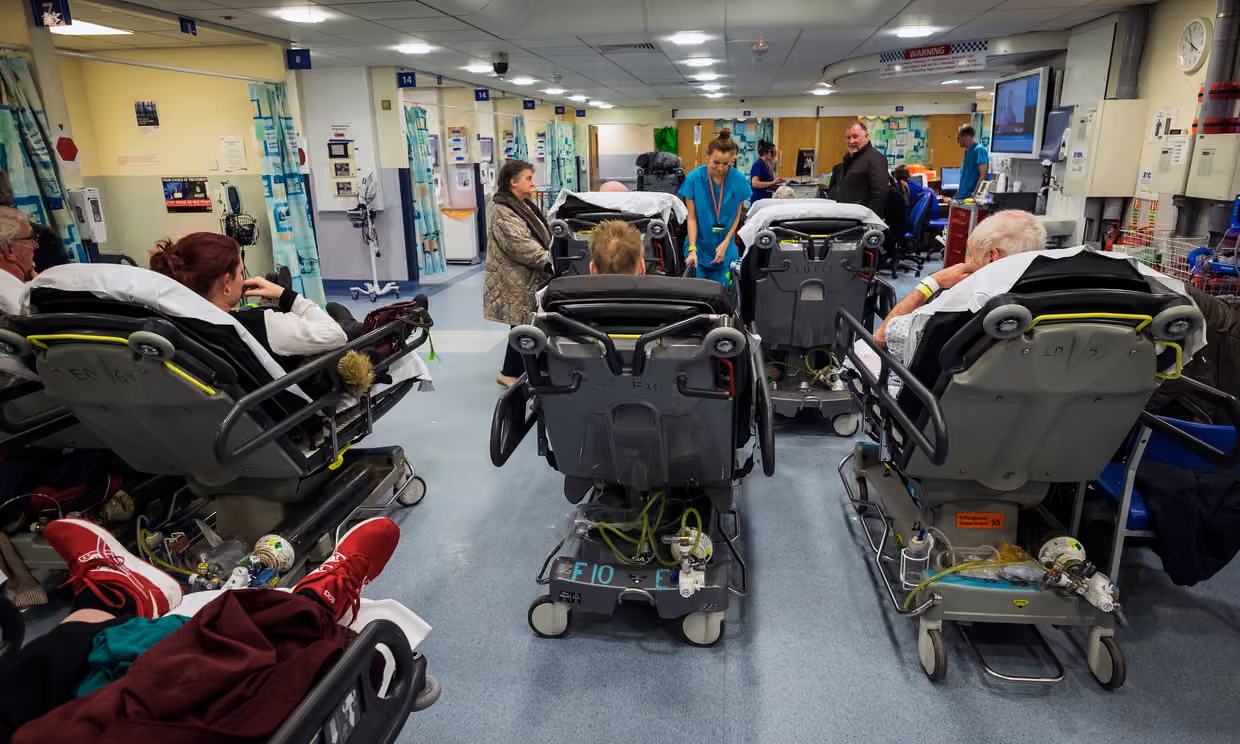
picture credit The Guardian (Nottingham Hospital)

The NHS is ours; it belongs to the people.

The NHS  is a legacy from the generation that defeated fascism. A legacy from the women who fought for healthcare for mothers and babies throughout the early 20th Century, often while they also fought for women to have the vote, and it’s a legacy all the women who have fought for our rights since then.
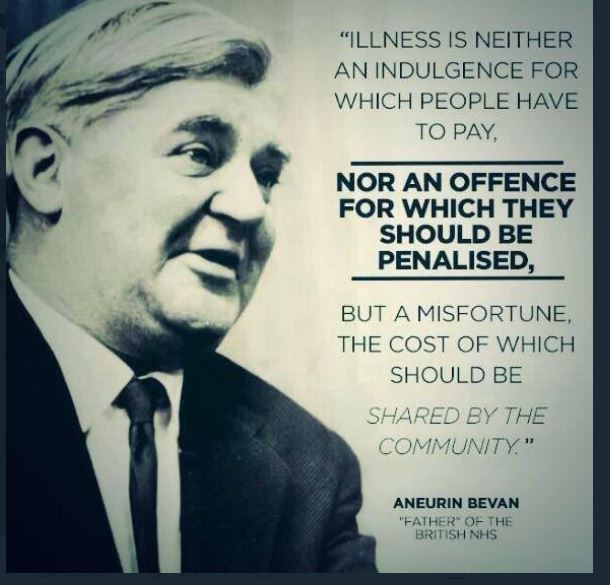
The NHS is a legacy of the trade unions that had set up mini-healthcare systems in mining villages, as well as the unions that demanded universal healthcare. The RMT union has helped publish accounts of how railway workers suffered before the NHS was established. The socialist doctors, some from Liverpool, helped shape early Labour Party policy on health. What would they say about the situation we are facing now with a Labour Government doing such damage?

The NHS is a legacy from those who elected the 1945 Labour Government that set up the NHS, while the country was in staggering debt from World War 2. That Government answered to working-class people, improving their lives, not worsening them.
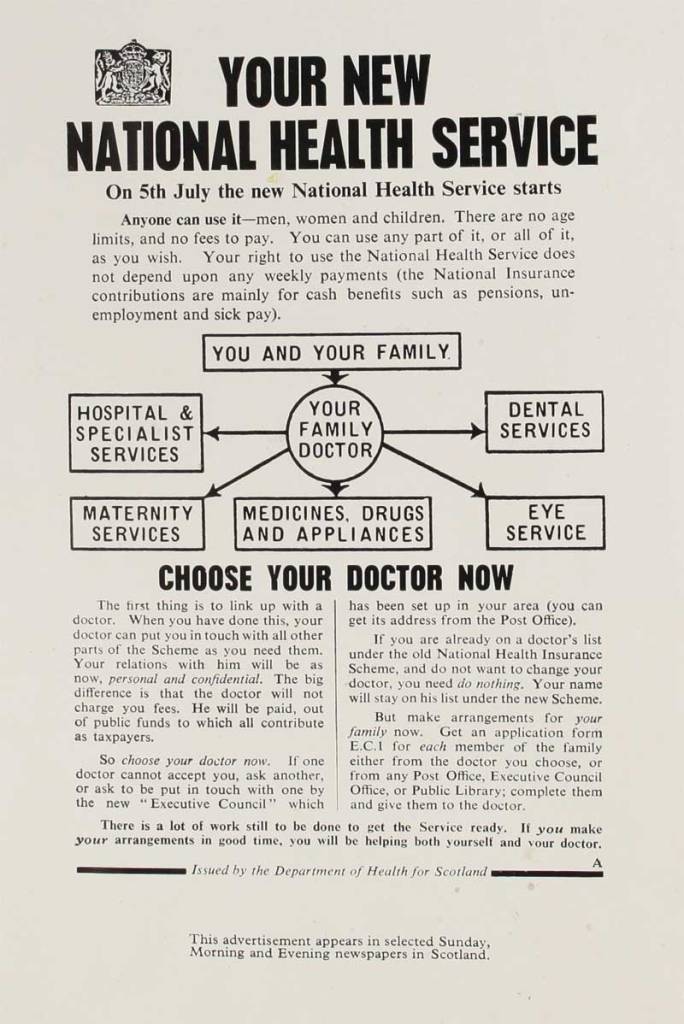
The NHS is a testament to the countless hours of work that doctors, midwives, nurses, and all NHS workers have dedicated to the service, far exceeding their paid hours in both good times and challenging times.

Yes! We can afford the NHS.

This Government’s excuse is the level of national debt. When the NHS was founded, the UK national debt (from war expenses) was 230% of GDP. Today, it is 95%. It is bad for people and bad for the economy to deprive us of good healthcare.

The NHS was founded to be a universal public service, publicly provided and not for profit. The National Health Service provides healthcare to (most) people in the UK, free at the point of need. It is funded by the Government, like other major services.
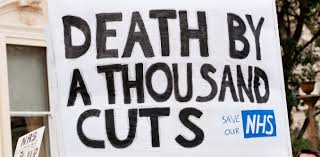
The NHS faces major cuts and a long process of privatisation, and the use of NHS funding for private profit. Despite facing understaffing, staff redundancies, underfunding, and crumbling buildings, resources are being diverted to profit private companies, including some very unpleasant ones like Palantir.

No one using the NHS faced bankruptcy or denial of services because of medical bills or lack of medical insurance.

There are many ways to reduce the cost of healthcare, starting with better housing, food, access to heating, insulation, and air quality, all of which contribute to keeping people healthy. However, in 2025, we also need investment in healthcare.
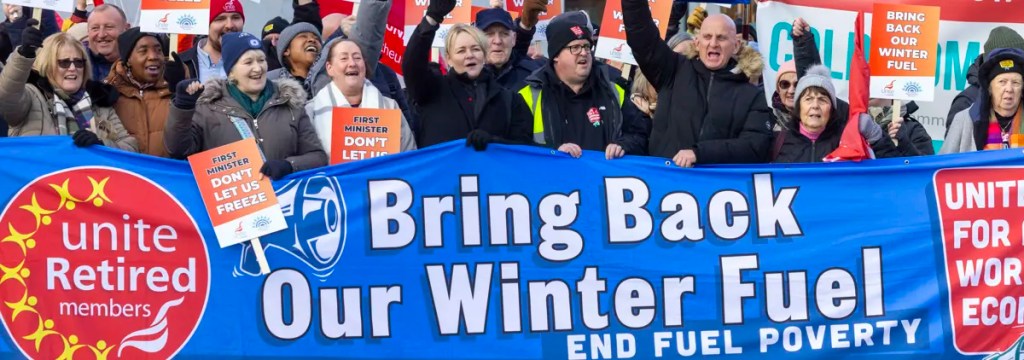
We demand an end to poverty. Maternity Action reported from a survey of women on Maternity leave (with a little baby in the house) that:

  • One in 10 (10%) of mothers who were using infant formula struggled to afford it. One in four (27%) had cut down on food for the rest of the family in order to buy formula milk.
  • Nearly three in five (57%) had reduced the number of hours they heated their home.
  •  Nearly two in five (39%) had reduced use of electrical appliances.”

Yet most of these mothers had occupational Maternity pay, not just the very minimum the state provides.
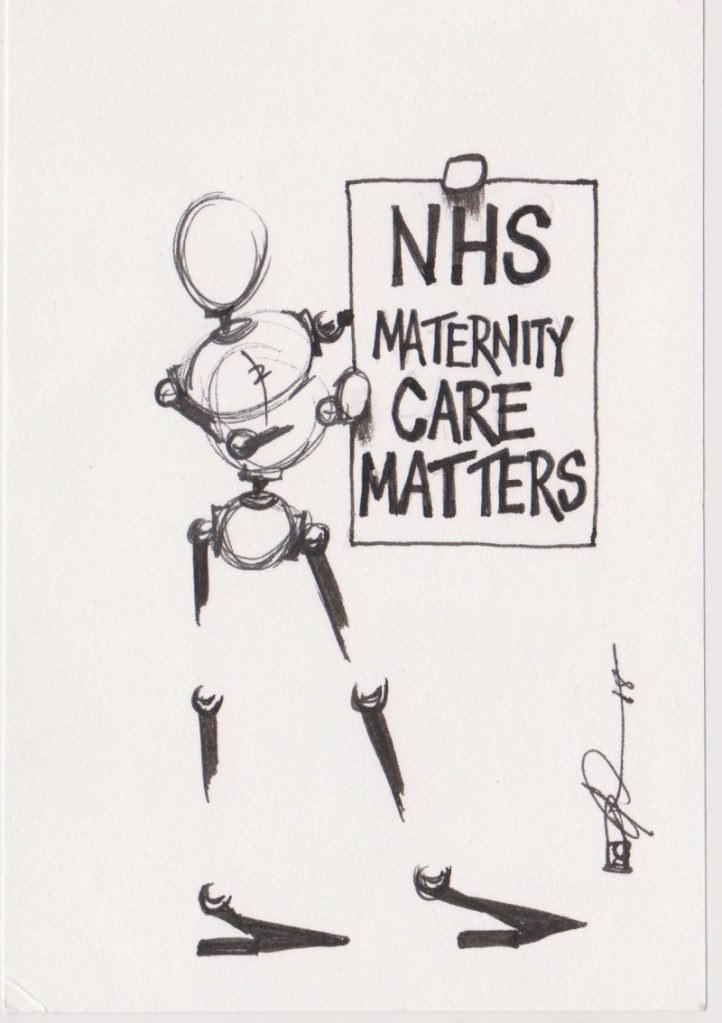
UK Maternity services are suffering.

Black Asian and women in the worst off areas re more likely to die in childbirth, or to lose their babies. Liverpool women’s health is set to deteriorate until 2040.

In the 21st Century, the world has made great improvements to Maternity care. In the UK, our maternal and infant mortality rates have worsened while those in other countries have improved.

NHS Maternity is 17th out of 19 comparable countries in infant mortality.

Maternal Mortality is rising, despite fewer births.

The North of England and Black and Asian communities are suffering the worst in infant mortality. In 2022, the UK ranked 19th out of 22 comparable countries, and that has not improved since.

Years of austerity and government cuts have done massive damage to maternity care. Women’s health, life expectancy, and life in good health have all suffered and more so in the UK than in other European countries

What does the NHS do in 2025?

In July 2025, it was reported that each day the NHS provided:

  • Over 1.3 million people attend a GP appointment.
  • Outpatient Appointments: Over 304,000 people attend an outpatient appointment.
  • Emergency Services: Nearly 35,000 people call 999 for an ambulance.
  • Major A&E: Nearly 46,000 people attend a major A&E department, with about a third of these patients admitted to hospital.
  • Community Healthcare: Over 288,000 people receive community health care services.
  • About 1,688 babies are born in England each day,

The NHS is cost-effective and available free at the point of need (to all but migrants, which is cruel and not cost-effective). However, the NHS lags behind other countries’ health systems in the following ways.

  • A lack of key resources, including the number of doctors per head of population, the number of hospital beds, and the waiting times for treatment.
  • Important health outcomes, such as certain cancers and life expectancy, are worse in the UK.” By 2023, the UK female mortality rate was 14% higher than the median of peer countries, and the UK male mortality rate was 9% higher.”
  • Public health issues include housing and food poverty, as well as cutbacks in Public Health Services that work to prevent and control disease. “A report from the UK charity the Health Foundation reveals that public health grant allocations in England have been cut by 24% in real terms per capita between 2015–16 and 2021–22.” 

Founded 77 years ago, the NHS fundamentally changed the lives of women, children, and the poor for the better. NHS care outstripped the care previously provided in private hospitals, and the NHS was used by rich and poor, young and old, black, white and brown alike.

Why should we put up with cuts, underfunding, understaffing, and the service being asset-stripped by privatisers?

Every family is affected by the NHS from before conception to the grave. It is with us at our happiest, our most anxious and our saddest times. NHS care affects how long and how well we live.

Grim times for the NHS.

After decades of cuts, privatisation, and money-wasting schemes, such as PFI and Sub Cos, we were promised change for the better, but it has not happened. Could this have to do with the huge donations ministers have received from private health corporations?

We say.

  • Restore the NHS as a fully funded universal public service, publicly delivered and government-funded.
  • Kick out the privatisers and profiteers.
  • Fund patient care to equal the best in Europe.
  • Provide the necessary staff. Improve staff pay and conditions. The NHS should be a good place to work, offering good pay, manageable workloads, and time for staff to think.
  • Fund the repairs and replacement of the necessary buildings to ensure good, timely care.
  • Don’t fund private healthcare or dubious global corporations that are there to make money and make donations to politicians. Pumping money into the private sector damages patient healthcare.

Our findings show that the private sector is now substituting for, not adding to, NHS capacity.”

The UK is a very rich country and the rich are getting richer while poverty spreads. It can afford healthcare for all. Indeed, providing universal healthcare is a major investment in the country’s health, wealth and well-being.
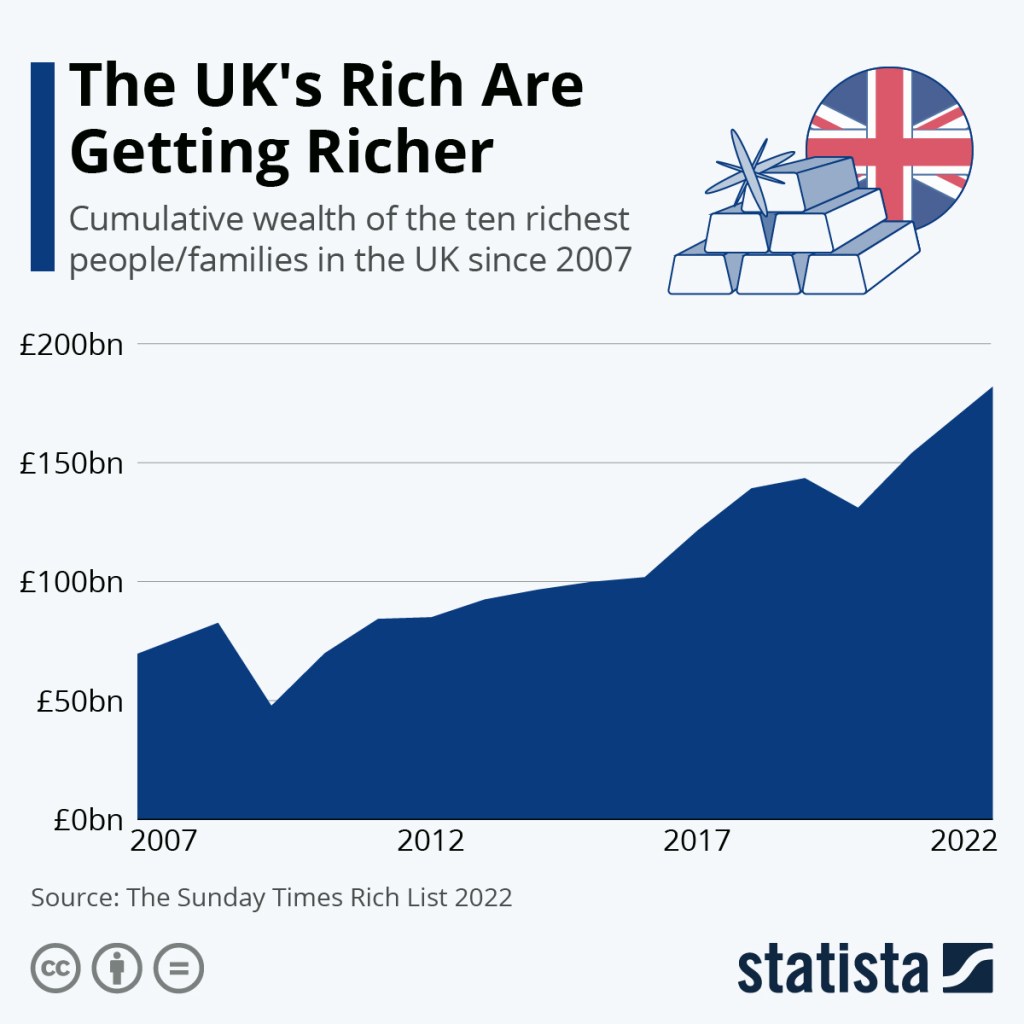
image from Statista

The damage done to the NHS over the last few governments is massive. This Government is causing ongoing harm by reintroducing some of the most costly and wasteful (yet profitable for big companies) ideas, such as PFI and Sub Cos.

The (near) universal, free-at-the-point-of-need system in the NHS is an excellent national investment. It gives a good return on the money invested. The cost of collecting fees for health care from migrant workers often exceeds the amount collected.

No solution exists in the US model, regardless of how many government advisers come from that sector. There is a much pushed argument that we can’t afford the NHS, and we should move towards the US health system.US health system corporations are definitely getting claws into our NHS, and they only do that for profit.

In the USA, the Government pays twice as much per person for healthcare. Yet this leaves millions without treatment if they cannot afford the additional insurance. When families can afford health insurance, that insurance can cost as much as their mortgage. Most healthcare plans cover 80% of the cost of care, with the patient paying the rest. What if the 20% is 20% of a very costly treatment like cancer care? One hundred million US citizens owe $220 billion in medical debt. Medical debt can wreck their credit rating and stop them from being able to rent or buy a car on credit.

The USA’s health outcomes are among the worst in the Western world. Maternity and infant mortality are shameful. “The U.S. has the lowest life expectancy at birth, the highest death rates for avoidable or treatable conditions, the highest maternal and infant mortality, and among the highest suicide rates.”

In the UK, we need the Government to;

Reverse privatisation of the NHS in all its  many forms

Provide much better funding and staffing in Maternity.

Provide safer, respectful,  personalised care for all mothers and babies at every stage of Maternity care.

Bring back quality postnatal care in the hospitals and in the community.

Tackle maternal poverty and food poverty.

End the contract with Palantir,  one of the most notorious companies in the USA.

Ban UK politicians from accepting funds from private health corporations or individuals connected to private health or private health insurance.

Fund the NHS to at least good European levels, with all that funding going to the NHS  patients, staff, equipment and buildings, not to private companies.

Provide more hospital beds.

 “The NHS has a shortage of hospital beds, with occupancy rates consistently exceeding safe levels. The UK has 2.4 beds per 1,000 people; Germany has 7.8 beds per 1000 people. This shortage of beds leads to corridor care”.

Develop a proper workforce planning system, make sure doctors, midwives, nurses and other health professionals have jobs to go to when they qualify. Provide a fully qualified workforce.

Repair our GP service. High-quality healthcare at the GP level should be easily available to all. It is the foundation of good healthcare.

Employ the unemployed GPs. End the power of private companies to buy and run GP practices.

Repair the fabric of our hospitals, clinics and GP surgeries

Bring mental health fully back into the NHS.

Bring dentistry back into the NHS. British Dental Association (BDA) analysis of the data found that nearly 14 million UK adults are unable to access NHS dentistry. 

Tackle the waiting lists; don’t fund second-class care in the for-profit sector.

We all need the NHS

From assisted fertility (where needed), to antenatal care, maternity care at birth through postnatal and early years support, through childhood and adolescence, through until old age, the NHS is there to support us. We can all use NHS services, whether in accident and emergency, planned (elective) care, the GP service, mental health services, public health or care in the community. Few are lucky enough still to use NHS dentistry.

If you are younger than 78, you should never have needed to pay for hospital or GP services.

Charges crept in even before austerity for teeth, spectacles, prescriptions and social care. Margaret Thatcher started privatisation in 1982. Her Central Policy Review Staff (CPRS) plan would dismantle the welfare state, scrapping free universal healthcare, forcing people to take out private insurance and charging for education. The CPRS report said, “for the majority the change would represent the abolition of the NHS.” She backtracked when she saw the opposition. She outsourced hospital cleaning, which led to a rise in hospital-acquired infections. Yet even she hesitated to touch the NHS, but later governments have done significant damage.

Social care for our elders was privatised and has become very expensive for individuals and families, unless the NHS pays for it under continuing care. If Social care had been fully nationalised, such payments, either by individuals, families, or the NHS, would not be needed. We would not have been subsidising the profit of hedge funds. Most care homes are private, and many are owned by big business and are very profitable. Much of this profit comes from fees paid by the NHS, local authorities and families. These huge profits are not reflected in the wages paid to staff.

The care provided in our NHS is, many times, excellent, life-preserving, innovative and respectful. NHS staff work hard and often very cheerfully.

Sadly, decades of austerity, privatisation, and mismanagement have caused severe damage to our service.

The 1945 Labour Government founded the NHS. There was hope that it would be improved when Labour won the last election, but we see ongoing damage. Don’t let the damage continue. Save lives—protest for the NHS.

Protest to build a movement like the suffragettes so big the governments are obliged to take action. If enough of us do something about the NHS we can build an unstoppable movement
A broken engagement.

We fight for Liverpool Women’s Hospital and to Restore and Repair the NHS.

Day by day, the NHS provides services for patients often with great skill and good humour. Despite years of cuts, the NHS survives but it cannot provide all services we need because of austerity and the privatisation agenda.

We are in grim times, but the fightback is growing. Our petition has reached 76,000 signatures. We have had support to pay for our leaflets and meetings. People who spoke at the engagement meetings unanimously supported keeping Liverpool Women’s Hospital. Not a single member of the public spoke in favour of closing it, or dispersing its services. We have great support from the public, and two Liverpool MPs, Kim Johnson and Ian Byrne, have helped this week. The same day as the ICB meeting and the first joint board meeting of LUHFT and Liverpool Women’s Hospital, Kim Johnson raised the issue in Parliament. Ian Byrne sent a great letter to the Engagement Team, saying “NO!”.

However, the process decided by NHS bureaucrats rolls on. We can stop it if we organise.

The many people who have said “that will never happen” should join the fight back.

Two quotes show the seriousness of the threat we face

At the October 9th meeting of the ICB Fiona Lemens, leading the process said, introducing the engagement, “It’s too early in the process to speculate about how services might look, in the future at the Crown St. site and across the city, because we’ve not started that design work yet, but what we can say is that we need that hospital at Crown St. The things that we could consider that we currently need space for would be out patients, day case procedures. We’ve invested in a CDC, we need that diagnostic capacity for the patients in Liverpool, and this is an excellent building to provide that from and we are absolutely committed to NHS delivered services being delivered from that site, and there are no plans to discuss any other forms of services going in there.

So, Fiona, where will our babies be born? Where will the women of Liverpool receive their gynaecology care? Where will fertility go? Where will genetics go?Where will the Bradford clinic go?

The website for Liverpool Women’s Hospital says about the second strand in this threat to the integrity of the Women’s Hospital, the largest maternity facility in the country :

From 1 November 2024, Liverpool Women’s NHS Foundation Trust became part of NHS University Hospitals of Liverpool Group (UHLG). UHLG has been created through the coming together of Liverpool University Hospitals NHS Foundation Trust (LUHFT) and Liverpool Women’s NHS Foundation Trust (LWH).

Please note, Liverpool Women’s Hospital is now represented on the Group Board of Directors of NHS University Hospitals of Liverpool Group (UHLG). Details of past Liverpool Women’s NHS Foundation Trust public board meetings can still be accessed via the links below.

On Thursday 28th November 2024, two crucial meetings happened. These meetings were:

1) The ICB meeting which received the first report of the Engagement process to decide the future of the Liverpool Women’s Hospital, discussed the winter crisis, and how to handle their lack of adequate funds. We, as members of the public, asked questions. We were told that the first response to the engagement would be reported in February or March. They are paying £24,000 to a company called Hood and Woolf to produce the report on the engagement.

We also learned of the grim financial position, and the situation regarding the terrible winter crisis, likely to be worse than last year. There will be a full report on this in a later post.

2) The inaugural meeting of a new joint committee, which has the delegated powers of the boards of Liverpool Women’s Hospital and the Liverpool University Hospital Foundation Trust (which covers the Royal, Aintree and Broadgreen). We fear that maternity will be treated as badly as maternity has been treated in so many other big acute hospitals, leading to major problems and major enquiries.

This joint committee of LUHT and LWH, also reported that the winter crisis is starting (staff tell us it started a while ago). They also discussed services that might be moved to, or from, the Crown Street site although such moves were already a fait acomplis, and the integrity of a Women’s Hospital seemed to be already lost.

We think it’s wrong that while the ICB follows a protocol to consult on service changes, the merging of the hospitals had no consultation whatsoever, and precious little discussion at the Liverpool Women’s Hospital Board. We were told at the engagement meetings, that merging hospitals does not need public consultation. This huge change was just ‘steamrollered’ through. Merging the Women’s is just the start. The intention is that the specialist hospitals in Liverpool, the Clatterbridge Centre, the Walton Centre and Broadgreen Heart and Chest, will be pulled into an even bigger merger. In contrast to LUHFT, the specialist hospitals have been funded nationally and do not share the financial crises facing LUHFT. It seems odd to us that such major reconfigurations are not considered to require public consultation, while (albeit cruel) changes to such things as celiac prescriptions do. At the ICB it was announced that they are going out to public consultation on whether prescriptions should still be available for gluten-free products for celiacs (A Gluten-free loaf can cost as much as £3.99.) We think this cut is terribly wrong for people already hard up, and struggling for enough food. Many celiacs don’t ask for prescriptions but the damage of this policy will hit the poorest hardest. The Celiac prescriptions cut is yet another cut amongst many – but surely, if this merits consultation, so must merging hospitals?).

Our campaign wants a well-staffed, well-funded Women’s Hospital on the Crown Street site. We want maternity to be funded and staffed well across the UK. We say enough of maternity scandals, enough of birth trauma, and enough of closures and cuts. We say this for all our mothers, daughters, sisters, friends, lovers, and babies. So many other countries do so much better than the UK in maternity and infant mortality. Once we were up with the best but austerity has damaged the service costing many of our babies’ and mothers’ lives, and women’s health.

We have 76,000 signatures on our petition to save Liverpool Women’s Hospital. People sent in many postcards opposing the idea of closure, or dispersal of services as set out in the engagement.

You can read more about the “engagement” process here from Greg Dropkin of Keep Our NHS Public.

We want to restore and repair the whole NHS, and to stop the relentless”Winter Crises”.

The NHS was founded to provide:

A national public service providing healthcare for all, free at the point of need, government-funded, publicly run, and publicly delivered, with well-qualified staff. For decades it worked very well, being declared the best health service in the world. Now it is seriously damaged and must be repaired.

The NHS came from decades of campaigning by working-class women, like the Cooperative Women’s Guild, and the Trade Unions, not from the rich and powerful. If we want to keep it we too fight for it.

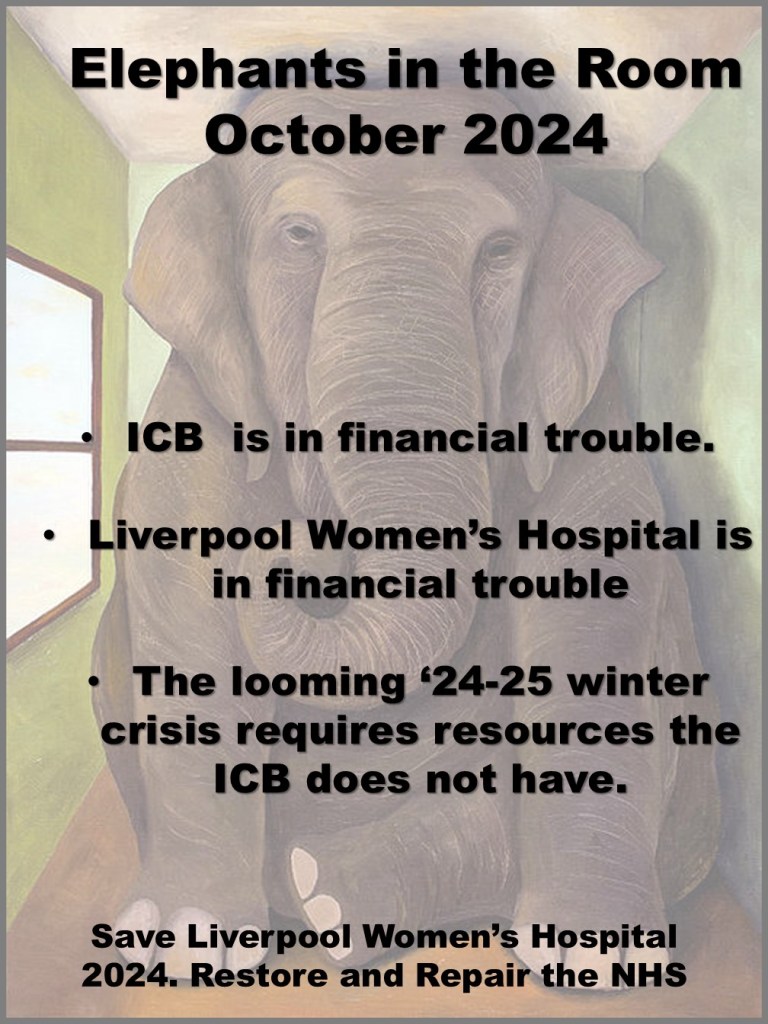
The NHS has seen reorganisation after reorganisation in favour of the American model, most recently the Integrated Care Model. The ICB for our area is called Merseyside and Cheshire ICB. This body controls the allocation of money to the hospitals and policy over cuts. Cheshire and Merseyside ICB, and other ICBs simply do not have enough money to function properly. They were conceived as part of a hospital closure project, to reduce the costs of the service and make it more acceptable to US health corporations take-overs. There are other hospital closure plans still going on, as well as the threat to Liverpool Women’s Hospital.

The ICB conducted an “engagement” with the public about the future of Liverpool Women’s Hospital. It was not well publicised but did include four in-person meetings for which they asked people to register. In all four meetings, their proposals were roundly rejected, but the attendance was small, very little effort was put into getting real engagement. We will write more about this in another post. None of the meetings were at a time suitable for working mothers to attend.

What you can do to help

Help with the campaign distribute leaflets and help getting the petition signed.

Raise it with your trade union, or other organisation

Tell your MP and councillor Liverpool Women’s Hospital must stay at Crown Street as a full women’s service run by experts in women’s health, in maternity and related services. Tell your MP that hospitals must cooperate not compete or merge.

Tell them that the winter crisis is unacceptable. Tell them that problems including finance, staffing, buildings and equipment must be sorted and the drain into private companies must stop.

Above all talk to people about this issue

Letter to your MP re 2024 closure threat to Liverpool Women’s Hospital

You choose what you write to your MP; this has been drawn up to cover many of the points people ask about. MPs can be contacted by email and by post.

We have a long and short version of a letter to the MPs here.

The short version is

Your address

 ( find your MP @They work for you)

Dear

I am writing to you as my MP. I  support keeping Liverpool Women’s Hospital at Crown Street. Please intervene to keep Liverpool Women’s Hospital fully functioning on Crown Street. I don’t care how much Spire wants the site.

As an MP, you will know about the many reports on the problems in Maternity nationally and the issues with women’s health in these years of austerity. You know about the increased risk babies face at birth in areas of poverty like Liverpool. Surely you do not support cuts to Maternity services?

The hospital needs much better funding, and all hospitals should work together cooperatively. We have a national Maternity crisis. Closing Crown Street will make things worse for all our mothers, daughters, sisters, friends, lovers, and babies.

The NHS faces an appalling winter crisis in winter 24-25. Make sure the NHS is funded and equipped to save lives, not cost lives.

Hospitals should be organised as Nye Bevan intended, a cheaper more effective system than any the Thatcherites designed.

I oppose racism. In the year we have seen the worst race riots this century, closing Liverpool Women’s Hospital at Crown Street is a slap in the face for all anti-racists. That hospital is seen as a safe space. It was built not so long ago as part of the reparations for the racism of the past.

 I would like an appointment to discuss this with you.

Yours

This is the more detailed version.

 Your address

 ( find your MP @They work for you)

“Dear ……

I am writing to tell you, as my MP, just how worried I and many others, are about the situation in the NHS in Cheshire and Merseyside. We ask that you intervene.

Lord Darzi said, “The British people rely on it ( the NHS) for the moments of greatest joy – when a new life comes into being and those of deepest sorrow.”

The current plans and lack of plans for operating with this lack of resources in Cheshire and Merseyside will damage the moments of joy and increase those of deepest sorrow.

I draw your attention to the threat to Liverpool Women’s Hospital.

I have followed the meetings of the ICB and of Liverpool Women’s Hospital. The financial situation for both organisations is unacceptable. It is wrong that the place where so many babies are born is so short of the money required to operate day to day.

The start of the process of closing Liverpool Women’s hospital, from the meeting on October 9th, is very worrying and cannot be isolated from the general crisis in the NHS. Please consider the following points

  1. Liverpool Women’s Hospital is valued by the women of Liverpool and the public, with seventy-five thousand people signing the petition to save Liverpool Women’s Hospital. There have been three big rallies on this topic. The closure of this hospital will further damage the health of women and babies in Liverpool and the wider area. It is a regional maternal medicine centre. It is a tertiary referral centre for gynaecology, performing approximately 10,000 procedures per year. Liverpool Women’s Hospital is seen by the women of Liverpool and beyond as a safe place in an era of growing  violence against women and in the context of declining health amongst women, as the parliamentary report showed
  2.  The CQC describes Liverpool Women’s Hospital as safe. Despite several recent visits, the CQC did not raise any of the issues raised by the ICB report of 9 October. Other issues related to staffing and safety in maternity were raised, but this is one of the safer maternity units in the country.
  3. The document presented to the ICB on October 9th technically started the pre-consultation engagement about moving Liverpool Women’s Hospital services from Crown Street. Yet it gives no explanation of where our babies will be born, where gynaecology or all the other services will move to, or the indication of capital to provide alternative premises. There is no risk assessment or impact assessment.
  4. Nationally and locally, the experience of women giving birth has deteriorated and this has done much damage. There is a maternity crisis in the UK following years of underfunding, understaffing and the disastrous outcomes of the 2012 Health and Care Act, as described in the Darzi report. It is widely anticipated that another heart-breaking report on Maternity services from Donna Ockendon will be published next month, this time about Nottingham. No one working in or around Maternity can deny the existence of this crisis. In this situation, women are angry. The CQC’s September 2024 report  on the maternity service nationally said https://www.cqc.org.uk/press-release/action-needed-now-prevent-harm-maternity-services-becoming-normalised
  5. The staffing system at Liverpool Women’s Hospital and other NHS maternity services rests on Birthrate Plus, which urgently needs review. We need better services for the babies, the mothers and the staff. Mothers and babies need more attention, and only increased staff can deliver this.
  6. Liverpool Women’s Hospital has serious financial problems,  with a deficit of 19%  recently reported. The Maternity tariff on which much of their income rests is inadequate, nationally and locally. This tariff level is a core driver of the national Maternity crisis. Liverpool Women’s Hospital is currently fully staffed with midwives, at least according to Birthrate Plus, thanks to the recruitment of newly qualified staff. As with the national service, the loss of older staff who left in disgust at the safety of the whole Maternity service leaves intense pressure on these new midwives.
  7. The health of Liverpool’s babies must have priority, especially as childhood health in Liverpool, already damaged by poverty and pollution, is not mentioned.
  8. Liverpool Women’s Hospital is based in Crown Street Liverpool 8. It was built as part of Project Rosemary, a gesture of reparation for the terrible racism that the area has suffered. To remove the hospital in the same year as the worst race riots in Liverpool since Charles Wooton was killed is truly a slap in the face for all anti-racists.
  9. Liverpool Women’s Hospital is  one mile from Liverpool Royal Hospital; it is not “isolated.” Other branches of Liverpool Universities Hospital Foundation Trust are much further away from each other, and patients move between these buildings. The 2012 and related legislation introduced the business model, making each hospital a competing entity with other hospitals. This must change. Hospitals must work cooperatively.
  10. One risk mentioned in the ICB document is that deteriorating women cannot be managed at Liverpool Women’s Hospital, yet the trust board has reported major improvements in this. No hospital can guarantee never having to move a patient to another hospital. About 10,000 such moves happen annually in the NHS. At present there is not a critical care unit (CCU) available at LWH. There is a high dependency unit (HDU) at Crown Street and staff working on the gynaecology HDU have undertaken training for critical care.
  11. Another risk mentioned in the document is that other hospitals in Liverpool do not have staff to deal with pregnancy or other gynaecological conditions. This must be addressed, but not by closing Liverpool Women’s Hospital.
  12.  Another risk mentioned is that services might be moved out of Liverpool if certain specifications are not met. But this report does not say where Liverpool’s babies will be born. Will that, too, be sent out of Liverpool?
  13.  Risk 4 discusses recruitment and retention difficulties. Midwives at LWH face no recruitment problems. The problems with other specialities are national, not local.
  14. In the weirdest contradiction, Risk 5 says, “Women receiving care from hospital services, their families and the staff delivering care may be more at risk of psychological harm due to the current configuration of services.” Closing Liverpool Women’s Hospital will definitely risk psychological harm, as the place we see as safe is taken from us against huge popular opposition.
  15.  The engagement events are inadequate. Only two of these events are not in working hours, none are in North Liverpool or locally in central Liverpool. It requires time and some computer skills to register for them.

I also have serious concerns about the  NHS winter crisis 2023-24, which the ICB has been clear will not be better than last year. The ICB is underfunded ( but spends too much on financial consultants and contracts, driven to do so by NHSE.) It is also under pressure to get the Liverpool Specialist Hospitals, Liverpool Heart and Chest, Liverpool Walton Centre and Clatterbridge Cancer Centre firmly into the cash-strapped ICB control. Liverpool Women’s Hospital is also partially funded through the specialist hospitals programme and is affected by this move from national to local funding.

I recall the announcement nine years ago that one Liverpool Hospital must close, and then it was announced that Liverpool Women’s Hospital was the one they had chosen. The chaos over Liverpool Royal New build and PFI, plus the pandemic, gave some breathing space, but the coming of the ICB and NHSE’s determination to reduce the number of hospitals in Liverpool have brought this back to the table.

 I would like to discuss this with you personally.

 For all our mothers, daughters, sisters, friends, lovers and babies, Save Liverpool Women’s Hospital

 Yours

Liverpool Women’s Hospital. Great work and great problems.

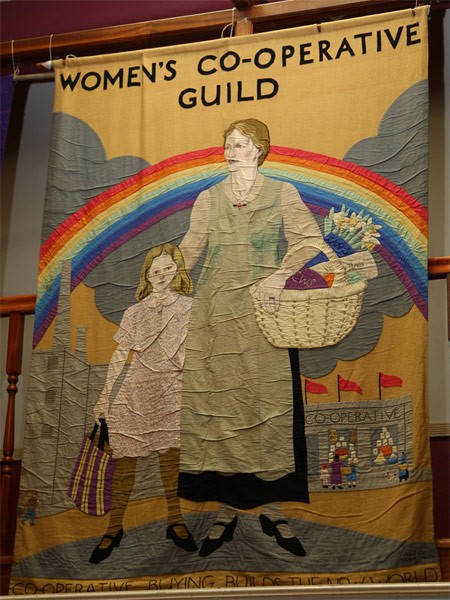
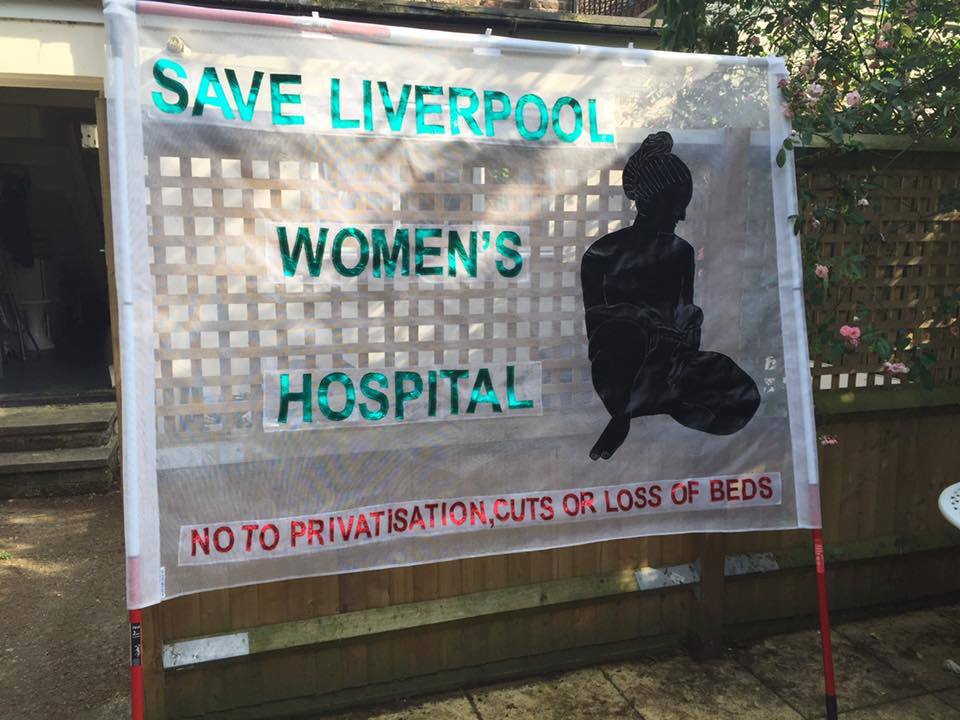
This banner in Liverpool Life museum is from one of the campaign groups for women’s health in the early twentieth century

Women and babies in Liverpool are entitled to the highest standard of healthcare. Our grandparents and great grandparents fought to found the NHS and left us this as their legacy. The NHS was a national service providing excellent healthcare, publicly provided and government funded. The new NHS did magnificent work for infant and maternal mortality.

In the last twenty years though, there have been years of cuts and privatisation in healthcare and years of poverty and subsequent ill health in Liverpool. A report to Liverpool city council this year said that, without change, “The life expectancy of women will fall by one year, and they will be in good health for 4.1 fewer years than they are currently.”

It is time to demand better.

Campaigning for the whole NHS

We are campaigning to Save Liverpool Women’s Hospital and to restore and repair the NHS. We want to see improved funding and staffing and to see the whole NHS move back to its original model of a national public service, publicly provided, providing universal comprehensive and timely care for everyone free at the point of need and funded by Government. If you have not yet signed our petition please do so.

Healthcare staff have worked way beyond what should have been needed to keep some good services going. Every day people are grateful for their work, their kindness and humour but sheer human effort cannot compensate for inadequate funding and too few staff.

Liverpool Women’s Hospital provides some excellent services but it has some serious difficulties too.

The Liverpool Women’s Hospital board meeting on 9/05/2024 reported some excellent staff work, including improved methods of helping premature and very premature babies survive and thrive. It also reported the success of moving early pregnancy loss to its own area, a development much valued by the mothers involved. Previous meetings have seen patients reporting their experiences too. In April there was a very positive report from a patient about her experience of the care she received from the Rainbow Clinic as a previously bereaved mum. We have also seen excellent presentations about the pioneering work on endometriosis and menopause at different meetings. The Hospital website says Every day on average, 24 babies are born in Liverpool Women’s Maternity Unit and another three babies are born prematurely and cared for in our Neonatal Unit Most of Liverpool’s babies are born at Liverpool Women’s Hospital and sick and tiny babies are cared for in the beautiful new NICU ( Neo Natal Intensive Care Unit)

Entrance to the NICU

The Liverpool Women’s Hospital is undertaking a major anti-racism drive to improve outcomes for patients and staff. We very much welcome this initiative. It is essential to save lives.

The core problem for Liverpool Women’s Hospital is under funding. This underfunding stems from the national underfunding of maternity as well as the general under funding of the NHS. This longterm underfunding has meant years of cuts. The NHS organisational changes from 2012 to create Trusts and Foundation Trusts also wasted many resources that should have gone to patient care.

Liverpool Women’s Hospital also has a long waiting list for cancer patients and waiting lists for gynaecology appointments. Some more staff have been appointed and hopefully the list will be dramatically reduced.These waits cost lives and health. The Chief executive reported that

NHS England’s tiering process for cancer performance is designed to provide accountability and additional central support for trusts that are most at risk of missing national cancer targets. Trusts are categorised into tiers based on their performance, with Tier 1 being the most challenged and requiring the most support. Trusts may move between tiers based on their performance improvements or deteriorations.
In a letter received on 26 April 2024 from NHS England, it was confirmed that following a review of cancer performance, and in agreement with the regional team, the Trust will be in Tier 1 for Cancer from the week commencing 29 April 2024. The move to Tier 1 will involve regular meetings to discuss delivery progress and any required support from the relevant parts of NHS England.

Last year the hospital had a poor Care Quality Commission report for maternity and it has taken work to improve on this.New management is in place and they have plans to ensure that improvements are happening.

Our babies, our mothers, deserve much more.Every mother every baby treated at Liverpool women’s deserves the very best. Poverty from low wages, low benefits and poor housing is costing lives, and causing long term ill health. Inadequate health services are part of this.The Care Quality Commision report last year showed how much harm has been done by this underfunding and under staffing. The management must also be responsible for some of the damage mentioned in the Care Quality Commission reports.

The funding issues at Liverpool Women’s means that to meet the current level of service it needs twenty five percent more funding. Money is spent very carefully but for basic safety to be met, that extra spending is essential. At present the required money is being spent and temporary support funding has been made available, by the ICB or national NHS. However this situation puts the hospital into whats called Level 3 of the National Oversight Framework which could bring in management decisions not based on the needs of staff and patients, as the government clamps down on public spending.

Many studies show that money spent on good healthcare repays for itself many times over. At birth this is especially so as bth injuries can last a lifetime.

Neither merging the hospital nor dispersing its services will change that fundamental financial situation. Only an improvement of maternity funding will make a real difference.

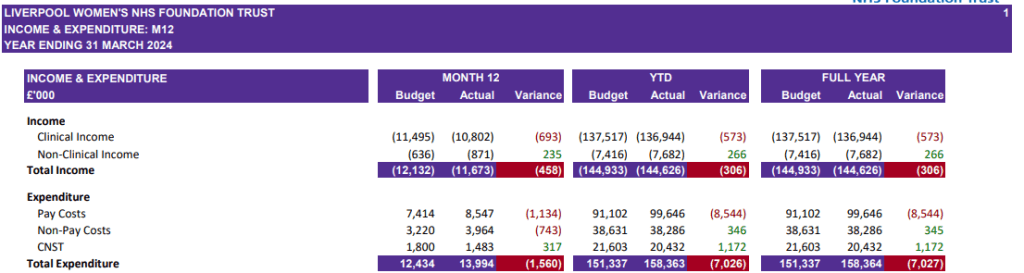
Screen shot from page 52 of the LWH Board meeting 9 05 24

The underfunding of maternity leads to staff overwork and reduced services. Government safety figures for staffing are met but we say these safety figures are inadequate. The Government funding does not provide sufficient staff to deliver the kind of service patients and staff require. yet money is squandered on private companies and financial consultants.

There are national problems with maternity services described in many prestigious reports, as well as the Ockendon and Kirkup reports. No report has yet managed to shift the Government’s policies. We believe we need a huge campaign to win back the NHS.

A large part of Liverpool Women’s Hospital Maternity spend is on the maternity Incentive scheme, a government owned insurance system, run on a business model. Liverpool Women’s Hospital meets all the requirements of this scheme and so gets a refund from hospitals that do not meet all the safety requirements. This is an unbelievable situation..

Payouts from the fund are higher than the funding for maternity.If maternity were well funded fewer babies would be damaged and have to claim through the courts from this insurance fund.

In this crazy situation the hospital is still expected to make cuts (CIPs).

Our demonstration last October.

We have written before about how planned Cheshire and Merseyside ICB funding will not repair the situation patients experienced last winter. This poor experience was seen in many aspects, including A and E, care in corridors, access to GPs, access to NHS dentistry, and inadequate mental health provision. It will be worse next winter.

It was no surprise to hear there will be no new Hospital built in the next decade, nor does Liverpool Women’s require a new building. we believe that the new building idea was floated to make the idea of merging Liverpool Women’s Hospital into the big acute hospital more palatable. The existing building is less than thirty years old.However the drive to make fundamental changes remains, with merger or dispersal being the most likely recommendations. WE want to keep a distinct women’s hospital.

In the April Board meeting of Liverpool Women’s Hospital it was reported that work is in progress for major changes.

the Women’s Hospital Services in Liverpool Programme. As part of the roadmap, the initial phase of the programme had been outlined, with an emphasis on the importance of openness, transparency, and continuous engagement with the public.
The development of a clinical case for change was scheduled for the spring and summer of 2024, with publication expected later in the same year. Feedback from this engagement phase, gathered during the winter of 2024/25, would then inform the approach to designing future services, with further development of potential options anticipated to commence in early 2025.” So the threats to Liverpool Women’s Hospital are still very real.

A meeting has been held with other Liverpool hospitals about the future for Liverpool Women’s Hospital and women’s health in the other hospitals in Liverpool.We have not yet been able to see which issues the other hospitals raised. Public consultation is promised this year.

No hospital can exist in a vacuum. Every hospital should be working in a mutually supportive system. The NHS was founded to be a national service, not a collection of competing hospitals. System working was damaged by the 2012 Act and the drive to privatisation. Cooperation and system working is required for the future of the other specialist hospitals in Liverpool, like the Heart and Chest and the Walton Centre.

Our campaign to Save Liverpool Women’s Hospital and to restore and repair the NHS has huge public support and is growing steadily.

The future of Liverpool Women’s Hospital is no safer this week.

Save Liverpool Women’s Hospital News May 2024.

Liverpool Women’s Hospital will not get a new building on the Royal Site. This announcement has been expected for some time. The BBC covered the story this week. On Radio Merseyside our campaign was asked to comment. We said that we were not surprised . The Hospital should stay on the Crown Street site and that what matters is proper funding, staffing, and resources because our babies deserve the best.

Our huge petition says.

Save the Liverpool Women’s Hospital.

No closure. No privatisation. No cuts. No merger.

Reorganise the funding structures, not the hospital.

Our babies and mothers, our sick women, deserve the best.

What’s happening with the  Liverpool Women’s Hospital?

There has been a press announcement that there will be no new women’s hospital built on the Royal site in the near future.

This announcement does not mean the future of Liverpool Women’s Hospital is safe, far from it. Public consultation about its future will be launched shortly.

The announcement is not a surprise to anyone who has followed the story of Liverpool Women’s Hospital or the story of broken promises from the Government about building new hospitals, even those in dire physical conditions.

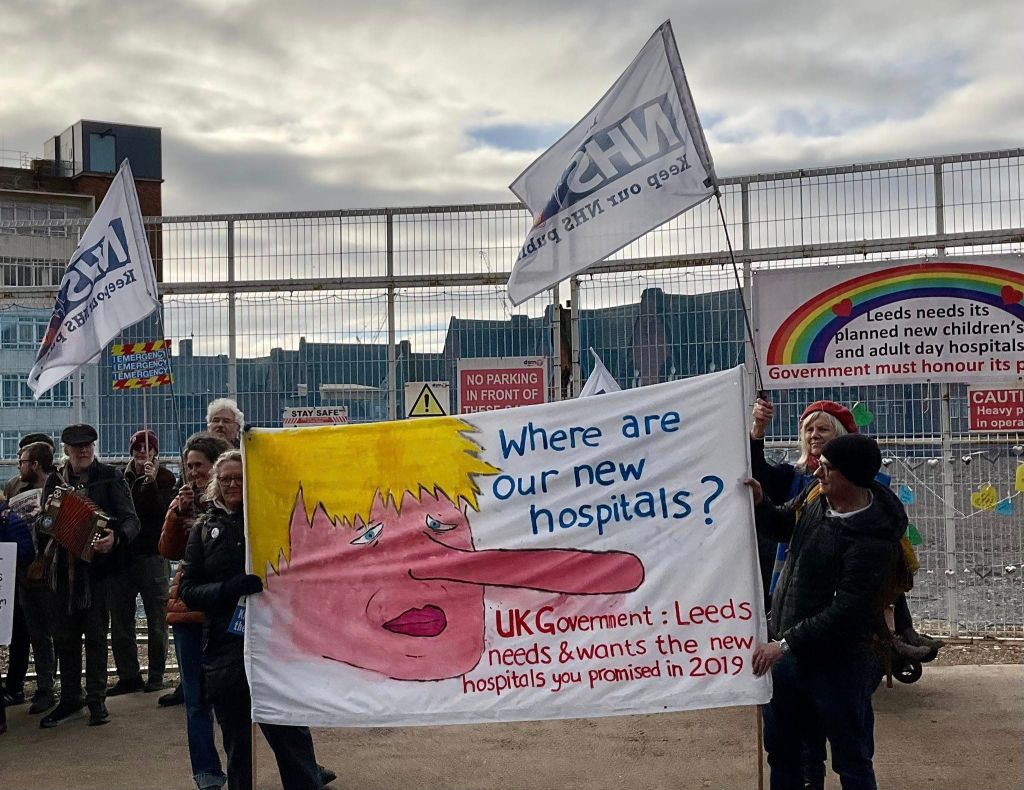
For example in Leeds, the people were promised a new Children’s Hospital. In the meantime, services were dispersed to different hospitals to allow demolition. Now the new Hospital is not going to happen.

Nationally, maternity is underfunded and understaffed and has seen terrible scandals. We have written much about this in other posts.  Just this week there was a report about delayed induction of labour across the country (and this also has been seen in Liverpool Women’s Hospital). The Care Quality Commission reported “The quality of maternity, mental health and ambulance services has seen a “notable decline” over the last year, which is contributing to “unfair care” and worsening health inequalities,”

The Neonatal Unit at Liverpool Women’s Hospital

The Health Service Journal  also reported that

families whose babies died and whose mothers were harmed – in some cases dying – in the East Kent maternity scandal were still having to prove legal liability to get any compensation. This is despite Bill Kirkup’s report, published around 18 months ago, having already looked at their cases in detail and reached conclusions on whether better care could have led to different outcomes.

But NHS Resolution, which handles the NHS’s clinical negligence claims, says causation and a breach of duty of care will need to be proved in each case. This may mean families have to engage not just lawyers but also experts in midwifery, obstetrics, and neonatal care.”

In such a national maternity crisis we must protect the services we have in the area. We say women and babies will be harmed if the Liverpool Women’s Hospital is forced into a merger with the huge general hospital. The focus on women and babies will be lost. The great maternity scandals of our age have happened where there was no real focus on women and babies.

The government and the NHS bureaucracy have wanted to close one hospital in Liverpool since 2015. Liverpool Women’s Hospital was chosen. This is to do with saving money not patient care.

Liverpool Women’s Hospital sits on a great site on Crown Street. The official opening was on 7th November 1995 and the building is in good condition. A £20million pound neonatal unit was recently added to the hospital. It does not need a rebuild.

Liverpool Women’s Hospital does need more staff and additional resources like a proper blood service, an improved emergency medicine service, a 24/7 consultant obstetric presence. It needs to tackle the long waiting list for Gynaecology treatment,  and improved intensive care. All of this requires funding and support from the national health service and government funding but without that funding our babies and mothers will suffer. The money must be provided.

Our Saturday stall n Bold Street

All hospitals should be run in a cooperative system with other hospitals but specialisms should be protected.

Liverpool Women’s Hospital, along with the whole of the UK, needs to improve infant mortality, maternal mortality and injuries to women and babies and to tackle gross inequalities.

Serious damage has been done to our health care. We see it in the terrible waiting times in Accident and Emergency, in the 14,000 preventable deaths caused by those A and E problems, we see it in dentistry, in the GP service, in mental health and in maternity. We see it in the eight million people on waiting lists. We see it in the exhausted staff.

The experience women have giving birth is getting worse because of these underlying, national problems and the day-to-day stress this brings into the hospital.

Liverpool Women’s Hospital is damaged too by the business model imposed on the hospitals. The drive to privatise and to move away from a service model in the NHS has caused problems all this century.

The new Chief Executive (James Sumner) and Chair of Liverpool Women’s Hospital (David Flory) are also the Chief Executive and Chair of the Royal, Aintree and Broadgreen Hospitals (Liverpool University  Hospitals Foundation Trust). Neither man is a specialist in maternal or infant health. The Health Service Journal has said these joint appointments are likely to lead to a merger of Liverpool Women’s with the big hospital. We say no to a merger, and a big yes to cooperation between all the hospitals in the area. Such cooperation is anathema to the privatisers. We need continued support from the people of Liverpool to win this fight and we need to link up with other maternity campaigners.

Please help Save Liverpool Women’s Hospital. Sign the petition, talk to friends family and workplaces about this, join the discussion, and help with leafleting and social media.

Invite us to speak to your organisation.

 Send us a donation.

 For all our mothers, sisters, daughters, friends, and lovers and for every baby

Giving Birth in Gaza 2024

September 2024. 16,456 children, including 115 newborn babies and over 11,000 women have been slaughtered in Gaza. Twin babies just 3 days old were killed in an air strike, as their dad went out to get their birth certificate.This war on the mothers and babies of Gaza has now lasted nearly a year. More children have been killed there in recent months than in four years of conflict worldwide, according to the United Nations. 

Israeli Forces have killed 1,151 healthcare workers. A total of 986 have been named so far.

Doctors from Liverpool have travelled to Gaza, worked for weeks at a time in the hospitals there, and come back to tell us their experiences.

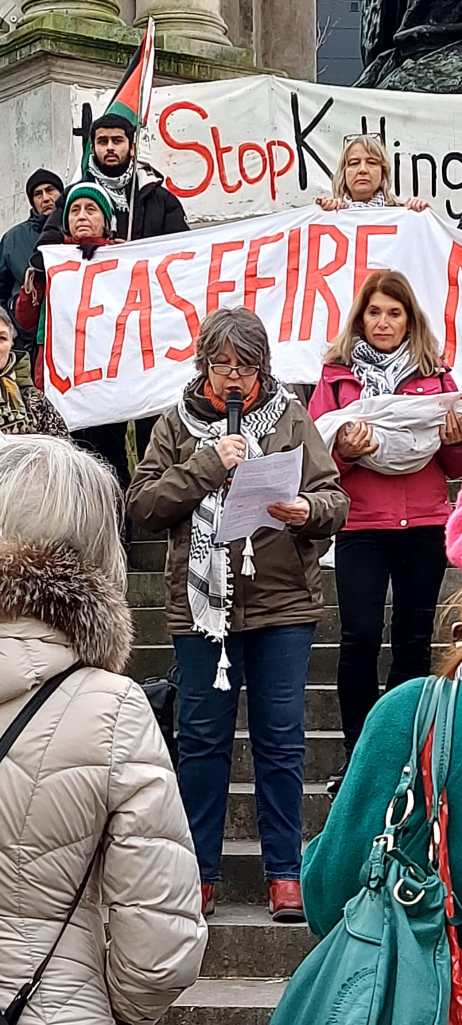
Again and again, we say Ceasefire Now! Let our mothers deliver in peace and safety, let all our babies live in peace.

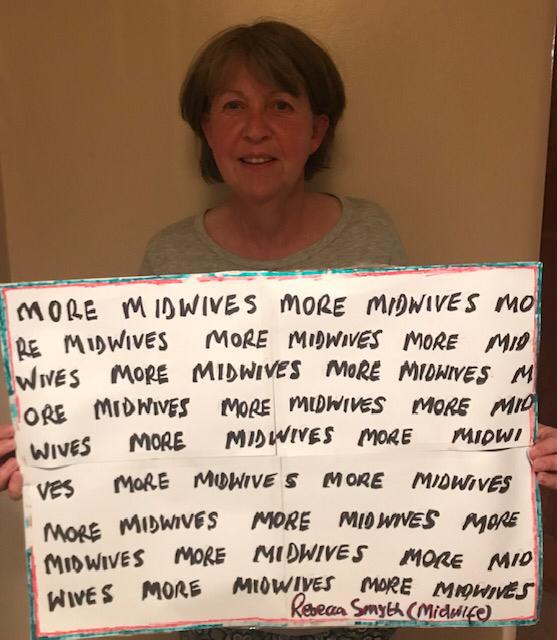
At the Liverpool Palestine Rally on Sunday 28th January 2024,  Dr Rebecca Smyth a midwife and academic spoke about the situation in Gaza for pregnant women and babies.

“I’m a retired Midwife, I’ve never worked in Palestine, but I’ve been watching and I want to tell you how life in Gaza is for pregnant women & newborns.

So the death toll is now 25,000.

We know this is underestimated.

So what are the conditions like for the women and their newborns?

They are inhumane.

There are NO fully functioning hospitals providing maternity care left in Gaza.

Most hospitals have been completely destroyed/obliterated/demolished/flattened to the ground / gone.

The few hospitals that have survived are completely overcrowded. Many women labouring and birthing on the floor, floors that haven’t been able to be washed for weeks on end, because as well as staff shortages, shortages of life-saving medicines, pain relief, equipment, fuel, drinking water and food, there is also no clean water for washing. As a result, births are taking place in unhygienic conditions and therefore the risk of infection is escalating, in fact, it’s predicted more lives will be lost through infectious diseases than bombing and shooting alone.

So pregnant women only go to the hospital when they think things are really wrong. Women are having to walk miles and miles only to birth alone on the way. Substantial numbers of women are haemorrhaging after the birth of their baby. With severe haemorrhage in minutes you can lose a mother. Blood transfusions and IV fluids are needed quickly. But there aren’t any. Not now in Gaza. So if a woman does make it to hospital, the only treatment might be a hysterectomy to save her life. Remember most surgery is done under headlights. There is no electricity at all.

But this is the Israeli’s plan, isn’t it? Make sure Palestinian women can’t bear any children.

But these unborn children are the future of Palestine, the future of all of us here now. They are our children. When you cry ‘In our thousands, in our millions, we are all Palestinians’ think of these children. Think of these children who didn’t ever get the life that is theirs. Never to exist. There are no words. It’s beyond belief.

Picture Action Aid Ireland

I’m sure you will have seen the countless reports of women undergoing caesarean sections without anaesthetic. That pain is unimaginable, isn’t it?

In Gaza 2.3 million face starvation.

If you starve a pregnant mother, you starve her baby. There’s a 30% increase in premature birth, this is because women are experiencing constant stress associated with Israel’s murderous actions. Babies are born growth-restricted, it is what it sounds. These babies are born so underweight they aren’t strong enough for life. Rates for miscarriage, stillbirth and neonatal deaths are escalating every day.

I want now to tell you a little about Al-Awda Hospital. It’s the only hospital with a maternity department in Northern Gaza, it’s just about functioning. I’ve chosen this hospital as Liverpool Friends of Palestine (LFoP) is to start a fundraiser. It’s not started yet, there will be a GoFundMe page. It’s to buy medical supplies, such as ambulances (they’ve all been destroyed), so once this nightmare is over, we can help rebuild Palestine. We’ll keep you all posted about fundraising events.

Let me say a little about Al-Awda Hospital, it’s just like every other hospital in Gaza by the way.

For more than 20 days in December the hospital was put under closed siege, no one was able to enter or leave the hospital, it was surrounded by snipers. All services were stopped as 170 people were trapped inside – staff, patients, and their relatives. They fought to survive on increasingly dwindling food and water supplies. Dr Adnan Radi, head of the Department, said that six healthcare workers died in the final days of the siege, while pregnant women in labour were murdered while attempting to access the hospital. The Manager of the Hospital, Dr Ahmed Muhanna – was arrested and taken away, he is still being held as a hostage, his whereabouts unknown. Remember it’s happening at every hospital.

On 21st November 2023, there was an Israeli airstrike on the hospital, tragically Dr Mahmoud Abu Nujaila was killed along with two other doctors and human rights defenders. Just a month before he wrote on a whiteboard, normally used for planning surgeries, the following:

May Dr Mahmoud Abu Nujaila and the many other thousands, Rest in Peace.

You can see more about the conditions for pregnant women in Gaza in this United Nations video.

A recent news report can be seen here

For all the mothers and babies ceasefire now.!