

Tag: maternity

Liverpool Women’s Hospital Update

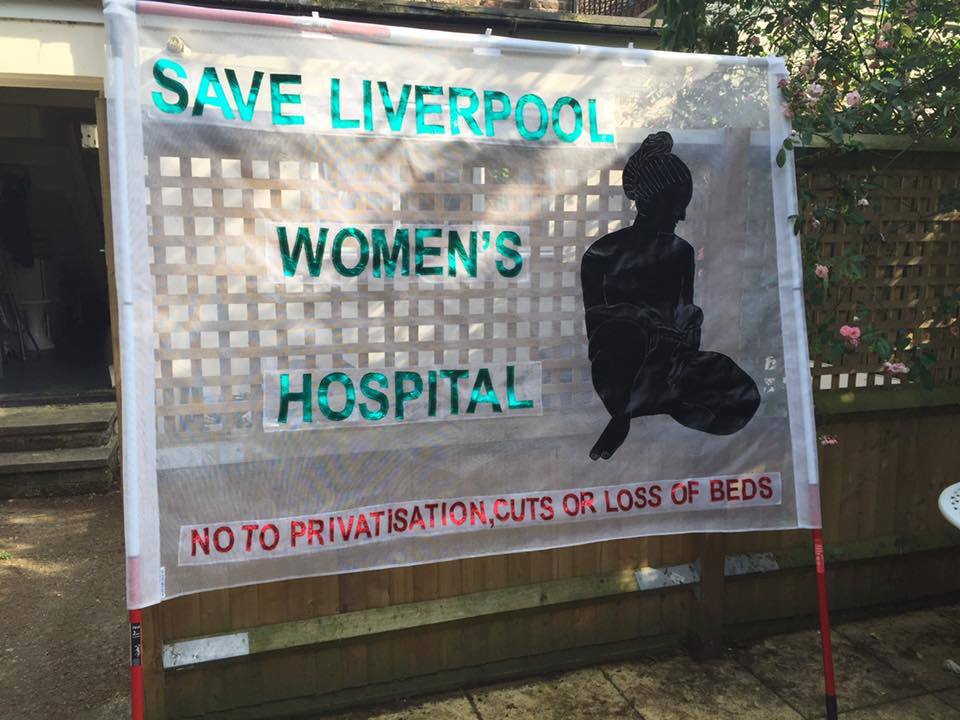
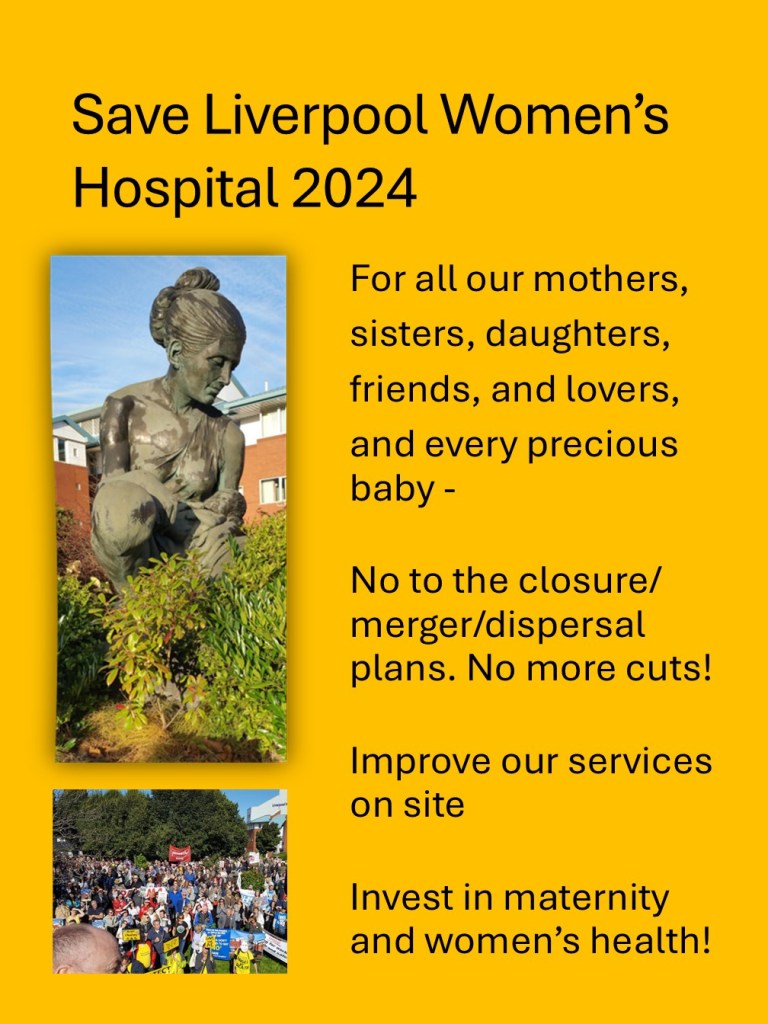
The Mother Statue at Liverpool Women’s Hospital

What’s happening now, in December 2025, with the plans for Liverpool Women’s Hospital? What is happening at Liverpool Women’s Hospital is part of a great set of problems in the NHS. Battered and damaged as the NHS is, it is still very necessary and much worth saving, for all our mothers, daughters, sisters, friends and lovers and every baby. “As we go marching, marching, we battle too for men, for they are women’s children, and we mother them again

We stand with NHS workers and thank them for keeping the service going despite the appalling policies from this and recent governments.

Investing in healthcare gives great returns to any country in terms of health and wealth. We ask every reader to help us fight to repair, restore, and rebuild the NHS and Liverpool Women’s Hospital.

Grow our petition! It’s got 84,000+ signatures online and on paper. More will help – it gives the campaign a louder voice with the decision makers. No more Maternity cuts! We need more midwives! Fund Maternity and Gynaecology well across the nation.

For all our mothers, daughters, sisters, friends and lovers and every baby!
We campaign in Cheshire and Merseyside, and many other campaigns are working in different areas. The voices for the NHS and Maternity are growing louder and louder. Please amplify these voices.

Latest news

The ICB (Integrated Care Board ) is the governing body of the NHS in each area. Ours is the Cheshire and Merseyside ICB.

Waiting outside the ICB meeting

At the ICB meeting on November 27th, 2025, which campaigners attended (as members of the public), we were told that the item was not to be discussed, neither publicly nor privately. We had sent written questions. They replied:

Unfortunately, due to a number of other urgent items which require immediate discussion, the Women’s Hospital Services in Liverpool item will now not be
included on the agenda for this month’s private Board meeting, and will instead be rescheduled.

When it takes place, the private Board discussion will be focussed on how we move forward with the programme, taking into account the extensive options
work that took place over the summer, and will not involve making final decisions about how services might look in the future
.”

We had asked in a written question whether the ICB would be discussing the costs for relocation versus staying at Crown Street, as seen in the hospital papers. The additional cost of keeping the dedicated services on Crown Street was described as approximately £6million extra per year. The cost of a rebuild was defined as“up to £336 m- £ 549m“. We pointed out that it would take up to 91 years for rebuilding to be cheaper than providing safe care at Crown Street.

This campaign would like to know what was involved in “the extensive options work that took place over the summer.” We would like to know who was involved in these options and where they were reported, because we cannot find them reported in either the ICB or the hospital board meetings. Why the need for secrecy? Why not involve concerned members of the public? We wrote and asked to be involved in these discussions and were refused. The NHS is not a private corporation; much as some rich companies would like to acquire it, it is still a public body founded by the people, paid for by the people and staffed by the people.

The ICB also said they would still discuss it in private when the item returned to the agenda. We were told there would be some news in the new year. We have also been promised meetings with the ICB chair and the Hospital Group CEO, so we might find out more.

The future of Liverpool Women’s Hospital remains uncertain. What is certain is that Maternity, nationally and locally, must be better funded. It is summed up in a simple fact that we need more midwives.

There is a reluctance in the NHS to say that underfunding and understaffing, too few midwives, and too few hospital beds are core problems. Well, we will say it for them.
Since the 2016 discussion about the future of Liverpool Women’s Hospital, there have been suggestions that it would be rebuilt near the new Royal. Many people still believe this. We neither believe that it will be rebuilt nor support rebuilding it. The Crown Street site is a good building. The staff are a good team with a global reputation. The women and babies of Liverpool need and love that hospital.

Many other Maternity services nationally operate in appalling buildings. The Health Service Journal reported that” Many Maternity and newborn units are at ‘serious risk of imminent breakdown’, regularly hit by leaks and floods, and too cramped to provide the necessary care, an official NHS England report admits. There was a detailed report published by the NHS about this last year. The poor buildings should be rebuilt, not Liverpool Women’s Hospital. Many other hospitals urgently need a rebuild, but the plans for that are delayed.

Improvements at Liverpool Women’s Hospital

There were reports last year that a deteriorating patient’s team was being developed at Liverpool Women’s Hospital, and we hope that this is now in place. This is much needed. Other improvements are in place, including bringing the “soft facilities management services” (cleaners, porters, etc.) back in-house. The Case for Change states that “As part of elective recovery funding, £5m has been provided to establish the Liverpool Women’s Hospital site as a centre for gynaecology procedures. This includes four state-of-the-art procedure rooms developed to free up capacity in theatres and create additional clinic space for more minor operations, and will enable up to 4,200 additional gynaecology procedures every year. In addition, Crown Street now hosts a community diagnostics centre with CT (computed tomography) and MRI (magnetic resonance imaging) from 8am to 8pm, and urgent access to CT 24/7, which has delivered improved access to scans and reduced transfers for these diagnostic tests.
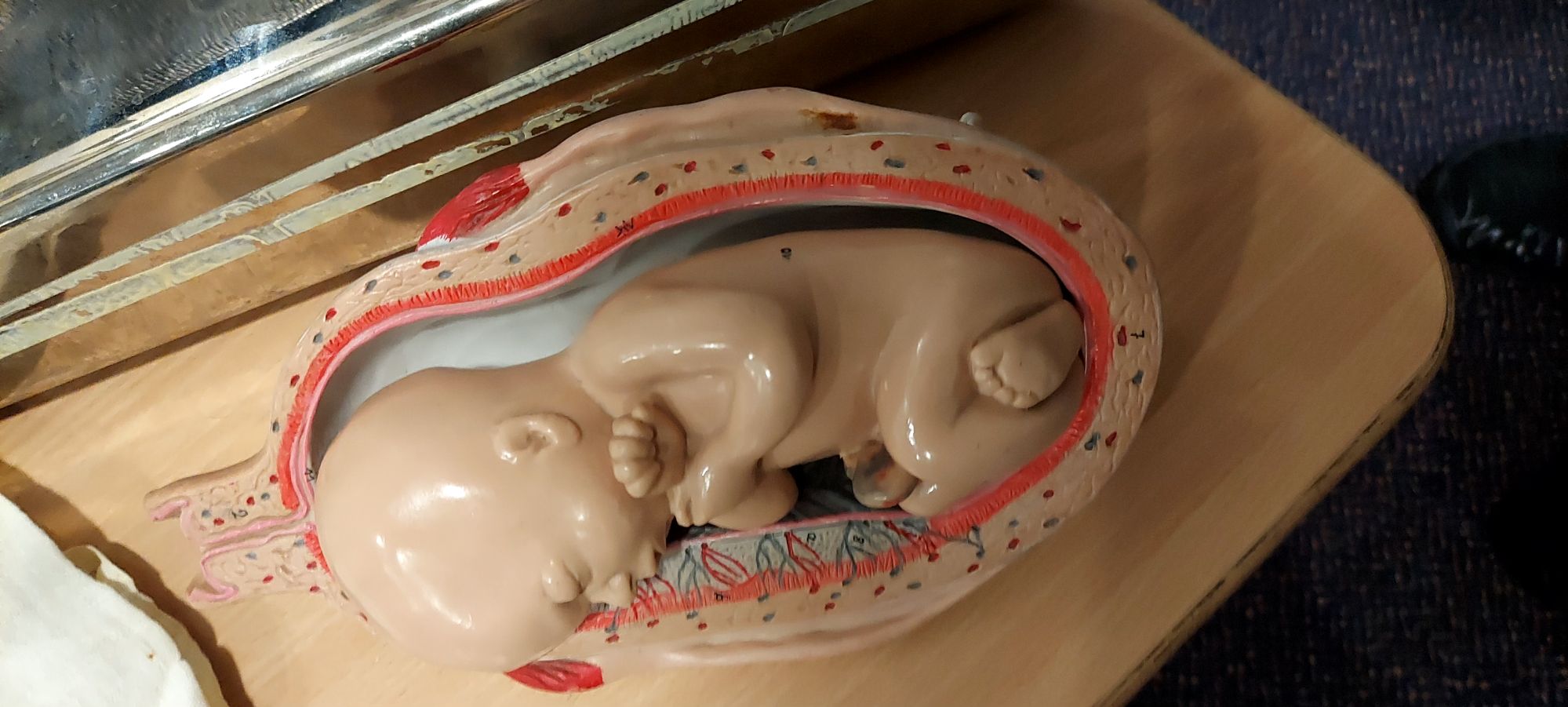
From an exhibition at the celebration of 30years at Crown Street, (Our Photograph)

The CQC report in August 2025 stated that Liverpool Women’s Hospital has improved.

Karen Knapton, CQC deputy director of operations in the north west, said:  “We were pleased to see that leaders and staff working in Maternity services at Liverpool Women’s Hospital had acted on our feedback from the previous inspection and worked hard to make improvements. Women and people using this service now had a much safer and improved experience of their care and treatment. Behind this was an improvement in how well-led the service was, which in turn supported staff to provide better care.

For example, it was positive to hear that leaders had improved staffing levels. Women using the service told us there were enough staff to meet their needs, and they were treated with compassion and kindness. It was great to see this reflected in a recent people experience survey, which found 94% of women felt they were treated with respect and dignity.

Overall, the Maternity team at Liverpool Women’s Hospital should be proud of the improvements our inspection found. They should use them as a foundation to keep building on.”

We applaud these improvements. Nowhere does the CQC mention relocation, nor have earlier, less complimentary CQC reports mentioned this.

Underfunding and understaffing have caused severe damage to mothers, babies and staff. More has been paid in damages from the service than has been spent on the whole national Maternity service.

Scandalously, “the potential cost of Maternity negligence claims in England since 2019 has reached £27.4 billion, which significantly exceeds the estimated £18 billion budget allocated to Maternity care over the same period“. We say improve the services and reduce the damage! When will the government focus on the needs of mothers and babies?? The voices of women and their families must be even louder on these issues.

Co-location has not been a success for maternity. It is not the only problem, far from it. Cuts and underfunding have been a disaster.

The “Case for Change” also says, “All other specialist centres for gynaecology and Maternity services in England have co-located acute and emergency hospital services.” We say that this co-location of Maternity in general hospitals has not proved to be a cure-all for Maternity crises, far from it. Maternity, despite being based in acute and general hospitals, is in crisis.

Although a standalone site, Liverpool is not one of the 14 Maternity providers involved in the so-called “rapid” national investigation of Maternity and newborn baby care across England. The Labour Government promised a rapid enquiry, but this enquiry is now not reporting before Christmas and might report sometime in the new year, and will not hear from bereaved parents.

Fourteen general hospitals ARE included in the national Maternity crisis, and others have been the site of some of the Maternity scandals. The Shropshire Okendon enquiry indicated that the management did not give Maternity due attention, nor did the Morecombe Bay hospital management give Maternity due attention, even after the big report.

It’s not just Maternity that is suffering in the NHS.

The women’s hospital reflects the many problems besetting our healthcare system. Books have been, and will be, written about this. We are trying to change the situation. These are the core issues.

  1. For many years now, the NHS has been underfunded and understaffed compared to other countries, and this has been a clear government policy.
  2. The organisation of the NHS has been damaged by pro-market legislation, especially the 2012 and 2022 Acts, which set hospitals up to compete against each other and allow for-profit interests to have a much greater say. Lord Darzi, in his report for the incoming Labour Government, described the 2012 Act as acalamity without international precedent” that “proved disastrous”. For Liverpool Women’s Hospital, it meant that cooperation between hospitals proved very difficult, and the high cost of the foundation trust system was too much to bear. Not keeping to an impossible budget made them constantly under pressure.
  3. Maternity and gynaecology, across the country, suffered badly, with one in six Maternity units closing, and standards deteriorating. A major Maternity crisis developed with standards and staffing suffering, resulting in damage to mothers and babies.

You get one chance to deliver a baby safely. There are no reruns or repeats. The accoucher must get it right every time. To do so, the midwife must be supported by her colleagues, midwifery management and work within a fully safe environment. Alas, with the fragmentation of our NHS, top-down draconian management, our mothers, their babies and our midwives are given short shift, and they become the victims of often tragic circumstances. There is a woeful shortage of skilled midwives. Anyone can deliver a baby, but it takes a skilled midwife to do so day in day out safely and with professional accountability,” from our campaigner Stephanie (below)
Campaigner Stephanie, one of the generation of midwives who say they worked in the golden age of the NHS. We fight for another golden age. Join us

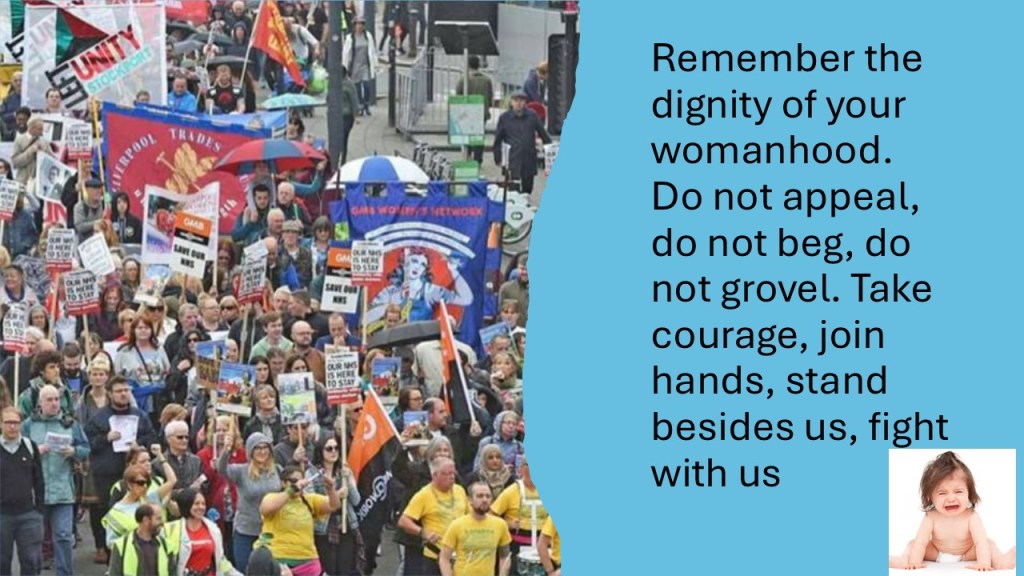
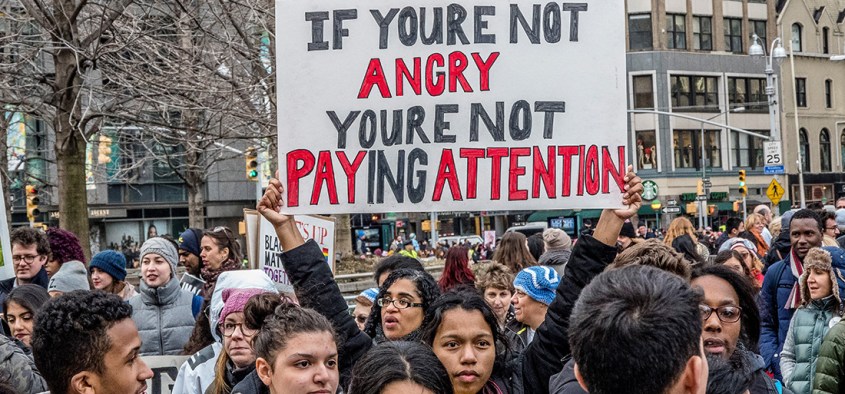
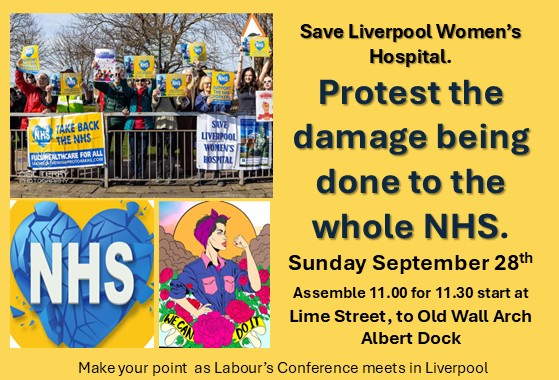
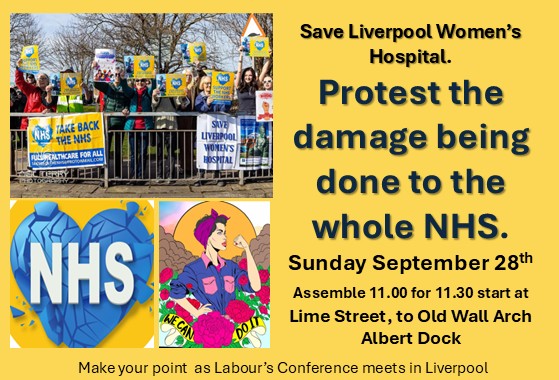
Protest the damage being done to the NHS on September 28th In Liverpool!

Protest the damage done to the NHS. The NHS belongs to the people. It should be a public service, not used for private profit. The NHS should be well-staffed and well-funded, with all government NHS funds allocated to patient care, staff, and resources.

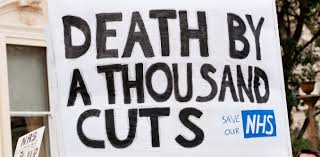
Protest that the NHS should be fully restored and repaired. No more cuts, redundancies or long waiting lists! Improve Maternity services, restore the GP and dental services.No cuts or hospital closures. We protest the damage done to the NHS and demand complete restoration and improvements in the NHS, for all our mothers, daughters, sisters, friends, lovers and every baby.

The threats to Liverpool Women’s Hospital are part of the general NHS cuts.

Please join us in this protest on 28th September in Liverpool. As the suffragettes said

Do not appeal, do not beg, do not grovel. Take courage, join hands, stand besides us, fight with us.”

We are protesting on 28th September when the Labour Party comes to Liverpool for its party conference.

Dr Tony O’Sullivan, Co-Chair of Keep Our NHS Public and retired Consultant Paediatrician, said:

“We’re on the brink of disaster. Everyone knows the NHS urgently needs rebuilding—from staff morale and workforce numbers to crumbling buildings and outdated equipment. Everyone, it seems, except the Labour government.”

It is not just Maternity and Gynaecology care that we fight for; we fight for the whole NHS. Excellent life-saving and life-improving care is delivered day in, day out, by the NHS. Some of it is groundbreaking care, and some of it is more routine. NHS staff work hard with great skill and good humour. Pay the staff well. NHS staff should not need food pantries.

Mary Bamber One of Liverpool’s Campaigning women from a century ago.

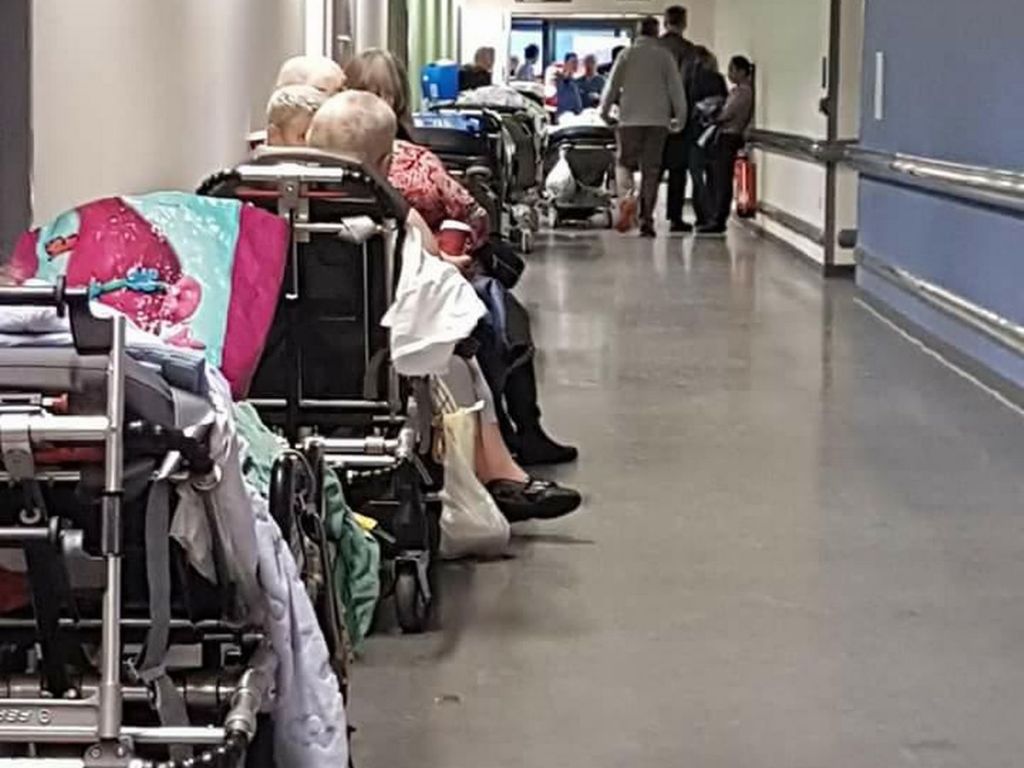
We say “No! to another winter crisis in our hospitals!” Prepare properly, organise the staff resources and the space now! The Government must provide the funds.

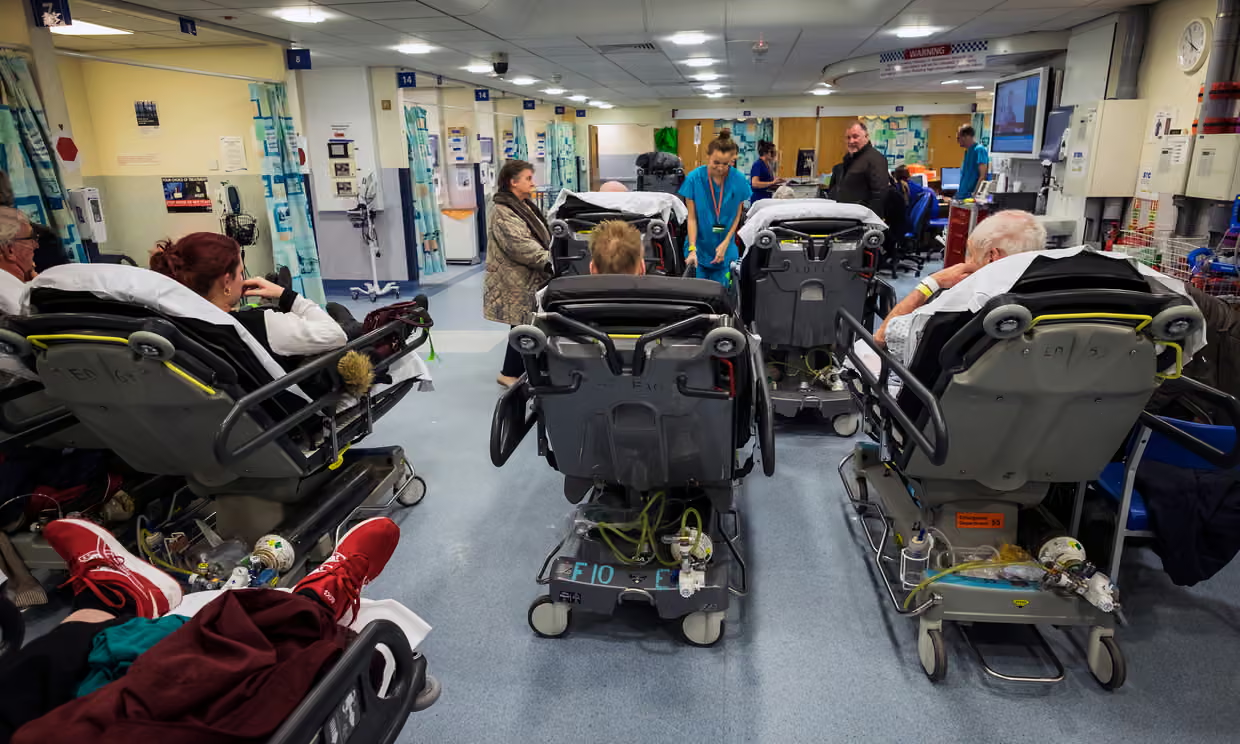
picture credit The Guardian (Nottingham Hospital)
The NHS is ours; it belongs to the people.

The NHS  is a legacy from the generation that defeated fascism. A legacy from the women who fought for healthcare for mothers and babies throughout the early 20th Century, often while they also fought for women to have the vote, and it’s a legacy all the women who have fought for our rights since then.

The NHS is a legacy of the trade unions that had set up mini-healthcare systems in mining villages, as well as the unions that demanded universal healthcare. The RMT union has helped publish accounts of how railway workers suffered before the NHS was established. The socialist doctors, some from Liverpool, helped shape early Labour Party policy on health. What would they say about the situation we are facing now with a Labour Government doing such damage?

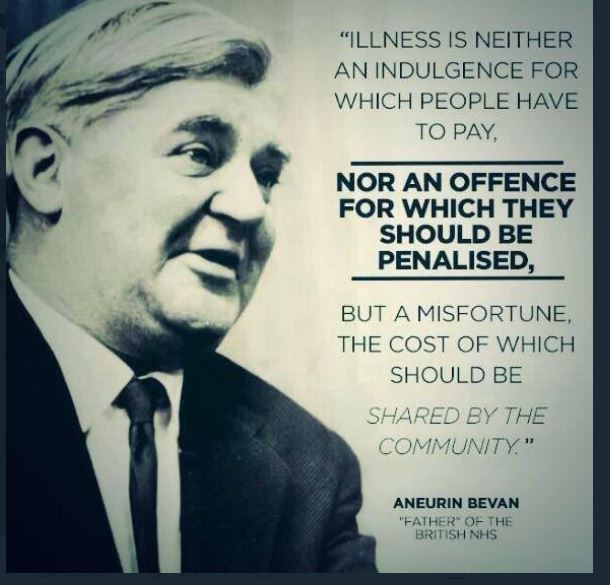
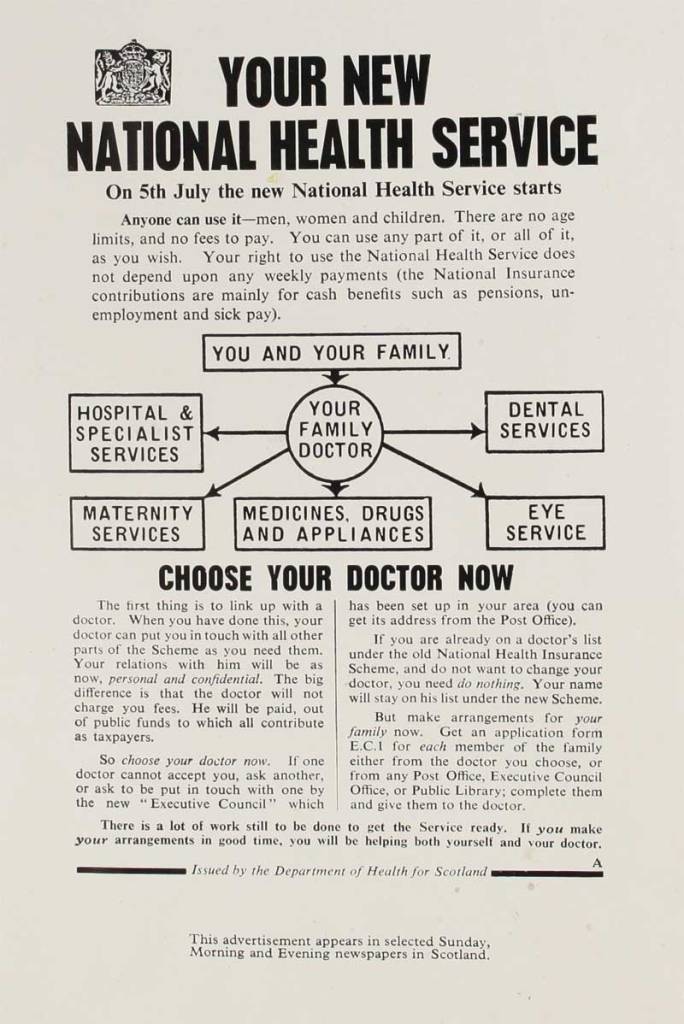
The NHS is a legacy from those who elected the 1945 Labour Government that set up the NHS, while the country was in staggering debt from World War 2. That Government answered to working-class people, improving their lives, not worsening them.

The NHS is a testament to the countless hours of work that doctors, midwives, nurses, and all NHS workers have dedicated to the service, far exceeding their paid hours in both good times and challenging times.

Yes! We can afford the NHS.

This Government’s excuse is the level of national debt. When the NHS was founded, the UK national debt (from war expenses) was 230% of GDP. Today, it is 95%. It is bad for people and bad for the economy to deprive us of good healthcare.

The NHS was founded to be a universal public service, publicly provided and not for profit. The National Health Service provides healthcare to (most) people in the UK, free at the point of need. It is funded by the Government, like other major services.

The NHS faces major cuts and a long process of privatisation, and the use of NHS funding for private profit. Despite facing understaffing, staff redundancies, underfunding, and crumbling buildings, resources are being diverted to profit private companies, including some very unpleasant ones like Palantir.

No one using the NHS faced bankruptcy or denial of services because of medical bills or lack of medical insurance.

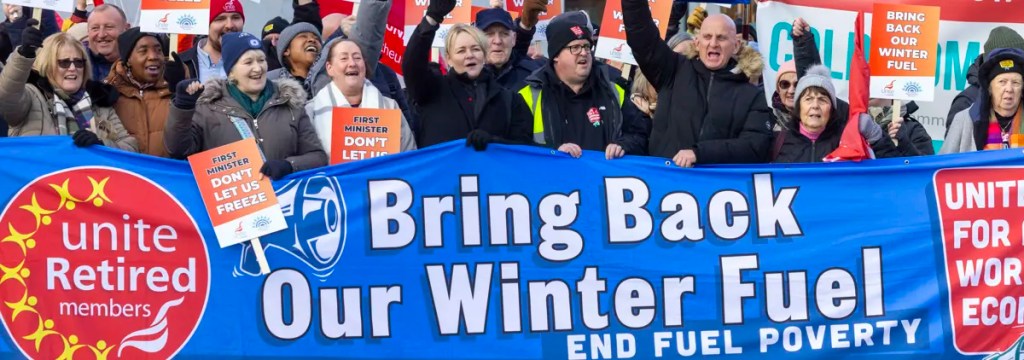
There are many ways to reduce the cost of healthcare, starting with better housing, food, access to heating, insulation, and air quality, all of which contribute to keeping people healthy. However, in 2025, we also need investment in healthcare.

We demand an end to poverty. Maternity Action reported from a survey of women on Maternity leave (with a little baby in the house) that:

  • One in 10 (10%) of mothers who were using infant formula struggled to afford it. One in four (27%) had cut down on food for the rest of the family in order to buy formula milk.
  • Nearly three in five (57%) had reduced the number of hours they heated their home.
  •  Nearly two in five (39%) had reduced use of electrical appliances.”

Yet most of these mothers had occupational Maternity pay, not just the very minimum the state provides.

UK Maternity services are suffering.

Black Asian and women in the worst off areas re more likely to die in childbirth, or to lose their babies. Liverpool women’s health is set to deteriorate until 2040.

In the 21st Century, the world has made great improvements to Maternity care. In the UK, our maternal and infant mortality rates have worsened while those in other countries have improved.

NHS Maternity is 17th out of 19 comparable countries in infant mortality.

Maternal Mortality is rising, despite fewer births.

The North of England and Black and Asian communities are suffering the worst in infant mortality. In 2022, the UK ranked 19th out of 22 comparable countries, and that has not improved since.

Years of austerity and government cuts have done massive damage to maternity care. Women’s health, life expectancy, and life in good health have all suffered and more so in the UK than in other European countries

What does the NHS do in 2025?

In July 2025, it was reported that each day the NHS provided:

  • Over 1.3 million people attend a GP appointment.
  • Outpatient Appointments: Over 304,000 people attend an outpatient appointment.
  • Emergency Services: Nearly 35,000 people call 999 for an ambulance.
  • Major A&E: Nearly 46,000 people attend a major A&E department, with about a third of these patients admitted to hospital.
  • Community Healthcare: Over 288,000 people receive community health care services.
  • About 1,688 babies are born in England each day,

The NHS is cost-effective and available free at the point of need (to all but migrants, which is cruel and not cost-effective). However, the NHS lags behind other countries’ health systems in the following ways.

  • A lack of key resources, including the number of doctors per head of population, the number of hospital beds, and the waiting times for treatment.
  • Important health outcomes, such as certain cancers and life expectancy, are worse in the UK.” By 2023, the UK female mortality rate was 14% higher than the median of peer countries, and the UK male mortality rate was 9% higher.”
  • Public health issues include housing and food poverty, as well as cutbacks in Public Health Services that work to prevent and control disease. “A report from the UK charity the Health Foundation reveals that public health grant allocations in England have been cut by 24% in real terms per capita between 2015–16 and 2021–22.” 

Founded 77 years ago, the NHS fundamentally changed the lives of women, children, and the poor for the better. NHS care outstripped the care previously provided in private hospitals, and the NHS was used by rich and poor, young and old, black, white and brown alike.

Why should we put up with cuts, underfunding, understaffing, and the service being asset-stripped by privatisers?

Every family is affected by the NHS from before conception to the grave. It is with us at our happiest, our most anxious and our saddest times. NHS care affects how long and how well we live.

Grim times for the NHS.

After decades of cuts, privatisation, and money-wasting schemes, such as PFI and Sub Cos, we were promised change for the better, but it has not happened. Could this have to do with the huge donations ministers have received from private health corporations?

We say.

  • Restore the NHS as a fully funded universal public service, publicly delivered and government-funded.
  • Kick out the privatisers and profiteers.
  • Fund patient care to equal the best in Europe.
  • Provide the necessary staff. Improve staff pay and conditions. The NHS should be a good place to work, offering good pay, manageable workloads, and time for staff to think.
  • Fund the repairs and replacement of the necessary buildings to ensure good, timely care.
  • Don’t fund private healthcare or dubious global corporations that are there to make money and make donations to politicians. Pumping money into the private sector damages patient healthcare.

Our findings show that the private sector is now substituting for, not adding to, NHS capacity.”

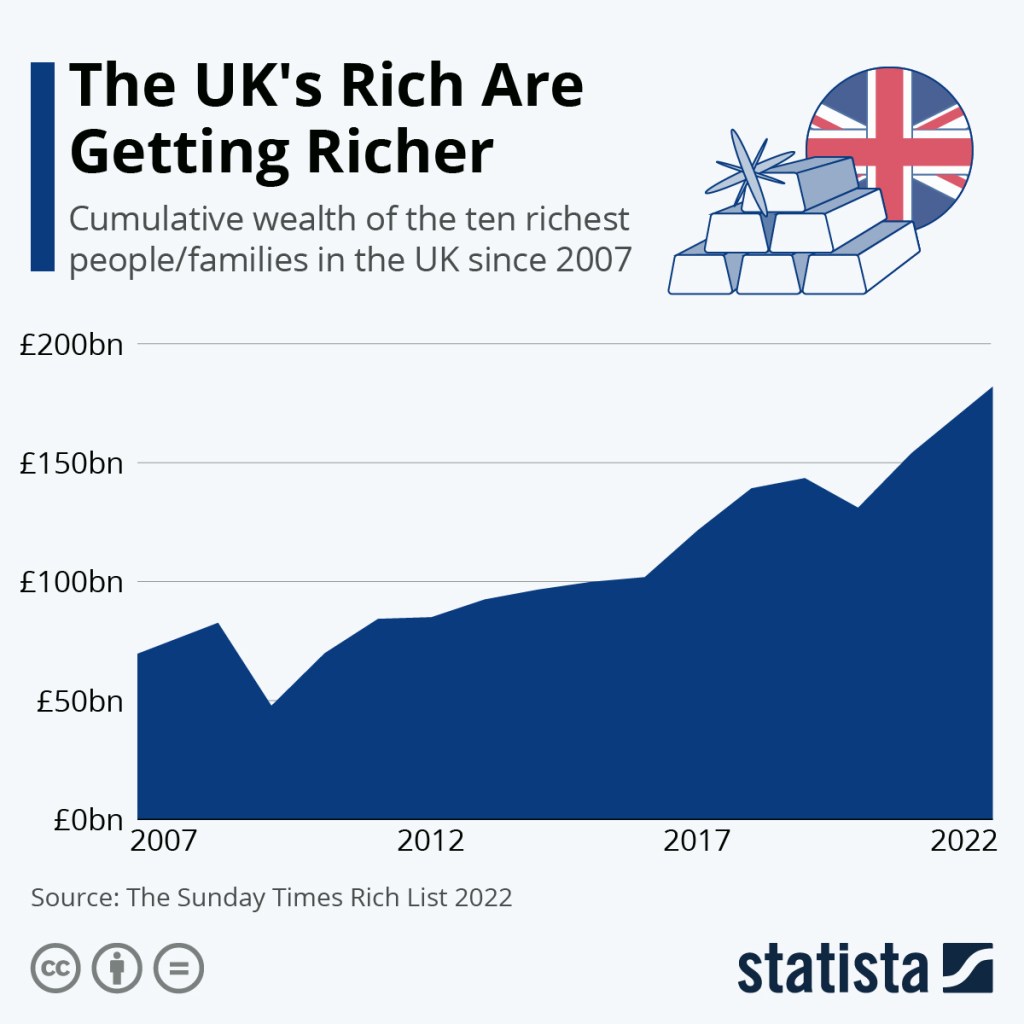
The UK is a very rich country and the rich are getting richer while poverty spreads. It can afford healthcare for all. Indeed, providing universal healthcare is a major investment in the country’s health, wealth and well-being.

image from Statista

The damage done to the NHS over the last few governments is massive. This Government is causing ongoing harm by reintroducing some of the most costly and wasteful (yet profitable for big companies) ideas, such as PFI and Sub Cos.

The (near) universal, free-at-the-point-of-need system in the NHS is an excellent national investment. It gives a good return on the money invested. The cost of collecting fees for health care from migrant workers often exceeds the amount collected.

No solution exists in the US model, regardless of how many government advisers come from that sector. There is a much pushed argument that we can’t afford the NHS, and we should move towards the US health system.US health system corporations are definitely getting claws into our NHS, and they only do that for profit.

In the USA, the Government pays twice as much per person for healthcare. Yet this leaves millions without treatment if they cannot afford the additional insurance. When families can afford health insurance, that insurance can cost as much as their mortgage. Most healthcare plans cover 80% of the cost of care, with the patient paying the rest. What if the 20% is 20% of a very costly treatment like cancer care? One hundred million US citizens owe $220 billion in medical debt. Medical debt can wreck their credit rating and stop them from being able to rent or buy a car on credit.

The USA’s health outcomes are among the worst in the Western world. Maternity and infant mortality are shameful. “The U.S. has the lowest life expectancy at birth, the highest death rates for avoidable or treatable conditions, the highest maternal and infant mortality, and among the highest suicide rates.”

In the UK, we need the Government to;

Reverse privatisation of the NHS in all its  many forms

Provide much better funding and staffing in Maternity.

Provide safer, respectful,  personalised care for all mothers and babies at every stage of Maternity care.

Bring back quality postnatal care in the hospitals and in the community.

Tackle maternal poverty and food poverty.

End the contract with Palantir,  one of the most notorious companies in the USA.

Ban UK politicians from accepting funds from private health corporations or individuals connected to private health or private health insurance.

Fund the NHS to at least good European levels, with all that funding going to the NHS  patients, staff, equipment and buildings, not to private companies.

Provide more hospital beds.

 “The NHS has a shortage of hospital beds, with occupancy rates consistently exceeding safe levels. The UK has 2.4 beds per 1,000 people; Germany has 7.8 beds per 1000 people. This shortage of beds leads to corridor care”.

Develop a proper workforce planning system, make sure doctors, midwives, nurses and other health professionals have jobs to go to when they qualify. Provide a fully qualified workforce.

Repair our GP service. High-quality healthcare at the GP level should be easily available to all. It is the foundation of good healthcare.

Employ the unemployed GPs. End the power of private companies to buy and run GP practices.

Repair the fabric of our hospitals, clinics and GP surgeries

Bring mental health fully back into the NHS.

Bring dentistry back into the NHS. British Dental Association (BDA) analysis of the data found that nearly 14 million UK adults are unable to access NHS dentistry. 

Tackle the waiting lists; don’t fund second-class care in the for-profit sector.

We all need the NHS

From assisted fertility (where needed), to antenatal care, maternity care at birth through postnatal and early years support, through childhood and adolescence, through until old age, the NHS is there to support us. We can all use NHS services, whether in accident and emergency, planned (elective) care, the GP service, mental health services, public health or care in the community. Few are lucky enough still to use NHS dentistry.

If you are younger than 78, you should never have needed to pay for hospital or GP services.

Charges crept in even before austerity for teeth, spectacles, prescriptions and social care. Margaret Thatcher started privatisation in 1982. Her Central Policy Review Staff (CPRS) plan would dismantle the welfare state, scrapping free universal healthcare, forcing people to take out private insurance and charging for education. The CPRS report said, “for the majority the change would represent the abolition of the NHS.” She backtracked when she saw the opposition. She outsourced hospital cleaning, which led to a rise in hospital-acquired infections. Yet even she hesitated to touch the NHS, but later governments have done significant damage.

Social care for our elders was privatised and has become very expensive for individuals and families, unless the NHS pays for it under continuing care. If Social care had been fully nationalised, such payments, either by individuals, families, or the NHS, would not be needed. We would not have been subsidising the profit of hedge funds. Most care homes are private, and many are owned by big business and are very profitable. Much of this profit comes from fees paid by the NHS, local authorities and families. These huge profits are not reflected in the wages paid to staff.

The care provided in our NHS is, many times, excellent, life-preserving, innovative and respectful. NHS staff work hard and often very cheerfully.

Sadly, decades of austerity, privatisation, and mismanagement have caused severe damage to our service.

The 1945 Labour Government founded the NHS. There was hope that it would be improved when Labour won the last election, but we see ongoing damage. Don’t let the damage continue. Save lives—protest for the NHS.

Protest to build a movement like the suffragettes so big the governments are obliged to take action. If enough of us do something about the NHS we can build an unstoppable movement

Funding refusal hits Cheshire and Merseyside NHS Hospitals.

June 5th 2025

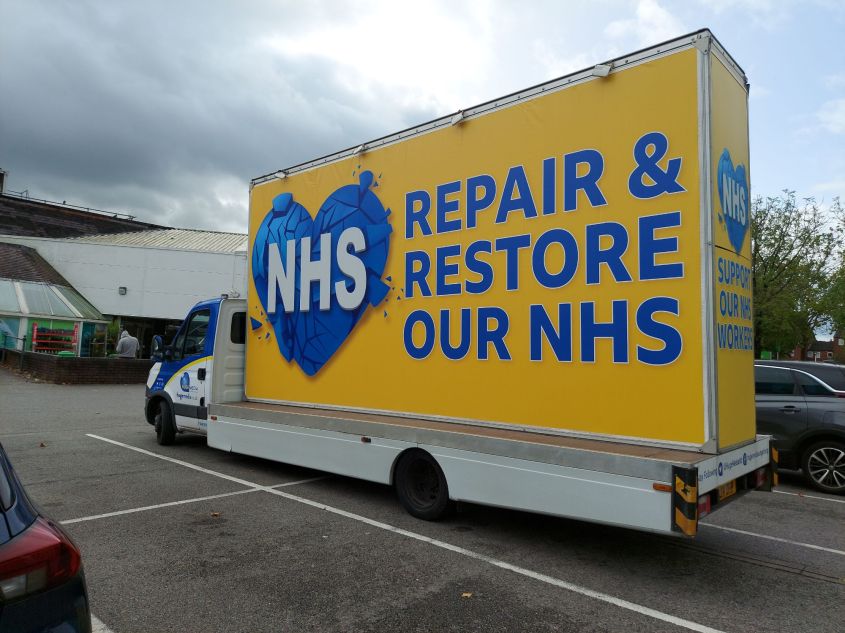
The campaign wagon that we use when we can collect enough donations.

NHS University Hospitals of Liverpool Group Board meeting.

As members of the public, we have attended the ICB and the Liverpool Women’s Hospital Board meetings for some years and attended the NHS University Hospitals of Liverpool Group Board meeting on June 5th, 2025.

We heard that because the ICB was refused the funding it requested, all Cheshire and Merseyside Hospitals and many other services must change their financial plans for the worse. However, the Trusts are not allowed to reduce their planned services! This must increase pressure on the frontline NHS workforce. Staffing is a large part of all NHS spending and is crucial to patient care.

Note: “Cost Improvement Plans” are cuts. Yes, a large organisation like the NHS must be on the watch for potential savings, but the system is used to enforce cuts.

The ICB reported that “On April 30th 2025 the ICB submitted a compliant plan ( which has resulted in both the ICB and every Cheshire and Merseyside Trust provider taking on additional cost improvement requirements (resulting in an aggregate deficit across the 16 NHS providers of c£228m offset by a surplus for the ICB of £50m). This compliant plan will enable us to spend our allocation, plus the additional £178m of deficit support funding (equivalent of 2.2% of our allocation) during the 2025/26 financial period. Whilst agreeing a plan was essential to securing the deficit support and cash to underpin this, our attention must turn now to the effective delivery of the plan and effectively mitigating the risks“.

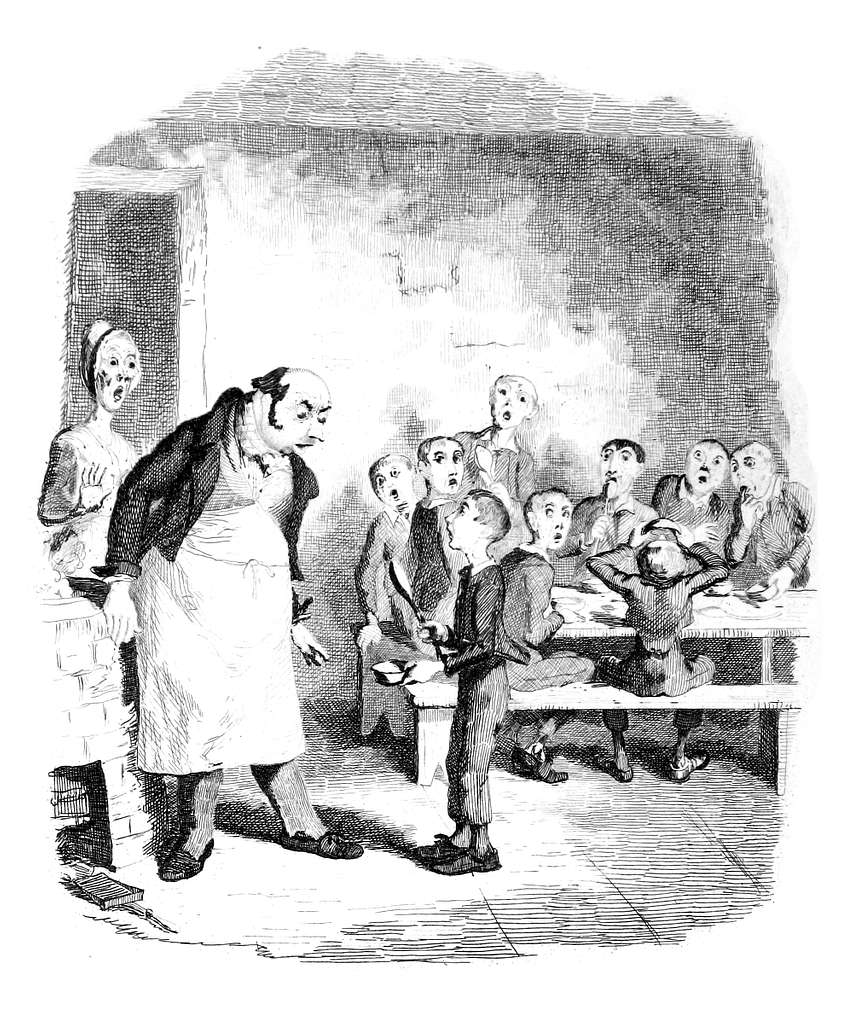
Like Oliver in the workhouse, the ICB asked for more Picture credit

See our commentary on the May 2025 ICB board here.

We have always opposed the ICB system imposed by the 2022 Health and Social Care Act. Streeting is giving us more of the same.

We have observed how trusts negotiate their funding with the ICB. They agree on a plan for services, treatments, and the required money. It is a complex operation with oversight from outside bodies. The ICB takes all the plans for all the services in the area to NHS England and agrees on funding levels. Negotiations continue during the year for next year’s funding. The NHSE rewards trusts that do well in certain areas and has just announced some capital funding for buildings and extra services, including mental health in the acute hospitals. This, though, we are told, is not additional money. This carrot-and-stick funding is inappropriate and wasteful; it just lets a few positive headlines help some MPs.

The ICBs ( separate and distinct from the Hospitals and provider services) face significant cuts in their functions and funding as Wes Streeting implements his peculiar plans for the NHS.

The Government spends less on healthcare than other advanced countries.

 Wes Streeting, the Labour Secretary of  State for Health and Social Care, has proclaimed that the NHS will get no extra funding without “major surgery” and reform, including more use of the private sector.

The Health Service Journal reports that his year, “Integrated care boards and trusts are collectively aiming to make efficiency savings of 7.1 per cent or £11bn.”

These cuts are imposed while the winter crisis in our hospitals lives on through the summer in some places and is unlikely to improve next winter. At the same time, we have unemployed GPs, people needing GP care, and more than six million people waiting for treatment.

Women’s health sees some of the longest waiting lists, and our Maternity outcomes urgently need to be improved. Women hold up half the sky and make up nearly 80% of the NHS workforce. They are more likely to think of the NHS when voting. Yet our healthcare is disrespected in so many ways. The country has a Maternity crisis, and mental health care is severely damaged. Social care is a disgrace.

Liverpool Women’s Hospital is now part of the NHS University Hospitals of Liverpool Group, which comprises The Royal, Aintree, Broadgreen, and Liverpool Women’s Hospital. Other Liverpool Hospitals will also join the Group soon. “Liverpool Heart and Chest will join by September this year, the Walton Centre by December, and the Clatterbridge Cancer Centre by March 2026.”

Liverpool Women’s Hospital is still technically a separate Trust; however, the final say now rests with this group board, none of whom, as far as we can tell, have obstetric or midwifery expertise.

Hospitals receive funding via the ICB. They also agree on their planned treatments and urgent and emergency care Plans with the ICB. The Trusts are paid for what they plan to deliver.

 The Trusts and the ICB had drawn up these plans in detail. NHSE had appointed outside bodies, like Price Waterhouse Coopers,  to work with the  Liverpool boards and the ICB to oversee their finances and to reduce spending. It was just such a worked-out package that NHSE  declined. Further,  NHSE  would withdraw previous deficit funding of over £176m to Cheshire and Merseyside if the books were not balanced. Each Trust was given far less money than they expected.

The CEO of the Liverpool Group explained that, having received less funding, they had to decide which services to cut. But, they were then told they still had to meet the original service targets with less money.

So, Liverpool Women’s Hospital is facing more financial problems. It is a small hospital whose funding is determined by the Maternity tariff, and the Maternity tariff( funding) is inadequate across the country.

These national cuts are a policy decision distinct from previous years. They come after years of Austerity, privatisation, and underfunding in the NHS. Sadly, this Government’s policies are little different from the last.

Campaigns do make a difference. If you fight, you might just win.The more people involved, the more likely we are to win. So, we have to campaign harder and draw more people into the campaigns to Restore and Repair the NHS.

The NHS came from ordinary people, unions, women’s organisations and community groups. That is to whom we must turn again. Please join the campaigns to restore and repair the NHS. Contact us for details on how you can help.

There may well be some waste and overspending in the NHS. These cuts happen while more than six million people are waiting for treatment. Some treatments, like those for endometriosis and young people’s mental health, need to improve. We need democracy and community oversight in the NHS.

When our campaigners go to meetings and read their papers, we still have limited sight of what’s going on and only retired people really have the time to attend these meetings.

On June 5th, we could not even hear crucial sections of the meeting where significant changes in the funding and delivery of services were being discussed. We were “told off “for asking them to speak up in what is supposed to be “a meeting held in public.” They have promised to use microphones at the next meeting. There is no effective democratic scrutiny of the NHS.

This new board format shows less detail of Liverpool Women’s Hospital matters. We do not, for example, see the staffing fill rates for different services as an issue that matters very much to women giving birth. From the reports that we did see, we learned that Liverpool Women’s Hospital has a significant waiting list for Gynaecology treatment:

Gynaecology remains a challenged speciality nationally in terms of long waits and capacity constraints. At LWH, referrals into the Gynaecology suspected cancer pathway have significantly increased over the last 3 years, increasing from 3,500 per year in 2021/22 to 6,000 per year in 2024/25 – a 71% increase. Demand has been exacerbated by changes in the Post Menopausal Bleeding pathway as well as significant long waits for General Gynaecology services. LWH is also the Tertiary provider for Gynaecological Cancer across Cheshire & Merseyside.” Page 239 in the Board papers

The hospital is opening three new “ambulatory” (daytime) treatment rooms. However, increased demand has already shown a need for still more capacity and money to fund that capacity. We were told that close work with other cancer teams across the Group and support from across Cheshire and Merseyside are helping to develop an effective plan to drive down this waiting list.

Gynaecology has one of the longest waiting lists across the country.

In March 2025, Endometriosis UK wrote New data shows the non-cancer gynaecology lists continuing to stand at over 580,000 women in England alone, with women waiting months and even years with serious, progressive conditions, including endometriosis.

 In December 2024, The Guardian wrote that waiting lists for gynaecology appointments across the UK had more than doubled since February 2020. Records show around three-quarters of a million (755,046) women’s health appointments are waiting to happen – up from 360,400 just before the pandemic..

Unsurprisingly, pressure is being put on the workforce to work harder. All kinds of stunts are coming in, like outsourcing, insourcing (not the same as bringing services back in-house), changing how bank nurses are paid, not filling vacancies and more privatisation. Privatisation is not more cost-effective, nor does it deliver better patient outcomes. Services, too, will be cut.

It is unacceptable that the Government is imposing such a scale of cuts while we wait for treatment.

We learned little of the plans currently being drawn up for the future of “Women’s Hospital Services in Liverpool”. We questioned whether staff at LWH had been told that one option was a new build on the Royal site. It seems it was mentioned at a staff briefing, but only as a reference to the options years ago. The ICB had categorically ruled out a new build for Liverpool Women’s Hospital on the old Royal site, and the site has been agreed upon as a new building for the university. The Echo reported on June 5th about more details for the site of the old Royal, including an improved entrance to the Royal Hospital. There is no mention of a rebuild for Liverpool Women’s Hospital, although plans can change until construction starts.

We want the Liverpool Women’s Hospital to be properly funded and staffed and to remain on the Crown Street site in cooperation with other hospitals.

Our huge petitiononline and on paper, says

Save the Liverpool Women’s Hospital. No closure. No privatisation. No cuts. No merger. Reorganise the funding structures, not the hospital. Our babies and mothers, our sick women deserve the very best.”

Why is this important?

All the maternity and women’s health provision of Liverpool was pulled into this one site. It’s a much loved hospital. It provides crucial specialised care and the daily joy of new babies. #one born. The driving force for closure is a clumsy funding structure not the needs of women and babies. The alternative of wards in the new Royal is not an equivalent.

This is a modern hospital on a good site. Our taxes built it for our babies and for our women.

We campaign to save Liverpool Women’s Hospital, to Restore, Repair the NHS, and to make the NHS a great place to work. Please help. Combining our paper and online petitions, we have 81,470 signatures. Please help us get even more. Our work includes petitions, leaflets, stalls, rallies, working with other Maternity campaigns and with community groups, unions, Keep Our NHS Public, and other NHS campaign groups, our Facebook page, and this blog aims to provide information and help campaign organisation.

Proposals for the future of Liverpool Women’s Hospital seem likely to be published before the end of the year. They will then have to go to a public consultation.

We heard on our stalls that staff at Liverpool Women’s Hospital had been told that the hospital would be rebuilt on the site of the demolished old Royal. We asked the ICB, “There is mention of a meeting with the LWH staff to reassure them about the process. Was there mention of the likelihood of funding for a new building on the Royal Site? We have been told that this happened, but this contradicts earlier statements from this board. ”

We asked the Hospitals Group board,” Regarding Women’s services in Liverpool, has the suggestion of a new Liverpool Women’s Hospital at the Royal site been raised with staff either at the Royal or LWH?

The ICB answered. “There was a staff engagement event in February 2025. This event was to update staff on the progress and next steps of the programme i.e. the development of an options appraisal process. Consideration of the funding requirements are a part of that process for developing potential options to address the risks identified; this will be both capital and revenue costs. This was discussed in general and hypothetical terms only, as no funding decisions have been made at this point.”

We need clarity on this. If staff are being reassured by ideas of a significant new build, an idea that contradicts what the public has been told repeatedly, there is a lack of clarity.

Meanwhile, the fight to protect and improve healthcare for all our mothers, sisters, daughters, friends, lovers, and every baby continues in these grim circumstances.

Our grandparents and great-grandparents fought for and won the NHS as healthcare for all, free at the point of care, publicly provided, funded by the government, providing the best available treatment in a timely fashion. The impact of the NHS on women’s lives was profound. The NHS was won at a time of hardship in the British economy, when Liverpool and other cities were still full of bomb sites. Our current period of cuts and closures, of declining outcomes and greater birth trauma, is robbing us of the legacy left to us by the generation that defeated fascism. Fight for our healthcare like your grandparents, great-grandparents, and even great-great-grandparents. In the early 20th Century, the working-class women of Liverpool fought long and hard for better healthcare and won it. We can do that too.

Build Resistance to NHS cuts

Restore and Repair the NHS: June 2025; It does not have to be this way!

Last Thursday, May 29th, 2025, campaigners from Save Liverpool Women’s Hospital and Restore and Repair the NHS attended the Cheshire and Merseyside Integrated Care Board meeting. It was a truly grim meeting. The significant cuts that the ICB faces to its funding at a time of great stress to the services and our communities are a disgrace, and this lies at this Government’s feet. The blame for what this body did lies squarely with the Government, but the personal responsibility cannot be shirked.

Do not give up!

We are angry but far from giving up: “Do not appeal, do not beg, do not grovel. Take courage, join hands, stand beside us, fight with us.” (Christabel Pankhurst). Please join us and all who fight to restore and repair the NHS.

Great work goes on day after day in our NHS, but a lack of staff, resources, beds, and funding puts huge strain on the staff and damages the experience and outcomes for patients.

Problems at the ICB

The ICB system nationally is facing huge changes, financial cuts, and staff redundancies. yes the last govenment caused terrible harm. The Government has not done a risk assessment on these changes, and the impact of the Government’s financial decisions has been severe.

ICB Funding.

Hospitals are funded via the ICB. During the pandemic, hospitals were funded according to the treatments they provided. Now they must tailor their work to the money provided.

Let us be clear: This country can afford better health care. Healthcare is a great investment and provides a return on money invested financially, socially, and in creating a healthier workforce.

In 2024/25, the Cheshire and Merseyside ICB told NHSE it could not match the sum allocated to its planned spending. Seven other ICBs were in the same position. The Cheshire and Merseyside NHS budgets include all sixteen hospitals and primary care. Earlier in the year, they were given £178 million ‘deficit support’ ( a loan that must be paid back over several years). This was, however, still not enough to balance the books.. The ICB board met with the NHSE board, who said that if they did not balance the books/make cuts, then the £178m would be withdrawn and they would have to make £178m further cuts. The ICB must now work with each hospital to see where these cuts can be made. “On April 30th 2025 the ICB submitted a compliant plan which has resulted in both the ICB and every Cheshire and Merseyside Trust provider taking on additional cost improvement requirements (resulting in an aggregate deficit across the 16 NHS providers of c£228m offset by a surplus for the ICB of £50m.)This can be seen on page 8 of the board papers.

The ICB must also reduce its spending to meet national averages, as the area started with higher funding. Cheshire and Merseyside have the highest per-person funding, representing greater need here. But it is to be reduced over a number of years.

Wouldn’t it be good if the Government reduced poverty and ill health, too? They could start by responding to the Medact campaign for homes for all.

an Echo Photo of a protest to keep the inpatient ward in Marie Curie

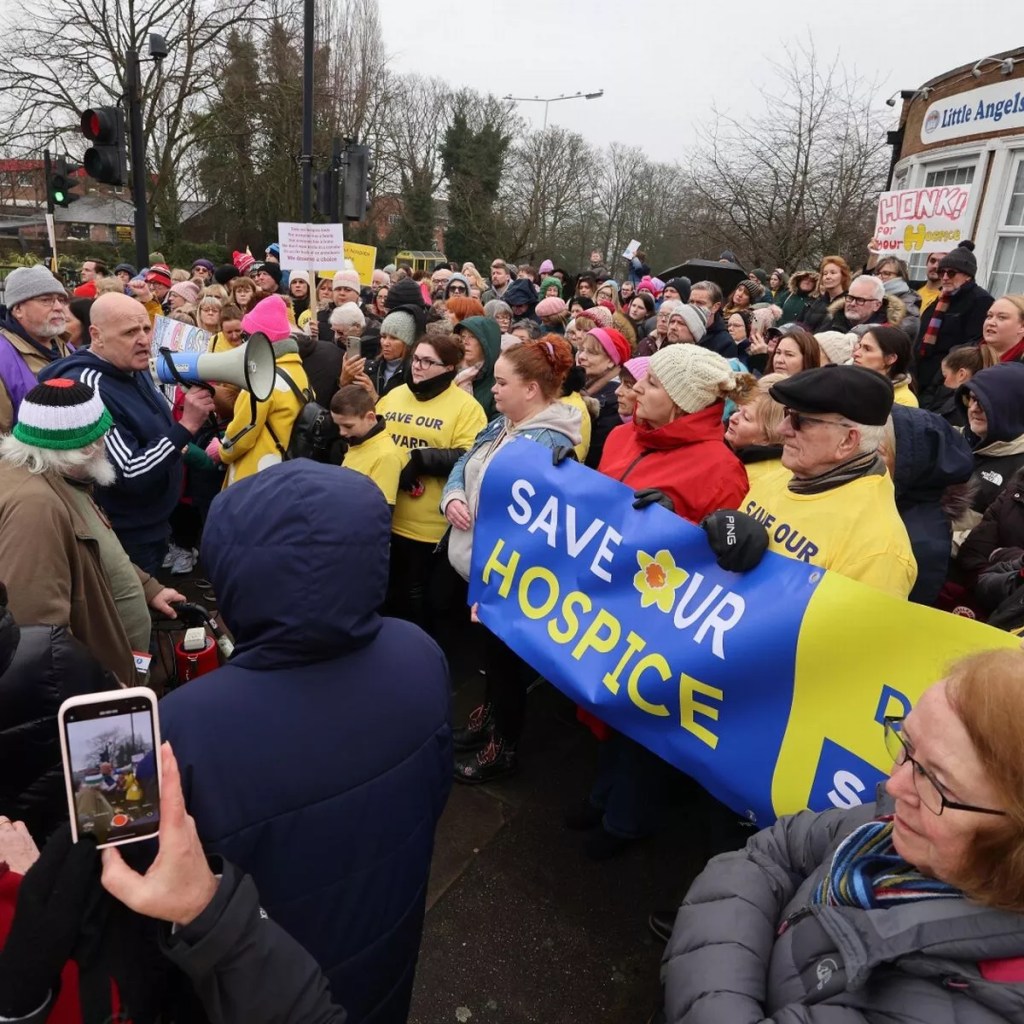
The Marie Curie campaigners to keep the Woolton hospice inpatient ward open, spoke in the public questions session at the start of the ICB meeting. They spoke movingly about the need for end-of-life care, but no concrete proposals were made to save it. The responsibility is shared between the ICB and the charity.

The hospice campaign is doing such a good job,we give them our full support.

Isues at the ICB meeting

  • The NHS is facing harm nationally and locally. The Government and the NHS bodies are aware of this. The ICB’s finances come from the Government.
  • The highest risks shown in the May ICB papers are “Lack of Urgent and Emergency Care capacity and restricted flow across all sectors (primary care, community, mental health, acute hospitals and social care) results in patient harm and poor patient experience.”
  • Too few hospital beds and the chaos of the privatised social care system are behind the “lack of flow.”
  • Maternity. There have been many prestigious reports on the crisis in Maternity., many parent groups are fighting for answers. The UK has poor infant mortality rates. In England, the mortality rate for infants living in the 10% most deprived areas was over twice the mortality rate for infants living in the 10% least deprived areas. Maternal Mortality has risenThe maternal death rate increased to 13.41 deaths per 100,000 pregnancies between 2020 and 2022, according to figures published by the MBRRACE-UK investigation into maternal deaths in the UK. The figure was 8.79 in the period 2017 to 2019.” It is the highest death toll since 2003-05, when the maternal death rate stood at 13.95 deaths per 100,000.
  • Liverpool Women’s Hospital is featured twice in the ICB  register of risks, once because it is”not compliant” financially. Although Liverpool Women’s Hospital is the centre of attention as the largest Maternity service, financial and staffing problems are shared nationwide. There is a national Maternity crisis, with Nottingham currently in the spotlight. Leeds has also reported problems following parental complaints. Wes Streeting, Secretary of State for Health and Social Care,  has apologised to bereaved parents (as reported in the Health Service Journal). £100m was invested into improving Maternity safety annually following the publication of an interim report into poor care at the Shrewsbury and Telford NHS trust. However, the Royal College of Midwives reported that this national Service Development Funding (SDF) for Maternity services will drop from £95m in 2024-25 to just £2m in 2025-26. The Royal College of Midwives said, “These budget cuts are more than shocking; they will rip the heart out of any moves to improve Maternity safety. The Government has taken a wrecking ball to work that’s being done up and down the country to improve Maternity safety, something which is desperately needed.” When questioned, the ICB did not share Gill Walton’s concern. Yet Ormskirk Hospital Maternity service, one of the ICB’s Maternity providers, receives a requires improvement rating from the CQC, Liverpool Women’s Hospital requires more funding.
  • Our campaign to Save Liverpool Women’s Hospital is inextricably linked to the need to fully restore the NHS as a national, publicly owned, publicly provided, democratically accountable service, well-funded and well-staffed. There is a national Maternity crisis due to understaffing and underfunding. The situation for the Liverpool Women’s Hospital was not directly addressed, however, the path the ICB started on with the Engagement process last year is carrying on and that Liverpool Women’s Hospital cannot function without additional funding, but that is true of Maternity nationally. It is unclear when we will hear more of the plans for Liverpool Women’s Hospital.
  •  Poverty and ill health. The problems in poverty, ill health  and life expectancy
The Mother Statue at Liverpool Women’s Hospital

The fundamental problems are understaffing, inadequate resources, privatisation and underfunding. Few people expected the situation to continue and the issues to deepen after the Conservatives were booted out of Government. For an assessment of what the Labour Government has done, see here. We started this new Government with fewer beds and doctors per head of population than other advanced countries like France, Germany and Spain.

Labour MPs are publicising the Repairs funding the Government are giving to our hospitals but the underlying situation is a disgrace. It is a bit like an abusive husband deigning to repair the roof. The cuts to main services outweigh this, but do some MPs even know, or bother to find out?

The ICB model imposed on the NHS in 2022 is fundamentally flawed. It uses commercial rather than public service systems . Privatised public services do not work well, and mixed public and privatised health care, as we now have it in the NHS, is wasteful and damaging.

The level of funding for healthcare in the UK is inadequate and below the level provided in other advanced economies.”Among the G7, the group of advanced economies to which the UK is most commonly compared, the UK is the joint lowest spender, regardless of how we measure spend. A 2022 table puts us 37th in the international spend per head of population. Another study shows the US as the highest spender with the worst outcomes. The UK is 11th out of twelve in expenditure, but it still has better outcomes for the money spent. Our outcomes, though, are worse in cancer survival than in any country except the US. Yet they want us to emulate the US system! The Government defers to the big US companies from whom advisers and senior posts are appointed. Simon Stevens, the previous boss of the NHS under the Conservatives, came from UnitedHealth.

The ICB gives the providers (mainly hospitals) about £2,500 per annum per head of population. The level of cuts demanded by NHSE and the Government is unacceptable and will cost lives, pain and suffering.

What we learned from the ICB meeting on May 29th 2025.

“On April 30th 2025 the ICB submitted a compliant plan which has resulted in both the ICB and every Cheshire and Merseyside Trust provider taking on additional cost improvement requirements (cuts to you and me, our edit) resulting in an aggregate deficit across the 16 NHS providers of c£228m, offset by a surplus for the ICB of £50m.

Whilst agreeing a plan was essential to securing the deficit support and cash to underpin this, our attention must turn now to the effective delivery of the plan and effectively mitigating the risks.”

Risks

On Page 507, the most critical risk was “Lack of Urgent and Emergency Care capacity and restricted flow across all sectors (primary care, community, mental health, acute hospitals and social care) results in patient harm and poor patient experience, currently rated as critical,” mentioned above.

Two other risks had the highest score of 25: Elective Care and financial duties (page 550).

The ICB receives an “allocation” of money from the Government. They then must distribute that money amongst the “Providers” (the hospitals, primary care, and other services) and pay for some aspects of social care, prescriptions, services outsourced to private contractors, and private sector financial advisers like Price Waterhouse Cooper.

The NHS staff work long hours for inadequate pay and deserve much better. We thank the NHS staff and will campaign to make the NHS a great place to work once more.

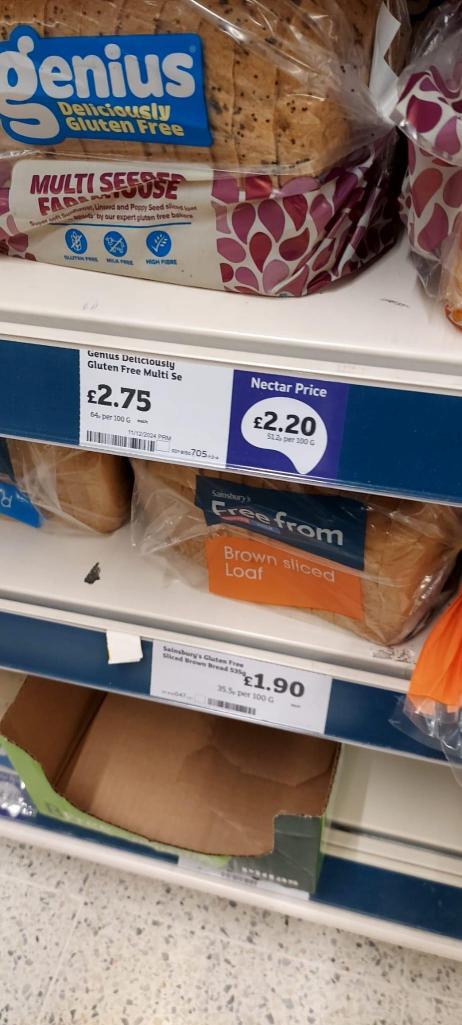
Not even the poorest celiac children will now get products on prescription.

Marie Antoinette comes to Liverpool in 2025

Professional people making cuts that will make the poorest of families struggle to feed their families still more difficult is always disgusting, but when they ignorantly suggest people can get their essential products (such as gluten-free products for celiacs) from food banks, then the blood boils. Coeliac is a serious illness, especially for children, if not tackled by avoiding gluten foods which are up till now available on prescription. No one will use a prescription if they have to pay for prescriptions, so it’s children and less well-off people who need this. Hear our response at about one hour 37 minutes in.

Why don’t they hit the rich with their cuts? The cuts that the ICB had a choice in were cruel. They coldly and deliberately made cuts that would hurt some of the poorest in our communities, cuts that would make a slight difference to the overall budget problems. The people of Cheshire and Merseyside deserve much better. Will our area’s people passively accept this or organise to gain proper funding and an open democratic organisation of our healthcare? We say organise!

They also cut the number of fertility treatment cycles available in Cheshire and Merseyside to one. On average, it takes more than one treatment to conceive. Of course, you can have more if you pay!

Provision for long COVID was sent back to the GPs.

The scheme to take gynaecology into the GPs’ practices has been defunded.

This system of cuts is facing the ICB for the foreseeable future unless we fight like our grandmothers and great-grandmothers fought for health care.

The “winter” crisis

Cheshire and Merseyside ICB do not have enough staffing or funding to stop the winter crisis continuing into summer and through next winter. Indeed, they are expected to make further cuts. The Royal College of Emergency Medicine recently published their estimate of the number of extra deaths caused by this situation last winter; “New analysis by the Royal College of Emergency Medicine reveals that there were more than 16,600 deaths associated with long A&E waits before admission in England last year”” That is an increase of 20% (2,725) compared to 2023.

These are the issues in the “Winter crisis”. Be clear, the staff work hard and we thank them for all they do, but we do not help if we keep silent and let an unacceptable situation continue:

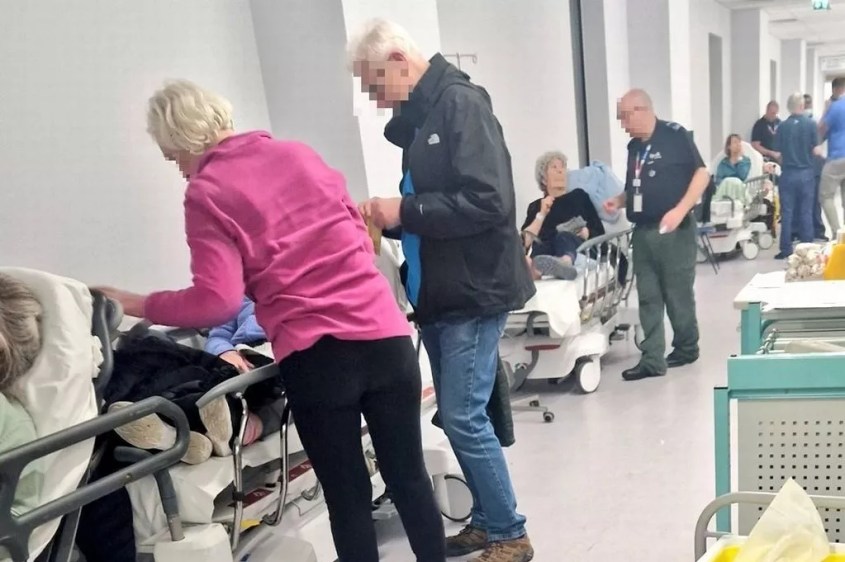
Liverpool Echo Photo of Corridor care
  • Using temporary escalation spaces to accommodate patients (corridors or even bathrooms for you and me). This is when you are acutely ill.
  • Waiting on trollies, rather than beds, for many hours in corridors.
  • Waiting “Fit it to sit” those not so sick that they are put on trollies, or if trollies are not available, being treated in chairs.
  • Having no access to toilets, showers, or changes of clothes.
  • “Boarding-in” in wards. This is where patients are put in a ward not linked to their illness and not in one of the regular beds in this ward, so not within the normal staffing levels.
  • Long waits to be seen by a doctor in the A&E.
  • Long waits for a bed once the Doctors decide to admit a patient.
  • Long waits for social care once treatment has been completed in the hospital.
  • Ambulance response times are slowed by Ambulances being stuck queuing outside the hospital.
  • Last winter, the situation was grim, and Liverpool Hospitals A and E had to close its doors despite the following steps: In order to free up beds, the Liverpool hospitals paid for patients who no longer needed hospital treatment to go to care homes, which provided a higher level of care than the patient needed. Arrangements were made to divert some people to walk-in centres. The public responded by not using A&E unless their condition became too severe (this can cause problems later, as treating patients at the start of their illness, rather than waiting for it to progress, is the better option). The ICB reported a dramatic drop in low acuity (less ill) cases during the highest demand period. Northwest Ambulance put on extra staff.
    This is emergency planning being used routinely. Yet hospitals are expected to make cuts year on year.

All of this is unacceptable, and with resources, it is avoidable.

The original model of the NHS was a national public service, publicly owned and publicly delivered, providing the best available treatment for everyone. The NHS should return to being a fully publicly provided service. We should not pay big US and UK corporations that do not improve our healthcare but leech resources from it.

Ordinary women in 1916 fought to get good Maternity care. We can fight for it too

A broken engagement.

We fight for Liverpool Women’s Hospital and to Restore and Repair the NHS.

Day by day, the NHS provides services for patients often with great skill and good humour. Despite years of cuts, the NHS survives but it cannot provide all services we need because of austerity and the privatisation agenda.

We are in grim times, but the fightback is growing. Our petition has reached 76,000 signatures. We have had support to pay for our leaflets and meetings. People who spoke at the engagement meetings unanimously supported keeping Liverpool Women’s Hospital. Not a single member of the public spoke in favour of closing it, or dispersing its services. We have great support from the public, and two Liverpool MPs, Kim Johnson and Ian Byrne, have helped this week. The same day as the ICB meeting and the first joint board meeting of LUHFT and Liverpool Women’s Hospital, Kim Johnson raised the issue in Parliament. Ian Byrne sent a great letter to the Engagement Team, saying “NO!”.

However, the process decided by NHS bureaucrats rolls on. We can stop it if we organise.

The many people who have said “that will never happen” should join the fight back.

Two quotes show the seriousness of the threat we face

At the October 9th meeting of the ICB Fiona Lemens, leading the process said, introducing the engagement, “It’s too early in the process to speculate about how services might look, in the future at the Crown St. site and across the city, because we’ve not started that design work yet, but what we can say is that we need that hospital at Crown St. The things that we could consider that we currently need space for would be out patients, day case procedures. We’ve invested in a CDC, we need that diagnostic capacity for the patients in Liverpool, and this is an excellent building to provide that from and we are absolutely committed to NHS delivered services being delivered from that site, and there are no plans to discuss any other forms of services going in there.

So, Fiona, where will our babies be born? Where will the women of Liverpool receive their gynaecology care? Where will fertility go? Where will genetics go?Where will the Bradford clinic go?

The website for Liverpool Women’s Hospital says about the second strand in this threat to the integrity of the Women’s Hospital, the largest maternity facility in the country :

From 1 November 2024, Liverpool Women’s NHS Foundation Trust became part of NHS University Hospitals of Liverpool Group (UHLG). UHLG has been created through the coming together of Liverpool University Hospitals NHS Foundation Trust (LUHFT) and Liverpool Women’s NHS Foundation Trust (LWH).

Please note, Liverpool Women’s Hospital is now represented on the Group Board of Directors of NHS University Hospitals of Liverpool Group (UHLG). Details of past Liverpool Women’s NHS Foundation Trust public board meetings can still be accessed via the links below.

On Thursday 28th November 2024, two crucial meetings happened. These meetings were:

1) The ICB meeting which received the first report of the Engagement process to decide the future of the Liverpool Women’s Hospital, discussed the winter crisis, and how to handle their lack of adequate funds. We, as members of the public, asked questions. We were told that the first response to the engagement would be reported in February or March. They are paying £24,000 to a company called Hood and Woolf to produce the report on the engagement.

We also learned of the grim financial position, and the situation regarding the terrible winter crisis, likely to be worse than last year. There will be a full report on this in a later post.

2) The inaugural meeting of a new joint committee, which has the delegated powers of the boards of Liverpool Women’s Hospital and the Liverpool University Hospital Foundation Trust (which covers the Royal, Aintree and Broadgreen). We fear that maternity will be treated as badly as maternity has been treated in so many other big acute hospitals, leading to major problems and major enquiries.

This joint committee of LUHT and LWH, also reported that the winter crisis is starting (staff tell us it started a while ago). They also discussed services that might be moved to, or from, the Crown Street site although such moves were already a fait acomplis, and the integrity of a Women’s Hospital seemed to be already lost.

We think it’s wrong that while the ICB follows a protocol to consult on service changes, the merging of the hospitals had no consultation whatsoever, and precious little discussion at the Liverpool Women’s Hospital Board. We were told at the engagement meetings, that merging hospitals does not need public consultation. This huge change was just ‘steamrollered’ through. Merging the Women’s is just the start. The intention is that the specialist hospitals in Liverpool, the Clatterbridge Centre, the Walton Centre and Broadgreen Heart and Chest, will be pulled into an even bigger merger. In contrast to LUHFT, the specialist hospitals have been funded nationally and do not share the financial crises facing LUHFT. It seems odd to us that such major reconfigurations are not considered to require public consultation, while (albeit cruel) changes to such things as celiac prescriptions do. At the ICB it was announced that they are going out to public consultation on whether prescriptions should still be available for gluten-free products for celiacs (A Gluten-free loaf can cost as much as £3.99.) We think this cut is terribly wrong for people already hard up, and struggling for enough food. Many celiacs don’t ask for prescriptions but the damage of this policy will hit the poorest hardest. The Celiac prescriptions cut is yet another cut amongst many – but surely, if this merits consultation, so must merging hospitals?).

Our campaign wants a well-staffed, well-funded Women’s Hospital on the Crown Street site. We want maternity to be funded and staffed well across the UK. We say enough of maternity scandals, enough of birth trauma, and enough of closures and cuts. We say this for all our mothers, daughters, sisters, friends, lovers, and babies. So many other countries do so much better than the UK in maternity and infant mortality. Once we were up with the best but austerity has damaged the service costing many of our babies’ and mothers’ lives, and women’s health.

We have 76,000 signatures on our petition to save Liverpool Women’s Hospital. People sent in many postcards opposing the idea of closure, or dispersal of services as set out in the engagement.

You can read more about the “engagement” process here from Greg Dropkin of Keep Our NHS Public.

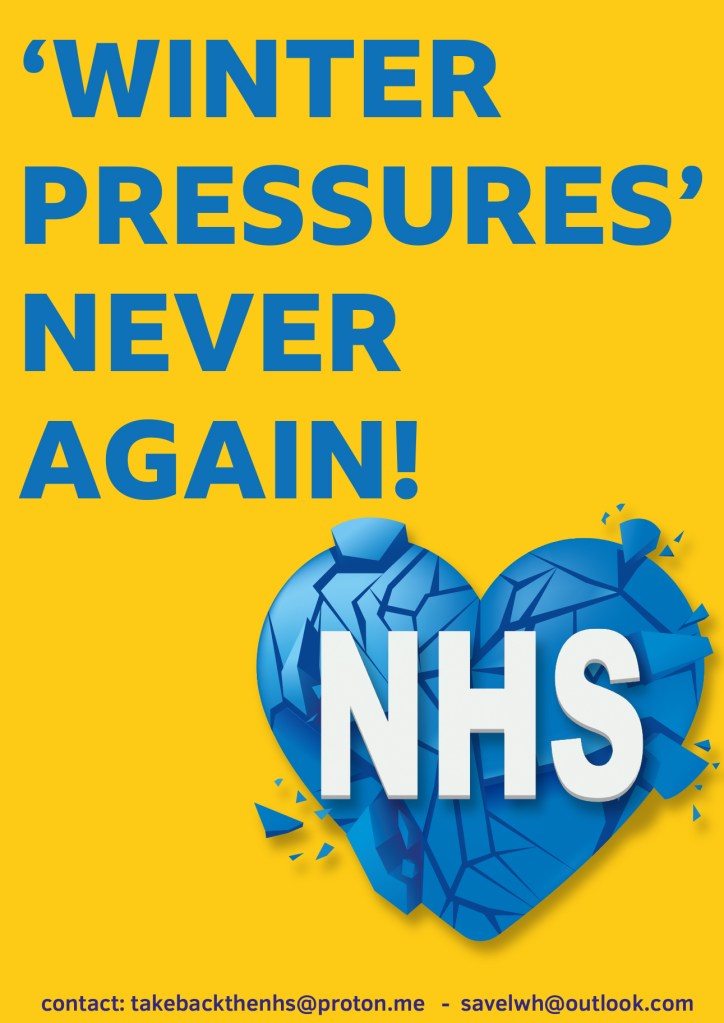
We want to restore and repair the whole NHS, and to stop the relentless”Winter Crises”.

The NHS was founded to provide:

A national public service providing healthcare for all, free at the point of need, government-funded, publicly run, and publicly delivered, with well-qualified staff. For decades it worked very well, being declared the best health service in the world. Now it is seriously damaged and must be repaired.

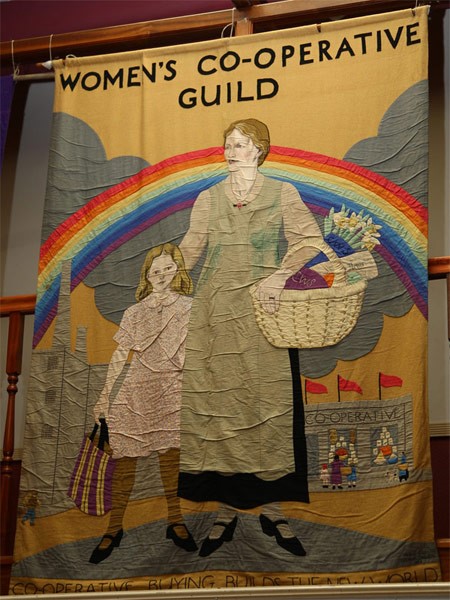
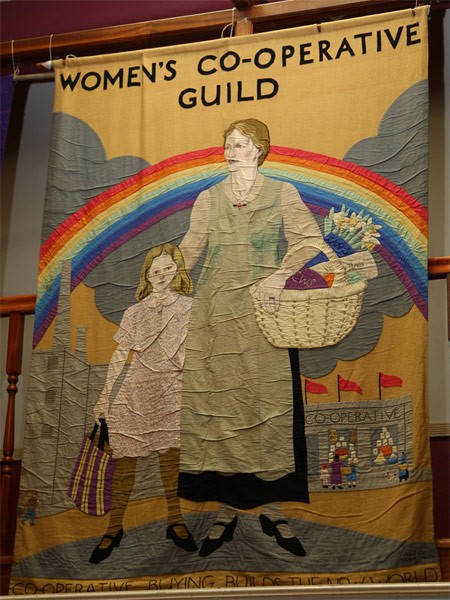
The NHS came from decades of campaigning by working-class women, like the Cooperative Women’s Guild, and the Trade Unions, not from the rich and powerful. If we want to keep it we too fight for it.

The NHS has seen reorganisation after reorganisation in favour of the American model, most recently the Integrated Care Model. The ICB for our area is called Merseyside and Cheshire ICB. This body controls the allocation of money to the hospitals and policy over cuts. Cheshire and Merseyside ICB, and other ICBs simply do not have enough money to function properly. They were conceived as part of a hospital closure project, to reduce the costs of the service and make it more acceptable to US health corporations take-overs. There are other hospital closure plans still going on, as well as the threat to Liverpool Women’s Hospital.

The ICB conducted an “engagement” with the public about the future of Liverpool Women’s Hospital. It was not well publicised but did include four in-person meetings for which they asked people to register. In all four meetings, their proposals were roundly rejected, but the attendance was small, very little effort was put into getting real engagement. We will write more about this in another post. None of the meetings were at a time suitable for working mothers to attend.

What you can do to help

Help with the campaign distribute leaflets and help getting the petition signed.

Raise it with your trade union, or other organisation

Tell your MP and councillor Liverpool Women’s Hospital must stay at Crown Street as a full women’s service run by experts in women’s health, in maternity and related services. Tell your MP that hospitals must cooperate not compete or merge.

Tell them that the winter crisis is unacceptable. Tell them that problems including finance, staffing, buildings and equipment must be sorted and the drain into private companies must stop.

Above all talk to people about this issue

Protest at the ICB meeting in Liverpool October 9 2024

Today, October 9th 2024, the ICB started the legal process that will allow them to close Liverpool Women’s Hospital. The papers for this meeting can be found here. Campaigners opposed the plans. We include videos of some of the contributions in this post.

Protestors outside the ICB meeting discussing the future of Liverpool Women’s Hospital.

The document did not discuss the financial situation or alternative provisions, nor did it include an assessment of the benefits of having a stand-alone Women’s Hospital.

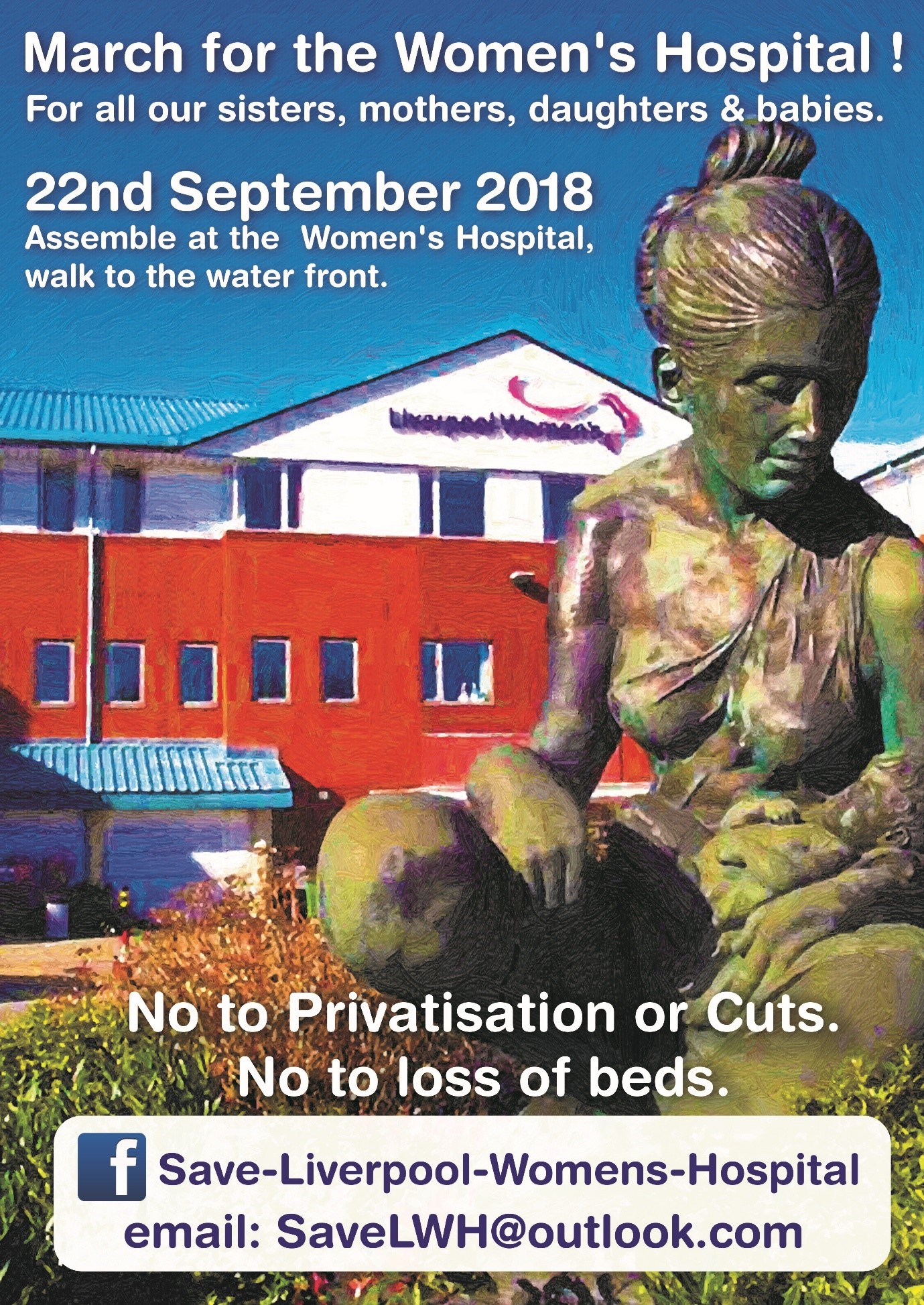
After decades of cuts in healthcare and growing crises in women’s health and Maternity, there is naturally great concern about these plans. Similar plans have been put forward before. Seventy-five thousand people have signed our petitions to keep Liverpool Women’s Hospital open, and we have held three large demonstrations over its future.

The campaigners’ key points are:

  1. Fund Maternity well nationally.
  2. Respect women, improve the experience of giving birth, and deliver timely gynaecological care.
  3. Fund the NHS well.
  4. Listen to the people.
  5. Act now to avoid the winter crisis, with patients dying because of the long waits.
  6. Keep Liverpool Women’s on the Crown Street Site and staff it well, with all the specialisms required to improve care and minimise transfers out of LWH. Give it long-term security.
  7. Improve the intensive care at Liverpool Women’s Hospital.
  8. Make all hospitals work cooperatively, not as competing organisations.
  9. Protect the Emergency Departments at Liverpool Women’s Hospital.
  10. Provide emergency Obstetric and Gynaecological care at the A and E at the Royal and Aintree.
  11. Nationally, address the workforce training issues that have resulted in shortages of key roles, like anaesthetists.
  12. Make the NHS a great place to work.
  13. Act against the racism that damages the health of women and babies health.
  14. Address the chronic poverty that is so severely affecting our children.
  15. End privatisation in its many forms.
Protestors holding a small sample of our petitions.

Liverpool Women’s Hospital opened in 1995. It is a modern low-rise hospital on a garden site in good condition. It provides maternity care and gynaecology for most of Liverpool’s women. About seven thousand babies are born there each year. It has a new large neo-natal unit and provides other linked services. It is just over a mile from the Liverpool Royal Hospital site.

Lesley Mahmood for Save Liverpool Women’s Hospital. Part one
The second half of Lesley’s speech

The ICB (Integrated Care Board) now runs finance and planning for the Cheshire and Merseyside area of the National Health Service, one of 42 such areas in the country, following the 2024 Health and Care Act. The aim is to bring all health spending for the area into this body and to restrict that spending. This mimics the Accountable Care boards that operate in some US States or cities. In the US, these organisations comprise one big or several small private healthcare corporations providing healthcare for profit. The Government provides funding, and the corporation profits by restricting the service. There has been a revolving door between the leaders of the NHS and the big US health corporations for some time, and there are close links between the governments and those big US health corporations. For details, see here.

This is an American definition of ACOs. “Accountable care organisations (ACOs) are defined as groups of clinicians, hospitals, and other healthcare providers who work together to provide high-quality, coordinated care to a defined population. If an ACO meets quality standards, achieves savings, and meets or exceeds a Minimum Savings Rate, the ACO will share in savings based on the ACO quality score. 

Felicity Dowling speaking for Save Liverpool Women’s Hospital Campaign.

The very grave financial difficulties of the NHS, this ICB, and Liverpool Women’s Hospital were not discussed. It was presented as a purely clinical case – as though such an idea is possible in such a funding crisis for the NHS. The Liverpool Women’s Hospital has been structurally underfunded for many years. The Maternity tariff and Birth rate + are inadequate. This funding problem affects all Maternity units nationally. Still, the impact is starker at Liverpool Women’s because it is such a large Maternity unit and does not share its budget with a general hospital. The Government made up some of the difference until the ICB was formed two years ago, but that has ceased. Many of the very real problems at Liverpool Women’s over the last few years stem from this chronic underfunding.

Greg Dropkin speaking at the ICB meeting. Greg is from Keep Our NHS Public.

Today’s meeting will be followed by a public engagement period, during which the public might be allowed to contribute to the discussion.

We believe Maternity is massively underfunded, and that is at the core of the national maternity and birth trauma crisis.

There were no alternative plans put forward as to where our babies will be born or where women’s health care will be delivered.

The core case made was that the most severely ill patients have to be transferred to the Royal, one mile away, and that women with obstetric and Gynaecological issues who present at the big A & E do not have on-site obstetric or gynaecological care available at those big sites.

Protestors reminded the board that the plans to close one hospital in Liverpool date back to 2015 when the then-head of the Clinical Commissioning Group announced them on a panorama programme.

Sheila Altes responded about some of the risks in the document.

Please sign our online petition.

Please talk about his to your friends family and work mates. Successful campaigns start with conversations.

Please let us know your views.

Please take part in the consultation. Please raise this matter in your union branch if possible.

Keep spreading the word

Speak out for the NHS. The NHS matters in this election and after it.

Don’t leave it to the politicians.

The NHS came from the people and the people must organise to get it back!

Restore and Repair the NHS.

 Cheshire and Merseyside NHS campaigners are taking a campaign van around the area to remind people of the need to Restore and Repair the NHS.Politicians should heed the needs of the people before the needs of the banks

This article gives information gives more information than the leaflet we are giving out

We say to any government, you must repair the damage of the last two decades, and rebuild the service after years of cuts. The capacity of the NHS to provide adequate timely treatment was cut as the population aged. But it made big money for the very rich. We want the NHS back for the people, not for profit.

Join our campaigns until the politicians restore and repair the NHS.

The Royal College of Nurses has declared a national emergency in the NHS.

Doctors are warning of large numbers of avoidable deaths from NHS shortages.

Doctors say the pressure on the NHS is unsustainable.

The NHS is very important in this election and the next government must restore and repair the NHS.

Please join the campaign to Restore the NHS.

Our health, our life span and our very lives depend on the NHS and on public health services

Life expectancy in Cheshire and Merseyside is lower than the national average for men and women. Access to health care is crucial in this. Will you willingly give up years of your life, and the lives of those dear to you, to fund privatisation and poor healthcare?

The NHS is underfunded. Our local Integrated Care Board said in May 2024 that “provider financial plans exceed the level of funding available” Providers are hospitals. The hospitals have huge waiting lists and dreadful A&E waiting times. They need the money. Maternity desperately needs funding.

The damage to the NHS has been deliberate. Privatisation, underfunding, deskilling staff, closure of hospitals and beds, organisational “reforms” using expensive financial consultants, PFI, and poor building maintenance; it all adds up to Government policy and it has been lethal.

 Privatisation involves public money being paid to private companies to provide a service and allows the private company to make a profit and to deny care to some patients. That profit is money that could go to the public service. They are not more competent nor more efficient. £10 million pounds a week goes to private profit according to We Own It. The ICS structure is based around “commissioning services” pushing ever more of the NHS budget into  the private sector.

The NHS is headed by a banker, not a doctor, and a banker with a history. The NHS has been deliberately underfunded.

We say, go back to the full NHS model!

Mend the NHS in its many services –

Maternity

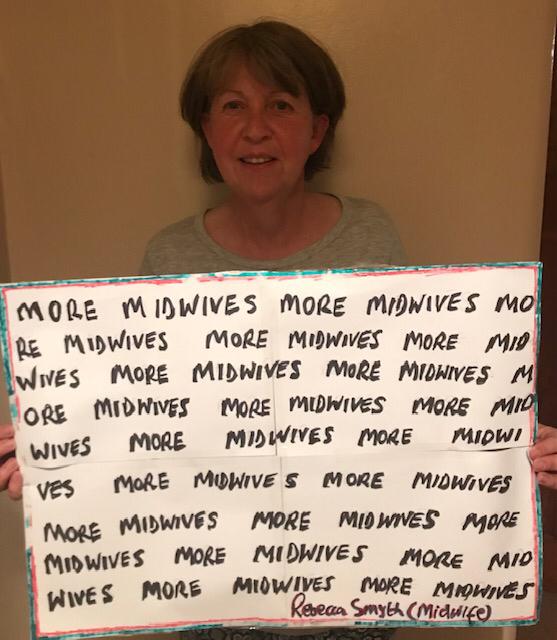
Fund and staff maternity services to equal the best in Europe. We need more midwives. Can we say that again? We need more midwives. Did they hear that? Say it again WE NEED MORE MIDWIVES. There have been so many reports on the state of maternity services, we need action now. Women and their families are angry about what’s happening in maternity.

Children’s Health

The health of our children is worsening. Ensure every child has timely access to full healthcare, at birth, in the community, at the GP surgery, at Accident and Emergency, and in planned care in the hospital. Bring back health visitors.

GPs

The GP service must be restored and be staffed by qualified doctors. The government must allow spending on doctors as well as ancillary services. A good GP puts years on your life. GP services have been cut with overall funding cuts of 20% per patient per year since 2016.

Mental Health Care

Mental health services must be renationalised and brought back into the NHS and staff trained and paid to NHS standards. The damage is disgusting.

Dental Health Services

Everyone has (or did have) teeth. Our dental health services must be made available to everyone. The damage is immense. Change the contracts to ensure this. Bring back NHS dentistry.

Hearing Services

Audiology must be brought back in-house to make sure everyone has access and no one has to pay privatised prices. Hearing aids are free on the NHS if you insist on using the NHS. These hearing aids are just as good as the ones  for which people pay hundreds

 Ophthalmology

Eye health services must be brought back into the NHS to ensure quality of service, and access for all and to prevent unnecessary treatments that make profit. When so much of the service is farmed out to for-profit companies  and the NHS just does the most complex the whole training system fails

A&E

Accident and Emergency Services. Waiting for hours in A&E is an awful experience as is being treated in a corridor. According to new estimates, long waits in A&E departments may have caused around 30,000 ‘excess deaths’ last year. The stress on staff is also unbearable. We say No more winter crisis. Employ the staff, provide the buildings, and open more hospital beds.

Healthcare for all, free at the point of need. End the policy of charging for some services, reduce prescription costs, and stop discrimination against migrants, who pay twice for the NHS and are charged at 150% of costs yet pay all the same taxes as everyone else.

Our data

The NHS as a national service for over 75 years is gold dust as far as big data companies, health insurance companies and the US health corporations are concerned, the information about our health care, our symptoms and treatment must return to being confidential. Palantir has been given a huge sum of money to manage our data. Kick out the big US data firms and the other private firms who are getting rich off of our data.

Staffing

All vacancies in the NHS must be funded and recruitment processes must be positive and wide-reaching, including winning back many nurses and midwives who have left. Say no to two-year trained staff, no to the use of Physician Associates except in situations where they are in real-time supervision. Workforce planning must be based on training and employing more qualified doctors and nurses to meet the needs of the people. Student debt in medical nursing midwifery and allied professions must be abolished, and bursaries re-introduced so ordinary people can afford to train.

Pay the NHS and social care staff well. This will help keep staff and reduce their stress.

 Social care

Social care covers services to the frail elderly and to disabled people people of all ages both at home and in care homes. Councils are starved of funds and stupidly went along with the policy of privatising their own care homes. Now care homes are privately run,  by for-profit companies and do not provide a universal service but a service where and when they can make big profits. Most are privately owned by big companies and hedge funds. This is more public money going to shareholders. Neither are care services free at the point of need but charge large fees to users who do not qualify for NHS funding or Local Authority funding.  Children’s social care is in a shockingly bad state and adult social care needs radical reform. If you are interested in this area see the End Social Care Disgrace campaign

The private sector. This is no solution to the healthcare crisis. They don’t have the full range of treatments or facilities and are dependent on the NHS for backup. Most doctors who work in the private sector also work in the NHS. The NHS has103,277 general and acute beds  while the private sector has about 11000

We all need healthcare. The need for the NHS is crystal clear. All the parties say sweet words about protecting the NHS, but we have to hold them to these promises. (bar one- Reform wants to bring in an Insurance/market-based system)

The NHS is the most cost-effective structure and the most equitable system for healthcare.

Give the NHS an immediate boost to its funding.

Renationalise the NHS. Make it once again a national service. Stop privatisation.

A healthy population is obviously more effective than one with millions of people waiting for treatment. Millions of people denied treatment or kept waiting for years is morally unacceptable and bad economics.

Run the NHS for healthcare, not for profit. Sack the privatisers!

Make our health care a national service again.

Healthcare free at the point of need for every human, as it was in 1947.

While this campaign would be pleased to see the government that has done such lethal damage to our people’s healthcare kicked out on their ear, neither main party has committed in its manifesto enough money to tackle the dreadful state of the NHS.

The incoming government must fund the NHS to prevent the next still worse winter crisis. It must address the issues around maternity, GPs, dentists and NHS pay, or the people will be very angry, just as the current government is blamed. It took many years to win the NHS and might take years to win it back but the campaign will go on if you give it your support

The campaign to restore and repair the NHS must go on !

Liverpool Women’s Hospital. Great work and great problems.

This banner in Liverpool Life museum is from one of the campaign groups for women’s health in the early twentieth century

Women and babies in Liverpool are entitled to the highest standard of healthcare. Our grandparents and great grandparents fought to found the NHS and left us this as their legacy. The NHS was a national service providing excellent healthcare, publicly provided and government funded. The new NHS did magnificent work for infant and maternal mortality.

In the last twenty years though, there have been years of cuts and privatisation in healthcare and years of poverty and subsequent ill health in Liverpool. A report to Liverpool city council this year said that, without change, “The life expectancy of women will fall by one year, and they will be in good health for 4.1 fewer years than they are currently.”

It is time to demand better.

Campaigning for the whole NHS

We are campaigning to Save Liverpool Women’s Hospital and to restore and repair the NHS. We want to see improved funding and staffing and to see the whole NHS move back to its original model of a national public service, publicly provided, providing universal comprehensive and timely care for everyone free at the point of need and funded by Government. If you have not yet signed our petition please do so.

Healthcare staff have worked way beyond what should have been needed to keep some good services going. Every day people are grateful for their work, their kindness and humour but sheer human effort cannot compensate for inadequate funding and too few staff.

Liverpool Women’s Hospital provides some excellent services but it has some serious difficulties too.

The Liverpool Women’s Hospital board meeting on 9/05/2024 reported some excellent staff work, including improved methods of helping premature and very premature babies survive and thrive. It also reported the success of moving early pregnancy loss to its own area, a development much valued by the mothers involved. Previous meetings have seen patients reporting their experiences too. In April there was a very positive report from a patient about her experience of the care she received from the Rainbow Clinic as a previously bereaved mum. We have also seen excellent presentations about the pioneering work on endometriosis and menopause at different meetings. The Hospital website says Every day on average, 24 babies are born in Liverpool Women’s Maternity Unit and another three babies are born prematurely and cared for in our Neonatal Unit Most of Liverpool’s babies are born at Liverpool Women’s Hospital and sick and tiny babies are cared for in the beautiful new NICU ( Neo Natal Intensive Care Unit)

Entrance to the NICU

The Liverpool Women’s Hospital is undertaking a major anti-racism drive to improve outcomes for patients and staff. We very much welcome this initiative. It is essential to save lives.

The core problem for Liverpool Women’s Hospital is under funding. This underfunding stems from the national underfunding of maternity as well as the general under funding of the NHS. This longterm underfunding has meant years of cuts. The NHS organisational changes from 2012 to create Trusts and Foundation Trusts also wasted many resources that should have gone to patient care.

Liverpool Women’s Hospital also has a long waiting list for cancer patients and waiting lists for gynaecology appointments. Some more staff have been appointed and hopefully the list will be dramatically reduced.These waits cost lives and health. The Chief executive reported that

NHS England’s tiering process for cancer performance is designed to provide accountability and additional central support for trusts that are most at risk of missing national cancer targets. Trusts are categorised into tiers based on their performance, with Tier 1 being the most challenged and requiring the most support. Trusts may move between tiers based on their performance improvements or deteriorations.
In a letter received on 26 April 2024 from NHS England, it was confirmed that following a review of cancer performance, and in agreement with the regional team, the Trust will be in Tier 1 for Cancer from the week commencing 29 April 2024. The move to Tier 1 will involve regular meetings to discuss delivery progress and any required support from the relevant parts of NHS England.

Last year the hospital had a poor Care Quality Commission report for maternity and it has taken work to improve on this.New management is in place and they have plans to ensure that improvements are happening.

Our babies, our mothers, deserve much more.Every mother every baby treated at Liverpool women’s deserves the very best. Poverty from low wages, low benefits and poor housing is costing lives, and causing long term ill health. Inadequate health services are part of this.The Care Quality Commision report last year showed how much harm has been done by this underfunding and under staffing. The management must also be responsible for some of the damage mentioned in the Care Quality Commission reports.

The funding issues at Liverpool Women’s means that to meet the current level of service it needs twenty five percent more funding. Money is spent very carefully but for basic safety to be met, that extra spending is essential. At present the required money is being spent and temporary support funding has been made available, by the ICB or national NHS. However this situation puts the hospital into whats called Level 3 of the National Oversight Framework which could bring in management decisions not based on the needs of staff and patients, as the government clamps down on public spending.

Many studies show that money spent on good healthcare repays for itself many times over. At birth this is especially so as bth injuries can last a lifetime.

Neither merging the hospital nor dispersing its services will change that fundamental financial situation. Only an improvement of maternity funding will make a real difference.

Screen shot from page 52 of the LWH Board meeting 9 05 24

The underfunding of maternity leads to staff overwork and reduced services. Government safety figures for staffing are met but we say these safety figures are inadequate. The Government funding does not provide sufficient staff to deliver the kind of service patients and staff require. yet money is squandered on private companies and financial consultants.

There are national problems with maternity services described in many prestigious reports, as well as the Ockendon and Kirkup reports. No report has yet managed to shift the Government’s policies. We believe we need a huge campaign to win back the NHS.

A large part of Liverpool Women’s Hospital Maternity spend is on the maternity Incentive scheme, a government owned insurance system, run on a business model. Liverpool Women’s Hospital meets all the requirements of this scheme and so gets a refund from hospitals that do not meet all the safety requirements. This is an unbelievable situation..

Payouts from the fund are higher than the funding for maternity.If maternity were well funded fewer babies would be damaged and have to claim through the courts from this insurance fund.

In this crazy situation the hospital is still expected to make cuts (CIPs).

Our demonstration last October.

We have written before about how planned Cheshire and Merseyside ICB funding will not repair the situation patients experienced last winter. This poor experience was seen in many aspects, including A and E, care in corridors, access to GPs, access to NHS dentistry, and inadequate mental health provision. It will be worse next winter.

It was no surprise to hear there will be no new Hospital built in the next decade, nor does Liverpool Women’s require a new building. we believe that the new building idea was floated to make the idea of merging Liverpool Women’s Hospital into the big acute hospital more palatable. The existing building is less than thirty years old.However the drive to make fundamental changes remains, with merger or dispersal being the most likely recommendations. WE want to keep a distinct women’s hospital.

In the April Board meeting of Liverpool Women’s Hospital it was reported that work is in progress for major changes.

the Women’s Hospital Services in Liverpool Programme. As part of the roadmap, the initial phase of the programme had been outlined, with an emphasis on the importance of openness, transparency, and continuous engagement with the public.
The development of a clinical case for change was scheduled for the spring and summer of 2024, with publication expected later in the same year. Feedback from this engagement phase, gathered during the winter of 2024/25, would then inform the approach to designing future services, with further development of potential options anticipated to commence in early 2025.” So the threats to Liverpool Women’s Hospital are still very real.

A meeting has been held with other Liverpool hospitals about the future for Liverpool Women’s Hospital and women’s health in the other hospitals in Liverpool.We have not yet been able to see which issues the other hospitals raised. Public consultation is promised this year.

No hospital can exist in a vacuum. Every hospital should be working in a mutually supportive system. The NHS was founded to be a national service, not a collection of competing hospitals. System working was damaged by the 2012 Act and the drive to privatisation. Cooperation and system working is required for the future of the other specialist hospitals in Liverpool, like the Heart and Chest and the Walton Centre.

Our campaign to Save Liverpool Women’s Hospital and to restore and repair the NHS has huge public support and is growing steadily.

The Future of Liverpool Women’s Hospital, Spring 2024

Save Liverpool Women’s Hospital.

The future of Liverpool Women’s Hospital has been under threat for nine years now. The petition which is at the heart of the Save Liverpool Women’s Hospital Campaign says “No closure. No privatisation. No cuts. No merger. Reorganise the funding structures not the hospital. Our babies and mothers our sick women deserve the very best.

In the Liverpool Women’s Hospital Board papers 11.04. 2024, it was announced that “An indicative programme plan had been developed and this reflected the unlikelihood that a new hospital building, co-located with an adult acute site, would be built within a five-to-ten-year timescale.

( In plain English this means they will not get a new Hospital)

 And that

 “… discussions were held on alternative solutions for citywide women’s healthcare.

Our opponents promised the public that a new smaller hospital on the Royal site would improve services. We always said that such a plan was magical thinking and that even if they got the money for a new building the existing problems would still be there. We said moving the Liverpool Women’s Hospital from the Crown Street site would be bad for women and babies.

Now we are in the horrible position that the bribe of a new hospital has evaporated but the core financial and organisational problems remain. We well remember the Panorama programme many years ago when it was announced that they wanted to close one hospital in Liverpool, and that clearly was Liverpool Women’s Hospital.

There are serious problems for Liverpool Women’s Hospital not to do with the Hospital site.

The Board of Liverpool Women’s Hospital has made it clear that safe services require extra funding. We demand that this money be provided.

Liverpool Women’s Hospital has a grave shortage of funds for crucial services. The fault for this lies with the last four governments but especially the current government who are very much aware of the damage they are doing to maternity care. There have been numerous high-profile reports on this, not least of these reports, being the work of Donna Ockendon. Donna Ockendon is now working on another maternity report, this time from Nottingham.

There are five reasons this national problem impacts on Liverpool Women’s Hospital

  1. Healthcare in the UK is badly funded and badly organised, wasting money and resources on privatisation.
  2. Eighty per cent of Liverpool Women’s Hospital’s budget comes through maternity funding, mainly the Maternity Tariff. The maternity tariff nationally is inadequate. No other hospital relies quite as much on maternity funding as the Liverpool Women’s Hospital does.
  3. The costs of the Clinical Negligence Scheme weigh particularly hard on this, the largest maternity hospital. The Government scandalously spends more on compensation than it does for the whole maternity service.
  4. The hospital is a Foundation Trust, which is an expensive management model for a small hospital.
  5. The model of healthcare from this, and some earlier governments, saw hospitals as competing businesses rather than a cooperating system. A small hospital could not thrive in such a scenario. This model is changing but the new ICB model also poses serious problems. We call for a return to the original Bevan model of the NHS, where a fully funded national, publicly owned and delivered health system based on cooperation not competition, sees ongoing improvement in maternity services.

Liverpool Women’s Hospital lacks crucial services because of these funding issues.

Our petition, now with more than 40,000 signatures online and more than 20,000 on paper, says “Save the Liverpool Women’s Hospital. No closure. No privatisation. No cuts. No merger. Reorganise the funding structures not the hospital. Our babies and mothers our sick women deserve the very best.”

Our campaign wants to improve the whole maternity journey for women and babies, every aspect of it, safety, respect and celebration of birth. We campaign for maternity everywhere in the UK. It is not possible to solve the fundamental problems of Liverpool Women’s Hospital without solving national funding and staffing issues but we can stop projects that make things worse. There are many and detailed reports about how the experience of maternity has worsened in recent years.

Our campaign wants midwives, nurses, obstetricians, CSWs and other staff to feel safe, and respected at work, free from undue stress, with access to ongoing education and training and with the opportunity to eat well, go to the toilet and have proper breaks at work, both day and night.

Our campaign wants to see maternity well-funded and protected from privatisation and protected from trendy, untried innovations.

We want those running maternity services to remember that as medics they have a duty of candour, to tell the truth about funding and staffing issues.

Since 2010 there has been damage done to all maternity and women’s health services nationally, and Liverpool Women’s Hospital has not escaped that damage. Underfunding, understaffing, and lack of key equipment and services have all had an effect.

We campaign for the whole of the NHS, not just maternity

Why do we want a women’s hospital?

We want excellent healthcare for women and babies. Our babies, our mothers, deserve the best. It is that simple.

However, that is not what this and previous governments have provided. We want to keep the focus on the needs of women and their babies. The scale and depth of the maternity scandals in other big multi-site, multi-specialism hospitals is a testament to how important this is. There have been many prestigious reports published about how bad the damage has been to Maternity and to women’s health. One in seven maternity units have closed during the period of cuts and this wave of closures has not stopped.

Cuts in NHS funding are part of the Austerity project. Austerity cuts have hit women and children and the working class very badly whilst the rich get ever richer. In this situation, we must protect what we have and not let it go. Maternity in England has suffered grievously under austerity. Maternal deaths are the highest in 20 years.

Ockendon’s reports have painted a grim picture of the failings of the system. Our campaign has fought hard for national as well as local funding and held two conferences on this matter. None of these hospitals involved in the big maternity scandals were standalone  Women’s Hospitals like Liverpool Women’s Hospital and their failings were not blamed on being a standalone Women’s Hospital. Yet the standalone character of Liverpool Women’s Hospital was what all the case for change was based on.

When Donna Ockendon did her first report on the Shrewsbury baby deaths it was revealed that many hospitals providing maternity care did not even have a member of their board charged with Maternity care, so board papers could go with nary a mention of maternity. Bad Care Quality reports were not given due consideration by the Shrewsbury board.

  • The Trust board did not have oversight or a full understanding of issues and concerns within the maternity service, resulting in neither strategic direction and effective change, nor the development of accountable implementation plans.

Most of Liverpool’s babies are delivered at Liverpool Women’s Hospital. The hospital delivers roughly 8,000 births per year. The Hospital also provides maternity care from a wider region for complex pregnancies and very premature or very sick newborn babies. It is a Maternal Medicine Centre, one of three within the Northwest Maternal Medicine Network. The Hospital also provides Gynaecological treatments,  Fertility services, Genetics services, Cancer care and termination of pregnancy, when that requires surgical intervention. The hospital also has a reputation as being a safe and caring place for women (though that has faltered a little in recent years). For all these reasons,  Liverpool Women’s Hospital is considered to be especially important by the people of Liverpool and beyond, but not considered so important by the Government or NHS England. For the last nine years, the future of Liverpool Women’s Hospital has been under ongoing threat.

We ask the people of Liverpool to continue to support our campaign for a fully funded, fully staffed, fully equipped hospital on the Liverpool Women’s Hospital Crown Street Site and for a fully funded, fully staffed, publicly owned and delivered national health service.