

Tag: women

Liverpool Women’s Hospital Update

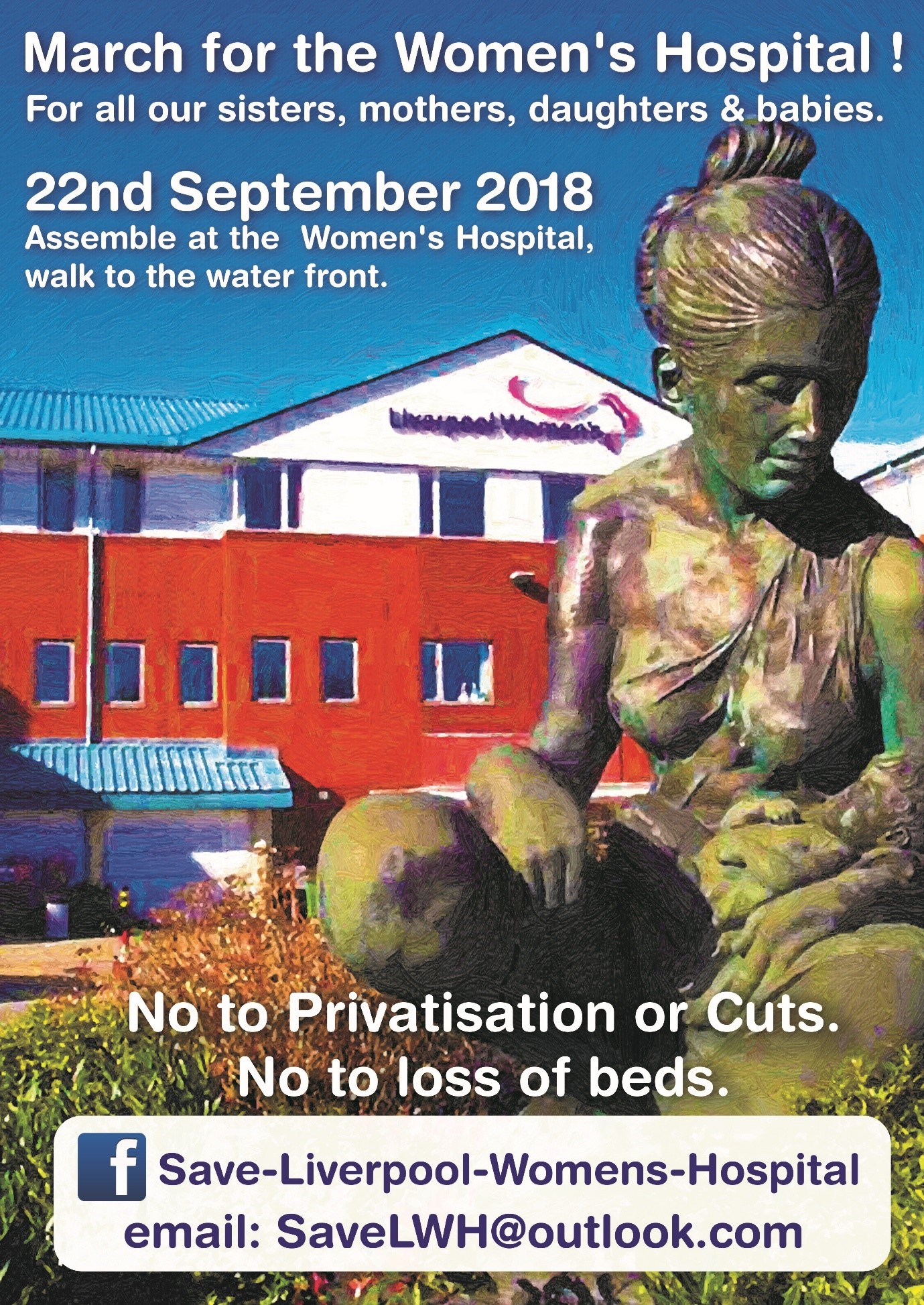
The Mother Statue at Liverpool Women’s Hospital

What’s happening now, in December 2025, with the plans for Liverpool Women’s Hospital? What is happening at Liverpool Women’s Hospital is part of a great set of problems in the NHS. Battered and damaged as the NHS is, it is still very necessary and much worth saving, for all our mothers, daughters, sisters, friends and lovers and every baby. “As we go marching, marching, we battle too for men, for they are women’s children, and we mother them again

We stand with NHS workers and thank them for keeping the service going despite the appalling policies from this and recent governments.

Investing in healthcare gives great returns to any country in terms of health and wealth. We ask every reader to help us fight to repair, restore, and rebuild the NHS and Liverpool Women’s Hospital.

Grow our petition! It’s got 84,000+ signatures online and on paper. More will help – it gives the campaign a louder voice with the decision makers. No more Maternity cuts! We need more midwives! Fund Maternity and Gynaecology well across the nation.

For all our mothers, daughters, sisters, friends and lovers and every baby!
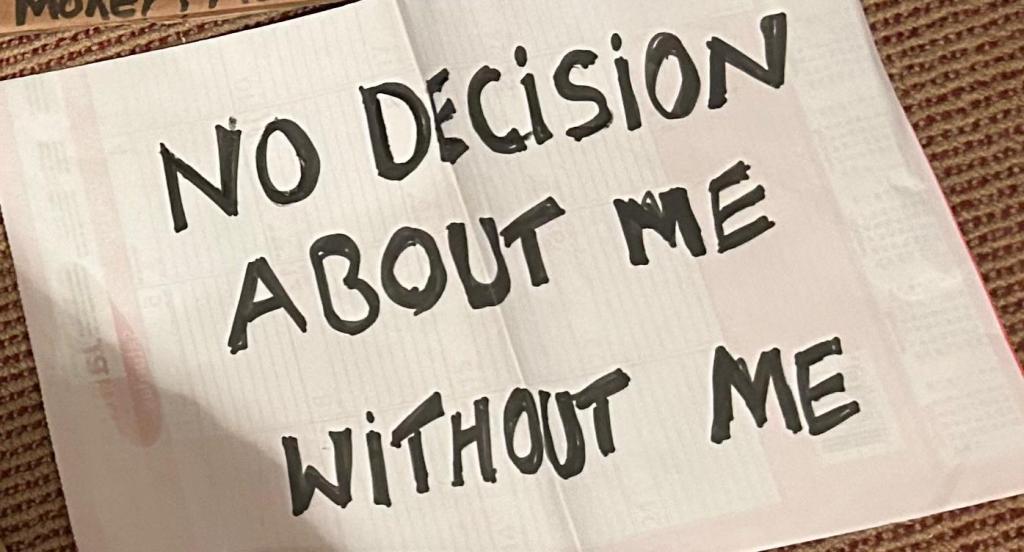
We campaign in Cheshire and Merseyside, and many other campaigns are working in different areas. The voices for the NHS and Maternity are growing louder and louder. Please amplify these voices.

Latest news

The ICB (Integrated Care Board ) is the governing body of the NHS in each area. Ours is the Cheshire and Merseyside ICB.

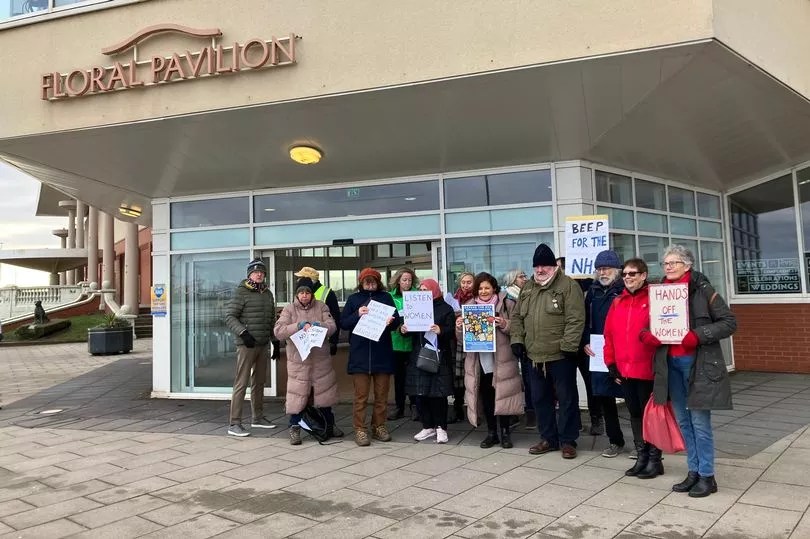
Waiting outside the ICB meeting

At the ICB meeting on November 27th, 2025, which campaigners attended (as members of the public), we were told that the item was not to be discussed, neither publicly nor privately. We had sent written questions. They replied:

Unfortunately, due to a number of other urgent items which require immediate discussion, the Women’s Hospital Services in Liverpool item will now not be
included on the agenda for this month’s private Board meeting, and will instead be rescheduled.

When it takes place, the private Board discussion will be focussed on how we move forward with the programme, taking into account the extensive options
work that took place over the summer, and will not involve making final decisions about how services might look in the future
.”

We had asked in a written question whether the ICB would be discussing the costs for relocation versus staying at Crown Street, as seen in the hospital papers. The additional cost of keeping the dedicated services on Crown Street was described as approximately £6million extra per year. The cost of a rebuild was defined as“up to £336 m- £ 549m“. We pointed out that it would take up to 91 years for rebuilding to be cheaper than providing safe care at Crown Street.

This campaign would like to know what was involved in “the extensive options work that took place over the summer.” We would like to know who was involved in these options and where they were reported, because we cannot find them reported in either the ICB or the hospital board meetings. Why the need for secrecy? Why not involve concerned members of the public? We wrote and asked to be involved in these discussions and were refused. The NHS is not a private corporation; much as some rich companies would like to acquire it, it is still a public body founded by the people, paid for by the people and staffed by the people.

The ICB also said they would still discuss it in private when the item returned to the agenda. We were told there would be some news in the new year. We have also been promised meetings with the ICB chair and the Hospital Group CEO, so we might find out more.

The future of Liverpool Women’s Hospital remains uncertain. What is certain is that Maternity, nationally and locally, must be better funded. It is summed up in a simple fact that we need more midwives.

There is a reluctance in the NHS to say that underfunding and understaffing, too few midwives, and too few hospital beds are core problems. Well, we will say it for them.
Since the 2016 discussion about the future of Liverpool Women’s Hospital, there have been suggestions that it would be rebuilt near the new Royal. Many people still believe this. We neither believe that it will be rebuilt nor support rebuilding it. The Crown Street site is a good building. The staff are a good team with a global reputation. The women and babies of Liverpool need and love that hospital.

Many other Maternity services nationally operate in appalling buildings. The Health Service Journal reported that” Many Maternity and newborn units are at ‘serious risk of imminent breakdown’, regularly hit by leaks and floods, and too cramped to provide the necessary care, an official NHS England report admits. There was a detailed report published by the NHS about this last year. The poor buildings should be rebuilt, not Liverpool Women’s Hospital. Many other hospitals urgently need a rebuild, but the plans for that are delayed.

Improvements at Liverpool Women’s Hospital

There were reports last year that a deteriorating patient’s team was being developed at Liverpool Women’s Hospital, and we hope that this is now in place. This is much needed. Other improvements are in place, including bringing the “soft facilities management services” (cleaners, porters, etc.) back in-house. The Case for Change states that “As part of elective recovery funding, £5m has been provided to establish the Liverpool Women’s Hospital site as a centre for gynaecology procedures. This includes four state-of-the-art procedure rooms developed to free up capacity in theatres and create additional clinic space for more minor operations, and will enable up to 4,200 additional gynaecology procedures every year. In addition, Crown Street now hosts a community diagnostics centre with CT (computed tomography) and MRI (magnetic resonance imaging) from 8am to 8pm, and urgent access to CT 24/7, which has delivered improved access to scans and reduced transfers for these diagnostic tests.
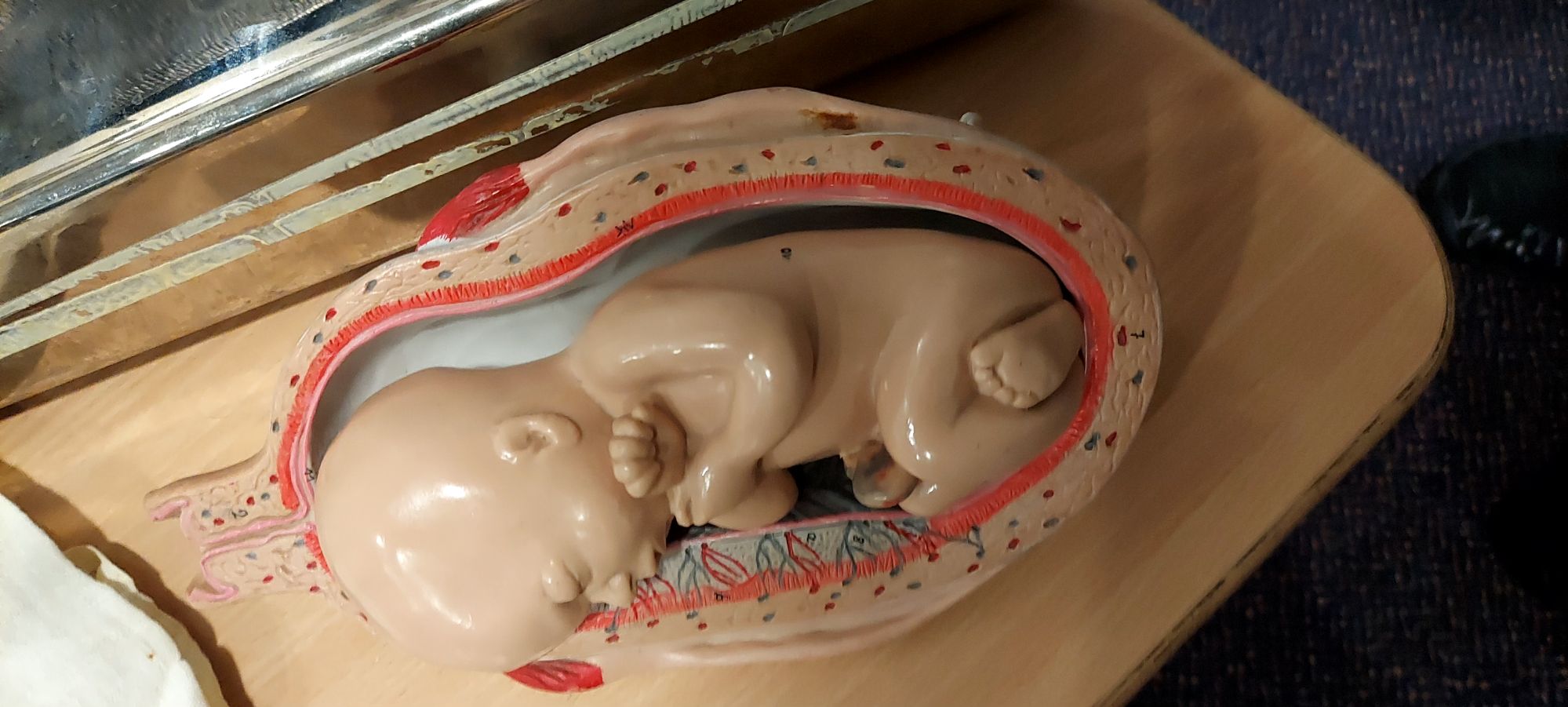
From an exhibition at the celebration of 30years at Crown Street, (Our Photograph)

The CQC report in August 2025 stated that Liverpool Women’s Hospital has improved.

Karen Knapton, CQC deputy director of operations in the north west, said:  “We were pleased to see that leaders and staff working in Maternity services at Liverpool Women’s Hospital had acted on our feedback from the previous inspection and worked hard to make improvements. Women and people using this service now had a much safer and improved experience of their care and treatment. Behind this was an improvement in how well-led the service was, which in turn supported staff to provide better care.

For example, it was positive to hear that leaders had improved staffing levels. Women using the service told us there were enough staff to meet their needs, and they were treated with compassion and kindness. It was great to see this reflected in a recent people experience survey, which found 94% of women felt they were treated with respect and dignity.

Overall, the Maternity team at Liverpool Women’s Hospital should be proud of the improvements our inspection found. They should use them as a foundation to keep building on.”

We applaud these improvements. Nowhere does the CQC mention relocation, nor have earlier, less complimentary CQC reports mentioned this.

Underfunding and understaffing have caused severe damage to mothers, babies and staff. More has been paid in damages from the service than has been spent on the whole national Maternity service.

Scandalously, “the potential cost of Maternity negligence claims in England since 2019 has reached £27.4 billion, which significantly exceeds the estimated £18 billion budget allocated to Maternity care over the same period“. We say improve the services and reduce the damage! When will the government focus on the needs of mothers and babies?? The voices of women and their families must be even louder on these issues.

Co-location has not been a success for maternity. It is not the only problem, far from it. Cuts and underfunding have been a disaster.

The “Case for Change” also says, “All other specialist centres for gynaecology and Maternity services in England have co-located acute and emergency hospital services.” We say that this co-location of Maternity in general hospitals has not proved to be a cure-all for Maternity crises, far from it. Maternity, despite being based in acute and general hospitals, is in crisis.

Although a standalone site, Liverpool is not one of the 14 Maternity providers involved in the so-called “rapid” national investigation of Maternity and newborn baby care across England. The Labour Government promised a rapid enquiry, but this enquiry is now not reporting before Christmas and might report sometime in the new year, and will not hear from bereaved parents.

Fourteen general hospitals ARE included in the national Maternity crisis, and others have been the site of some of the Maternity scandals. The Shropshire Okendon enquiry indicated that the management did not give Maternity due attention, nor did the Morecombe Bay hospital management give Maternity due attention, even after the big report.

It’s not just Maternity that is suffering in the NHS.

The women’s hospital reflects the many problems besetting our healthcare system. Books have been, and will be, written about this. We are trying to change the situation. These are the core issues.

  1. For many years now, the NHS has been underfunded and understaffed compared to other countries, and this has been a clear government policy.
  2. The organisation of the NHS has been damaged by pro-market legislation, especially the 2012 and 2022 Acts, which set hospitals up to compete against each other and allow for-profit interests to have a much greater say. Lord Darzi, in his report for the incoming Labour Government, described the 2012 Act as acalamity without international precedent” that “proved disastrous”. For Liverpool Women’s Hospital, it meant that cooperation between hospitals proved very difficult, and the high cost of the foundation trust system was too much to bear. Not keeping to an impossible budget made them constantly under pressure.
  3. Maternity and gynaecology, across the country, suffered badly, with one in six Maternity units closing, and standards deteriorating. A major Maternity crisis developed with standards and staffing suffering, resulting in damage to mothers and babies.

You get one chance to deliver a baby safely. There are no reruns or repeats. The accoucher must get it right every time. To do so, the midwife must be supported by her colleagues, midwifery management and work within a fully safe environment. Alas, with the fragmentation of our NHS, top-down draconian management, our mothers, their babies and our midwives are given short shift, and they become the victims of often tragic circumstances. There is a woeful shortage of skilled midwives. Anyone can deliver a baby, but it takes a skilled midwife to do so day in day out safely and with professional accountability,” from our campaigner Stephanie (below)

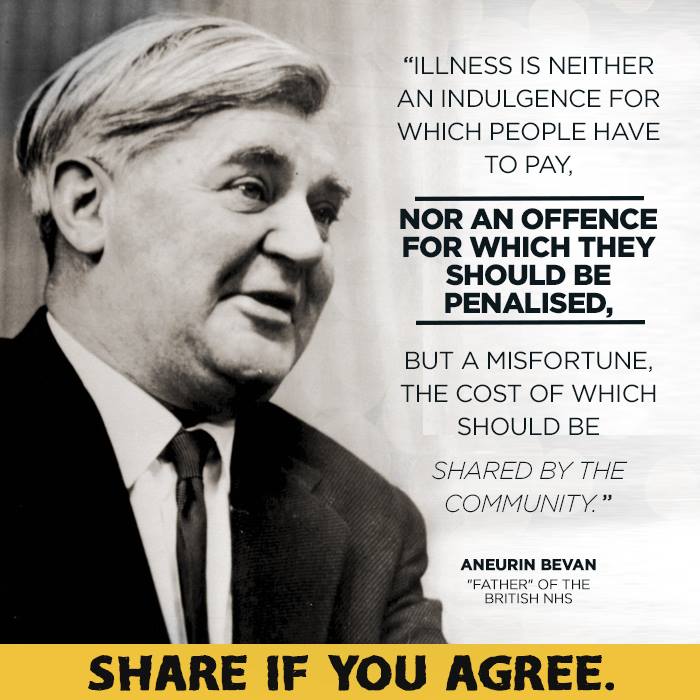
Campaigner Stephanie, one of the generation of midwives who say they worked in the golden age of the NHS. We fight for another golden age. Join us

Build Resistance to NHS cuts

Restore and Repair the NHS: June 2025; It does not have to be this way!

Last Thursday, May 29th, 2025, campaigners from Save Liverpool Women’s Hospital and Restore and Repair the NHS attended the Cheshire and Merseyside Integrated Care Board meeting. It was a truly grim meeting. The significant cuts that the ICB faces to its funding at a time of great stress to the services and our communities are a disgrace, and this lies at this Government’s feet. The blame for what this body did lies squarely with the Government, but the personal responsibility cannot be shirked.

Do not give up!

We are angry but far from giving up: “Do not appeal, do not beg, do not grovel. Take courage, join hands, stand beside us, fight with us.” (Christabel Pankhurst). Please join us and all who fight to restore and repair the NHS.

Great work goes on day after day in our NHS, but a lack of staff, resources, beds, and funding puts huge strain on the staff and damages the experience and outcomes for patients.

Problems at the ICB

The ICB system nationally is facing huge changes, financial cuts, and staff redundancies. yes the last govenment caused terrible harm. The Government has not done a risk assessment on these changes, and the impact of the Government’s financial decisions has been severe.

ICB Funding.

Hospitals are funded via the ICB. During the pandemic, hospitals were funded according to the treatments they provided. Now they must tailor their work to the money provided.

Let us be clear: This country can afford better health care. Healthcare is a great investment and provides a return on money invested financially, socially, and in creating a healthier workforce.

In 2024/25, the Cheshire and Merseyside ICB told NHSE it could not match the sum allocated to its planned spending. Seven other ICBs were in the same position. The Cheshire and Merseyside NHS budgets include all sixteen hospitals and primary care. Earlier in the year, they were given £178 million ‘deficit support’ ( a loan that must be paid back over several years). This was, however, still not enough to balance the books.. The ICB board met with the NHSE board, who said that if they did not balance the books/make cuts, then the £178m would be withdrawn and they would have to make £178m further cuts. The ICB must now work with each hospital to see where these cuts can be made. “On April 30th 2025 the ICB submitted a compliant plan which has resulted in both the ICB and every Cheshire and Merseyside Trust provider taking on additional cost improvement requirements (resulting in an aggregate deficit across the 16 NHS providers of c£228m offset by a surplus for the ICB of £50m.)This can be seen on page 8 of the board papers.

The ICB must also reduce its spending to meet national averages, as the area started with higher funding. Cheshire and Merseyside have the highest per-person funding, representing greater need here. But it is to be reduced over a number of years.

Wouldn’t it be good if the Government reduced poverty and ill health, too? They could start by responding to the Medact campaign for homes for all.

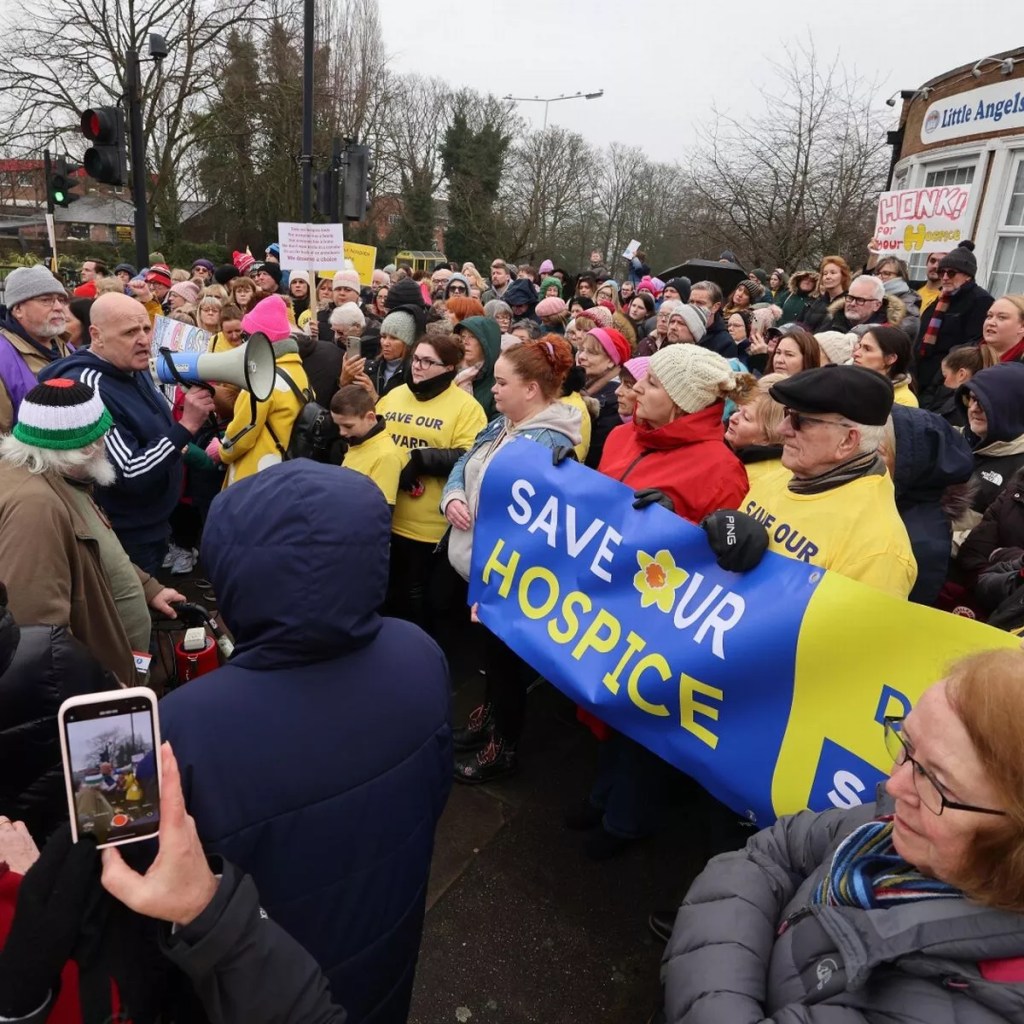
an Echo Photo of a protest to keep the inpatient ward in Marie Curie

The Marie Curie campaigners to keep the Woolton hospice inpatient ward open, spoke in the public questions session at the start of the ICB meeting. They spoke movingly about the need for end-of-life care, but no concrete proposals were made to save it. The responsibility is shared between the ICB and the charity.

The hospice campaign is doing such a good job,we give them our full support.

Isues at the ICB meeting

  • The NHS is facing harm nationally and locally. The Government and the NHS bodies are aware of this. The ICB’s finances come from the Government.
  • The highest risks shown in the May ICB papers are “Lack of Urgent and Emergency Care capacity and restricted flow across all sectors (primary care, community, mental health, acute hospitals and social care) results in patient harm and poor patient experience.”
  • Too few hospital beds and the chaos of the privatised social care system are behind the “lack of flow.”
  • Maternity. There have been many prestigious reports on the crisis in Maternity., many parent groups are fighting for answers. The UK has poor infant mortality rates. In England, the mortality rate for infants living in the 10% most deprived areas was over twice the mortality rate for infants living in the 10% least deprived areas. Maternal Mortality has risenThe maternal death rate increased to 13.41 deaths per 100,000 pregnancies between 2020 and 2022, according to figures published by the MBRRACE-UK investigation into maternal deaths in the UK. The figure was 8.79 in the period 2017 to 2019.” It is the highest death toll since 2003-05, when the maternal death rate stood at 13.95 deaths per 100,000.
  • Liverpool Women’s Hospital is featured twice in the ICB  register of risks, once because it is”not compliant” financially. Although Liverpool Women’s Hospital is the centre of attention as the largest Maternity service, financial and staffing problems are shared nationwide. There is a national Maternity crisis, with Nottingham currently in the spotlight. Leeds has also reported problems following parental complaints. Wes Streeting, Secretary of State for Health and Social Care,  has apologised to bereaved parents (as reported in the Health Service Journal). £100m was invested into improving Maternity safety annually following the publication of an interim report into poor care at the Shrewsbury and Telford NHS trust. However, the Royal College of Midwives reported that this national Service Development Funding (SDF) for Maternity services will drop from £95m in 2024-25 to just £2m in 2025-26. The Royal College of Midwives said, “These budget cuts are more than shocking; they will rip the heart out of any moves to improve Maternity safety. The Government has taken a wrecking ball to work that’s being done up and down the country to improve Maternity safety, something which is desperately needed.” When questioned, the ICB did not share Gill Walton’s concern. Yet Ormskirk Hospital Maternity service, one of the ICB’s Maternity providers, receives a requires improvement rating from the CQC, Liverpool Women’s Hospital requires more funding.
  • Our campaign to Save Liverpool Women’s Hospital is inextricably linked to the need to fully restore the NHS as a national, publicly owned, publicly provided, democratically accountable service, well-funded and well-staffed. There is a national Maternity crisis due to understaffing and underfunding. The situation for the Liverpool Women’s Hospital was not directly addressed, however, the path the ICB started on with the Engagement process last year is carrying on and that Liverpool Women’s Hospital cannot function without additional funding, but that is true of Maternity nationally. It is unclear when we will hear more of the plans for Liverpool Women’s Hospital.
  •  Poverty and ill health. The problems in poverty, ill health  and life expectancy
The Mother Statue at Liverpool Women’s Hospital

The fundamental problems are understaffing, inadequate resources, privatisation and underfunding. Few people expected the situation to continue and the issues to deepen after the Conservatives were booted out of Government. For an assessment of what the Labour Government has done, see here. We started this new Government with fewer beds and doctors per head of population than other advanced countries like France, Germany and Spain.

Labour MPs are publicising the Repairs funding the Government are giving to our hospitals but the underlying situation is a disgrace. It is a bit like an abusive husband deigning to repair the roof. The cuts to main services outweigh this, but do some MPs even know, or bother to find out?

The ICB model imposed on the NHS in 2022 is fundamentally flawed. It uses commercial rather than public service systems . Privatised public services do not work well, and mixed public and privatised health care, as we now have it in the NHS, is wasteful and damaging.

The level of funding for healthcare in the UK is inadequate and below the level provided in other advanced economies.”Among the G7, the group of advanced economies to which the UK is most commonly compared, the UK is the joint lowest spender, regardless of how we measure spend. A 2022 table puts us 37th in the international spend per head of population. Another study shows the US as the highest spender with the worst outcomes. The UK is 11th out of twelve in expenditure, but it still has better outcomes for the money spent. Our outcomes, though, are worse in cancer survival than in any country except the US. Yet they want us to emulate the US system! The Government defers to the big US companies from whom advisers and senior posts are appointed. Simon Stevens, the previous boss of the NHS under the Conservatives, came from UnitedHealth.

The ICB gives the providers (mainly hospitals) about £2,500 per annum per head of population. The level of cuts demanded by NHSE and the Government is unacceptable and will cost lives, pain and suffering.

What we learned from the ICB meeting on May 29th 2025.

“On April 30th 2025 the ICB submitted a compliant plan which has resulted in both the ICB and every Cheshire and Merseyside Trust provider taking on additional cost improvement requirements (cuts to you and me, our edit) resulting in an aggregate deficit across the 16 NHS providers of c£228m, offset by a surplus for the ICB of £50m.

Whilst agreeing a plan was essential to securing the deficit support and cash to underpin this, our attention must turn now to the effective delivery of the plan and effectively mitigating the risks.”

Risks

On Page 507, the most critical risk was “Lack of Urgent and Emergency Care capacity and restricted flow across all sectors (primary care, community, mental health, acute hospitals and social care) results in patient harm and poor patient experience, currently rated as critical,” mentioned above.

Two other risks had the highest score of 25: Elective Care and financial duties (page 550).

The ICB receives an “allocation” of money from the Government. They then must distribute that money amongst the “Providers” (the hospitals, primary care, and other services) and pay for some aspects of social care, prescriptions, services outsourced to private contractors, and private sector financial advisers like Price Waterhouse Cooper.

The NHS staff work long hours for inadequate pay and deserve much better. We thank the NHS staff and will campaign to make the NHS a great place to work once more.

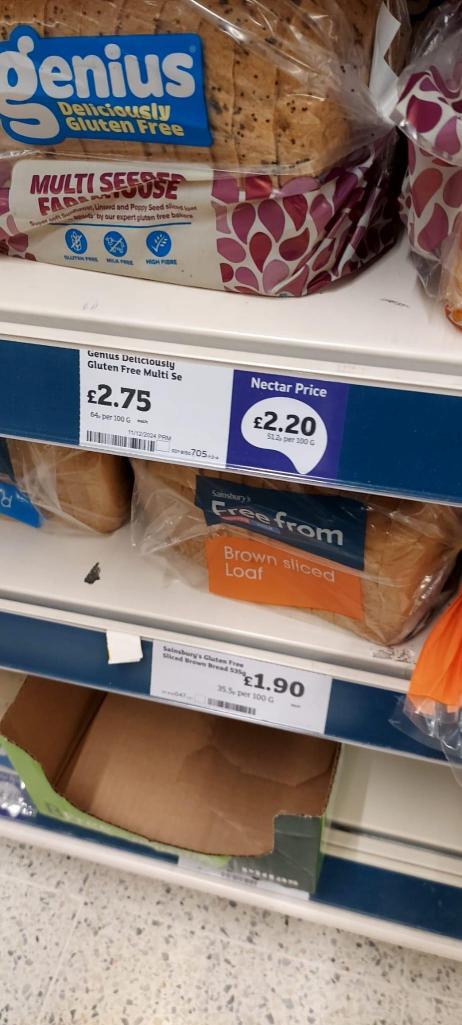
Not even the poorest celiac children will now get products on prescription.

Marie Antoinette comes to Liverpool in 2025

Professional people making cuts that will make the poorest of families struggle to feed their families still more difficult is always disgusting, but when they ignorantly suggest people can get their essential products (such as gluten-free products for celiacs) from food banks, then the blood boils. Coeliac is a serious illness, especially for children, if not tackled by avoiding gluten foods which are up till now available on prescription. No one will use a prescription if they have to pay for prescriptions, so it’s children and less well-off people who need this. Hear our response at about one hour 37 minutes in.

Why don’t they hit the rich with their cuts? The cuts that the ICB had a choice in were cruel. They coldly and deliberately made cuts that would hurt some of the poorest in our communities, cuts that would make a slight difference to the overall budget problems. The people of Cheshire and Merseyside deserve much better. Will our area’s people passively accept this or organise to gain proper funding and an open democratic organisation of our healthcare? We say organise!

They also cut the number of fertility treatment cycles available in Cheshire and Merseyside to one. On average, it takes more than one treatment to conceive. Of course, you can have more if you pay!

Provision for long COVID was sent back to the GPs.

The scheme to take gynaecology into the GPs’ practices has been defunded.

This system of cuts is facing the ICB for the foreseeable future unless we fight like our grandmothers and great-grandmothers fought for health care.

The “winter” crisis

Cheshire and Merseyside ICB do not have enough staffing or funding to stop the winter crisis continuing into summer and through next winter. Indeed, they are expected to make further cuts. The Royal College of Emergency Medicine recently published their estimate of the number of extra deaths caused by this situation last winter; “New analysis by the Royal College of Emergency Medicine reveals that there were more than 16,600 deaths associated with long A&E waits before admission in England last year”” That is an increase of 20% (2,725) compared to 2023.

These are the issues in the “Winter crisis”. Be clear, the staff work hard and we thank them for all they do, but we do not help if we keep silent and let an unacceptable situation continue:

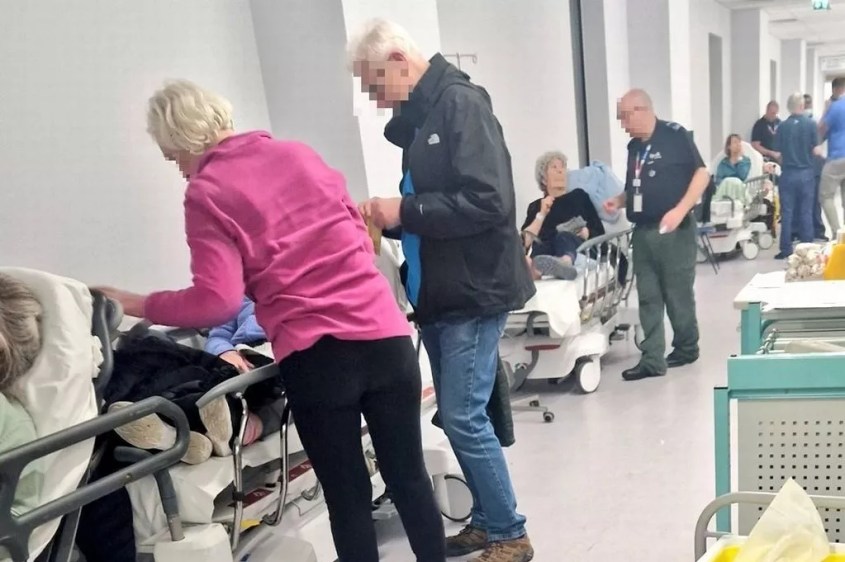
Liverpool Echo Photo of Corridor care
  • Using temporary escalation spaces to accommodate patients (corridors or even bathrooms for you and me). This is when you are acutely ill.
  • Waiting on trollies, rather than beds, for many hours in corridors.
  • Waiting “Fit it to sit” those not so sick that they are put on trollies, or if trollies are not available, being treated in chairs.
  • Having no access to toilets, showers, or changes of clothes.
  • “Boarding-in” in wards. This is where patients are put in a ward not linked to their illness and not in one of the regular beds in this ward, so not within the normal staffing levels.
  • Long waits to be seen by a doctor in the A&E.
  • Long waits for a bed once the Doctors decide to admit a patient.
  • Long waits for social care once treatment has been completed in the hospital.
  • Ambulance response times are slowed by Ambulances being stuck queuing outside the hospital.
  • Last winter, the situation was grim, and Liverpool Hospitals A and E had to close its doors despite the following steps: In order to free up beds, the Liverpool hospitals paid for patients who no longer needed hospital treatment to go to care homes, which provided a higher level of care than the patient needed. Arrangements were made to divert some people to walk-in centres. The public responded by not using A&E unless their condition became too severe (this can cause problems later, as treating patients at the start of their illness, rather than waiting for it to progress, is the better option). The ICB reported a dramatic drop in low acuity (less ill) cases during the highest demand period. Northwest Ambulance put on extra staff.
    This is emergency planning being used routinely. Yet hospitals are expected to make cuts year on year.

All of this is unacceptable, and with resources, it is avoidable.

The original model of the NHS was a national public service, publicly owned and publicly delivered, providing the best available treatment for everyone. The NHS should return to being a fully publicly provided service. We should not pay big US and UK corporations that do not improve our healthcare but leech resources from it.

Ordinary women in 1916 fought to get good Maternity care. We can fight for it too

Save Liverpool Women’s Hospital: A Call to Action

We want to save Liverpool Women’s Hospital. We ask for your help in saving it. We call on the tradition of women struggling for our rights for our families and our communities. We have seen how women can mobilise and make their voices heard. We call on men to support us.

( This blog post has many links as evidence, but the reader does not need to read each to understand the post.)

The Cheshire and Merseyside ICB (the body that currently controls the NHS in Cheshire and Merseyside) has published its report on the engagement process for the future of Liverpool Women’s Hospital. This report has no proposals but says further work will be done. The report does not accurately reflect what we saw happen in the engagement meetings nor the number of responses we know went into the engagement from those who want to keep  Liverpool Women’s Hospital,  nor does it adequately recognise our 77,000 petition signatures, giving it just a passing mention, nor does it recognise our detailed and referenced response. It ignores public meetings hosted by MPS. It’s as though this campaign doesn’t exist, as though no one has objected. We will post a detailed reply shortly.

Meanwhile, the severe issues with our NHS and the Maternity service continue. Austerity continues and continues to cost the lives of women and babies. The Labour Government is continuing with Austerity and cuts. It is not repairing the NHS, but rather further embedding US for-profit health companies and data companies, like Palantir, into the service.

Whisper, chat, or shout about it – whichever way – we need to talk about the NHS. Our NHS is underfunded and understaffed, and its wealth is diverted to private profit by decision, not by accident. Women and babies are at risk. Gynaecology services are inadequate. The UK has the second-highest maternal death rate among eight major European nations, with only Slovakia performing worse, according to an analysis published in the BMJ last year.

This blog focuses on women’s health, Maternity, and children’s health and well-being, and, because it’s unavoidable, the situation in Accident and Emergency services. There are many other areas of concern about what’s happening in the different parts of the NHS. All these issues touch on and affect each other. Stand up and speak out for the NHS. We send solidarity to all the NHS campaign groups.

Understaffing is caused by underfunding and unnecessary pressures at work, leading to staff resigning and even leaving the profession. In 2024, despite staff shortages, hospitals were expected to make 6% cuts. (CIPS). Liverpool Women’s Hospital has had too little funding for over a decade. There have been times when the Care Quality Commission have criticised the hospital. In 2023, the CQC said, “Not all staff felt respected, supported, and valued. However, they remained focused on the needs of patients receiving care. Some staff had raised concerns several times regarding safety and staffing directly to senior leaders; however, they saw no quick action or improvement. The CQC also said that “the trust must ensure they deploy sufficient, suitably qualified midwifery staff across all areas of the service. Regulation 18 (1).” The latest CQC report is much better. The rating is now good. We have been told that Liverpool Women’s is now fully staffed with midwives. We will follow up on this with the hospital to see how this tallies with the Channel 4 report on staffing.

Young women have mobilised in the past and will mobilise again.

We want the Maternity, Gynaecology, fertility, genetics and neonatal services to remain as a whole with the full team at Crown Street.

We want enough funding and staffing to improve the experience of birth and treatment at the hospital for women, babies, and staff. Seventy-seven thousand people have signed our petition, on paper and online. The petition is still growing. We campaign for improved Maternity services across the country. We say that Birthrate+ is not enough. We demand much better NHS staffing, especially in midwifery and neonatal care. Channel 4 has revealed the state of nurse and midwife staffing in the NHS and LS; staff are diverted for daily emergencies, breaking the minimum even within tight essential staffing levels.

The national picture for Maternity is cause for serious concern and should be cause for action from any serious politician, any concerned woman. The BMJ said, “The number of women dying in the UK during or soon after pregnancy has increased to levels not seen since 2003-05, latest figures show

MBRRACE reported in 2024, “There was a statistically significant increase in the overall maternal death rate in the UK between 2017-19 and 2020-22. This increase remained statistically significant when deaths due to COVID-19 were excluded, which suggests a concerning trend independent of COVID-19 specific deaths.

In 2020-22 there were 13.41 deaths in every 100 000 maternities,1 significantly higher than the maternal death rate of 8.79 deaths per 100 000 in 2017-19 and similar to 2003-05 (13.95 per 100 000). The CQC inspected all the Maternity services across the country.

The safety of Maternity services remains a key concern, with no services inspected as part of our inspection programme rated as outstanding for being safe. Almost half (47%) were rated as requires improvement for the safe key question, while 35% were rated as good and 18% were rated as inadequate. Where we had the most concerns, we used our enforcement powers to require trusts to make significant improvements to protect people from risk of harm.

Channel 4 figures show that while the Liverpool Royal is short of 4% of nurses in all wards and 17% in Critical Care, Liverpool Women’s is short of 20%, which is equivalent to being short one nurse in every five. and 17% of midwives. Aintree is short 18% of nurses and 10% in critical care. Alder Hey Hospital is short 30% of neonatal nurses. The trust must ensure that it deploys sufficient, suitably qualified midwifery staff across all areas of the service.
Regulation 18 (1)

As members of the public, campaigners attended board meetings and have never seen this staffing problem made clear in the papers. However, until the merger with the Royal Aintree and Broadgreen, fill rates for the different wards were reported in the board papers. This item of reporting must be reinstated in the new board papers. We have been told that Liverpool Women’s is fully staffed with midwives. We will follow up with the hospital.

The meeting about the hospital’s future.

The process underway to decide what happens to Maternity, Gynaecology, Neonatal services, fertility and genetics in Liverpool formally started in 2024 with “engagement” with the public. When the NHS makes significant changes to NHS services, the Integrated Care Board ( the current decision makers for the NHS in Cheshire and Merseyside) have to go through an engagement process, which they have done, then report on the engagement process and get permission from the board to proceed to put their plans to the public in a Consultation process. This engagement report will be received at the next ICB. The next ICB meeting is due to happen on March 27th, 2025, at the Events Hall, The Heath Business and Technical Park, Runcorn, WA7 4QX, from 9 am. The first half hour is to answer public questions.

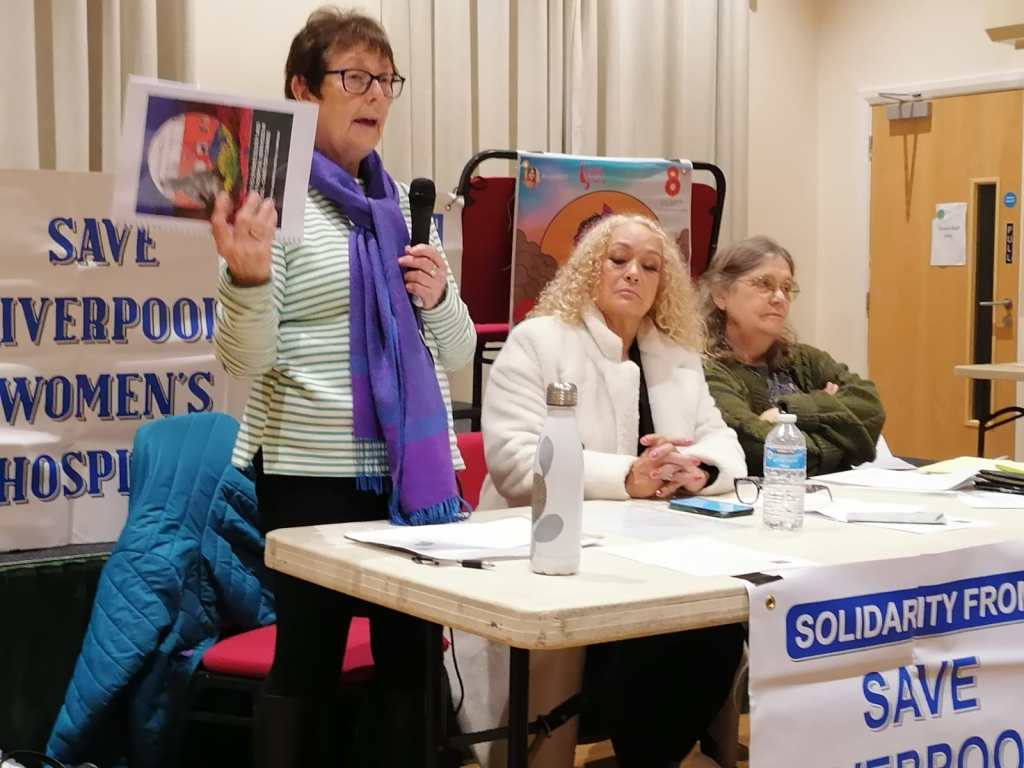
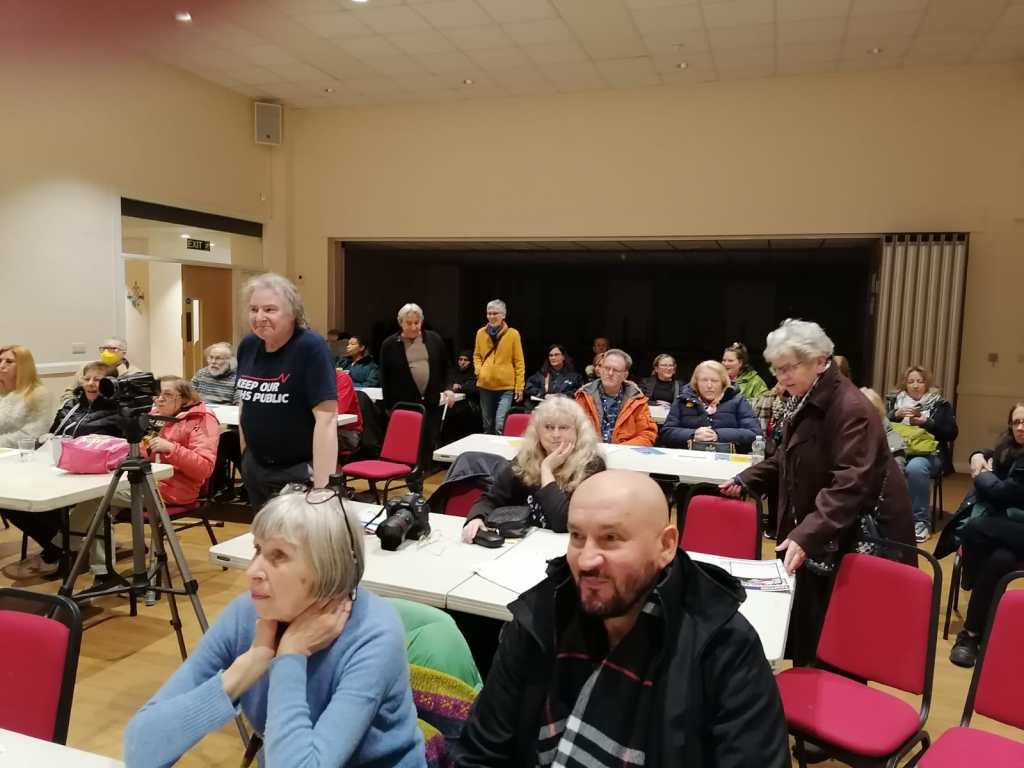
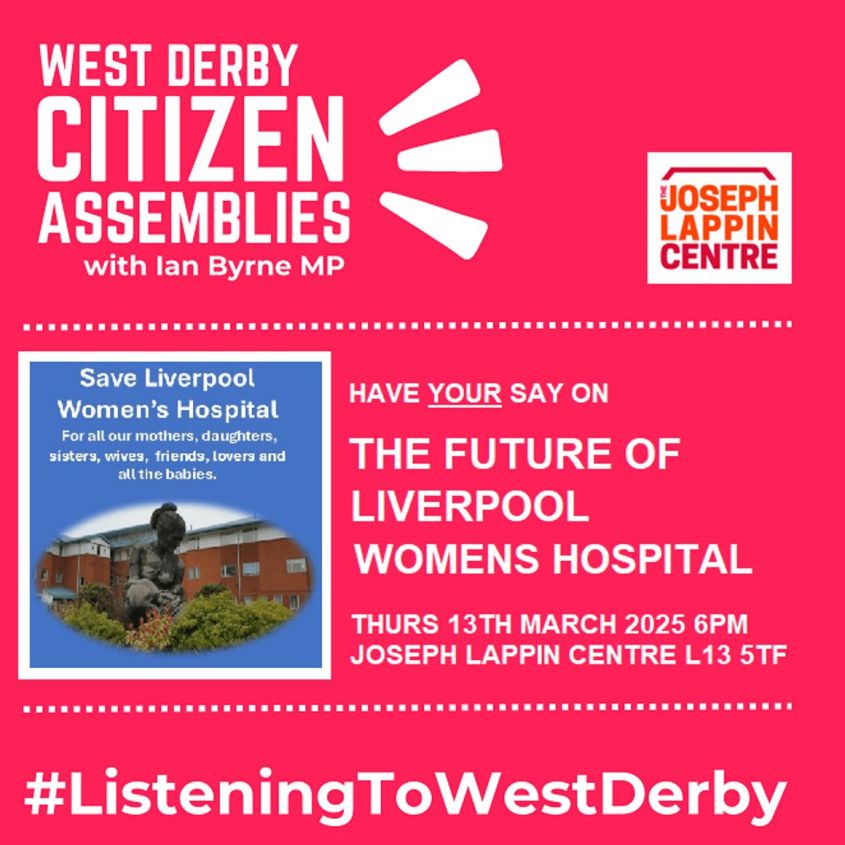
This meeting with Ian Byrne MP voted 100% to save Liverpool Women’s Hospital.

Women and Children

Let’s build a movement to defend and improve Maternity services, fertility services, control over our fertility, and demand better healthcare for women.

Why? In the 20th century, women fought long and hard for safety in giving birth for mothers and babies, but now things are going backwards. Maternity units have been closed, and are being closed. There is a severe shortage of midwives, and no effective workforce plan is in place to address the problem. There are thousands of women out there who have midwifery training and have given up, either too broke, too tired, too fed up or outraged at the conditions for the women they care for. Both Infant and maternal mortality have risen significantly during Austerity, while governments have been cutting services, starving the NHS of vital resources and letting poverty soar. But never mind the women and kids; the rich have been doing very well.

Build a movement demanding better health and healthcare for our children, whose health is suffering.

the rise in infant mortality means that UK is now ranked 30 out of 49 OECD countries – well behind other European countries except Bulgaria, Romania and Slovakia.”

Research shows that about 4-5% of women develop post-traumatic stress disorder (PTSD) after giving birth – equivalent to approximately 25,000-30,000 women every year in the UK. Studies have also found that a much larger number of women – as many as one in three – find some aspects of their birth experience traumatic.

“Investing in the early years is one of the most important things we can do as a society to build a better future and promote the nation’s health, well-being and prosperity. There is clear evidence that such investment will be cost-effective in enabling future adults to live long and productive lives.” 

People Power can save the NHS if we make the politicians listen. Things start to change when ordinary people make time to speak to each other, including their unions, workmates and colleagues, other mothers at the school gates, families, their organisations, clubs, and elected representatives. Women have fought back since the Suffragettes, the Match Girls, the women of Fords in Speke, when they fought for equal pay, since the fight for abortion rights, and the many, many times women have fought for good Maternity care.

Bleak midwinter 2025! Another reason to fight to restore the NHS.

Please help the struggle to restore the NHS. ‘People power’ can change government policies, and the current neoliberal, pro-privatisation, pro-business policies are at the root of the problems in our hospitals, in our GP practices and in social care. Write to your MPs, write to your councillors, raise it in your union branch, make the NHS the talk of the town, of the  streets, of the communities, of the workforces.

Look out for the public meeting that will be held.

Stay safe and keep warm. Put the heating on.

Restore the NHS as a fully public service, funded and staffed for all our mothers, daughters, sisters, friends, lovers, and every baby.

Restore the NHS as a fully public service, funded and staffed for all people.

We are the Save Liverpool Women’s Hospital Campaign. In this post, we are asking our supporters to also support the urgent initiatives from other organisations. The damage to Liverpool Women’s Hospital is symptomatic of all the problems of our NHS, and we fight for the whole NHS.

As we go marching, marching we battle too for men for they are women’s children and we mother them again”.

The staff and patients are feeling the harm done.

Our local hospitals are in the crisis which we warned about repeatedly, which was predicted, and anticipated. And all the while there were multiple meetings about how to make financial cuts (CIPs),and implement unprecedented (and we think, harmful) financial restrictions and huge reorganisation plans, not to deal with the winter crisis, nor the infant mortality issues, or the gynaecology waiting times, nor birth trauma, but to close services.

The winter crisis was and is avoidable. Capacity should have been built into the system. If Covid taught us one thing it was that we must have emergency capacity. Building capacity means planning well in advance in areas like staffing, in space and equipment, in funding, involving  both hospital and community health provision, in action to employ more GPs,in making schools healthier, in  mobilising all public services, and if necessary taking over private hospital capacity. Health campaigners have raised this in written and oral questions repeatedly since 2023, more than a year ago. The response was that this winter would be (according to the CEO of the ICB) “…slightly more austere than the previous two years.” The managers of the NHS, nationally and locally, knew what was coming this winter.

The future of Liverpool Women’s Hospital is in grave danger. Please sign our petition here if you have not already done so. Thankfully, LWH is still there and not (yet) fully merged with the other hospitals. Imagine pregnant women in 50 hour waits in A and E, as is happening today in Cheshire and Merseyside.

We raised all this repeatedly with the ICB, but the government made them follow Price Waterhouse Cooper’s cuts agenda, and didn’t that work well ? Fifty damn hours in the A and E!

Do not blame the flu! Do not blame the elders for staying too long in hospital. Privatising social care was a huge blunder. Impoverishing local authorities was a huge blunder.

lobbying the ICB, last winter!!

Save Liverpool Women’s Hospital is one of many organisations fighting to win the NHS back to its true potential, back to being the best in the world.

It is our NHS . Our great grandmothers, and grandfathers fought long and hard for it and won it. For seven decades, we paid for it, invested in it, grew it. For years people voted Labour because of the NHS.

Women hold up half the sky, but 76% of the NHS. The NHS patient facing workforce is massively female, and we thank them for their skill, dedication, humour, and sheer hard graft. The NHS must become a better place to work. Enough is Enough with workplace stress in the NHS. We need more staff and we need to retain those we have. We need education for our NHS to be free.

Women’s health is damaged by more than a decade of neglect.

A Parliamentary report last month spoke of “Medical Misogyny”. The report said women were being left in pain and discomfort that “interferes with every aspect of their daily lives, including their education, careers, relationships and fertility, while their conditions worsen.

We need another mass movement for the NHS to make this government listen.

Privatisation causes pain and harm in healthcare as it has in the railways, in water, in the post office, in royal mail, in telecoms, on the buses, in the power industry, in power, wherever it has touched public services. Private health care in the USA is a cruel, heartless scandal, but it costs the US government twice as much per head as the NHS costs the UK.

We need the billions Streeting is giving to the private sector in our hospitals.

Please sign this petition from “We Own it”. No to billions to the private sector while the NHS struggles.

Private hospitals use the same staff pool as does the NHS. We need more doctors midwives, nurses and other ( fully qualified!) medical professionals in the NHS, not in private hospitals. Private hospitals are not better, not safer, not well regulated, not actually the employers of their surgeons who need private insurance which can randomly be denied.

We oppose privatisation through the new ‘Big Data’ industries. See this shocking post from Keep our NHS Public research about Data.

We say no to privatisation in the NHS, no to the government giving billions to private hospitals. Buy the damn hospitals and put them into proper public service.

We say No to more PFI in our NHS. Sign a petition here

Press Statement on plans for Liverpool Women’s hospital and healthcare for women and babies in our region.

Save Liverpool Women’s Hospital 2024 for all our mothers, sisters, daughters, friends, and lovers and for all the babies.

The ICB meets on Wednesday, October 9th, to discuss its latest attempt to close Liverpool Women’s Hospital.

Without the long and publicly promised consultation, the ICB has gone ahead, determined to close our much-needed hospital.

Our campaign rejects any attempts to close, merge, disperse or cut services for the women and babies of the whole area.  None of the half-suggestions in the papers will improve anything for women or babies.

Papers such as those published for the meeting on October 9th are impossible to evaluate without a financial statement, research background, and impact assessment, all missing from the proposals.

The financial background for the whole NHS is grim. The last government’s financial plans and policies are still in place. The ICB in Liverpool is in serious financial trouble. There is a looming winter crisis. NHS England has said that the trusts must squeeze staff costs, and there is no chance to surge extra beds and social care resources as they did last year. We have consistently challenged the ICB on this.

Liverpool Women’s has structural financial problems. The largest maternity service in the country is most impacted by the inadequate Maternity tariff. Financial problems are not mentioned in the paperwork. No other hospital can improve on the Liverpool Women’s Hospital maternity service without improved funding.

Liverpool Women’s Hospital needs a level 3 high dependency unit added to its  Intensive Care provisions, and it needs some more specialist staff, all of which would be more efficient and equitable than the current semi-proposals.

We will not stand by and see women’s services sacrificed again.

In 2015, plans were set out to close one Hospital in Liverpool, and they chose to damage services to women.

Liverpool Women’s Hospital’s financial problems are caused by the poor funding of maternity nationally, and the cost of the foundation trust system.

Maternity and women’s health need urgent changes, but these don’t include dispersing services and absorbing Liverpool Women’s Hospital into one giant conglomerate. Should we leave structural issues in our health care to “the professionals”? No way. The big managers of the NHS have caused havoc in the last ten years, implementing austerity, privatisation, the chaos of the building of the new Royal, and the move towards an American healthcare model. We have seen more than a decade of damage.

The priority must be the health and well-being of the women and babies of Liverpool. For too long, women and babies have paid the brutal price of austerity and poverty.

The ICB say they think it will help poor and black women to move a hospital from Crown Street, in one of the most hard-up areas of the city, and the traditional Black centre of the city! This within weeks of the most serious organised racist attacks in the city in decades.

We have always said hospitals should work cooperatively, rejecting the 2012 Health and Social Care Act competition model.

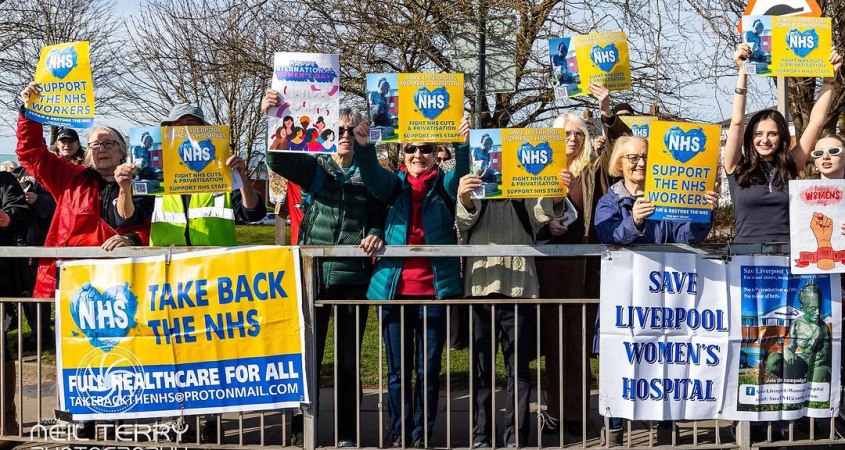
75,000 people have signed the petition to save Liverpool Women’s Hospital. There have been  three large rallies, and countless meetings and street stalls on this issue.

Only the hard and skilled work of NHS workers and in this case especially, midwives, have kept a service afloat.

Restore and repair the NHS! Save Liverpool Women’s Hospital!

Liverpool Women’s Hospital is a much valued service for women and babies.  The history of the building and the site are important, especially as racism has reared it head in Liverpool in a way unseen for decades.  It is a modern low-rise building in good condition. No wonder the private sector lusts after it.  The Crown Street site is, importantly, a green site, which helps sick women and babies heal, which is good for babies’ lungs, and is a good place to be born.

Nationally, Maternity is badly funded and badly organised. The Government spend more on payouts from the insurance than for the whole service. There has been a flight of older, more experienced midwives from the service, making the work of our much-valued younger midwives harder. Midwives nationally have been clear about the dangers, and a slew of reports have shown the damage done to women and babies. All these cases have been in co-located maternity systems.

NHS workforce planning has been appalling in the last decade. Blaming a standalone site for workforce shortage is ridiculous. The situation for anaesthetist training is a national scandal.

We call on the city of Liverpool, Merseyside, and beyond to defend what we have in the NHS, and to fight to improve the rest. No closures, no loss of services, no more mergers, no more outsourcing, no more overworked staff.

Liverpool Women’s Hospital. Great work and great problems.

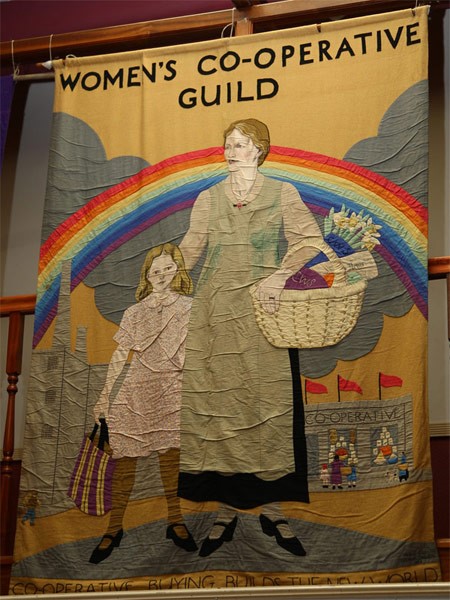
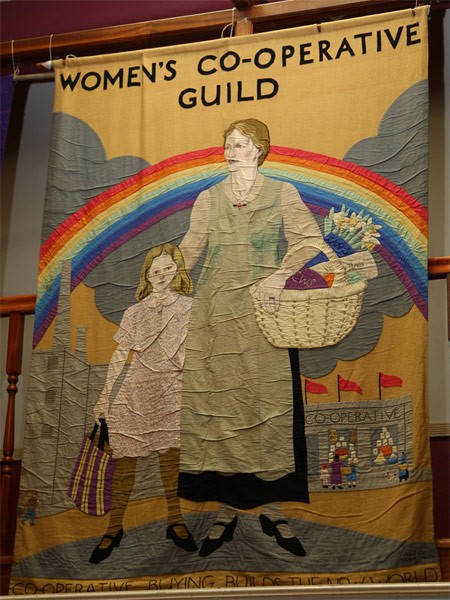
This banner in Liverpool Life museum is from one of the campaign groups for women’s health in the early twentieth century

Women and babies in Liverpool are entitled to the highest standard of healthcare. Our grandparents and great grandparents fought to found the NHS and left us this as their legacy. The NHS was a national service providing excellent healthcare, publicly provided and government funded. The new NHS did magnificent work for infant and maternal mortality.

In the last twenty years though, there have been years of cuts and privatisation in healthcare and years of poverty and subsequent ill health in Liverpool. A report to Liverpool city council this year said that, without change, “The life expectancy of women will fall by one year, and they will be in good health for 4.1 fewer years than they are currently.”

It is time to demand better.

Campaigning for the whole NHS

We are campaigning to Save Liverpool Women’s Hospital and to restore and repair the NHS. We want to see improved funding and staffing and to see the whole NHS move back to its original model of a national public service, publicly provided, providing universal comprehensive and timely care for everyone free at the point of need and funded by Government. If you have not yet signed our petition please do so.

Healthcare staff have worked way beyond what should have been needed to keep some good services going. Every day people are grateful for their work, their kindness and humour but sheer human effort cannot compensate for inadequate funding and too few staff.

Liverpool Women’s Hospital provides some excellent services but it has some serious difficulties too.

The Liverpool Women’s Hospital board meeting on 9/05/2024 reported some excellent staff work, including improved methods of helping premature and very premature babies survive and thrive. It also reported the success of moving early pregnancy loss to its own area, a development much valued by the mothers involved. Previous meetings have seen patients reporting their experiences too. In April there was a very positive report from a patient about her experience of the care she received from the Rainbow Clinic as a previously bereaved mum. We have also seen excellent presentations about the pioneering work on endometriosis and menopause at different meetings. The Hospital website says Every day on average, 24 babies are born in Liverpool Women’s Maternity Unit and another three babies are born prematurely and cared for in our Neonatal Unit Most of Liverpool’s babies are born at Liverpool Women’s Hospital and sick and tiny babies are cared for in the beautiful new NICU ( Neo Natal Intensive Care Unit)

Entrance to the NICU

The Liverpool Women’s Hospital is undertaking a major anti-racism drive to improve outcomes for patients and staff. We very much welcome this initiative. It is essential to save lives.

The core problem for Liverpool Women’s Hospital is under funding. This underfunding stems from the national underfunding of maternity as well as the general under funding of the NHS. This longterm underfunding has meant years of cuts. The NHS organisational changes from 2012 to create Trusts and Foundation Trusts also wasted many resources that should have gone to patient care.

Liverpool Women’s Hospital also has a long waiting list for cancer patients and waiting lists for gynaecology appointments. Some more staff have been appointed and hopefully the list will be dramatically reduced.These waits cost lives and health. The Chief executive reported that

NHS England’s tiering process for cancer performance is designed to provide accountability and additional central support for trusts that are most at risk of missing national cancer targets. Trusts are categorised into tiers based on their performance, with Tier 1 being the most challenged and requiring the most support. Trusts may move between tiers based on their performance improvements or deteriorations.
In a letter received on 26 April 2024 from NHS England, it was confirmed that following a review of cancer performance, and in agreement with the regional team, the Trust will be in Tier 1 for Cancer from the week commencing 29 April 2024. The move to Tier 1 will involve regular meetings to discuss delivery progress and any required support from the relevant parts of NHS England.

Last year the hospital had a poor Care Quality Commission report for maternity and it has taken work to improve on this.New management is in place and they have plans to ensure that improvements are happening.

Our babies, our mothers, deserve much more.Every mother every baby treated at Liverpool women’s deserves the very best. Poverty from low wages, low benefits and poor housing is costing lives, and causing long term ill health. Inadequate health services are part of this.The Care Quality Commision report last year showed how much harm has been done by this underfunding and under staffing. The management must also be responsible for some of the damage mentioned in the Care Quality Commission reports.

The funding issues at Liverpool Women’s means that to meet the current level of service it needs twenty five percent more funding. Money is spent very carefully but for basic safety to be met, that extra spending is essential. At present the required money is being spent and temporary support funding has been made available, by the ICB or national NHS. However this situation puts the hospital into whats called Level 3 of the National Oversight Framework which could bring in management decisions not based on the needs of staff and patients, as the government clamps down on public spending.

Many studies show that money spent on good healthcare repays for itself many times over. At birth this is especially so as bth injuries can last a lifetime.

Neither merging the hospital nor dispersing its services will change that fundamental financial situation. Only an improvement of maternity funding will make a real difference.

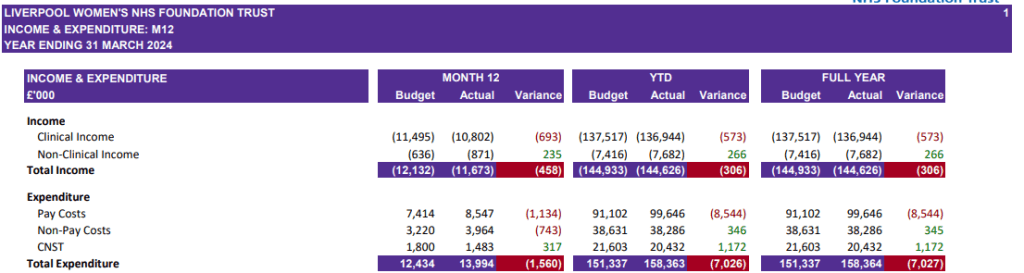
Screen shot from page 52 of the LWH Board meeting 9 05 24

The underfunding of maternity leads to staff overwork and reduced services. Government safety figures for staffing are met but we say these safety figures are inadequate. The Government funding does not provide sufficient staff to deliver the kind of service patients and staff require. yet money is squandered on private companies and financial consultants.

There are national problems with maternity services described in many prestigious reports, as well as the Ockendon and Kirkup reports. No report has yet managed to shift the Government’s policies. We believe we need a huge campaign to win back the NHS.

A large part of Liverpool Women’s Hospital Maternity spend is on the maternity Incentive scheme, a government owned insurance system, run on a business model. Liverpool Women’s Hospital meets all the requirements of this scheme and so gets a refund from hospitals that do not meet all the safety requirements. This is an unbelievable situation..

Payouts from the fund are higher than the funding for maternity.If maternity were well funded fewer babies would be damaged and have to claim through the courts from this insurance fund.

In this crazy situation the hospital is still expected to make cuts (CIPs).

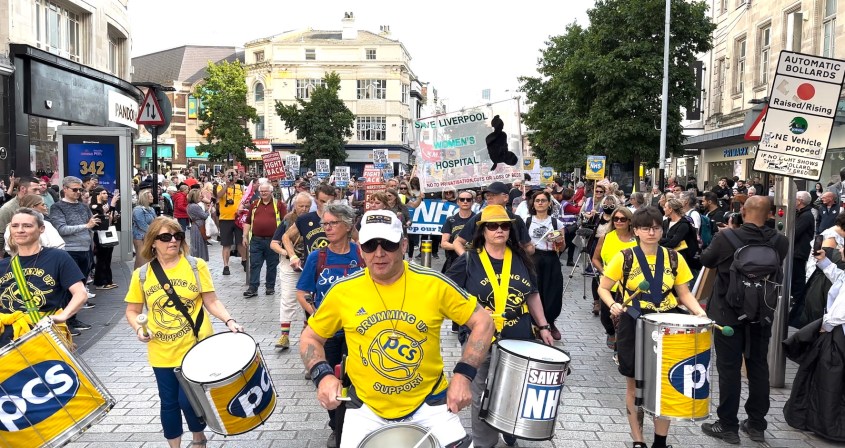
Our demonstration last October.

We have written before about how planned Cheshire and Merseyside ICB funding will not repair the situation patients experienced last winter. This poor experience was seen in many aspects, including A and E, care in corridors, access to GPs, access to NHS dentistry, and inadequate mental health provision. It will be worse next winter.

It was no surprise to hear there will be no new Hospital built in the next decade, nor does Liverpool Women’s require a new building. we believe that the new building idea was floated to make the idea of merging Liverpool Women’s Hospital into the big acute hospital more palatable. The existing building is less than thirty years old.However the drive to make fundamental changes remains, with merger or dispersal being the most likely recommendations. WE want to keep a distinct women’s hospital.

In the April Board meeting of Liverpool Women’s Hospital it was reported that work is in progress for major changes.

the Women’s Hospital Services in Liverpool Programme. As part of the roadmap, the initial phase of the programme had been outlined, with an emphasis on the importance of openness, transparency, and continuous engagement with the public.
The development of a clinical case for change was scheduled for the spring and summer of 2024, with publication expected later in the same year. Feedback from this engagement phase, gathered during the winter of 2024/25, would then inform the approach to designing future services, with further development of potential options anticipated to commence in early 2025.” So the threats to Liverpool Women’s Hospital are still very real.

A meeting has been held with other Liverpool hospitals about the future for Liverpool Women’s Hospital and women’s health in the other hospitals in Liverpool.We have not yet been able to see which issues the other hospitals raised. Public consultation is promised this year.

No hospital can exist in a vacuum. Every hospital should be working in a mutually supportive system. The NHS was founded to be a national service, not a collection of competing hospitals. System working was damaged by the 2012 Act and the drive to privatisation. Cooperation and system working is required for the future of the other specialist hospitals in Liverpool, like the Heart and Chest and the Walton Centre.

Our campaign to Save Liverpool Women’s Hospital and to restore and repair the NHS has huge public support and is growing steadily.

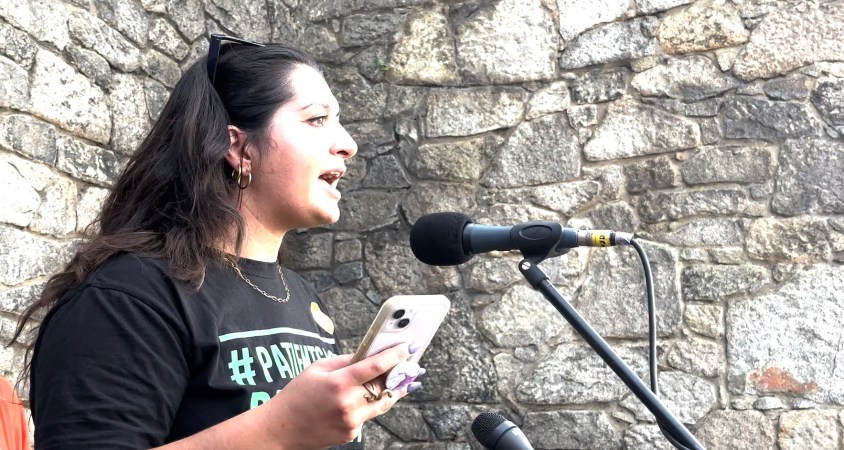
Aliya Yule speaks at the end of the demonstration to save Liverpool Women’s Hospital and to restore the NHS. October 7th 2023.

I’m Aliya from the Patients Not Passports campaign and it’s an honour to be here today, joining this fight to save Liverpool Women’s Hospital. 

The Government is waging war on us, on our public services, and on our migrant & refugee communities. They tell us that migrants are to blame for overstretched schools and hospitals. But that is a lie.

It is the government that underfunds our NHS, and tells health workers to work harder for less. This is a crisis they have created. 

They tell us it’s people seeking safety on our shores that are the problem.  But again – that is a lie: Our enemy doesn’t travel by migrant dinghy. They travel by private jet. 

And it’s a dangerous lie. Because it has created more than a decade of the racist… violent Hostile Environment immigration controls, Which has forced health workers to become border guards… deterred patients from seeking care…and caused delays in life-saving treatment…  while saddling sick people with debts they can never pay, and sending debt collectors after them. 

The hostile environment is racist and sexist at its core. It disproportionately hits black and brown migrant women and pregnant people — we see how border policies of charging migrants for maternity treatment – routinely up to £10,000 – means that some people are too afraid to get the care they need. 

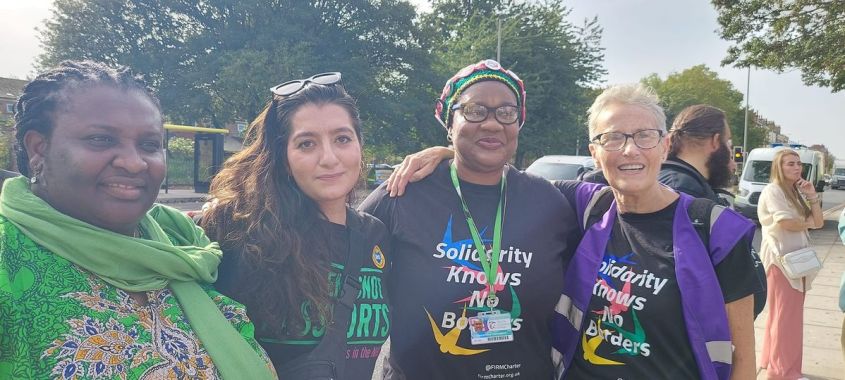
Alyia is second from left

Today, it’s an honour to be here with you in Liverpool, where we are standing up and fighting back. Today not only are we marching to save Liverpool Women’s hospital, we’re also marching for people like Omisha… a four-year-old girl who was charged £76,000 pounds for her cancer treatment.

Photo from the Change petition

We are patients not passports! 

We’re marching in solidarity with her family as they fight for justice. We’re marching for an NHS that is free for all, forever – no matter your immigration status… no matter where you are from… and no matter your ability to pay… Free at the point of use… for anyone in need. This is the socialist principle upon which it was founded, and which we must fight for. 

We must stand shoulder to shoulder… bringing our struggles together… against all attempts to divide us.  When we show up in solidarity and connect us our struggles, we know that we will win.

Save Liverpool Women’s Hospital. 

Save the NHS. 

Please see also Comfort’s speech at the start of the demonstration