It is indisputable that our health service is in crisis and that the NHSE and the Government know full well how bad it is. The purpose of our letters to the ICB is to put public concern on record and hopefully put pressure on the politicians to restore and repair the NHS. We also wanted to ensure that reports were clear and not cover-ups.
There was considerable discussion about the letter below in the public section of the ICB meeting in July. The CEO said that they had asked for £ 150 million in additional funding from NHSE ( National Health Service England)but the Hospital Trusts’ CEOs would have asked for £ 300 million more but he was being realistic. That realism means preventable deaths pain and suffering and exhausted staff.The fault though lies with the government.
Cheshire and Merseyside NHS Integrated Care Board
Our Letter
On behalf of the Combined Cheshire and Merseyside NHS campaign groups
to
Dear Chair and Chief Executive
Re the papers for the JULY 2024 meeting of the ICB
We write once more to express our deep concern about the level of provision for Accident and Emergency Services in this late summer and particularly in the coming autumn and winter.
Last year we wrote expressing our fears that the resources of staff, beds and premises for the winter of 2023-24 would be inadequate. They were more inadequate than we as lay people predicted.
Looking at the papers for July 2024, and particularly the pressure to make 6% CIPs both at ICB and provider levels, we again express our fears that this coming winter will be still worse. The decision of NHS England to send in Price Waterhouse to suggest further cuts is very worrying.
In our stalls and public work, we have come across medical students expecting to have to emigrate on completion of their training simply because of the state of the hospitals. They told us, and this is confirmed by others working in the hospitals, that the overcrowded state of A and E and the overall shortage of hospital beds, means this crisis affects nearly all the wards with patients boarded into already full wards.
We are concerned about the toll this takes on staff. Patients though, are put at risk to their lives and long-term impairment from these conditions. The Royal College of Medicine reported that “Nine out of 10 A&E doctors say patients are coming to harm in UK’s Emergency Departments”.
We saw the report from the Covid enquiry. Our health services must be prepared for future episodes of explosive need.
Your medics have a duty of candour, and you as NHS managers also have a public duty to speak truth to power.
We demand that an urgent plan of action is drawn up, including all available doctors, nurses, midwives, diagnostic services staff, and additional cleaners and health care assistants be employed, that additional physical space be provided, that an excellent standard of hygiene and personal care be provided in all A and E departments, including good food for staff, those waiting with ill patients, and where safe, for patients.
We also demand that the ambulance service be enhanced to make sure patients are reached in good time. We saw parliamentary reports of 500 people dying because an ambulance did not reach them in time.
These patients are our family and friends, our neighbours and workmates.
Urgent and comprehensive action must be taken.
Ensuring that patients are seen by GPs in good time, and by qualified doctors rather than PAs will reduce the number of urgent cases arriving at A and E.
It ill behoves the NHS strategists who made a virtue out of closing hospital beds to now pass the blame to the chaotic and market-driven social care sector, where over decades the few local authority homes have been pressurised to close. Social care does need a major service-driven reform. As with the trains and water privatisations, social care privatisation has not proven to be a service-driven model.
When we talk to people in public the litany of the closed hospitals in Liverpool is frequently quoted, and the reduction in beds with the rebuild of Liverpool Royal.
Such political pressures as we can exert are nullified if your reports do not adequately reflect the extent of the problem or if your reports are written in a jargon understood by a few. We do not need Professor Pangloss mimicked in these reports, but rather a reflection of reality.
We say by all means make better use of the resources you have, but also make the plans that need making to ensure safety even if those plans are knocked back, at least they are ready to go if we as the public can build the pressure to release the funds.
We had written another letter previously and this had caused a stir at the ICB with one trust CEO saying “You thought it was bad for patients! You should have seen what it was like for staff” But still the CIPs(cuts) went through.
The previous letter said
Hello,
I would like to put the following to the forthcoming meeting of the ICB.
How is the ICB preparing for Covid this winter?How will hospitals make preparations
given they are expected to make large cuts(CIPS) as described in the board paperwork.
given there are so many hospitals already on Opel level 3 in summer and early Autumn.
given Staff shortages and unfilled vacancies.
and the number of NHS staff relying on food banks, suggesting weakened responses.
I refer you to the recent enquiry hearings which showed how badly the country was prepared for the first wave, with hospital infrastructure poor. SARS-CoV-2 frequently mutates and causes waves of infection and is to some extent seasonal. It is normal for The NHS to watch levels of Flu infections in the Southern Hemisphere Winter to plan for our Northern Hemisphere Winter infections. It would seem sensible to follow Covid levels similarly. Australia had a large and extended wave in its last winter, as reported in the BMJ 2023; Covid-19: Australia’s future policies will be evidence led after “profound impact” of latest wave, says minister.
How have you taken account of the Australian experience in your preparations for this winter?
I look forward to your response,
The use of corridor care and inboarding is now so common a set of safety advice has been prepared. Those of us who saw the Dispatches programme about Shropshire A and E can see the need for this but there should not be a need for corridor care at all.
Investment in healthcare makes the economy and the people healthier and stronger. There are many sources for this information but we will post just a few.
The government wrongly keeps referring to the household budget as though that is how Government spending works. Damaging our healthcare is about as sane as refusing to pay for your toilet to be repaired when you are hard up.
Our healthcare is ours. We want it back. It does not belong to the corporations. We know that the US corporations run, in the US, the worst health service in the advanced world according to the Commonwealth Fund an authoritative US organisation.
We, with more than 70,000 people who have signed our petition (an online version of the petition can be signed here), oppose these plans but we publish this letter so everyone can see all the details we have on the proposals.
We have been promised earnestly (!)and repeatedly in board meetings that our campaign would be consulted about plans for the future of Liverpool Women’s Hospital. What we got, however, was a leaked copy of a letter to staff written by the joint chief executive of Liverpool University Hospital Trust and Liverpool Women’s Hospital. We will publish our response shortly.
This is the letter
Dear colleagues,
As you will all know, the adult and specialist Trusts in Liverpool have a strong record of working together for the benefit of patients and their families across the city, and the region.
We have a lot to be proud of, for example the stroke pathway service between Liverpool University Hospitals NHS Foundation Trust and The Walton Centre NHS Foundation Trust, the cancer pathways across all Trusts, and improved diagnostics waiting times across the city.
In January 2023, a report called the Liverpool Clinical Services Review recommended we continue to build on this in several key areas to help create a healthier city. Since this report, good progress has been made towards ever further collaborative working across the system.
Next Steps for Collaborative Working in Liverpool
As the next step in this work, NHS Cheshire and Merseyside has asked the five adult acute and specialist Trusts in Liverpool to establish a joint committee. Its purpose is to create sustainable healthcare systems for the future with a clear focus on improving patient care and outcomes.
Staff in all Trusts work incredibly hard and care deeply about doing the right thing for patients. As we all know there are significant challenges facing the NHS – pressures every day, capacity, and funding. And this year is going to be the toughest yet.
We have been asked by NHS Cheshire and Merseyside to come up with a way to act more quickly, find solutions and have a simpler way of making decisions about things that involve us all with a clear focus on improving patient care and outcomes.
Adult Acute and Specialist Hospitals Joint Committee
The Chairs and Chief Executives of the five adult acute and specialist Trusts, outlined below, will sit on the joint committee:
Liverpool Heart and Chest Hospital NHS Foundation Trust (LHCH),
Liverpool University Hospitals NHS Foundation Trust (LUHFT),
Liverpool Women’s NHS Foundation Trust (LWH),
The Clatterbridge Cancer Centre NHS Foundation Trust (CCC), and
The Walton Centre NHS Foundation Trust (TWC).
This will enable more streamlined decision making and help to build upon existing collaboration with a specific requirement to collectively manage the financial position across the Trusts, deliver economies of scale and manage vacancy controls
The focus of the joint committee will be to establish the new governance arrangements, meeting in shadow form (i.e no formal authority) in September 2024 and be in place formally (i.e. with authority to make decisions) by April 2025.
Over the coming weeks the detailed delivery plans are being developed. I am committed to ensuring colleagues are updated as more information on the joint committee plans becomes available. Colleagues at the other Trusts are also receiving this information today.
Shared Board of Directors for Liverpool University Hospitals NHS Foundation Trust and Liverpool Women’s NHS Foundation Trust
Additionally, LUHFT and LWH are building upon their existing joint board appointments and are working towards developing a shared Board of Directors. This supports Liverpool Women’s Hospital’s long-stated ambition to be aligned to a larger acute Trust to support the management of identified clinical risks.
Work is underway to develop the detailed plans for establishing the joint board by late Autumn 2024.
The Women’s Hospital Services in Liverpool Programme, commissioned by NHS Cheshire and Merseyside will continue to progress with developing proposals for safe, high-quality maternity and gynaecology services in Liverpool through public consultation and engagement.
These new governance arrangements will not impact on the delivery of services at the respective hospital sites or on this established programme of work.
Keeping you updated
We will keep you all informed as much as possible through regular Trust-wide communications and through your line managers. We know that many of you may have questions in relation to this subject. We have drafted some initial FAQs that you may find useful. ( this link is better: our edit)
If you have any further questions, please send them to communications@liverpoolft.nhs.uk – to help inform updates to the FAQs, further communications and briefings.
The author is James Sumner Chief Executive of Liverpool Universities Foundation Trust and of Liverpool Women’s Hospital
The Save Liverpool Women’s Hospital campaign will publish a detailed response as soon as we can do so with real consideration of the risks involved in these proposals. Meanwhile please keep campaigning to Restore and Repair our NHS so such dangers to our healthcare are removed.
For all our mothers, sisters, daughters, friends, lovers and every single baby, Save Liverpool Women’s Hospital. Restore and Repair the NHS
“Do not appeal, do not beg, do not grovel. Take courage, join hands, stand beside us, fight with us”!
The Suffragettes knew how to campaign and so do we.
This post is being written just two weeks after the General Election which saw the Conservatives, who had so very severely damaged our healthcare, thrown out. (Hurray!)The new Labour Government has a massive majority but lacks a clear plan to restore and repair the NHS, and talks of more privatisation. They also have form in bringing in privatisation in earlier governments. So, we need to review the situation and renew our campaign.
We are far from alone. There are campaigns like ours dotted around the country. The NHS is immensely important to people in the UK.
Our online petition says Save the Liverpool Women’s Hospital. No closure. No privatisation. No cuts. No merger. Reorganise the funding structures, not the hospital. Our babies and mothers our sick women deserve the best.
We fight too for the whole NHS; the issues are inseparable. Maternity is one of many issues, including the overall reduction in healthcare capacity in this country as seen in the many hospital closures, shortage of doctors, multiple kinds of privatisation, the use of the business model, and the influence of big US “health” corporations. We, though, focus on maternity and our local issues (as well as the big national and international healthcare, women’s rights and children’s rights issues.)
From the start we said
For all our mothers, sisters, daughters, friends, lovers and every precious baby save Liverpool Women’s Hospital and the NHS.
In the years we have been campaigning we have seen severe damage to maternity care nationally, and to the whole NHS. Mothers and precious babies have paid a heavy price. Highly qualified people have conducted report after report into the situation and the last government gave lip service and let the situation deteriorate. These are heartbreaking and infuriating descriptions of some maternity in the UK.
The most useful definition of birth trauma we have found is this.
“A traumatic childbirth experience refers to a woman’s experience of interactions and/or events directly related to childbirth that caused overwhelming distressing emotions and reactions; leading to short and/ or long-term negative impacts on a woman’s health and wellbeing.”
There is support in issues around Birth if you contact the Birth Trauma Association, and sometimes through the maternity hospital. Liverpool Women’s Hospital has a service called the Rainbow Clinic for women having a baby after an earlier traumatic experience, normally involving the death of a baby but it is not advertised on their website.
Some mothers thankfully do have great experiences of birth but the numbers reporting far from good experiences is heartbreaking. The racial and class divides in Maternity outcomes are scandalous. Maternity is grossly underfunded and understaffed. The staff are overworked.
Continuity of Carer where pregnant women are cared for by a known small team of midwives from the pregnancy through birth and the post-natal period would help if it were fully staffed and funded would help. Without funding and staffing, the attempt to introduce continuity of care caused chaos. Donna Ockendon’s report called for it to be halted until full funding and resources.
We are concerned about women’s experience of delayed induction of labour and its link to emergency caesarean sections.
Staff in our hospitals and community teams work hard with inadequate resources and inadequate staffing. We will shout from the rooftops”We need more midwives.”
We have seen NHS managers looking for all kinds of magical thinking solutions to the problem but Liverpool Women’s Hospital does not need a new building, we do not need new fashions in childbirth, we need women’s choices to be heeded, we need more midwives, more obstetricians, more anaesthetists, more natal nurses, more health visitors, more infant feeding specialists. We need better blood services, well-maintained buildings, better food for staff at night, we need bursaries and we need to retain the staff we have. Above all, we need more midwives.
It would be nice if NHS managers were prepared to speak truth to power but we know that bullying is endemic in the NHS.
Many reports, especially in the right-wing press criticise “NHS Maternity Care”. However, the US model of maternity care is the worst in the developed world so no lectures from American Health Corporations or their UK offshoots or employees or political servants, please.
We must make the politicians listen. Our campaign must become deafening.
We took a big Restore and Repair the NHS campaign van around Cheshire and Merseyside in the week before the election. We went to Leighton Hospital near Crewe and up to Southport, to Ellesmere Port, to Chester, to Neston, to Warrington, to Kirkby, Whiston, Birkenhead, West Kirby and Liverpool. The van was met by campaigners in many places and had good support from the public. We heard stories of gratitude to the NHS and stories of long waits and being unable to access treatment.
We were not supporting a particular political party but we were opposing the last government and all the previous ones that had damaged our healthcare in the name of austerity or the discredited idea that private companies could run public services better than public services.
The NHS was one of the biggest issues in that election but too many people felt there was nothing they could do about it. We saw the lowest turnout in the election, the lowest since ordinary people had the vote.
One conversation comes to mind, one in Ellesmere Port Market(a great place!). A woman said there was nothing they could do about it however bad it was. We said that the suffragettes managed to change things, without even having the vote, that slaves got slavery abolished, that we do not send kids up the chimney anymore, and that the fight for the NHS was from the people not from political parties.
We also want to do a shout-out to the Lodge Lane food pantry, a great crowd of people who gave our van a real welcome.
It would be so much better if Repairing and Restoring the NHS was once again a serious commitment from one of the political parties but it still is not. We must make the issue of restoring and repairing the NHS such a big campaign that politicians must listen.
The NHS needs proper investment NOT “reform” and privatisation. This campaign joins with NHS workers Say No in saying #Wes change your plans #no to NHS privatisation.
Our campaign is part of a wider campaign in Cheshire and Merseyside to restore and repair the NHS. The local ICB we know is short of funds but now has been told to bring in a private company to look at how it can reduce costs. This is ridiculous. Liverpool Women’s Hospital requires additional funding to keep safe. Funding comes through the ICB. We are far from the only hospital or service in that situation. It is an intolerable situation and we call for public support to stop this dangerous nonsense. The lives and health of our precious babies and the health and at times lives of their mothers depend on improving the healthcare.
We warned the ICB that last winter would be dreadful in the NHS and dreadful it was. We need urgent action now to prevent another set of winter problems in this area.
Our hearts go out to the women and children of Gaza, especially to the pregnant and new mums. Cry justice for the dead and injured. We weep and rage with the patients whose doctors and health workers who have been willfully killed by Israel or tortured in Israeli prisons in this terrible onslaught. We mourn too the dead of Ukraine and those in all the other conflict zones.#CeasefireNow#StopGenocide#SavetheChildren.
With your help, in person or through donations, we will grow our NHS maternity campaign so it cannot be missed. Remember every campaign requires people to talk to their friends about the issue. These little conversations are the seeds of success.
What can you do?
1 Talk to your friends and workmates about the need for a fully funded publicly owned NHS.
2. Get involved with the campaign personally.
3. Tell us about your experiences and suggestions
4. Make formal complaints about poor service to the hospital and to your MPs and councillors. We can help.
4. Get your union branch or other organisation involved in the campaign. Ask us to send a speaker.
5 Give out leaflets in your street.
6 Put up posters.
7 Come to our events. Look out for events when the Labour Conference comes to Liverpool at the end of September.
Speak out for the NHS. The NHS matters in this election and after it.
Don’t leave it to the politicians.
The NHS came from the people and the people must organise to get it back!
Restore and Repair the NHS.
Cheshire and Merseyside NHS campaigners are taking a campaign van around the area to remind people of the need to Restore and Repair the NHS.Politicians should heed the needs of the people before the needs of the banks
This article gives information gives more information than the leaflet we are giving out
We say to any government, you must repair the damage of the last two decades, and rebuild the service after years of cuts. The capacity of the NHS to provide adequate timely treatment was cut as the population aged. But it made big money for the very rich. We want the NHS back for the people, not for profit.
Join our campaigns until the politicians restore and repair the NHS.
The Royal College of Nurses has declared a national emergency in the NHS.
Doctors are warning of large numbers of avoidable deaths from NHS shortages.
Life expectancy in Cheshire and Merseyside is lower than the national average for men and women. Access to health care is crucial in this. Will you willingly give up years of your life, and the lives of those dear to you, to fund privatisation and poor healthcare?
The NHS is underfunded. Our local Integrated Care Board said in May 2024 that “provider financial plans exceed the level of funding available” Providers are hospitals. The hospitals have huge waiting lists and dreadful A&E waiting times. They need the money. Maternity desperately needs funding.
The damage to the NHS has been deliberate. Privatisation, underfunding, deskilling staff, closure of hospitals and beds, organisational “reforms” using expensive financial consultants, PFI, and poor building maintenance; it all adds up to Government policy and it has been lethal.
Privatisation involves public money being paid to private companies to provide a service and allows the private company to make a profit and to deny care to some patients. That profit is money that could go to the public service. They are not more competent nor more efficient. £10 million pounds a week goes to private profit according to We Own It. The ICS structure is based around “commissioning services” pushing ever more of the NHS budget into the private sector.
Fund and staff maternity services to equal the best in Europe. We need more midwives. Can we say that again? We need more midwives. Did they hear that? Say it again WE NEED MORE MIDWIVES. There have been so many reports on the state of maternity services, we need action now. Women and their families are angry about what’s happening in maternity.
Children’s Health
The health of our children is worsening. Ensure every child has timely access to full healthcare, at birth, in the community, at the GP surgery, at Accident and Emergency, and in planned care in the hospital. Bring back health visitors.
GPs
The GP service must be restored and be staffed by qualified doctors. The government must allow spending on doctors as well as ancillary services. A good GP puts years on your life. GP services have been cut with overall funding cuts of 20% per patient per year since 2016.
Mental Health Care
Mental health services must be renationalised and brought back into the NHS and staff trained and paid to NHS standards. The damage is disgusting.
Dental Health Services
Everyone has (or did have) teeth. Our dental health services must be made available to everyone. The damage is immense. Change the contracts to ensure this. Bring back NHS dentistry.
Hearing Services
Audiology must be brought back in-house to make sure everyone has access and no one has to pay privatised prices. Hearing aids are free on the NHS if you insist on using the NHS. These hearing aids are just as good as the ones for which people pay hundreds
Ophthalmology
Eye health services must be brought back into the NHS to ensure quality of service, and access for all and to prevent unnecessary treatments that make profit. When so much of the service is farmed out to for-profit companies and the NHS just does the most complex the whole training system fails
A&E
Accident and Emergency Services. Waiting for hours in A&E is an awful experience as is being treated in a corridor. According to new estimates, long waits in A&E departments may have caused around 30,000 ‘excess deaths’ last year. The stress on staff is also unbearable. We say No more winter crisis. Employ the staff, provide the buildings, and open more hospital beds.
Healthcare for all, free at the point of need. End the policy of charging for some services, reduce prescription costs, and stop discrimination against migrants, who pay twice for the NHS and are charged at 150% of costs yet pay all the same taxes as everyone else.
Our data
The NHS as a national service for over 75 years is gold dust as far as big data companies, health insurance companies and the US health corporations are concerned, the information about our health care, our symptoms and treatment must return to being confidential. Palantir has been given a huge sum of money to manage our data. Kick out the big US data firms and the other private firms who are getting rich off of our data.
Staffing
All vacancies in the NHS must be funded and recruitment processes must be positive and wide-reaching, including winning back many nurses and midwives who have left. Say no to two-year trained staff, no to the use of Physician Associates except in situations where they are in real-time supervision. Workforce planning must be based on training and employing more qualified doctors and nurses to meet the needs of the people. Student debt in medical nursing midwifery and allied professions must be abolished, and bursaries re-introduced so ordinary people can afford to train.
Pay the NHS and social care staff well. This will help keep staff and reduce their stress.
Social care
Social care covers services to the frail elderly and to disabled people people of all ages both at home and in care homes. Councils are starved of funds and stupidly went along with the policy of privatising their own care homes. Now care homes are privately run, by for-profit companies and do not provide a universal service but a service where and when they can make big profits. Most are privately owned by big companies and hedge funds. This is more public money going to shareholders. Neither are care services free at the point of need but charge large fees to users who do not qualify for NHS funding or Local Authority funding. Children’s social care is in a shockingly bad state and adult social care needs radical reform. If you are interested in this area see the End Social Care Disgrace campaign
The private sector. This is no solution to the healthcare crisis. They don’t have the full range of treatments or facilities and are dependent on the NHS for backup. Most doctors who work in the private sector also work in the NHS. The NHS has103,277 general and acute beds while the private sector has about 11000
We all need healthcare. The need for the NHS is crystal clear. All the parties say sweet words about protecting the NHS, but we have to hold them to these promises. (bar one- Reform wants to bring in an Insurance/market-based system)
The NHS is the most cost-effective structure and the most equitable system for healthcare.
Give the NHS an immediate boost to its funding.
Renationalise the NHS. Make it once again a national service. Stop privatisation.
A healthy population is obviously more effective than one with millions of people waiting for treatment. Millions of people denied treatment or kept waiting for years is morally unacceptable and bad economics.
The incoming government must fund the NHS to prevent the next still worse winter crisis. It must address the issues around maternity, GPs, dentists and NHS pay, or the people will be very angry, just as the current government is blamed. It took many years to win the NHS and might take years to win it back but the campaign will go on if you give it your support
The campaign to restore and repair the NHS must go on !
Save Liverpool Women’s Hospital, the national maternity service, and women’s and babies’ healthcare. While we fight for Liverpool Women’s Hospital, we fight also for the whole NHS.
“As we go marching, marching We battle too for men For they are women’s children And we mother them again.”
Together ordinary women and men can make a difference, and can put huge pressure on the government to improve our services and maintain that improvement. We cannot leave it to election promises, especially as neither main party at present is supporting the full restoration of the NHS.
Our campaign focuses on Liverpool Women’s Hospital. So, we asked local pregnant women for their thoughts.
“I think the most basic thing that women giving birth need is to feel safe, and to be able to have confidence and trust in the people who care for them before, during and after the birth of their baby. Continuity of care is so important, and while this is challenging to deliver, this should be the goal wherever possible. The Women’s has suffered some serious problems in the recent past, and work needs to be done to restore trust and confidence for the women and families who rely on this vital service. Women need to be able to access midwifery-led care, and be supported in their choices around birth and beyond. I want to feel secure that I will be offered treatments that will be beneficial (nothing unnecessary), that the midwives and doctors will listen to me and answer my questions, that they will seek my consent before they intervene, and that the quality of care and communication will be consistently of a high standard. I have experienced both excellent care and coercive and traumatic care at the Women’s in the past. I understand that there are serious system pressures that affect staff throughout the trust, but no woman should leave the postnatal ward feeling traumatised and vulnerable. Staff need all the support and training necessary to ensure this does not happen. Research demonstrates that birth trauma is a national problem, and I would like to see the Women’s taking a leading role in addressing this silent epidemic. As a tertiary centre and leader in obstetrics and foetal maternal medicine, the Women’s should be setting standards, not struggling to meet them.”
Another comment was:
“We need more focus on women with complex social needs as they have terrible experiences once they go in to deliver.”
We agree and say.
Fight to save and improve Liverpool Women’s Hospital.
Restore and Repair the whole NHS.
We need a national health service, funded at least as well as other European Countries, publicly provided, not for profit, available to all humans in the country, free at the point of need. This model is the safest and most economical model of healthcare. The US have a dog’s dinner of a healthcare model but it costs much more than the NHS and has many more preventable deaths.
The UK does not spend enough on our healthcare and wastes billions on private profits.
Governments know this and choose to involve big US corporations in the NHS so they can make a fortune, as our service runs on empty. The years of closures and mergers have done great harm and the last thing we need is more health care corporations to rip us off.
The U.S. has the lowest life expectancy at birth, the highest death rates for avoidable or treatable conditions, the highest maternal and infant mortality, and among the highest suicide rates. The U.S. has the highest rate of people with multiple chronic conditions and an obesity rate nearly twice the OECD average.
Liverpool Women’s Hospital requires about 25% more funding. This is because eighty per cent of its work is maternity, and maternity is badly funded nationally. However, funding for the whole ICB (NHS) in Merseyside and Cheshire is also a problem. One of the hospitals that cannot safely work within the given budget is Liverpool Women’s Hospital. The Board of Liverpool Women’s Hospital has set a budget for safety and must be supported in this.
The Cheshire and Merseyside Integrated Care Board provides the bulk of funds to the hospital with a small amount coming nationally from funding for specialist services. The ICB in turn gets its funding from NHS England. NHS England funds maternity through what they call the maternity tariff. This maternity tariff is inadequate for safe care. NHS England gets its funding from the Government. The buck stops with the Government.
The ICB said it has serious funding issues in its most recent report;
“Colleagues will be aware that the financial planning round for 2024-2025 has yet to be concluded. This is largely because provider financial plans [providers are the Hospitals and non-hospital trusts our comment] exceed the level of funding available and we remain in an iterative process [iterative means going back and forth] with NHS England as we seek to find the right balance between further cost improvements [cost improvements means cuts] and maintaining the core quality of services. 5.2 At the time of writing this report we were forecasting a deficit for the year in the order of c£150million (2.24% of turnover). We will be able to report back to Board verbally at its meeting in May [This meeting was cancelled].”
Sadly, Maternity does not feature in the priorities of the ICB despite reporting that many more women experienced a delay in induction of labour. This means that a woman has been told that her baby needs to be born soon and has come into hospital, to have the baby and then is kept waiting (and worrying) for more than 12 hours.
The NHS came from campaigns over many years from ordinary people, from trade unions in mining towns and working-class women’s organisations especially the Cooperative Women’s Guild who left behind a great record of their work in 1916 in the book ‘Maternity: Letters from Working Women, Collected by the Women’s Co-operative Guild’. Eventually, Nye Bevan founded the NHS as part of the 1945 Labour Government. It dramatically improved women’s survival giving birth, and the survival of babies.
Linked problems.
Women and children have been hardest hit by austerity and this has affected our health The prospects are grim indeed. In Liverpool “The life expectancy of women will fall by one year, and they will be in good health for 4.1 fewer years than they are currently. Although they are starting from a lower base, men will live 6 months longer than currently, and more of that time – 1.8 years – will be spent in good health.
Tell everyone who wants your vote to commit to real improvements in maternity services, a real commitment to the NHS. But do not leave it to MPs, get involved in the campaign to restore the full NHS and Maternity care. Suffragettes did not have a voice in parliament but they made themselves heard. We can campaign as well as our great-grandmothers.
Save Liverpool Women’s Hospital. No mergers, no dispersal of services. We need more midwives. Fund all the maternity hospitals well. Staff them well. Staff should not be pulled from ward to ward just to manage day-to-day demands. Each ward should be well-staffed. Fund postnatal support. Fund safety-critical improvements. Fund and staff the specialist work of Liverpool Women’s Hospital. Make treatment timely and safe, without long waits for induction of labour. Make maternity services improve women’s mental health not damage it.
We need more midwives, and midwives need a professionally safe workload and good pay. It is hard to stay focused professionally if you are not sure where the next meal or heating bill is coming from or if you are working extra shifts to make ends meet.
“Do not appeal, do not beg, do not grovel. Take courage, join hands, stand beside us, fight with us.”
It takes a weird level of cruelty to cut services for the birth of a baby but that is what has happened. Our campaign is far from alone in raising these issues. The government knows quite well what is happening in maternity. Multiple national reports have shown the crisis in maternity services for mothers and babies. These are some of the reports, all reported to Parliament.
The government responded with endless cuts to the NHS budgets. This year’s funding allocation for the NHS in real terms, taking into account inflation, is the worst in many years.
Improving maternity outcomes needs to be everyone’s business. Let us make it our business.
There are other NHS problems. Mental health care has been sliced, diced and privatised. Dentistry is simply unavailable to many people; GP services are in serious trouble through underfunding and crazy schemes to reduce our contact with a GP. Meanwhile, reports show that having contact with the same GP adds years to our lives
The service must respect and work with mothers. There should be continuity of care, not an impersonal production line.
It shows how the US right-wing policies that restrict abortion inflict terrible damage on women’s bodies, mental health, and rights.
“My heart is broken: As friends & family know, my wife was pregnant with our 2nd child, & about to begin her 2nd trimester. A few days ago she had severe pains, & bleeding, and had to go to the emergency room. There, it was discovered that our baby no longer had a heartbeat. Devastated doesn’t come close to what that feels like. Unfortunately for people like us, because of the current laws in the state of Texas, that was only the beginning of this nightmare. Jess (my wife) had an “incomplete miscarriage”, and what needed to happen, what was best for HER, and her health, was to terminate the pregnancy, and get the baby out. The doctor gave her a medication that would move this process along, and sent her home. Where, apparently we would be handling it ourselves. We were told it might take a couple of attempts before it worked. I’ll let you decide how you feel about that. After a long, painful night of the equivalent of early labor, the baby was still with her. So, we went back to the Emergency Center to get the 2nd dose. A new doctor was on call. He was an older man. You could hear him in the hallway as he said, “I’m not giving her a pill so she can go home and have an ab*rtion!”. Being well aware that our baby no longer had a heartbeat. Then, he came into the room to say, and I quote: “Considering the current stance. I’m not going to prescribe you this pill”. Then, just sent us on our way. The “CURRENT STANCE”?! Did he really just say that?! No one should ever have to hear their wife say: “Get this dead baby out of me!”. Can you even imagine how that must feel? The pain, and the bleeding continued. So, we decided to go to another hospital, about an hour away. There was a female doctor on call there, and we thought we might have better luck. I should probably mention, the procedure to get the baby out is called a D & C. It’s scary, & traumatizing, but sometimes necessary in situations like ours. Especially in emergency circumstances. So we get to the next hospital. They take Jess in, ask her a bunch of questions, do a new scan… confirm that the baby is still there, with no heartbeat, and then disappear… for hours. Only to come back in and keep asking the same questions over and over. It’s becoming clear that they’re primary concern is NOT my wife’s health. Instead, they seem to be worried about the legalities involved. So, they decide it is not “enough of an emergency” to perform the D & C. They do, however, prescribe another, stronger, final dose of the medication for us to try again… at home. So, we go home to try again. Another long day/night of early labor pains. Only to discover my wife UNCONSCIOUS in the bathroom. Having to pick my wife’s cold, limp body off of that bathroom floor, not sure if I was about to lose her, is something I will NEVER forget. She had to be rushed to the hospital. By this point she had lost so much blood, and bodily fluid, her body gave out. They were able to stabilize her, give her the fluids she needed, and we came back home yesterday afternoon. We were also able to confirm that our baby was no longer with her. Now, not only do we have to live with the loss of our baby… we have to live with the nightmare of what we just experienced because of political and religious beliefs. MY WIFE’S HEALTH SHOULD HAVE COME FIRST. PERIOD! God knows what mental and emotional damage this has done. If you consider yourself a staunch “pro-lifer” … 1) You’ve never been through what we just went through, and 2) You should take a long, hard look in the mirror and reevaluate your reasons for supporting such a cold, barbaric, ignorant point of view. It’s not that black & white, and it’s never going to be. If you think your “Pray To End Ab*rtion” sign in your yard is “Christian”, I suggest you revisit the teachings of Jesus and try again. If you support these laws that make ab*rtion illegal, and result in people being put through what we just were, you should be ashamed of yourself. I’ve never been so angry, or heartbroken… and the devastation I’m feeling must pale in comparison to what my poor wife is feeling.
Take the fight for the NHS into all our workplaces. Make repairing and restoring the NHS a topic of conversation at work. Blow the whistle on the damage to our NHS. There are nearly thirty-three million people at work in the UK. More than 6 million of those workers are in a trade union. Talk at work also gets back into the community. People at work are powerful. Make the NHS the talk of the workplace.
Support the NHS workers.
The magnificent work and skill of NHS staff just about keep the hospitals functioning and saving lives and health day after day, but there is a terrible toll on lives caused by Government policies on on the NHS with almost 300 avoidable deaths a week attributed to the situation in our Accident and Emergency units.
Who was Nye Bevan?
Nye was a miner and strong trade unionist who became an MP in 1929. He retained his loyalty to his class through his political life. In the 1920s there was no national health service. In the mining areas limited health services were organised by subscriptions collected by the miners, but such services were not available elsewhere. Working-class families often had no access to healthcare, especially for women and children. There was a huge demand for better healthcare from the unions, working-class women’s organisations and other organisations of the labour movement. Nye was part of that pressure. In 1945 after World War 2 Labour won the general election and Nye became Minister of Health. Against much pressure from the establishment, Nye set up the National Health Service.
The national health service was free at the point of need, paid for by taxes, and available to everyone, rich and poor young and old, every religion, every colour. It was a coordinated national service, providing all the available treatments. GPs and hospitals, baby clinics and public health. The NHS made a huge difference to working-class lives and especially in the lives of babies and women giving birth Until 2017 it was the best health service in the world. You can find out more in Ken Loach’s film Spirit of 45
How people at work can help win back the NHS?
Talking to other people at work is a powerful way to spread the campaign and to counter Government and press lies. Every great campaign starts with one-to-one conversations. The media does not report the crisis in the NHS at all accurately. Spreading the word at work can make a huge difference.
We can build solidarity across working people to restore the NHS
Solidarity: Unity or agreement of feeling or action, especially among individuals with a common interest; mutual support within a group. ( Oxford Dictionary)
Workers on the railways, in the water industry, in power, and in telecoms already understand the damage of privatisation.
It is working-class people who suffer most from poor healthcare. Working-class people live shorter lives and are more likely to have long-term health conditions, and these health conditions tend to be more severe than those experienced by richer people.
Maternity suffers badly from these policies as many posts on this blog show. This underfunding is costing lives and most of those lives are those of the babies from the least well-off areas.
Much wonderful healthcare is still available in the NHS, thanks to the huge sacrifices made by NHS workers but the damage is real. Nearly ten million people are waiting for healthcare, while US health corporations are profiting.
The Government spends 18% less per person on healthcare than the average in the EU, and less than half what is spent in the US, where health is much worse. The NHS system is cheaper and more effective than privatisation.
Funding for health services in England comes from the Department of Health and Social Care’s budget. The Department’s spending in 2022/23 was £181.7 billion. This money is a honeypot for privatisers and local and international health companies.
Join your voices for our health care. Demand it back. Demand better!
The healthcare system in the United States is appalling. However recent governments have supported bringing US health corporations into the NHS. In the US health insurance costs about as much as the mortgage and does not cover everything. Many millions go without. “The U.S. has the lowest life expectancy at birth, the highest death rates for avoidable or treatable conditions, the highest maternal and infant mortality, and among the highest suicide rates.” Despite this failure, it is the US model of healthcare that is being brought into the UK by the government. “NHS monies are flowing to private companies, including firms with a dismal track record in the UK and some whose US parents have faced multi-million-pound penalties from state and federal authorities“. Centene, Operose and United Health are all big US names involved in the privatisation of the NHS, including owning GP practices.
Trade Unions and working-class women’s organisations fought to found the NHS and those organisations can help to win it back. Demanding universal healthcare free at the point of need must have sounded far-fetched in those early years of campaigning. It is hard work today too but we can do it.
Private healthcare cannot be as good as a national comprehensive service. It is a far worse system in the USA. Private healthcare has to make a profit. A barrister who got cancer found his private health insurance premium doubled to £163,000 per year.
Profit-centred policies, hidden behind sweet words are reshaping our health services.
These policies are destroying our services, providing fewer services, fewer beds and massive staff shortages. But it provides more profit for health corporations and management “consultants”.
Reverse privatisation, charging, service cuts, closures, understaffing, down-skilling, low pay, and lethal waits for treatment.
The privatisation lobby is infecting Labour too, so the fightback is down to us all.
Everything I’m hearing is that they (Labour) will kick-start private sector investment much more proactively than the Tories were able to do” Henry Elphick, deputy chair of the European Healthcare Investor Association, an umbrella organisation for private capital providers investing in healthcare
The Conservative government has restricted funding, not met pledges about building new hospitals, and indeed closed more hospitals. It failed to maintain and repair existing hospitals, and promised many more GPs and now we have fewer GPs , but they have fed money into the pockets of big business.
Thanks to Government policy, the NHS is short of staff, yet newly qualified doctors and those who have finished their training to become consultants cannot find work. Many NHS staff leave because of the stress at work and poor pay. This is whilst patients wait in pain.
We want to make the NHS once again a great national, comprehensive, universal service, publicly owned, publicly provided, providing timely care, free at the point of need. Good health care is an excellent national investment in the health happiness and wealth of its people.
Demand a return to the original NHS, once the best in the world. (This is according to a regular survey from US Think Tank the Commonwealth Fund.) The health minister once had a legal duty to provide for the health of the nation but that was removed in the 2022 Act
They got rid of the legal responsibility to provide for our health “The Secretary of State must continue the promotion in England of a comprehensive health service designed to secure improvement—(a)in the physical and mental health of the people of England, and(b)in the prevention, diagnosis and treatment of physical and mental illness.”https://www.legislation.gov.uk/ukpga/2012/7/section/1/enacted
The NHS Government funded, providing timely healthcare for all, including all the services, publicly delivered by qualified staff with decent pay and conditions, as designed by Aneurin Bevan.This is the cheapest, most cost-efficient and humane way to provide health care.
Kick out all privatisation. Every penny of government health spending must go to patient care, to the staff, to equipment and buildings, not a penny to the privatisers’ huge corporations. Expand the services. Demand timely treatment for all, rich and poor, young and old.
According to BMA research, the number of doctors per 1,000 people in England is 25 years behind comparable OECD European Union nations, second lowest only to Poland.
The Government has brought in a US-style, service-cutting system through the 40+ ICBs. This redesigns the NHS on US lines and diverts funding (especially from our hospitals) to reward those who cut them back. Fewer services are being provided in the NHS, as the needs increase. Pressure is put on patients to use private healthcare.
If YOU spread the word, we stand a chance of getting our services back.
Government policy costs lives, especially the lives of working-class people. It means avoidable deaths and more years of ill health.
What has happened to dentistry and mental health services can happen to every service. Wages and conditions in the NHS have fallen in real terms. Staff are working way beyond their duties just to keep the service afloat.
People power can be very powerful. That’s how many changes have been achieved
End the “I.C.S.” There are now 42 Integrated Care Systems across England. These bodies are not Integrated, don’t control Care and are not a real System) This model is designed for cuts, privatisation and damaging restructuring.
The NHS model is more cost-effective, and more efficient than the US model or social insurance models. However, no model of health care can run effectively if it is being ripped off by big business and denied adequate funding.
Union members working together will be heard
The NHS is your inheritance yet it is being taken from you. Make sure you leave a functioning NHS to your children and grandchildren
How to fight back for the NHS #Spread the word. Talk at work. Spread the word in the communities. Challenge elected representatives #Talk to one workmate about this each week #Raise the issue with your union. #Challenge the government lies, Challenge the private healthcare lobbyists in the Conservative party and those in Labour #Demand a full-service NHS
They say we can’t afford the NHS. Oh yes, we can!!
Excuses for poor healthcare that are straight lies
Lie 1. The NHS has problems because we have so many old people. Nonsense. The government has known how many old people there would be for decades.
Lie 2• The NHS just needs more funding just needs more funding. No, the money has to go to patient care and staff pay not into the pockets of companies like Optum.
Lie 3 The UK can’t afford the NHS. Nonsense! The UK is the 6th largest economy in the world and good healthcare makes it richer
Multi-national companies are gloating over the Americanisation of the NHS – and the fat, fast profits they can make at the expense of the sick and dying
There is another aspect of privatisation is the bringing in of the US model of Accountable Care. The US government pays big companies for some people’s healthcare. The companies make their profit from the difference between what they get from the Government and what services they provide.
Of course, the final form of privatisation is when people have to pay for all their treatment. Some people already have to pay for treatment in the NHS at 150% of cost. Women giving birth can be charged £14,000 to give birth.
Make the NHS the talk of the workplace.
The Women’s Cooperative Guild were working-class women who campaigned long and hard for healthcare publishing a famous book “Letters from Working Women” in 1916. The banner is in the Museum of Liverpool Life
This article is written on behalf of the coordinated NHS campaigns in Cheshire and Merseyside which includes the Trades Councils in the area, Unite Community branches, Keep our NHS Public, Save Liverpool Women’s Hospital, Socialist Health and other groups. We can help with leaflets, posters, speakers and information Please Contact us via saveLWH@outlook.com or by mail to Save Liverpool Women’s Hospital Campaign c/o News from Nowhere, 96 Bold Street Liverpool
When Save Liverpool Women’s Hospital campaign are out and about people often ask about GPs. Why can’t they get appointments? Why don’t we know our GPs like we used to do? Why are some practices closed? Which bits are privatised? Why are some doctors unable to get work? Why are so many people who are not doctors employed at GP practices? Why, when need is increasing, are there fewer GP practices in England than at any time since 2016? Why are GPs in dispute with NHS England? Why are GPs so overworked? Why when people are less healthy do we have less healthcare?Why is less spent on GP practice than in 2018? If we want to Restore and Repair the NHS we need to know what has already happened to this much loved and very valuable service, what is happening now, what the privatisers have in store for us next and knowing all this we need to talk about how we can win it back.
Sheila Altes answers some of these questions. We welcome contributions to this discussion. The condition of the NHS means that many more patients and their families and friends need to know more.
General Practices
General Practitioner (GP) practices are not private companies, they are independent contractor organisations set up to deliver NHS services for the NHS. Staff working in general practice are usually employed directly by the GP practice and not by the NHS.
Every partnership of GPs must hold an NHS GP contract to run an NHS commissioned general practice. These set out mandatory requirements and services for all general practices as well as making provisions for several types of other services that practices may also provide if they choose to.(The Kings Fund 2020).
There are 3 types of contracts in England:
General Medical Services (GMS), Personal Medical Services (PMS) and Alternative Provider Medical Services (APMS).
The majority of GP practices hold GMS or PMS contracts.
General Medical Services (GMS)
GMS contracts are negotiated nationally every year between NHS England and the British Medical Association’s (BMA) General Practitioners Committee (GPC England). The GMS contract is then used by the commissioner to contract GP services in a geographical area to deliver ‘core’ medical services.
Personal Medical Services ( PMS)
This is another form of contract. Similar to the GMS but negotiated and agreed locally by the commissioner with a practice. It is soon to be phased out.
The core general practice contract sets out the geographical area the practice will cover. They must have a register of patients and provide the essential medical services set out in the contract. There are other requirements such as standards of premises and workforce and key roles and responsibilities including complaint procedures, insurance, liability and governance. They must provide essential services for registered patients and temporary residents who are or believe themselves to be:
*ill with a condition from which a recovery is expected
*terminally ill
*suffering from chronic disease.
They must provide ongoing treatment and care.
Alternative Provider Medical Services (APMS)
This new type of contract for the provision of NHS services was introduced in 2004. This allowed the contract to be held by a private company or a not- for- profit organisation; the contract no longer had to be between a named GP or GP partners and the NHS.
This effectively opened up primary care to private companies owned by directors and shareholders. So instead of GPs who had worked in an area for years, who knew their patients, primary care could be delivered by a private company who employed salaried GPs.
APMS contracts were advertised with a fixed amount of payment over a long term usually 10 years. As long as mandatory services were met and any services covered in the contract, then any money not spent was profit for the company and its shareholders. If the company or organisation held several contracts then economies of scale come into play (Lowdown 20/3/21). Further profits were made by down- skilling and reducing the workforce. These efficiency savings (cuts) don’t go to the NHS but to the shareholders.
This gave rise to the entrepreneurial GPs who set themselves up as directors of these companies and made huge sums of money. SSP Health comes to mind. In 2013 they took over the management of 22 surgeries in Liverpool. One of these surgeries was Princes Park Health Centre. Under their management it went from being a flagship model of primary care to being ranked in the bottom 300 out of 8000 GP surgeries in the country. A campaign by Keep Our NHS Public Merseyside focused on the difficulties of the patients at Princes Park. This campaign forced SSP Health out of Liverpool and their contracts for all but 2 of the surgeries were awarded to other providers. However they are still active in the North West and manage over 40 surgeries. Details of the KONP campaign can be found on:
Even though the majority of GPs are independent contractors, the use of APMS contracts attracted many private companies who began to take over primary care.
Funding
GPs who hold a GMS or PMS contract are paid for services provided, both mandatory and additional services, where they have been agreed. Additional income is generated by the Quality Outcomes Framework (QOF). This is an incentive scheme that allows practices to earn points for performance of good practice, Achievement is measured for indicators in 4 areas known as ‘domains’: Clinical Domain, Organisational Domain, Patient Experience Domain and Additional Services Domain.
In the clinical domain, there are approximately 20 areas where points can be achieved. For example, registers of patients with long term conditions such as : asthma, chronic obstructive pulmonary disease, chronic renal disease, cardiovascular disease, hypertension, diabetes etc. If a certain percentage of these patients are reviewed annually and are found to be on the appropriate medication for their condition or if control of their condition is achieved within guidelines set out by NICE, then points are awarded and payments made.
The system is open to abuse and can become a box- ticking exercise. Unscrupulous practices can manipulate the registers remotely.
This system is operational in England, Northern Ireland and Wales. Changes to the framework for 2023/24 were imposed by NHS England but rejected by GPC England and NHS England has committed to a review of the system. More information can be found at:
Money is also paid based on the size of the practice population and “weighted” according to certain criteria. The average payment per” weighted patient” was £104.73 in 2023 (NHS England).
“Weighted” list size is a measure of workload on the basis that it represents a measure of time expected to be spent on consulting. Certain types of patients place a higher demand on practices than others, for example: elderly patients, patients with mental health issues, non-English speaking patients, or if the practice is in a deprived area where patients are more likely to have complex conditions.
The practice must pay all its salaried employees and the running costs of the practice. The partners do not get a salary but get paid out of the practice income. They are also liable for any losses made by the practice.
Further funding was made available to general practices if they became part of a Primary Care Network.
Primary Care Networks (PCN)
PCNs were introduced in England as part of the NHS Long Term Plan published in February 2019.
A PCN consists of several general practices working together, so instead of a general practice caring for a few thousand patients a PCN will have between 30,000 and 50,000 patients on its list. Each PCN will have its own Clinical Director, who doesn’t have to be a GP. Governance structures will be determined locally and recorded as part of a Network Agreement. Funding will be made available to GP practices in PCNs via the Network Contract Directed Enhanced Service (DES).The contract will be in addition to existing GMS,PMS and APMS The contract will be between the commissioners and the individual practices and the money will be channelled through a single bank account directed by the network.
Additional staffing will be required to deliver the seven National Service specifications of the DES. They are:
*structured medication reviews
*enhanced health in care homes
*anticipatory care (support that focuses on people with long term conditions with the aim of reducing the risk of their condition worsening that would result in a hospital admission)
*personalised care ( patients have more choice in the way their care is planned)
*supporting early cancer diagnosis
*cardiovascular disease case finding
*action to tackle inequalities.
The additional staff needed included physician associates, first contact physiotherapists, social prescribing link workers and clinical pharmacists. Funding is given for these via the Additional Roles Reimbursement Scheme (ARRS). Underfunded and understaffed general practices cannot use these funds to employ other GPs, with the result that many salaried GPs and locums cannot find employment.
Digital -first primary care became a new option for every patient, they would have the right to choose telephone or on- line consultations instead of face- to- face consultations. This could be with their own practice or a digital provider. A framework was created for digital suppliers to offer their services to networks on standard NHS terms. This represented a golden opportunity for software companies to jump on the bandwagon and also to access patient data, invaluable to health insurance companies.
The Long Term Plan was published in February 2019 and PCNs were to be formed by June 2019. Forcing successful and struggling practices into networks in such a short time did not give them the support needed to deliver priorities: all part of the plan. NHS England then published a list of approved suppliers of support and development available on the Health Services Support Framework. They included: Centene, Virgin Care, Optum, KPMG, Deloitte, Ernst & Young, PwC, McKinsey, Cerner, Atos and many more global corporations. This proves the intention is to stream NHS public funds into these corporations (Green,J.,2019)
The aim was to cut GP appointments and also the number of GPs needed to care for patients. Only patients with complex needs will see a GP, the rest will be sign posted by a “care navigator” to less skilled clinical staff.
Investment and Impact Funding (IIF) is another source of funding linked to networks rather than practices. The fund is an incentive scheme focusing on supporting PCNs to deliver high quality care; there are indicators that focus on where PCNs can achieve this. In 2023, the number of indicators was reduced from 32 to 5. Payments were made if the PCN achieved a certain percentage of people receiving flu jabs, learning disability health checks, fast track referrals for lower gastrointestinal cancer and patients being seen within 2 weeks of booking an appointment. This reduction in indicators freed up funds to be moved to the Capacity and Access Payments. to facilitate the Same Day Access scheme.
In this scheme, when a patient phones the GP practice, they will be put through to a centrally controlled system. If they want a same day appointment the call will be transferred to a Same Day hub where a ‘care coordinator’, not a doctor, will triage the patient on to someone else at the hub, also not a doctor, who will decide how to deal with the request. Each hub will be staffed by physician associates and only one senior supervising GP.
This caused serious concerns in North West London, where the scheme was being forced on the PCN from 1st April 2024. They were concerned that the plan could potentially cause serious threats to patient safety and could lead to the replacement of fully trained GPs by cheaper, less well trained staff (GP Direct. February, 2024). Patients could be sent anywhere within the group of networks, which would make continuity of care difficult. There is increasing evidence that a high level of continuity of care results in better health outcomes (NICE. February 2019)
The plan had been designed by KPMG, one of the 4 big accountancy multinationals, paid to design it and to train GPs how to use the service. No patients, residents and a minority of GPs were consulted. After a huge backlash the North West London ICB were forced to retreat but did not abandon the plan, only to introduce it more cautiously (Health Campaigns Together, Spring 2024).
PCN Incorporation.
PCNs are not legal entities. They cannot hold contracts, employ staff or own property. This means there is no corporate model, it is the practices themselves that have to enter these arrangements on behalf of the network. Rather than have a lead practice employing staff and managing funds on behalf of the other practices, a corporate vehicle can be used to manage PCN activity and funding between members.
Forming a corporate vehicle involves merging the PCN practices into a single practice. In this way they can become limited companies with shareholders. Once the corporation vehicle is formed, assets, staff and contracts can be transferred into the corporate vehicle.
The corporate vehicle may provide administrative activities or could sub-contract responsibility for clinical services delivered under the DES contract. It can enter contracts in its own right, own property and be responsible for employing staff.
If networks are forced to merge, as outlined in the North West London plan for Same Day Access hubs, then a company can be formed via a corporate vehicle. This is an attractive opportunity for private equity firms to invest in the company as income from the NHS is virtually guaranteed. In order to make a profit, private equity companies invest in companies for a limited period, they then restructure it and make efficiency savings, usually by reducing services, cutting corners and reducing staff. They fund the investment partly with their own investors’ money and by borrowing. Once the contract ends, they share the profits with their investors and pay off the debt. Depending on the contract they often leave the debt with the company invested in. Private equity companies don’t have shareholders so there is little transparency.
The responsibilities of GPs in the UK have increased, partly due to the austerity imposed by the Government in the last 10 years. Income inequality affects health, and poor health puts a greater demand on healthcare. The reduction of bed capacity in secondary care, causing ever increasing waiting lists adds more pressure on GPs as they care for patients awaiting hospital treatments (Pulse 4/10/2023).
The extra administrative work necessary to obtain funding adds to the pressure on GPs .The new GP contract proposal for 2024/25 will see an uplift of only 1.9%, while, according to local intelligence, overheads have increased by 15%.
Dr. Katie Bramall-Stainer, chair of GPC England, states in response to the new GP contract proposal:
“They know as well as we do, that can only mean practice closures, staff redundancies, loss of the GP workforce, fewer GP Nurses, reduced activity, reduced access and an unacceptable experience for patients” ( BMA 28/2/2024)
By understaffing, underfunding and overstretching primary care, it is little wonder that the numbers of GPs has fallen. There needs to be a recruitment and retention of GPs, adequate funding and an end to private providers in the NHS. We need to continue with our campaigning to restore our NHS to its original founding principles of a universal health service, funded by taxation and based on need and not the ability to pay.
Sheila Altes April 2024.
REFERENCES
British Medical Association (BMA) 28th February 2024
This banner in Liverpool Life museum is from one of the campaign groups for women’s health in the early twentieth century
Women and babies in Liverpool are entitled to the highest standard of healthcare. Our grandparents and great grandparents fought to found the NHS and left us this as their legacy. The NHS was a national service providing excellent healthcare, publicly provided and government funded. The new NHS did magnificent work for infant and maternal mortality.
We are campaigning to Save Liverpool Women’s Hospital and to restore and repair the NHS. We want to see improved funding and staffing and to see the whole NHS move back to its original model of a national public service, publicly provided, providing universal comprehensive and timely care for everyone free at the point of need and funded by Government. If you have not yet signed our petition please do so.
Healthcare staff have worked way beyond what should have been needed to keep some good services going. Every day people are grateful for their work, their kindness and humour but sheer human effort cannot compensate for inadequate funding and too few staff.
Liverpool Women’s Hospital provides some excellent services but it has some serious difficulties too.
The Liverpool Women’s Hospital board meeting on 9/05/2024 reported some excellent staff work, including improved methods of helping premature and very premature babies survive and thrive. It also reported the success of moving early pregnancy loss to its own area, a development much valued by the mothers involved. Previous meetings have seen patients reporting their experiences too. In April there was a very positive report from a patient about her experience of the care she received from the Rainbow Clinic as a previously bereaved mum. We have also seen excellent presentations about the pioneering work on endometriosis and menopause at different meetings. The Hospital website says Every day on average, 24 babies are born in Liverpool Women’s Maternity Unit and another three babies are born prematurely and cared for in our Neonatal Unit. Most of Liverpool’s babies are born at Liverpool Women’s Hospital and sick and tiny babies are cared for in the beautiful new NICU ( Neo Natal Intensive Care Unit)
Entrance to the NICU
The Liverpool Women’s Hospital is undertaking a major anti-racism drive to improve outcomes for patients and staff. We very much welcome this initiative. It is essential to save lives.
The core problem for Liverpool Women’s Hospital is under funding. This underfunding stems from the national underfunding of maternity as well as the general under funding of the NHS. This longterm underfunding has meant years of cuts. The NHS organisational changes from 2012 to create Trusts and Foundation Trusts also wasted many resources that should have gone to patient care.
Liverpool Women’s Hospital also has a long waiting list for cancer patients and waiting lists for gynaecology appointments. Some more staff have been appointed and hopefully the list will be dramatically reduced.These waits cost lives and health. The Chief executive reported that
“NHS England’s tiering process for cancer performance is designed to provide accountability and additional central support for trusts that are most at risk of missing national cancer targets. Trusts are categorised into tiers based on their performance, with Tier 1 being the most challenged and requiring the most support. Trusts may move between tiers based on their performance improvements or deteriorations. In a letter received on 26 April 2024 from NHS England, it was confirmed that following a review of cancer performance, and in agreement with the regional team, the Trust will be in Tier 1 for Cancer from the week commencing 29 April 2024. The move to Tier 1 will involve regular meetings to discuss delivery progress and any required support from the relevant parts of NHS England.
Last year the hospital had a poor Care Quality Commission report for maternity and it has taken work to improve on this.New management is in place and they have plans to ensure that improvements are happening.
Our babies, our mothers, deserve much more.Every mother every baby treated at Liverpool women’s deserves the very best. Poverty from low wages, low benefits and poor housing is costing lives, and causing long term ill health. Inadequate health services are part of this.The Care Quality Commision report last year showed how much harm has been done by this underfunding and under staffing. The management must also be responsible for some of the damage mentioned in the Care Quality Commission reports.
The funding issues at Liverpool Women’s means that to meet the current level of service it needs twenty five percent more funding. Money is spent very carefully but for basic safety to be met, that extra spending is essential. At present the required money is being spent and temporary support funding has been made available, by the ICB or national NHS. However this situation puts the hospital into whats called Level 3 of the National Oversight Framework which could bring in management decisions not based on the needs of staff and patients, as the government clamps down on public spending.
Many studies show that money spent on good healthcare repays for itself many times over. At birth this is especially so as bth injuries can last a lifetime.
Neither merging the hospital nor dispersing its services will change that fundamental financial situation. Only an improvement of maternity funding will make a real difference.
The underfunding of maternity leads to staff overwork and reduced services. Government safety figures for staffing are met but we say these safety figures are inadequate. The Government funding does not provide sufficient staff to deliver the kind of service patients and staff require. yet money is squandered on private companies and financial consultants.
There are national problems with maternity services described in many prestigious reports, as well as the Ockendon and Kirkup reports. No report has yet managed to shift the Government’s policies. We believe we need a huge campaign to win back the NHS.
A large part of Liverpool Women’s Hospital Maternity spend is on the maternity Incentive scheme, a government owned insurance system, run on a business model. Liverpool Women’s Hospital meets all the requirements of this scheme and so gets a refund from hospitals that do not meet all the safety requirements. This is an unbelievable situation..
Payouts from the fund are higher than the funding for maternity.If maternity were well funded fewer babies would be damaged and have to claim through the courts from this insurance fund.
In this crazy situation the hospital is still expected to make cuts (CIPs).
Our demonstration last October.
We have written before about how planned Cheshire and Merseyside ICB funding will not repair the situation patients experienced last winter. This poor experience was seen in many aspects, including A and E, care in corridors, access to GPs, access to NHS dentistry, and inadequate mental health provision. It will be worse next winter.
It was no surprise to hear there will be no new Hospital built in the next decade, nor does Liverpool Women’s require a new building. we believe that the new building idea was floated to make the idea of merging Liverpool Women’s Hospital into the big acute hospital more palatable. The existing building is less than thirty years old.However the drive to make fundamental changes remains, with merger or dispersal being the most likely recommendations. WE want to keep a distinct women’s hospital.
In the April Board meeting of Liverpool Women’s Hospital it was reported that work is in progress for major changes.
“the Women’s Hospital Services in Liverpool Programme. As part of the roadmap, the initial phase of the programme had been outlined, with an emphasis on the importance of openness, transparency, and continuous engagement with the public. The development of a clinical case for change was scheduled for the spring and summer of 2024, with publication expected later in the same year. Feedback from this engagement phase, gathered during the winter of 2024/25, would then inform the approach to designing future services, with further development of potential options anticipated to commence in early 2025.” So the threats to Liverpool Women’s Hospital are still very real.
A meeting has been held with other Liverpool hospitals about the future for Liverpool Women’s Hospital and women’s health in the other hospitals in Liverpool.We have not yet been able to see which issues the other hospitals raised. Public consultation is promised this year.
No hospital can exist in a vacuum. Every hospital should be working in a mutually supportive system. The NHS was founded to be a national service, not a collection of competing hospitals. System working was damaged by the 2012 Act and the drive to privatisation. Cooperation and system working is required for the future of the other specialist hospitals in Liverpool, like the Heart and Chest and the Walton Centre.
Our campaign to Save Liverpool Women’s Hospital and to restore and repair the NHS has huge public support and is growing steadily.
Liverpool Women’s Hospital will not get a new building on the Royal Site. This announcement has been expected for some time. The BBC covered the story this week. On Radio Merseyside our campaign was asked to comment. We said that we were not surprised . The Hospital should stay on the Crown Street site and that what matters is proper funding, staffing, and resources because our babies deserve the best.
Reorganise the funding structures, not the hospital.
Our babies and mothers, our sick women, deserve the best.
What’s happening with the Liverpool Women’s Hospital?
There has been a press announcement that there will be no new women’s hospital built on the Royal site in the near future.
This announcement does not mean the future of Liverpool Women’s Hospital is safe, far from it. Public consultation about its future will be launched shortly.
The announcement is not a surprise to anyone who has followed the story of Liverpool Women’s Hospital or the story of broken promises from the Government about building new hospitals, even those in dire physical conditions.
For example in Leeds, the people were promised a new Children’s Hospital. In the meantime, services were dispersed to different hospitals to allow demolition. Now the new Hospital is not going to happen.
Nationally, maternity is underfunded and understaffed and has seen terrible scandals. We have written much about this in other posts. Just this week there was a report about delayed induction of labour across the country (and this also has been seen in Liverpool Women’s Hospital). The Care Quality Commission reported “The quality of maternity, mental health and ambulance services has seen a “notable decline” over the last year, which is contributing to “unfair care” and worsening health inequalities,”
“families whose babies died and whose mothers were harmed – in some cases dying – in the East Kent maternity scandal were still having to prove legal liability to get any compensation. This is despite Bill Kirkup’s report, published around 18 months ago, having already looked at their cases in detail and reached conclusions on whether better care could have led to different outcomes.
But NHS Resolution, which handles the NHS’s clinical negligence claims, says causation and a breach of duty of care will need to be proved in each case. This may mean families have to engage not just lawyers but also experts in midwifery, obstetrics, and neonatal care.”
In such a national maternity crisis we must protect the services we have in the area. We say women and babies will be harmed if the Liverpool Women’s Hospital is forced into a merger with the huge general hospital. The focus on women and babies will be lost. The great maternity scandals of our age have happened where there was no real focus on women and babies.
The government and the NHS bureaucracy have wanted to close one hospital in Liverpool since 2015. Liverpool Women’s Hospital was chosen. This is to do with saving money not patient care.
Liverpool Women’s Hospital sits on a great site on Crown Street. The official opening was on 7th November 1995 and the building is in good condition. A £20million pound neonatal unit was recently added to the hospital. It does not need a rebuild.
Liverpool Women’s Hospital does need more staff and additional resources like a proper blood service, an improved emergency medicine service, a 24/7 consultant obstetric presence. It needs to tackle the long waiting list for Gynaecology treatment, and improved intensive care. All of this requires funding and support from the national health service and government funding but without that funding our babies and mothers will suffer. The money must be provided.
Our Saturday stall n Bold Street
All hospitals should be run in a cooperative system with other hospitals but specialisms should be protected.
Liverpool Women’s Hospital, along with the whole of the UK, needs to improve infant mortality, maternal mortality and injuries to women and babies and to tackle gross inequalities.
Serious damage has been done to our health care. We see it in the terrible waiting times in Accident and Emergency, in the 14,000 preventable deaths caused by those A and E problems, we see it in dentistry, in the GP service, in mental health and in maternity. We see it in the eight million people on waiting lists. We see it in the exhausted staff.
The experience women have giving birth is getting worse because of these underlying, national problems and the day-to-day stress this brings into the hospital.
Liverpool Women’s Hospital is damaged too by the business model imposed on the hospitals. The drive to privatise and to move away from a service model in the NHS has caused problems all this century.
The new Chief Executive (James Sumner) and Chair of Liverpool Women’s Hospital (David Flory) are also the Chief Executive and Chair of the Royal, Aintree and Broadgreen Hospitals (Liverpool University Hospitals Foundation Trust). Neither man is a specialist in maternal or infant health. The Health Service Journal has said these joint appointments are likely to lead to a merger of Liverpool Women’s with the big hospital. We say no to a merger, and a big yes to cooperation between all the hospitals in the area. Such cooperation is anathema to the privatisers. We need continued support from the people of Liverpool to win this fight and we need to link up with other maternity campaigners.
Please help Save Liverpool Women’s Hospital. Sign the petition, talk to friends family and workplaces about this, join the discussion, and help with leafleting and social media.
Invite us to speak to your organisation.
Send us a donation.
For all our mothers, sisters, daughters, friends, and lovers and for every baby
For all our sisters,mothers, daughters and babies.
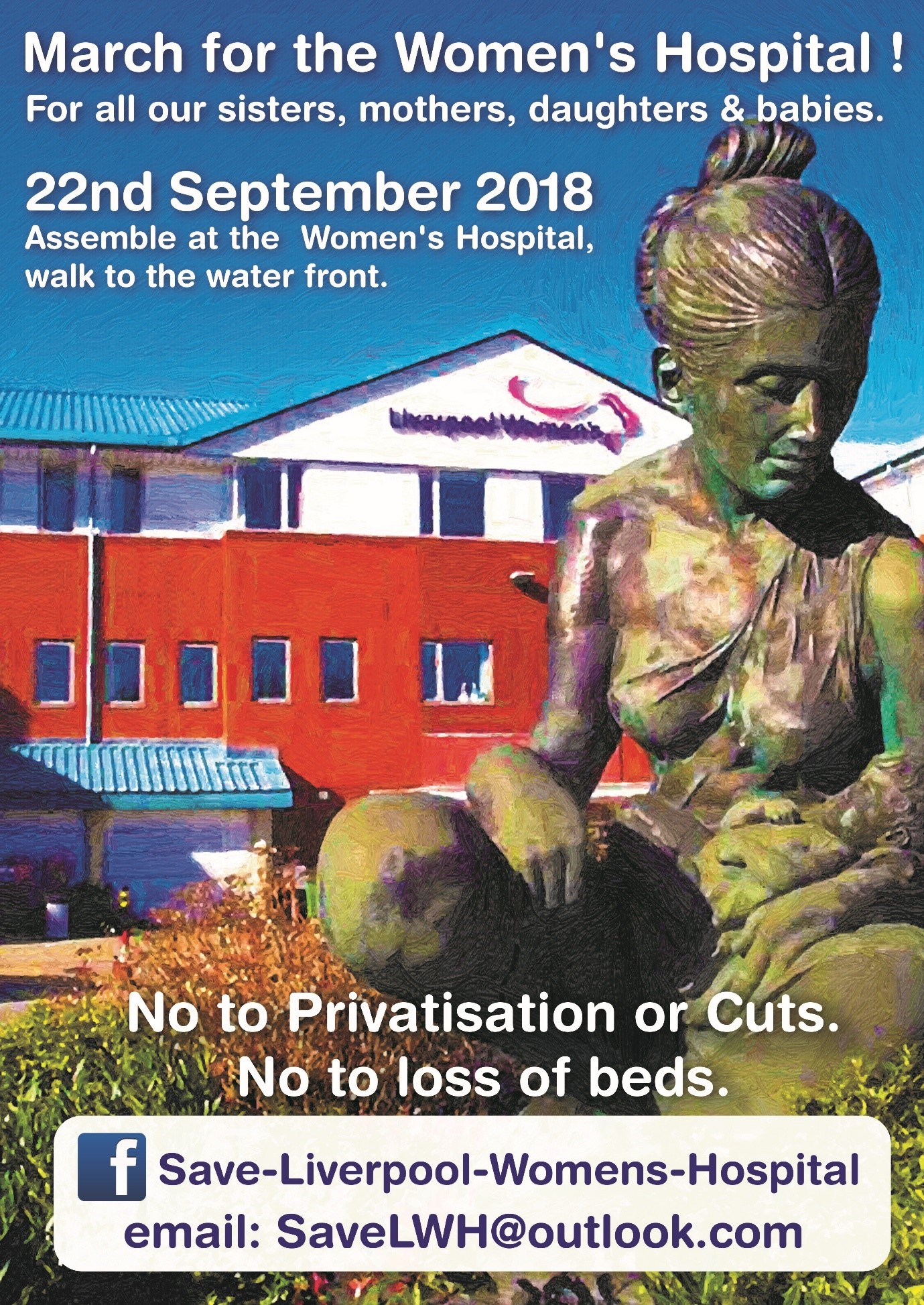
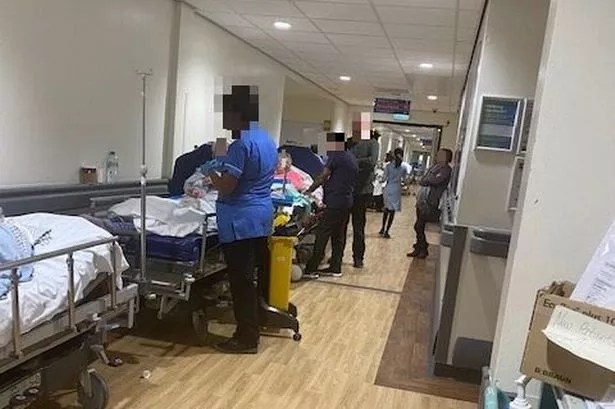
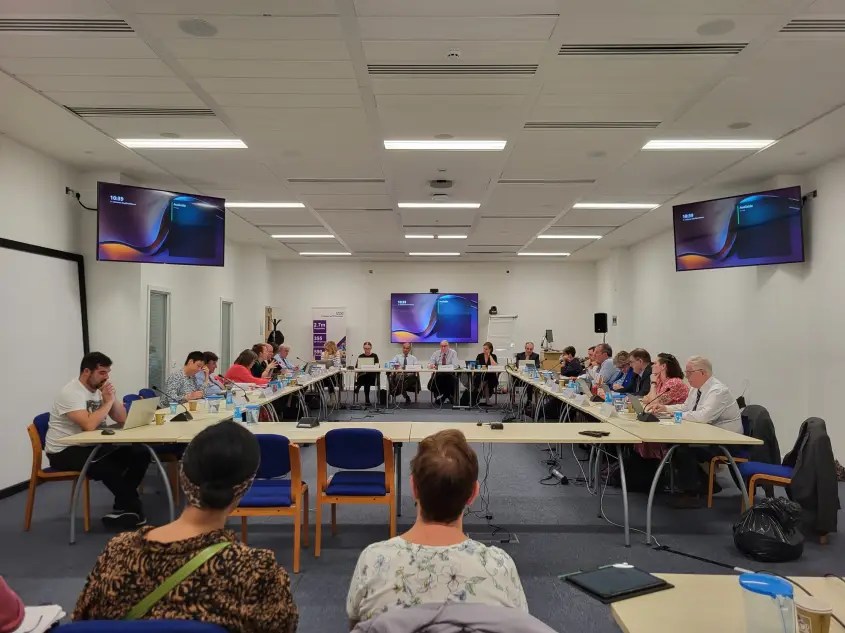



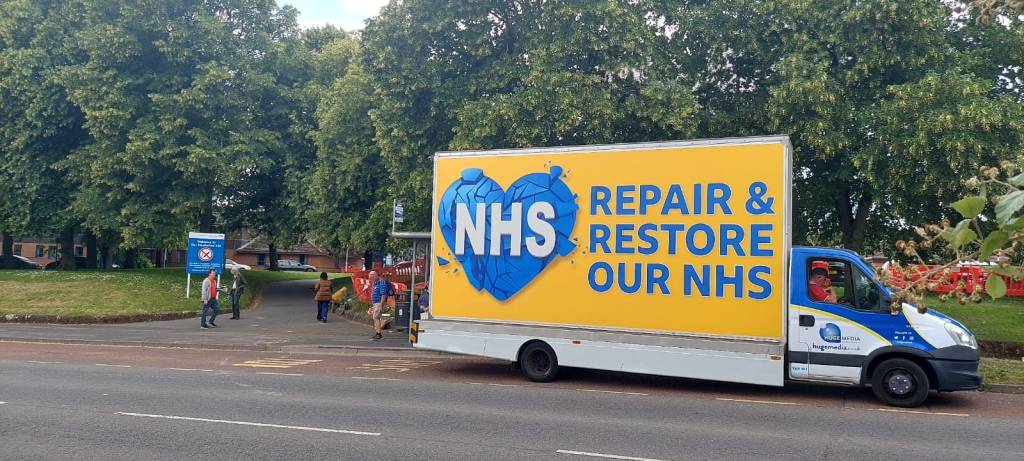
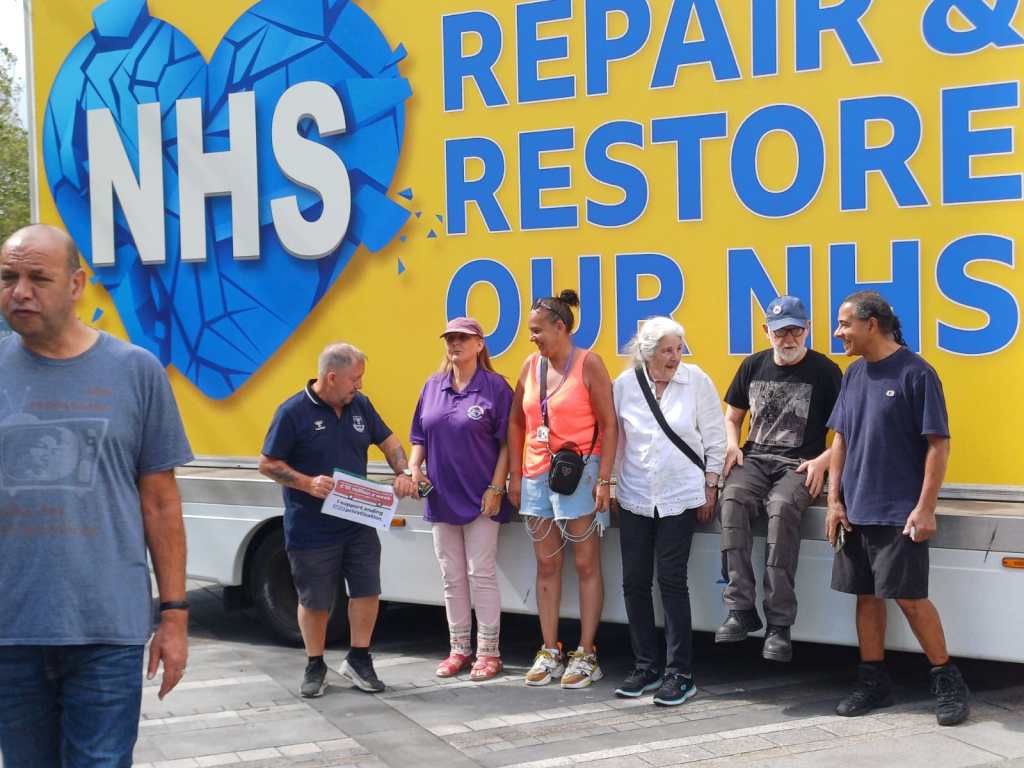
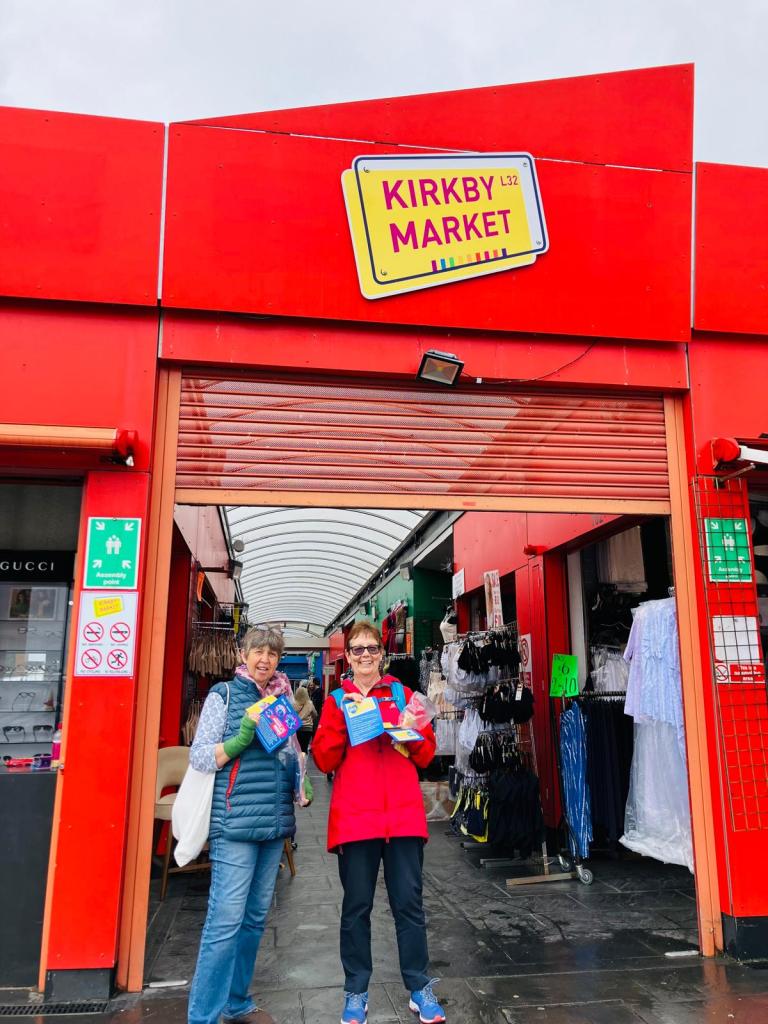




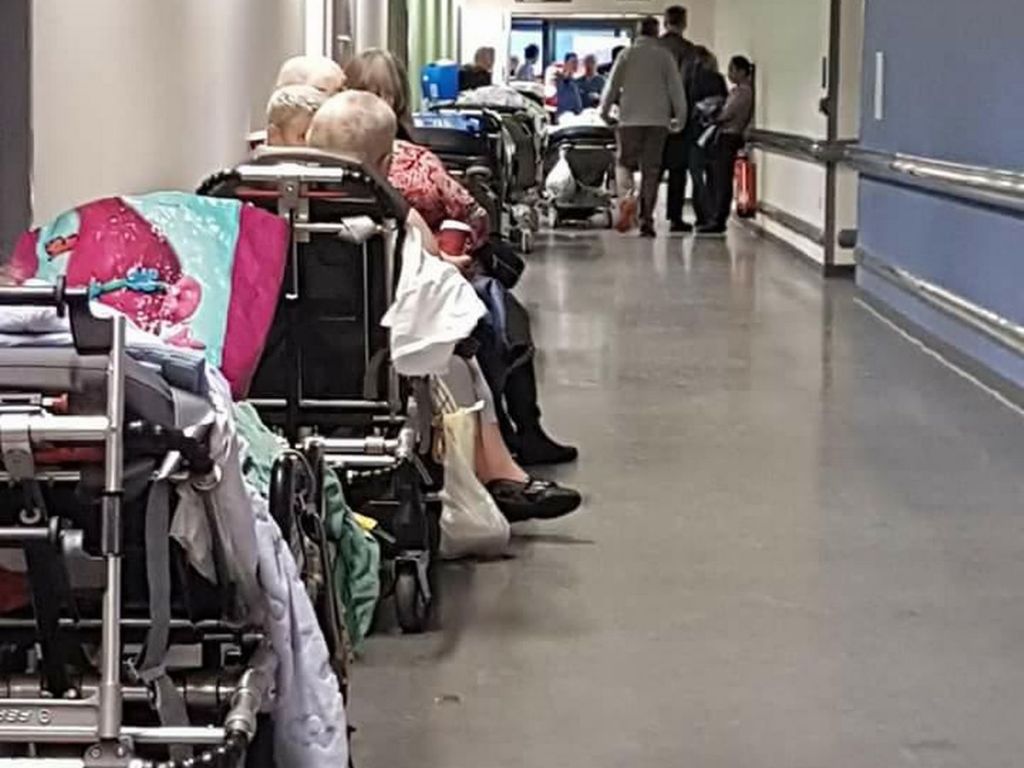



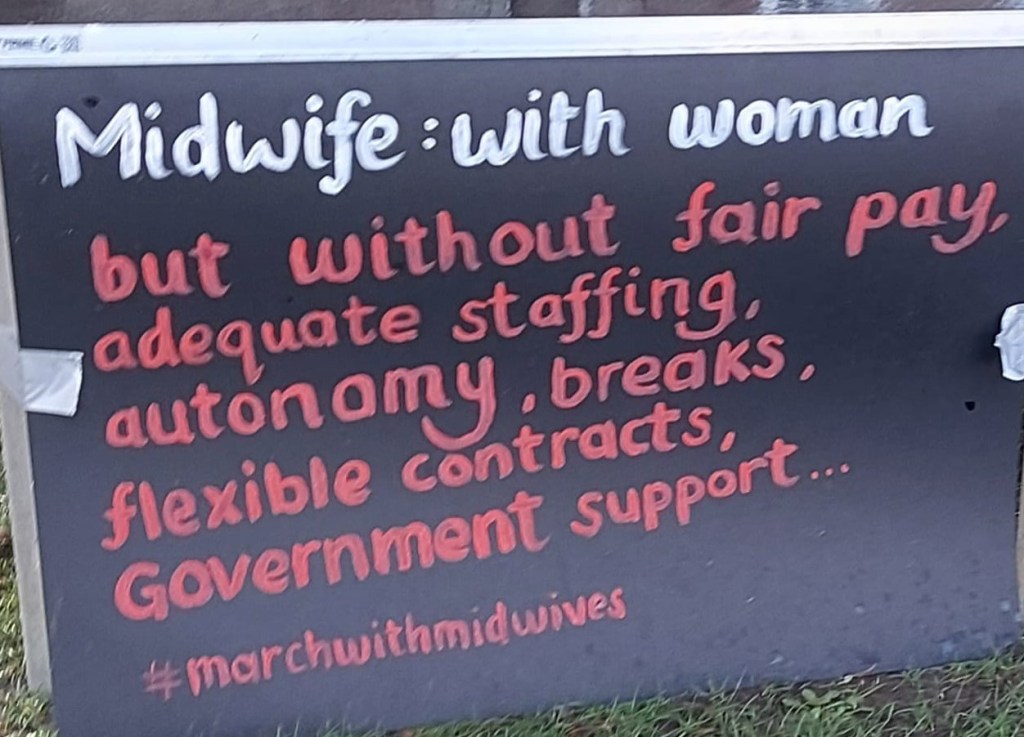




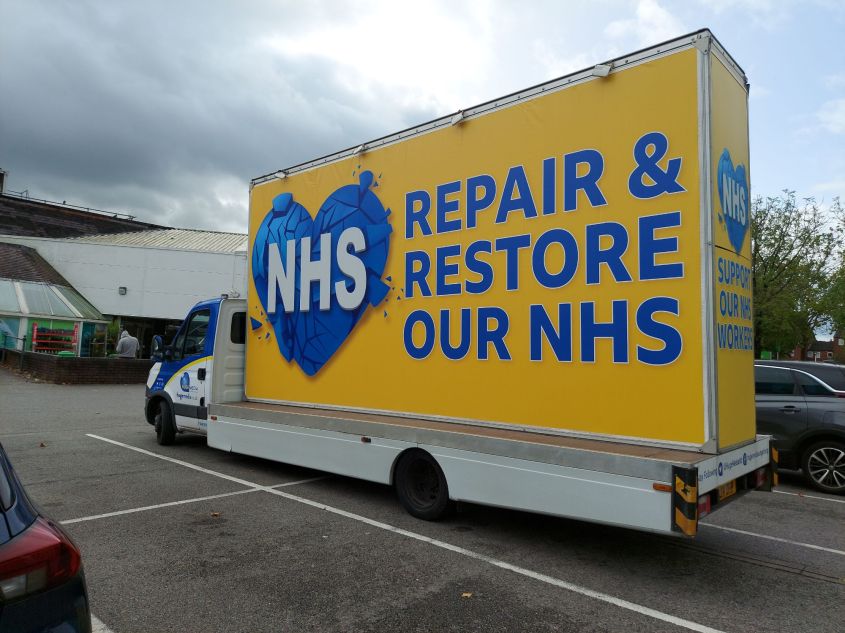




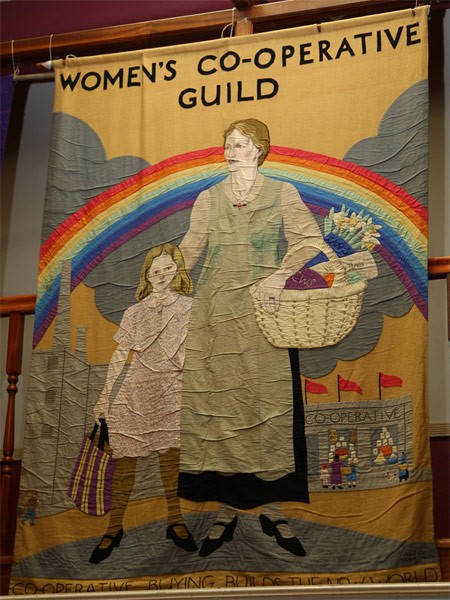


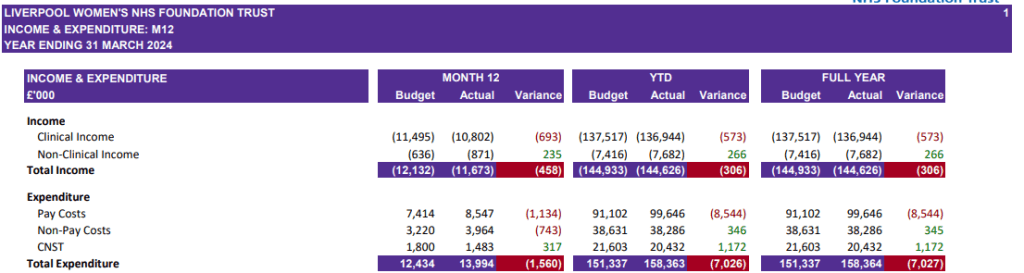
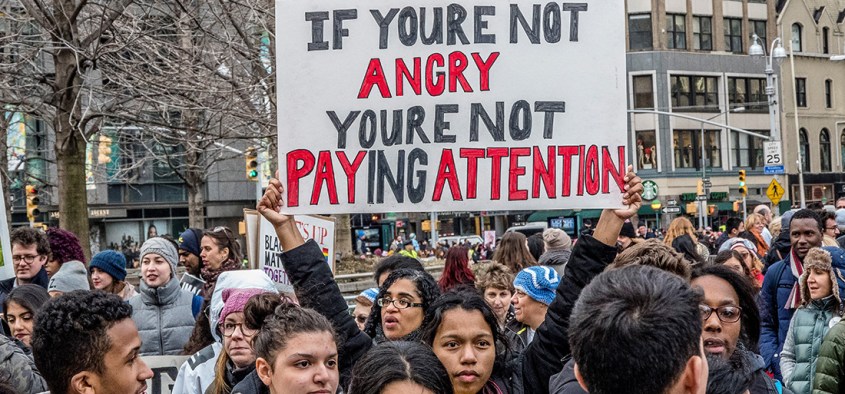

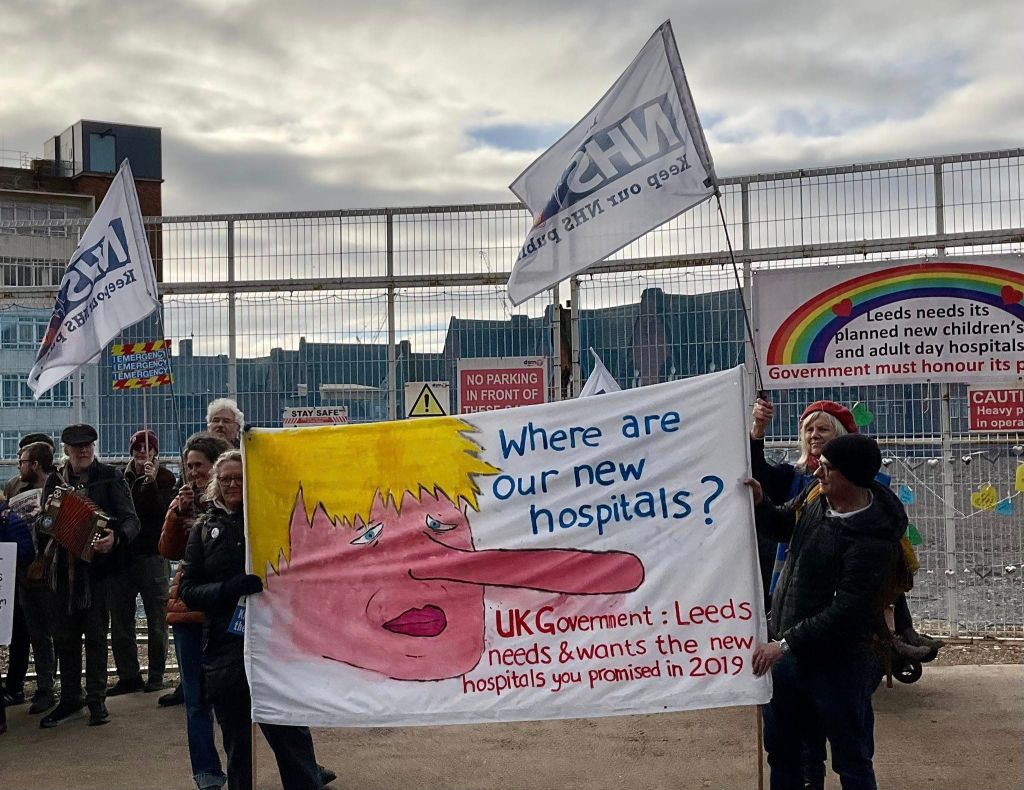


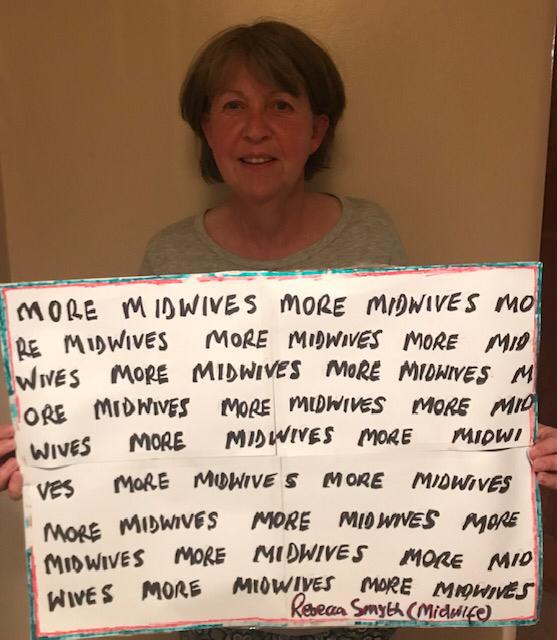

 Save Liverpool Women's Hospital