
Category: Uncategorized

Liverpool Women’s Hospital Update

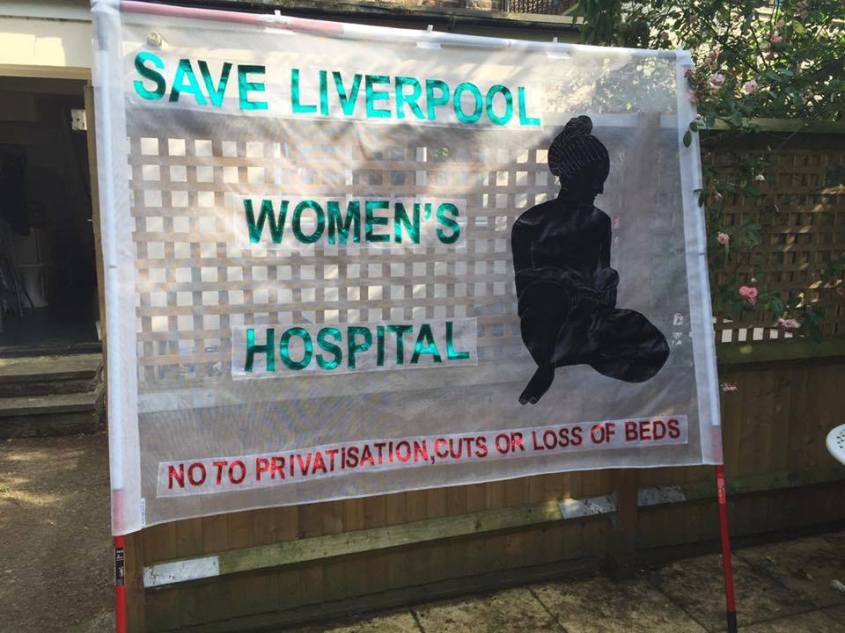
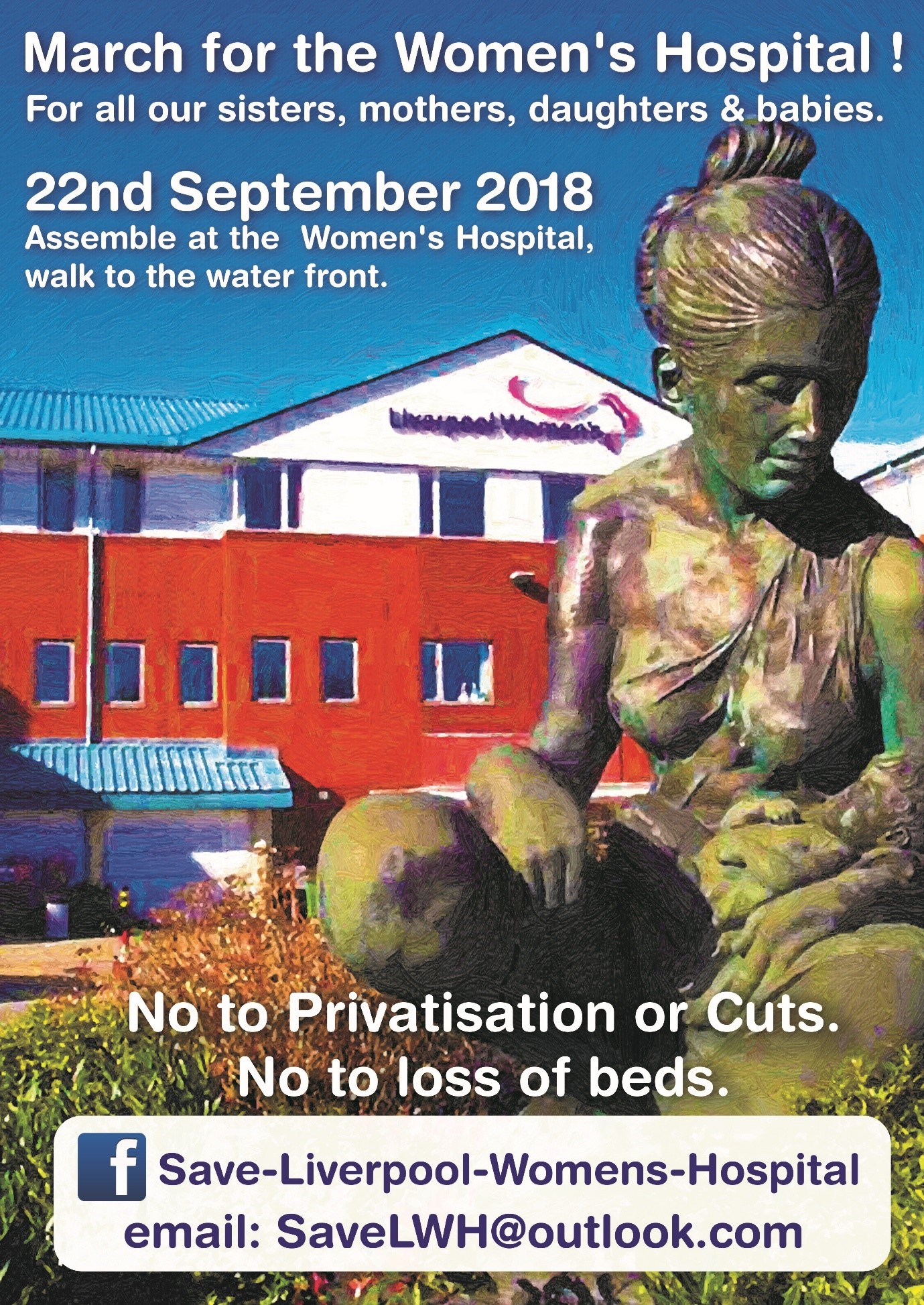
The Mother Statue at Liverpool Women’s Hospital

What’s happening now, in December 2025, with the plans for Liverpool Women’s Hospital? What is happening at Liverpool Women’s Hospital is part of a great set of problems in the NHS. Battered and damaged as the NHS is, it is still very necessary and much worth saving, for all our mothers, daughters, sisters, friends and lovers and every baby. “As we go marching, marching, we battle too for men, for they are women’s children, and we mother them again

We stand with NHS workers and thank them for keeping the service going despite the appalling policies from this and recent governments.

Investing in healthcare gives great returns to any country in terms of health and wealth. We ask every reader to help us fight to repair, restore, and rebuild the NHS and Liverpool Women’s Hospital.

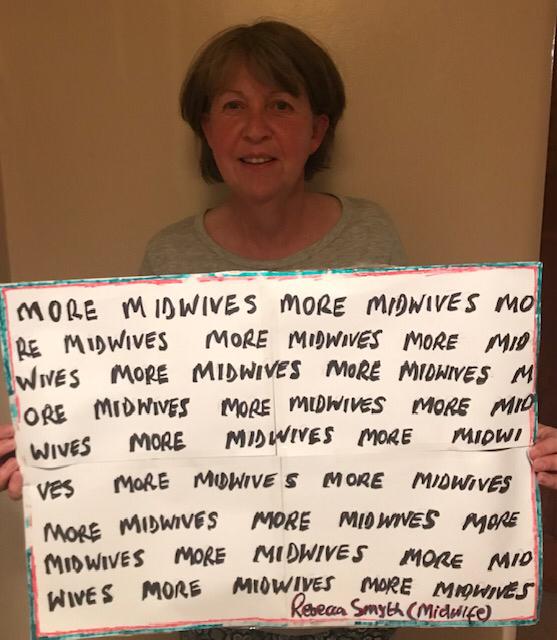
Grow our petition! It’s got 84,000+ signatures online and on paper. More will help – it gives the campaign a louder voice with the decision makers. No more Maternity cuts! We need more midwives! Fund Maternity and Gynaecology well across the nation.

For all our mothers, daughters, sisters, friends and lovers and every baby!

We campaign in Cheshire and Merseyside, and many other campaigns are working in different areas. The voices for the NHS and Maternity are growing louder and louder. Please amplify these voices.

Latest news

The ICB (Integrated Care Board ) is the governing body of the NHS in each area. Ours is the Cheshire and Merseyside ICB.

Waiting outside the ICB meeting

At the ICB meeting on November 27th, 2025, which campaigners attended (as members of the public), we were told that the item was not to be discussed, neither publicly nor privately. We had sent written questions. They replied:

Unfortunately, due to a number of other urgent items which require immediate discussion, the Women’s Hospital Services in Liverpool item will now not be
included on the agenda for this month’s private Board meeting, and will instead be rescheduled.

When it takes place, the private Board discussion will be focussed on how we move forward with the programme, taking into account the extensive options
work that took place over the summer, and will not involve making final decisions about how services might look in the future
.”

We had asked in a written question whether the ICB would be discussing the costs for relocation versus staying at Crown Street, as seen in the hospital papers. The additional cost of keeping the dedicated services on Crown Street was described as approximately £6million extra per year. The cost of a rebuild was defined as“up to £336 m- £ 549m“. We pointed out that it would take up to 91 years for rebuilding to be cheaper than providing safe care at Crown Street.

This campaign would like to know what was involved in “the extensive options work that took place over the summer.” We would like to know who was involved in these options and where they were reported, because we cannot find them reported in either the ICB or the hospital board meetings. Why the need for secrecy? Why not involve concerned members of the public? We wrote and asked to be involved in these discussions and were refused. The NHS is not a private corporation; much as some rich companies would like to acquire it, it is still a public body founded by the people, paid for by the people and staffed by the people.

The ICB also said they would still discuss it in private when the item returned to the agenda. We were told there would be some news in the new year. We have also been promised meetings with the ICB chair and the Hospital Group CEO, so we might find out more.

The future of Liverpool Women’s Hospital remains uncertain. What is certain is that Maternity, nationally and locally, must be better funded. It is summed up in a simple fact that we need more midwives.

There is a reluctance in the NHS to say that underfunding and understaffing, too few midwives, and too few hospital beds are core problems. Well, we will say it for them.

Since the 2016 discussion about the future of Liverpool Women’s Hospital, there have been suggestions that it would be rebuilt near the new Royal. Many people still believe this. We neither believe that it will be rebuilt nor support rebuilding it. The Crown Street site is a good building. The staff are a good team with a global reputation. The women and babies of Liverpool need and love that hospital.

Many other Maternity services nationally operate in appalling buildings. The Health Service Journal reported that” Many Maternity and newborn units are at ‘serious risk of imminent breakdown’, regularly hit by leaks and floods, and too cramped to provide the necessary care, an official NHS England report admits. There was a detailed report published by the NHS about this last year. The poor buildings should be rebuilt, not Liverpool Women’s Hospital. Many other hospitals urgently need a rebuild, but the plans for that are delayed.

Improvements at Liverpool Women’s Hospital

There were reports last year that a deteriorating patient’s team was being developed at Liverpool Women’s Hospital, and we hope that this is now in place. This is much needed. Other improvements are in place, including bringing the “soft facilities management services” (cleaners, porters, etc.) back in-house. The Case for Change states that “As part of elective recovery funding, £5m has been provided to establish the Liverpool Women’s Hospital site as a centre for gynaecology procedures. This includes four state-of-the-art procedure rooms developed to free up capacity in theatres and create additional clinic space for more minor operations, and will enable up to 4,200 additional gynaecology procedures every year. In addition, Crown Street now hosts a community diagnostics centre with CT (computed tomography) and MRI (magnetic resonance imaging) from 8am to 8pm, and urgent access to CT 24/7, which has delivered improved access to scans and reduced transfers for these diagnostic tests.

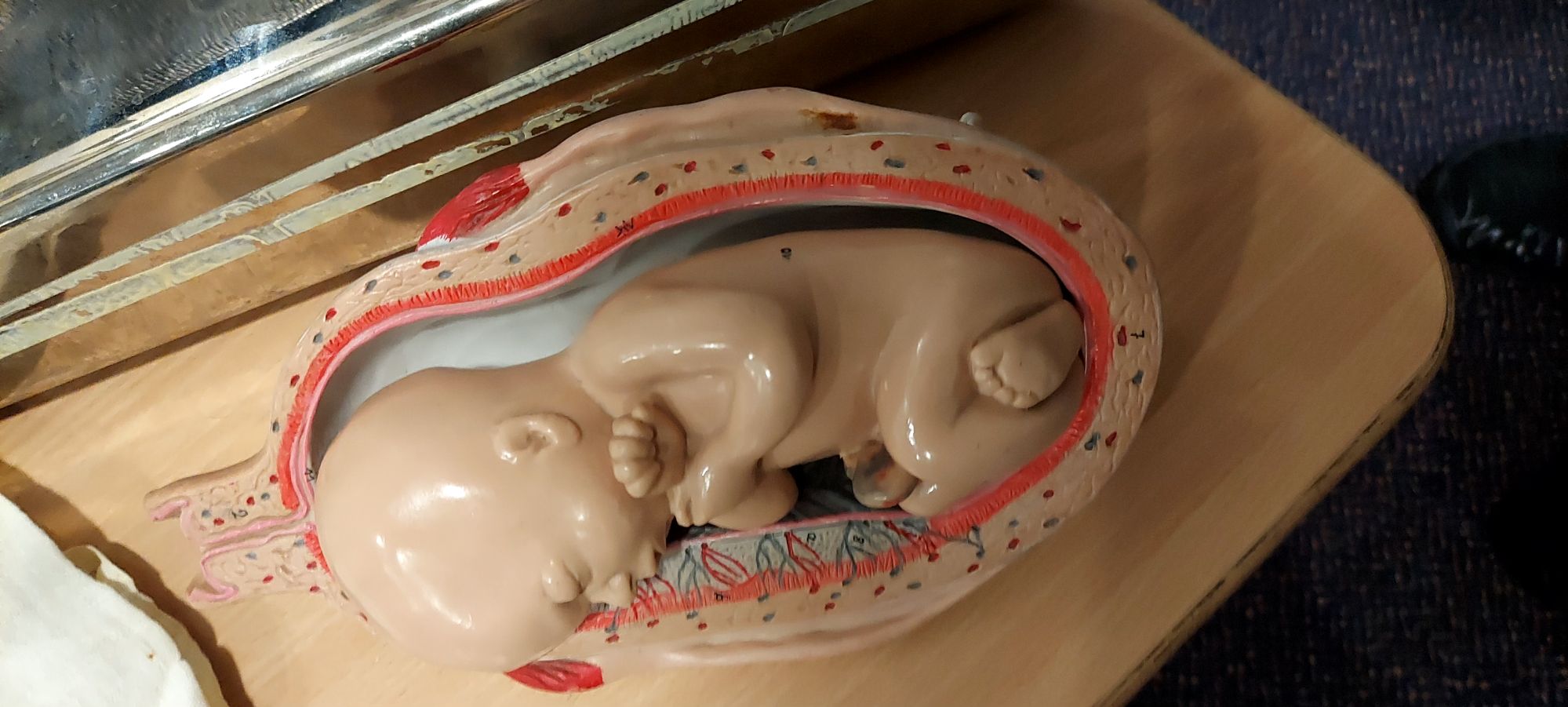
From an exhibition at the celebration of 30years at Crown Street, (Our Photograph)

The CQC report in August 2025 stated that Liverpool Women’s Hospital has improved.

Karen Knapton, CQC deputy director of operations in the north west, said:  “We were pleased to see that leaders and staff working in Maternity services at Liverpool Women’s Hospital had acted on our feedback from the previous inspection and worked hard to make improvements. Women and people using this service now had a much safer and improved experience of their care and treatment. Behind this was an improvement in how well-led the service was, which in turn supported staff to provide better care.

For example, it was positive to hear that leaders had improved staffing levels. Women using the service told us there were enough staff to meet their needs, and they were treated with compassion and kindness. It was great to see this reflected in a recent people experience survey, which found 94% of women felt they were treated with respect and dignity.

Overall, the Maternity team at Liverpool Women’s Hospital should be proud of the improvements our inspection found. They should use them as a foundation to keep building on.”

We applaud these improvements. Nowhere does the CQC mention relocation, nor have earlier, less complimentary CQC reports mentioned this.

Underfunding and understaffing have caused severe damage to mothers, babies and staff. More has been paid in damages from the service than has been spent on the whole national Maternity service.

Scandalously, “the potential cost of Maternity negligence claims in England since 2019 has reached £27.4 billion, which significantly exceeds the estimated £18 billion budget allocated to Maternity care over the same period“. We say improve the services and reduce the damage! When will the government focus on the needs of mothers and babies?? The voices of women and their families must be even louder on these issues.

Co-location has not been a success for maternity. It is not the only problem, far from it. Cuts and underfunding have been a disaster.

The “Case for Change” also says, “All other specialist centres for gynaecology and Maternity services in England have co-located acute and emergency hospital services.” We say that this co-location of Maternity in general hospitals has not proved to be a cure-all for Maternity crises, far from it. Maternity, despite being based in acute and general hospitals, is in crisis.

Although a standalone site, Liverpool is not one of the 14 Maternity providers involved in the so-called “rapid” national investigation of Maternity and newborn baby care across England. The Labour Government promised a rapid enquiry, but this enquiry is now not reporting before Christmas and might report sometime in the new year, and will not hear from bereaved parents.

Fourteen general hospitals ARE included in the national Maternity crisis, and others have been the site of some of the Maternity scandals. The Shropshire Okendon enquiry indicated that the management did not give Maternity due attention, nor did the Morecombe Bay hospital management give Maternity due attention, even after the big report.

It’s not just Maternity that is suffering in the NHS.

The women’s hospital reflects the many problems besetting our healthcare system. Books have been, and will be, written about this. We are trying to change the situation. These are the core issues.

  1. For many years now, the NHS has been underfunded and understaffed compared to other countries, and this has been a clear government policy.
  2. The organisation of the NHS has been damaged by pro-market legislation, especially the 2012 and 2022 Acts, which set hospitals up to compete against each other and allow for-profit interests to have a much greater say. Lord Darzi, in his report for the incoming Labour Government, described the 2012 Act as acalamity without international precedent” that “proved disastrous”. For Liverpool Women’s Hospital, it meant that cooperation between hospitals proved very difficult, and the high cost of the foundation trust system was too much to bear. Not keeping to an impossible budget made them constantly under pressure.
  3. Maternity and gynaecology, across the country, suffered badly, with one in six Maternity units closing, and standards deteriorating. A major Maternity crisis developed with standards and staffing suffering, resulting in damage to mothers and babies.

You get one chance to deliver a baby safely. There are no reruns or repeats. The accoucher must get it right every time. To do so, the midwife must be supported by her colleagues, midwifery management and work within a fully safe environment. Alas, with the fragmentation of our NHS, top-down draconian management, our mothers, their babies and our midwives are given short shift, and they become the victims of often tragic circumstances. There is a woeful shortage of skilled midwives. Anyone can deliver a baby, but it takes a skilled midwife to do so day in day out safely and with professional accountability,” from our campaigner Stephanie (below)

Campaigner Stephanie, one of the generation of midwives who say they worked in the golden age of the NHS. We fight for another golden age. Join us

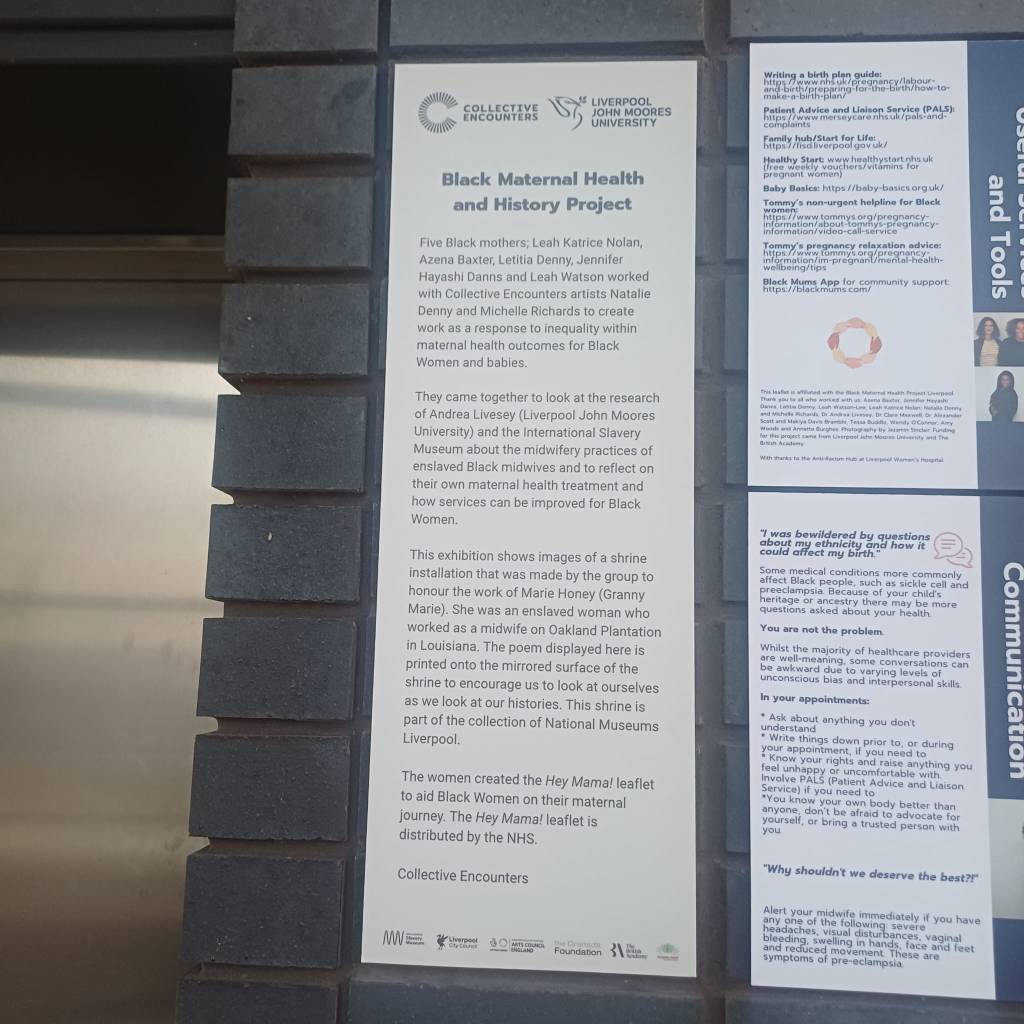
Improve Black Maternal Health, drive racism out of maternity care. November 2025

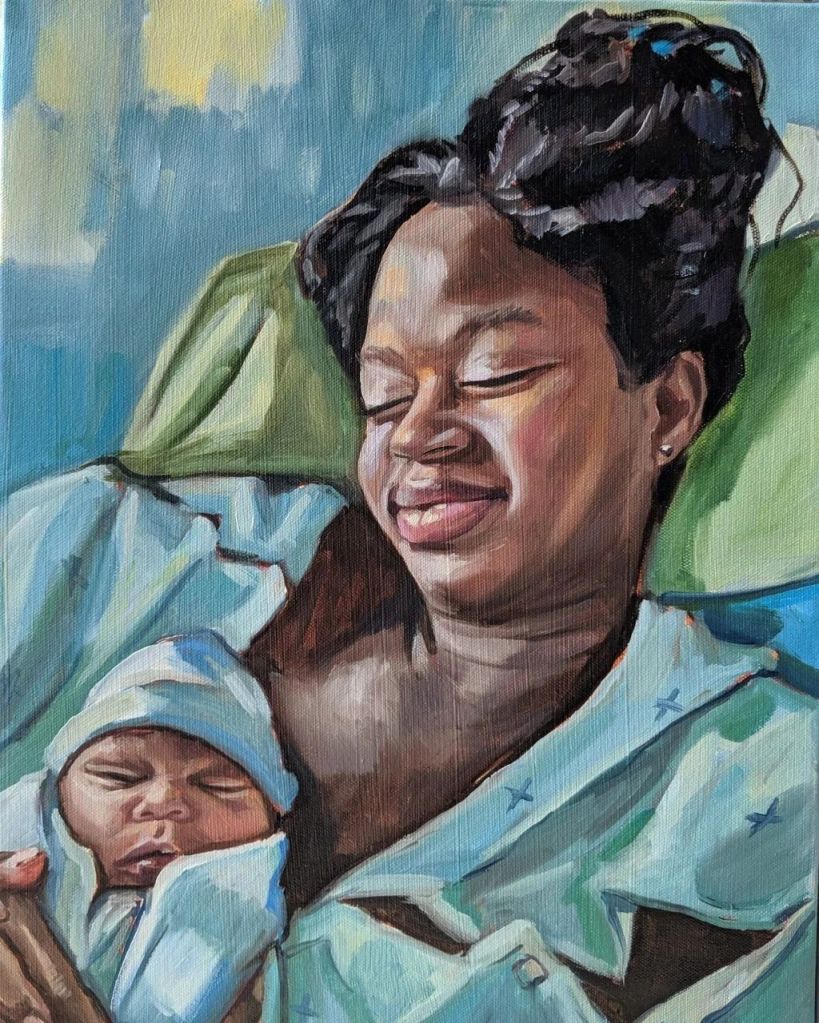
Picture https://amandagreavette.com/

Black Maternal Health and Anti-racism Action in the NHS: Issues for Liverpool and beyond.

We honour the women in Liverpool who have suffered or died because their treatment was affected by conscious or unconscious racism. The best way to honour these sisters is to campaign ever more strongly against both inadequate Maternity care, nationally and locally, and against the insidious rise in racism in this country. Anti-racism education in the NHS can save lives.

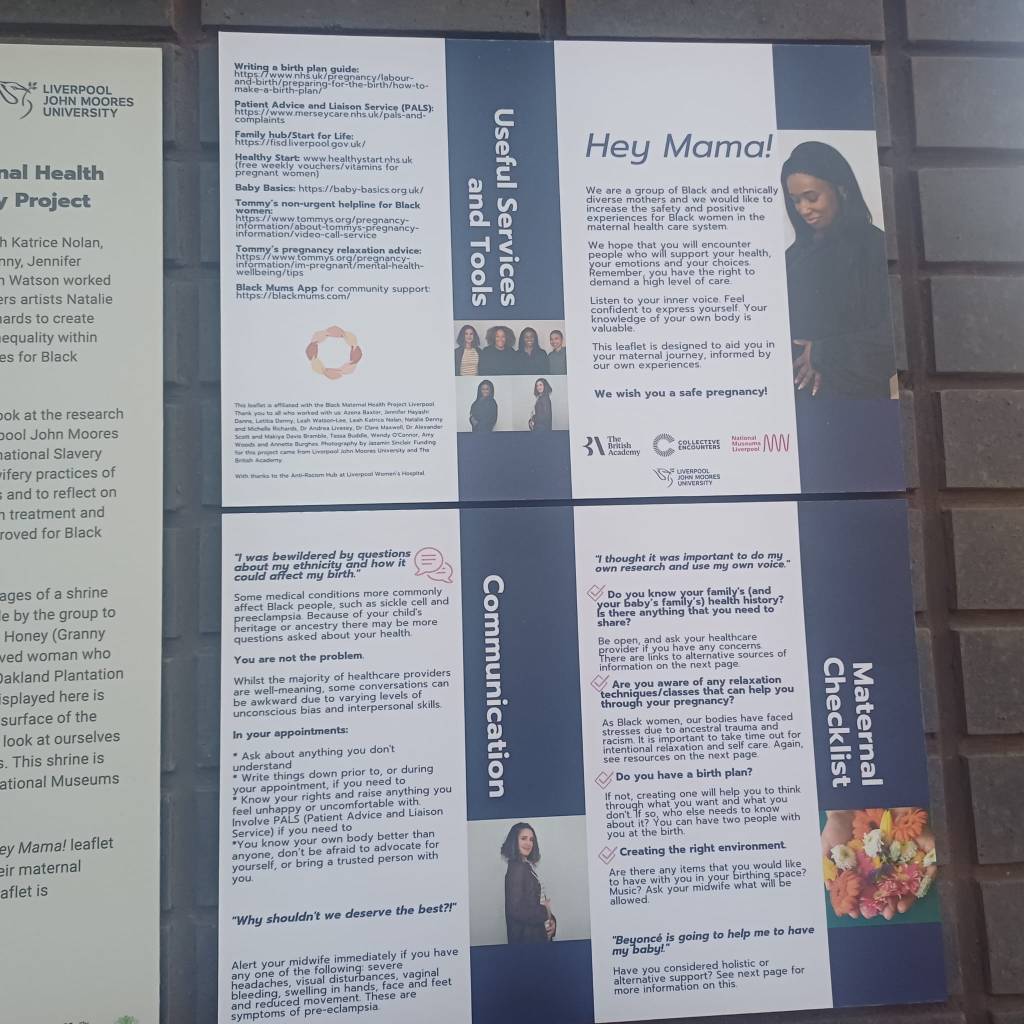
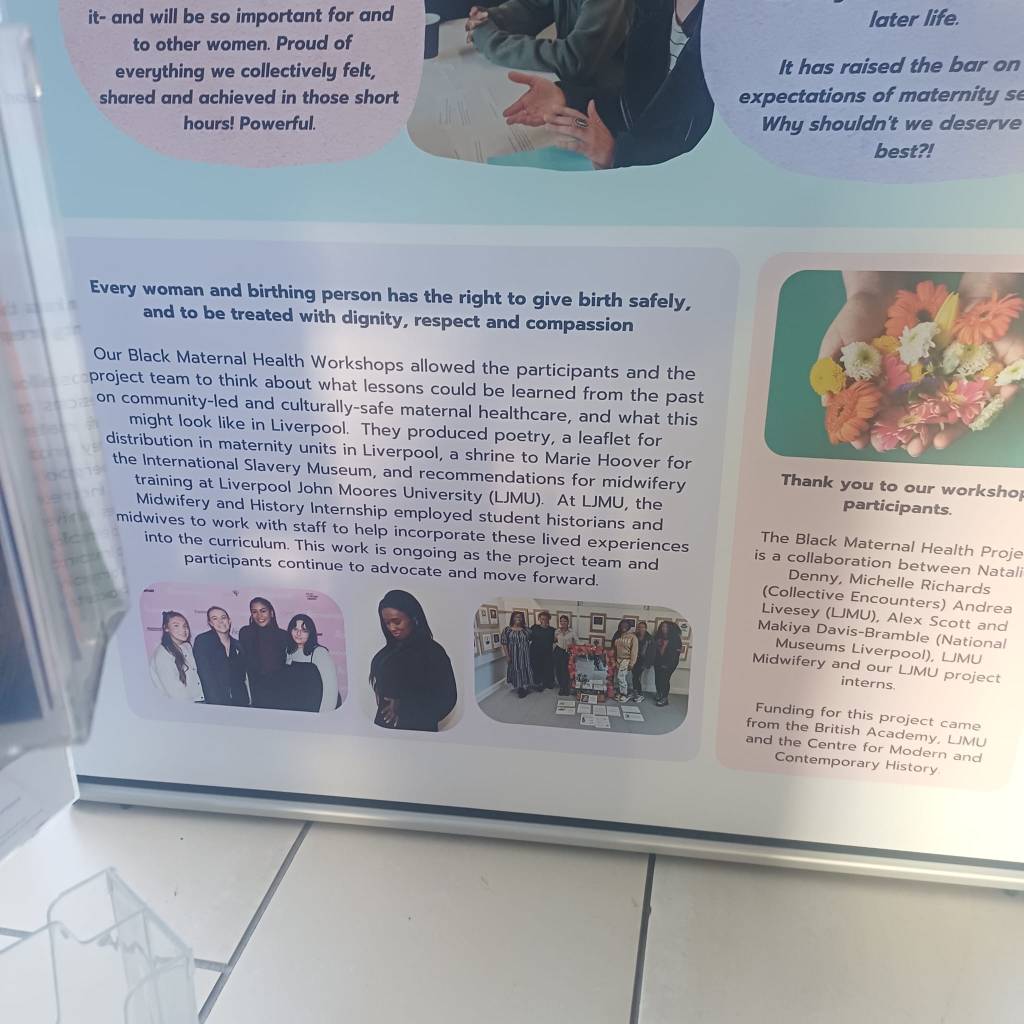
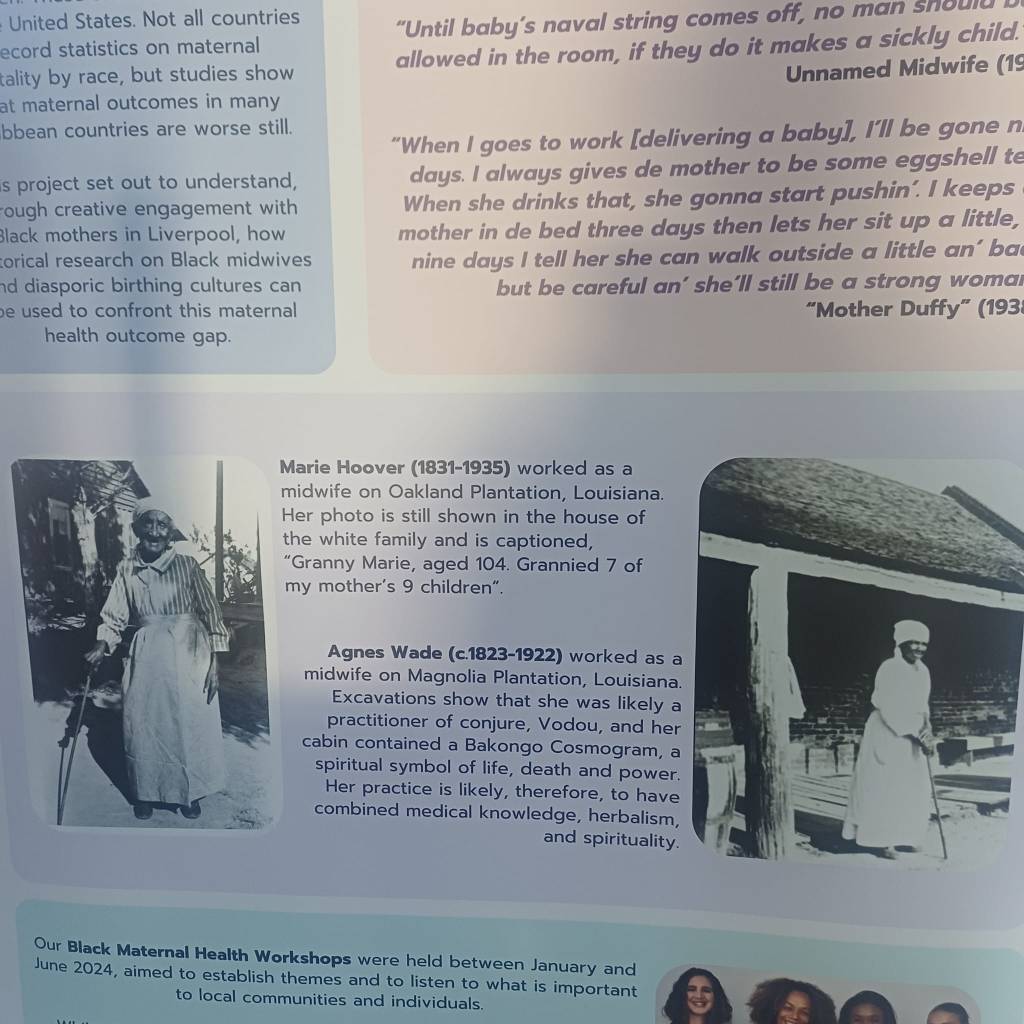
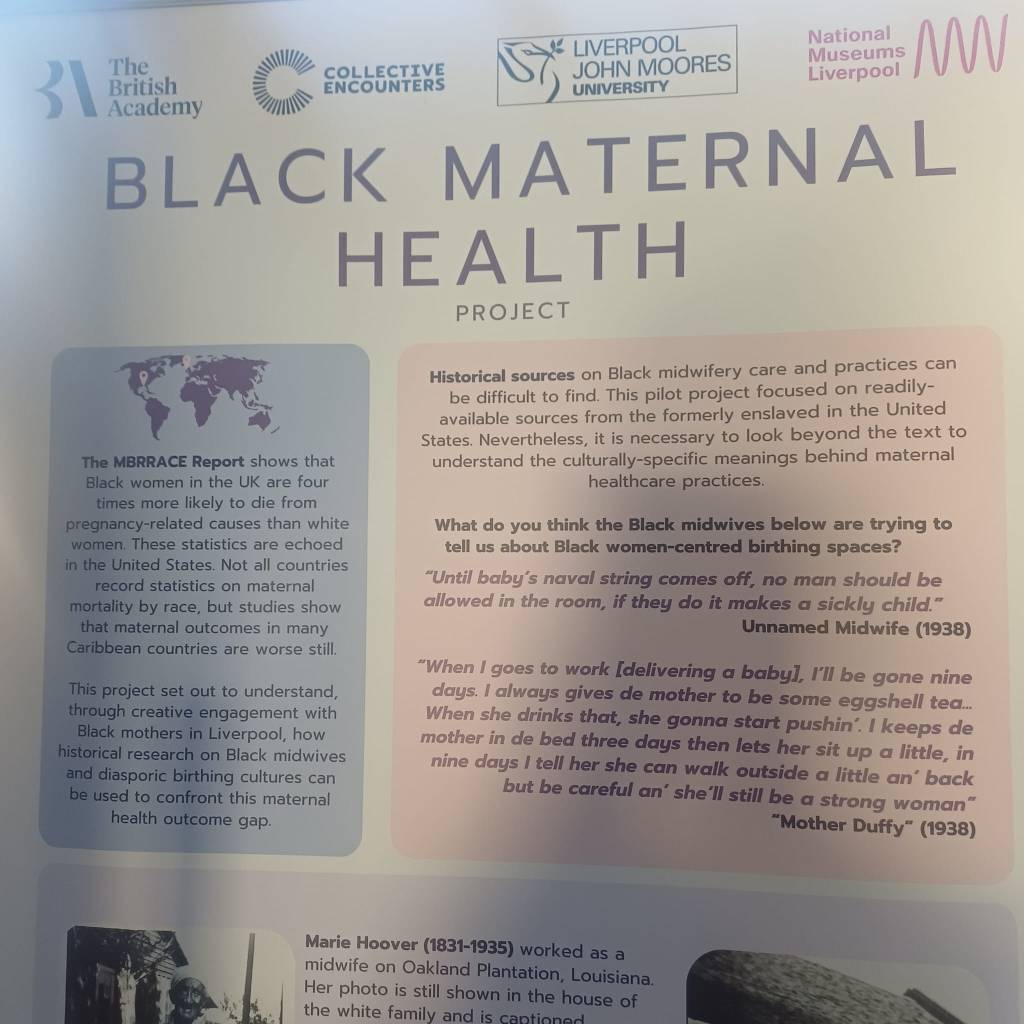
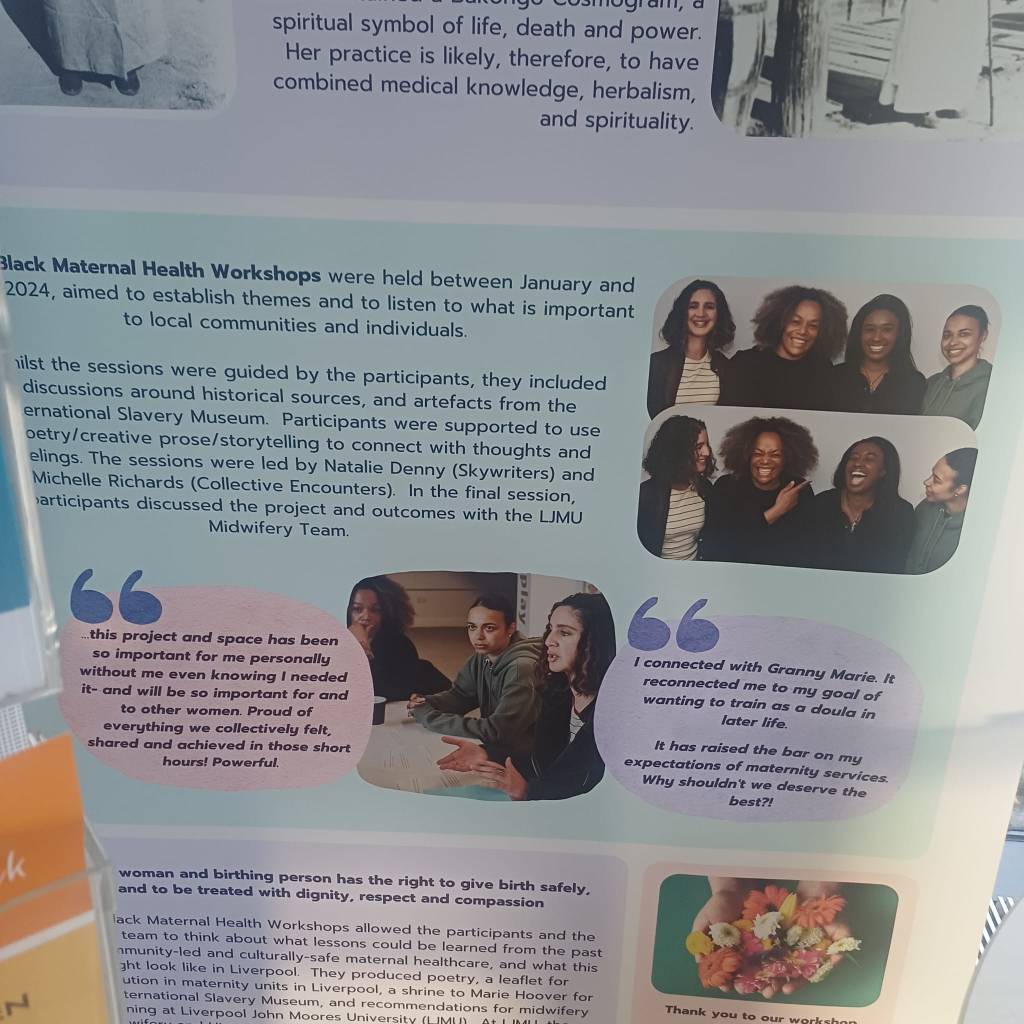
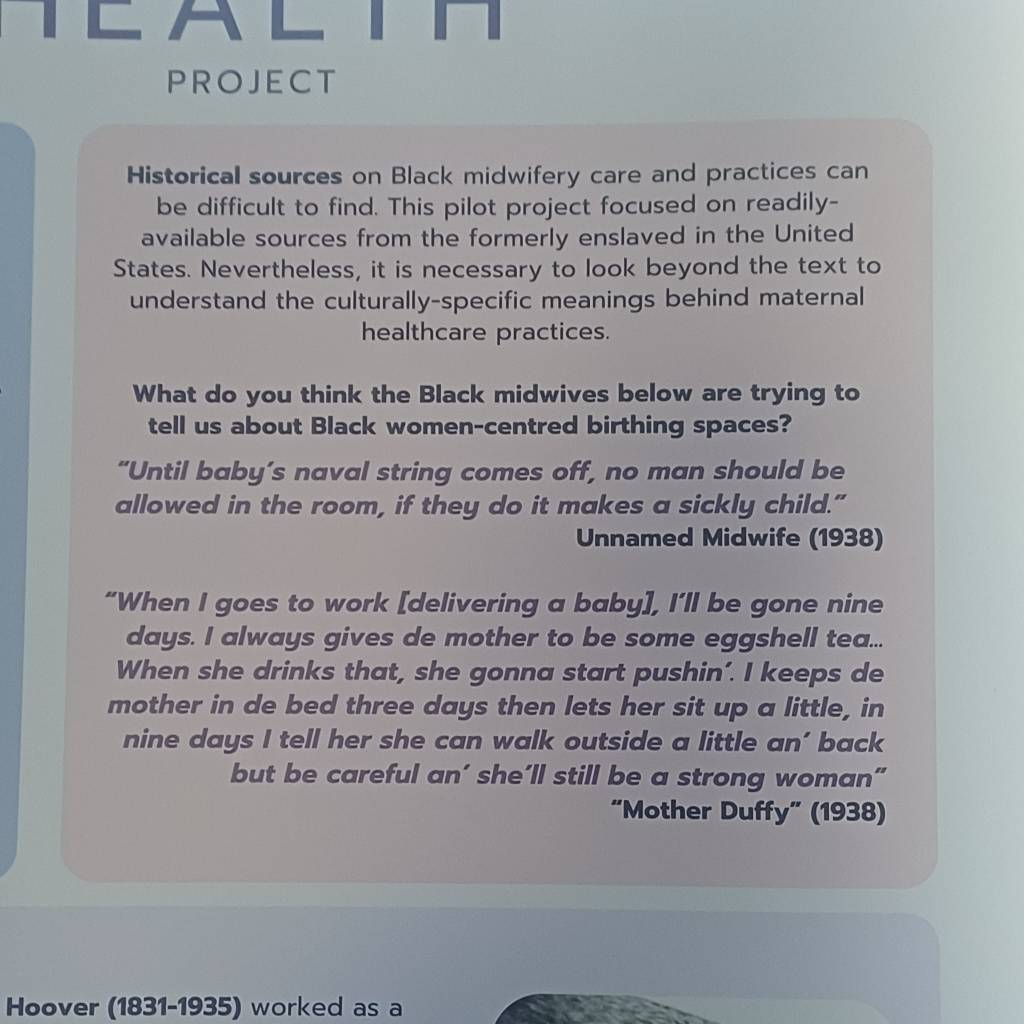
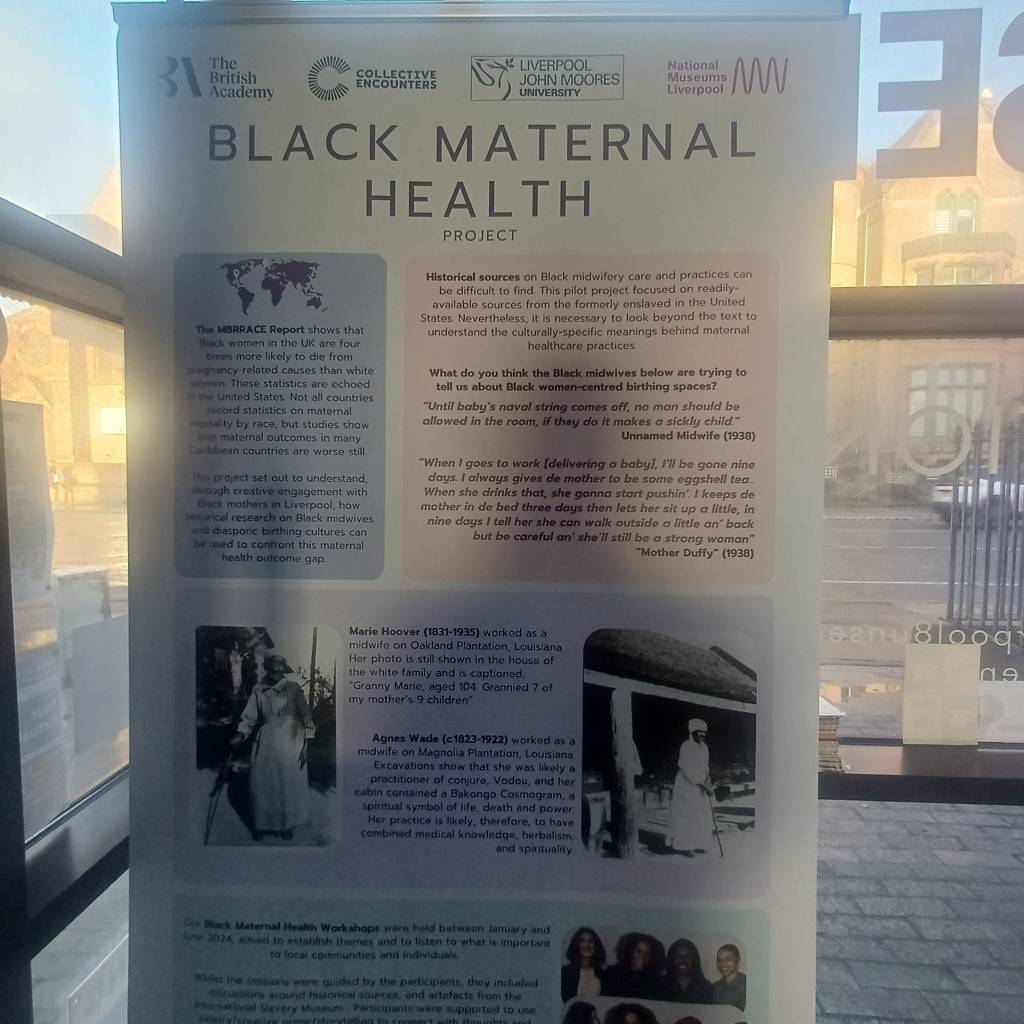
There has been excellent work done in the community about Black Maternal Health, not least the recent exhibition at Kuumba Imani Millennium Centre. Thanks to Creative Encounters for the work shown here. Photos by Teresa Williamson. There is more on this at the end of this post.

This week, a memorial, “a quiet reflective remembrance space to recognise the lives of women lost in care at the hospital”, is being opened in Liverpool Women’s Hospital. We are therefore devoting a post to this issue.

Our campaign to Save Liverpool Women’s Hospital received this message from the Hospital.

” When we last met, we discussed the development of a quiet reflective remembrance space to recognise the lives of women lost in care at the Hospital. We are delighted that this has now been completed, and we are planning to open the garden on Thursday, 6 November at 1.30 pm. There is a wider event planned with some reflective presentation from 12.30, with refreshments also in the Blair Bell, it would be lovely to see you and your other colleagues at the event.

Outcomes in Maternity have worsened nationally, and there has been no improvement for Black and Asian women, as all services have suffered.

Black women in England face disproportionately poor outcomes in Maternity care, shaped by systemic failings in leadership, training, data collection and accountability, according to a new report from the Health and Social Care Committee, Black Maternal Health. The inquiry heard repeatedly that racism is ‘one of the core drivers’ of poor maternal outcomes for Black women, as MPs heard from clinical experts and women about cases where racist assumptions had directly harmed Black women’s care. Black women are 2.3 times more likely to die in pregnancy, childbirth, or the postnatal period than White women, according to recent figures. 

The report (from Parliament) “acknowledges that failings in care for Black women are taking place in the context of a Maternity system that is failing women more broadly, with the NHS in England having paid £27.4 billion in Maternity negligence since 2019, estimated at a figure greater than the total Maternity budget for the same period. 

The most hard-up women also suffer significantly; the women using Liverpool Women’s Hospital come from some of the most deprived areas in the UK.”Women from deprived areas of the UK are more likely than those in less deprived areas to die during or shortly after pregnancy, and this disparity has increased in recent years.

This country has disrespected birth and women’s health to such an extent that we have lost twenty years of progress. Women have had enough. Join the fightback.

Charging migrant women for Maternity care at 150% of the NHS costs is cruel, harmful, and does not recoup the costs of the system.

Asylum-seeking women can be moved around the country on the whim of the Home Office, disrupting antenatal care and costing the lives of babies and mothers.

MBBRACE-UK 2019 report “that women born outside the UK represent nearly a quarter of maternal deaths. Refugee and asylum-seeking women, despite contributing 0.29% of the population, make up 6% of this group.”

Women as a whole have seen worsening conditions.

Professor Marian Knight, Director of the National Perinatal Epidemiology Unit and MBRRACE-UK maternal reporting lead, said: data show that the UK maternal death rate has returned to levels that we have not seen for the past 20 years.”

Maternal deaths are not common, but still too high. Over the last century, the death rate has fallen dramatically, especially since the NHS was introduced. It is because of years of campaigning by staff and the public that maternal deaths have been reduced, but we need to do much better. The UK still has four times the maternal death rate of Norway and Denmark.

“Overall, 284 women died in 2021-23 during pregnancy or within 42 days of the end of pregnancy in the UK. The deaths of 27 women were classified as coincidental. Thus in this triennium 257 women died from direct and indirect causes, classified using ICD-MM (World Health Organisation 2012), among 2,004,184 maternities, a maternal death rate of 12.82 per 100,000 maternities (95% CI 11.30-14.49).”

In 2021, we campaigned about how babies born to Black mothers were twice as likely to suffer a stillbirth. The situation for Black mothers came into awful focus in 2024 with a terrible death at Liverpool Women’s Hospital. We wrote;

“We join with others in demanding action to make it safer for all mothers to give birth and demand action to reduce the particular risk to Black, Asian, and poor women of all races. In the UK, the rates of baby death and stillbirth among Black and Asian mothers are double those for white women. We have written about the higher number of deaths among Black babies.”

In one of these maternal deaths, investigators from the national body, Maternity and Newborn Safety Investigations (MSNI), were called in after the woman died. They reported that “The investigation into her death found hospital staff had not taken some observations because the patient was ‘being difficult'( our emphasis), according to comments in her medical notes.”…ethnicity and health inequalities impacted the care provided to the patient, suggesting that an unconscious cultural bias delayed the timing of diagnosis and response to her clinical deterioration.

Another black woman died shortly after, and we have not seen the final report, which will have been covered in the MBRRACE report this year. Such reports are confidential and focus on system issues, not on individual hospital issues

Each death is reviewed by assessors in four main areas: pathology, obstetrics, midwifery and anaesthetics. Where appropriate, care is also examined by speciality assessors such as psychiatrists, general practitioners and emergency medicine specialists. All reviews have a primary assessor from each speciality and, if specific issues are identified, a second assessor may also review the woman’s care.

Hospitals report each death to the Maternity and Newborn Safety Investigations programme, which reports to the families and hospitals.

Between January 2014 and November 2023, 17 maternal deaths were recorded for patients who received care at Liverpool Women’s Hospital. We do not know the ethnic breakdown. There will have been about 70,000 births in that time, with a mortality rate of about 0.02 per cent. So deaths are quite rare.

Our campaigners were able to comment at the board meeting when the first death was announced, because the public could, at that time, attend the full board meetings of Liverpool Women’s Hospital. We knew in advance because we had read the board papers. We could then make this situation well-known. Public attendance is no longer allowed. Many times, in the early years, our campaigner, Teresa Williamson, was the only Black person in the room at these meetings, and she was not always treated with respect.

In a recent webinar about migrant women giving birth, Liverpool was highly praised for the support midwives gave to one of the speakers, who gave her experience of giving birth in total poverty. This contrasted with other women’s experiences in different parts of the country. The specialist teams at Liverpool Women’s Hospital, supporting vulnerable women in the community, do great work.

The Hospital has run a comprehensive anti-racism in service training for all staff since these deaths, together with the Anthony Walker Foundation. There is a detailed newspaper report here.

Anti-racism action, though, is like housework. It must be done again, and again, and again- even more so because there has been a rise of public racism in the politics of both the UK and the USA. This is against the decades-long trend of racism receding. Crazy ideas that Black women suffer less pain than white women are still commonly believed. One study (in the USA) found that 50% of healthcare professionals believed this. This is why anti-racism must be included in professional education.

Together with Refugee Women Connect, we met with senior members of the board of Liverpool Women’s Hospital to express our concerns. We asked for a memorial in the gardens and a pamphlet that could be reproduced in each woman’s language with illustrations, each page being available to the midwife in English to aid communication and discussion when a full translator was not available.

The memorial garden is being opened for all women who have died, and we were told that an online version of the multi-language information is being developed.

Giving birth far from home is hard for every woman. Children suffer when their mum dies. Many of the women who die in childbirth, or in the year after giving birth, would not have died had the Maternity service been appropriately staffed.

The blame for the state of Maternity lies squarely with the politicians. They have made the decisions on funding and staffing. They brought in austerity. Midwives are overworked. Obstetricians are overworked, as are other linked professionals and the ancillary staff. They are too overworked to give the quality of healthcare women need. This harms midwives and mothers. Staff need time to think, reflect, and discuss. We will continue to demand fundamental improvements in funding, staffing, and NHS management.

Maternity staff carry huge responsibilities and deliver an excellent service when they can, but no one can be perfect when there are too few staff and poor organisation. Neither can they be expected to fight for improvements alone. The public must take a major part.

The management systems of the NHS (especially since 2012, and then 2022, with the appalling Health and Care Acts that treated the NHS as a business, not a public service) have made staff feel they cannot raise concerns or that those concerns will be ignored. This has been reflected in many of the Maternity enquiries, including the Kirkup enquiry into the Maternity tragedies in Morecombe Bay.

This country can and must afford a good Maternity service; we currently rank 17th out of 19 wealthy countries for the safety of our Maternity services. In the first twenty years of this century, everywhere but the UK and the USA improved their Maternity care. We need more midwives. We need more midwives.

Please keep fighting for all our mothers, sisters, daughters, friends, lovers, and every precious baby.

Winter is coming! – an entirely avoidable winter crisis in the NHS .

Winter comes relentlessly every single year. Yet somehow, UK governments in the last decade have failed to prepare. What is the point of government if not to protect our lives?

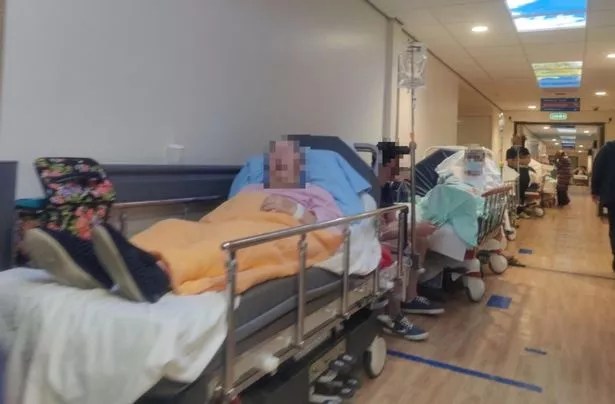
A clarion call to action. We appeal to the readers to take action on this; it is pointless to report the details of the horror stories of avoidable baby and maternal deaths, long waits for treatment, and corridor care, without saying how it can be changed. That change requires thousands of us to take action, like the Poll tax campaign, like the suffragettes, like the Hillsborough campaign. It is within this government’s power to make fundamental change, but our voices have to be louder than those of the big US corporations advising this government and funding the politicians.

Last winter’s NHS crisis never fully ended, and corridor care and long waits in A&E continued into July and August. Current figures for waits and corridor care are worse than during the pandemic! This winter, 2025-2026, looks bad already. This is unnecessary and entirely avoidable. In countries with more severe weather pressures, they do not experience the same problems. Norway does not have a winter crisis on this lethal scale. The human race would not have survived if we had not learned to prepare for winter. This chaos is policy -entirely unacceptable policy. It is based on the dogma that government spending on health should be reduced. This policy is nonsense and benefits those whose giant corporations want to replace the NHS with the hated American system.

Investing in health reduces A&E use and long-term sickness, and both are associated with an increase in the employment rate. When it comes to quantifying the return on investment, our analysis reveals that every pound invested in the NHS results in around £4 back to the economy through increased productivity and workforce participation.

Investing in healthcare makes the country healthier, wealthier, and happier. This was made crystal clear when the NHS was founded in the aftermath of World War II.

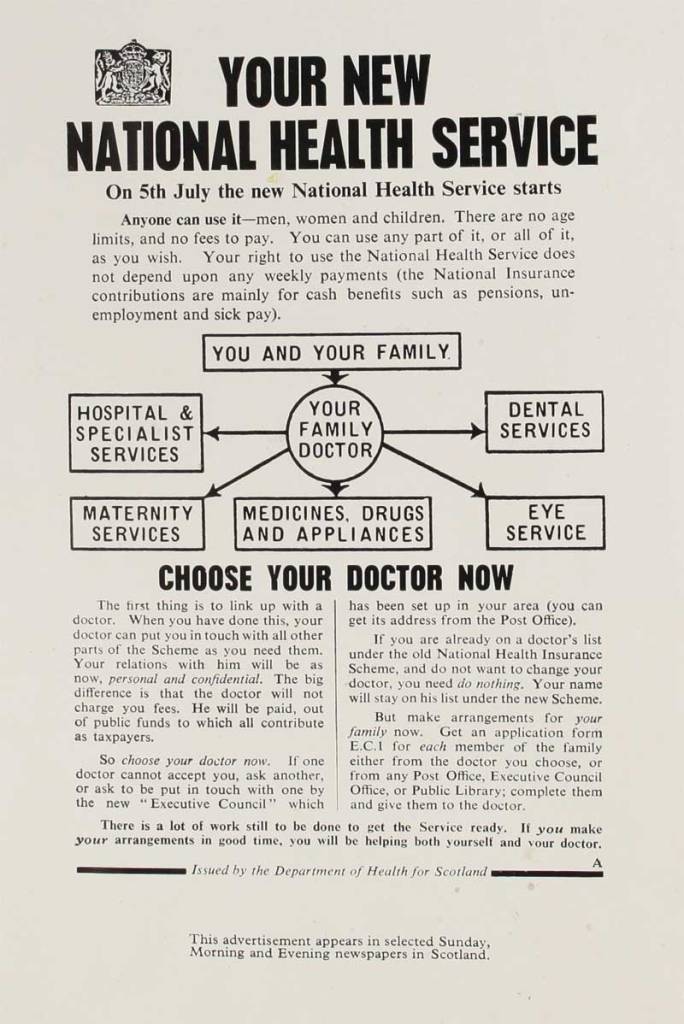
In 1948, founded on three core principles, the NHS was the first universal health system to be available to everyone, free at the point of delivery and based on clinical need, not ability [to pay].

Our NHS staff are skilled, work hard, and perform daily miracles of care – saving lives, reducing pain, and providing kind, well-researched care -but they too suffer from the intolerable conditions in our hospitals.

The blame lies squarely with governments, and this government must change course, drop the many-headed hydra of privatisation and return the NHS to its fully public service model. The USA can teach us nothing about healthcare for all. The US system is more expensive for both ordinary people and the government. Many are left without care, and key indicators like life expectancy and infant mortality are worse than in the UK. So why do we have advisers from the big US health corporations deep in the NHS and government?

The U.S. has the lowest life expectancy at birth, the highest death rates for avoidable or treatable conditions, the highest maternal and infant mortality, and among the highest suicide rates [of high-income countries].”

The following are US Health Corporations that are working for profit within the NHS: UnitedHealth Group/Optum, Operose Health (owned by Centene Corporation – now divested), Acadia Healthcare, Palantir Technologies, Johnson & Johnson, Medtronic, Abbott, Pfizer, Baxter Healthcare, Fresenius, DaVita, IBM, Oracle, Apple, Alphabet, and Amazon.

The winter crises reflect the general underfunding, understaffing, and disorganisation of the NHS by this and previous governments. Lord Darzi described the Health and Social Care Act 2012 as a “calamity without international precedent” and “disastrous”.  But those policies continue and are extended. That it is simply unacceptable.

We let the government close hospitals, reduce the number of hospital beds as the population aged. Perhaps we believed the government knew better? We can see now that they did not know better, but that their cronies in the big health corporations wanted to exploit our NHS. We need as many people as humanly possible to understand what is happening and to build a campaign bigger than the Poll Tax.

There are two huge assets in the NHS that the corporations want to get hold of. One is the market power of the NHS as the largest single purchaser of medicines and medical equipment in the world. As such, the NHS could bargain to get the best possible prices. Then other countries would bargain with the NHS as the baseline. They would have to pay more than the NHS but not ridiculously so. Starmer is likely to agree to pay 25% more for drugs to appease Trump and his trade wars. Yet, according to Rachel Reeves, the Chancellor of the Exchequer, the NHS will not get more funding. Tax Research website says “it is a transfer of wealth from the UK public purse to the shareholders of multinational corporations. ” Medicines account for about 10% of NHS spending, so a 25% rise in costs will be significant.

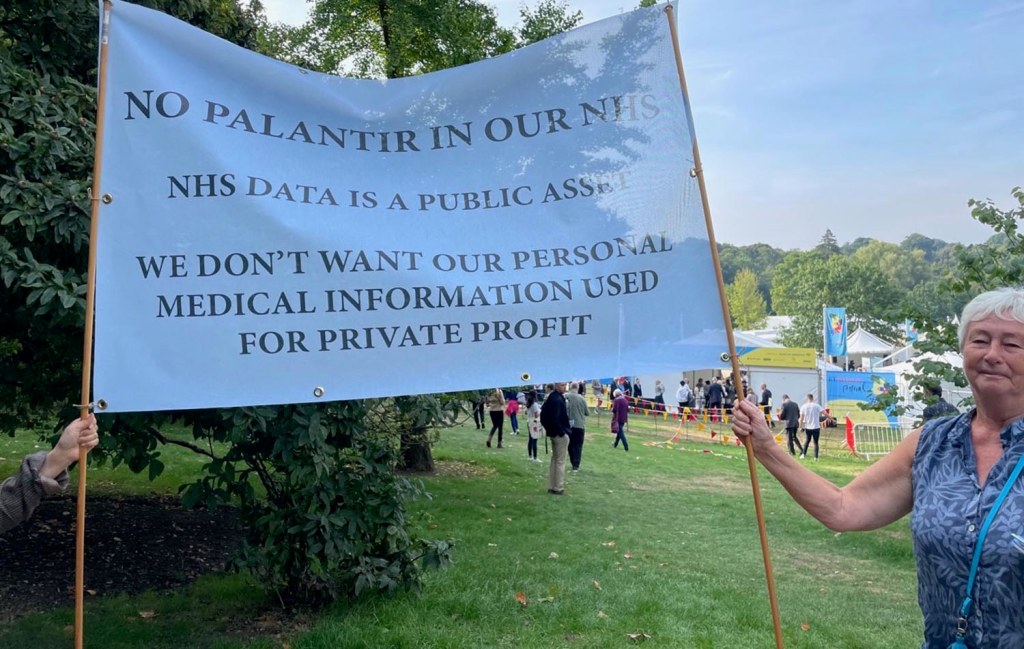
The second major asset of the NHS that the American corporations want is our data. Seventy-seven years’ worth of the health records of tens of millions of people in the UK, with all the different treatments and outcomes they have received – this is worth billions to drugs, insurance companies and the AI industries. Many of us refused to allow our data to be used, but the government is not only ploughing ahead, it is giving our data to Palantir, which will harvest still more data from future treatments.

Palantir is a US tech company that works with the Israeli Defence Force, British and American militaries, the US Immigration and Customs Enforcement Agency (ICE) and, since 2020, the NHS.” You can sign a petition about this here.

Last year’s winter crisis ran through the year.

In October 2025, the Royal College of Emergency Medicine and the Royal College of Physicians both reported that corridor care has continued through the year; “Put simply, the situation is shameful. Patients are being failed. It’s time to act.”

All the other NHS problems contribute to the winter crisis and, if not tackled, will make each year worse.

Meanwhile, more than six million people are waiting for elective treatment, and more than half a million women are waiting for gynaecology treatment. This is the most significant number of patients waiting for any specialism. These figures are not improving. Our hospitals are understaffed, and some doctors’ shifts are being cancelled because of financial constraints. People have difficulties in finding GP appointments, especially in less well-off areas, so their health concerns get worse before treatment.

Honour thy father and thy mother.”

Picture from the Liverpool Echo

Age Concern has just produced a heartbreaking report of the experience of older people, experiences of corridor care, left without access to toileting, left to die with no privacy. We have had stories like this brought to our campaign stalls.

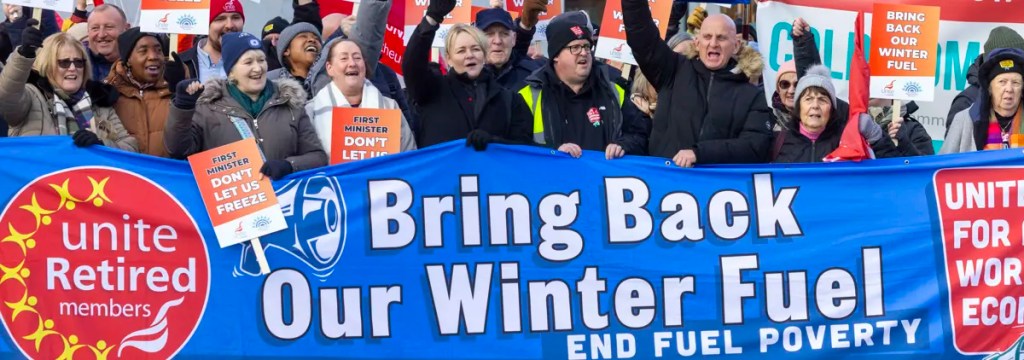
Poverty is increasing in the United Kingdom. This means that more people are ill, again, especially in areas of high poverty. Heating and fuel prices will make life still harder this winter, especially for children.

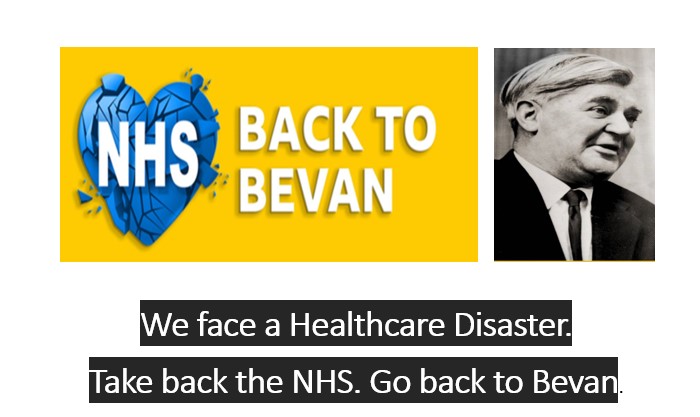
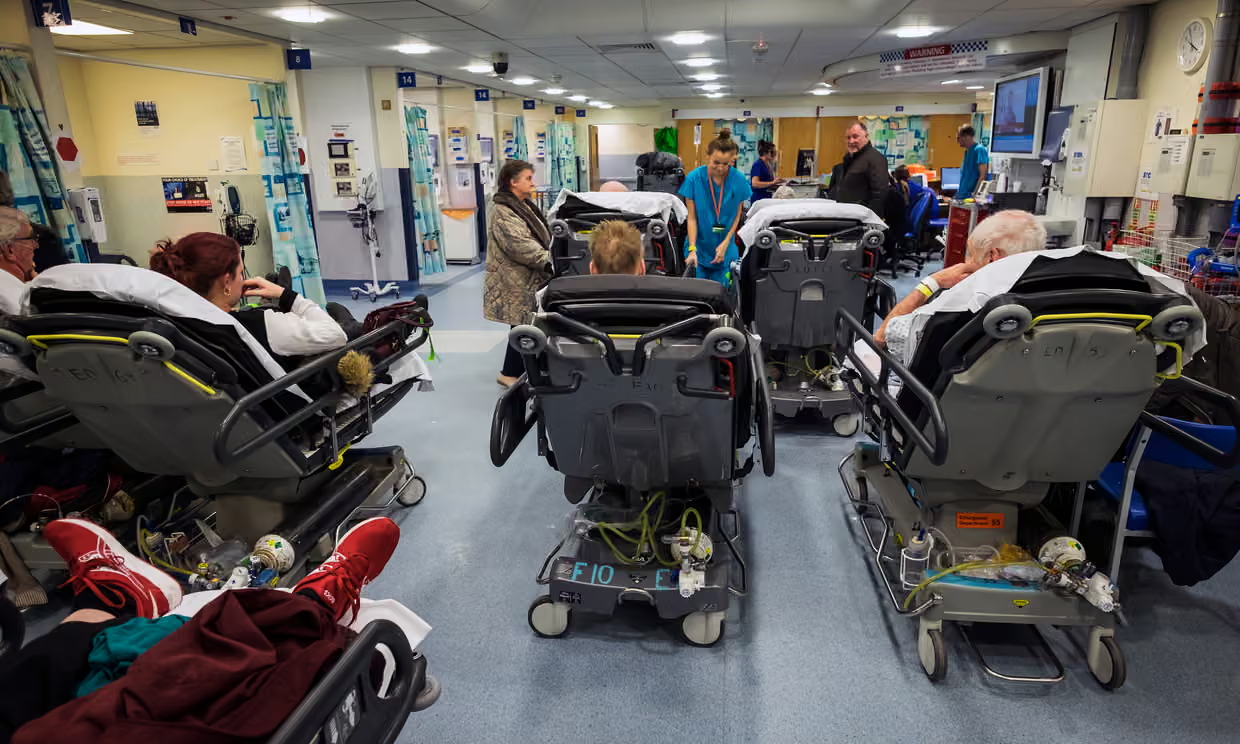
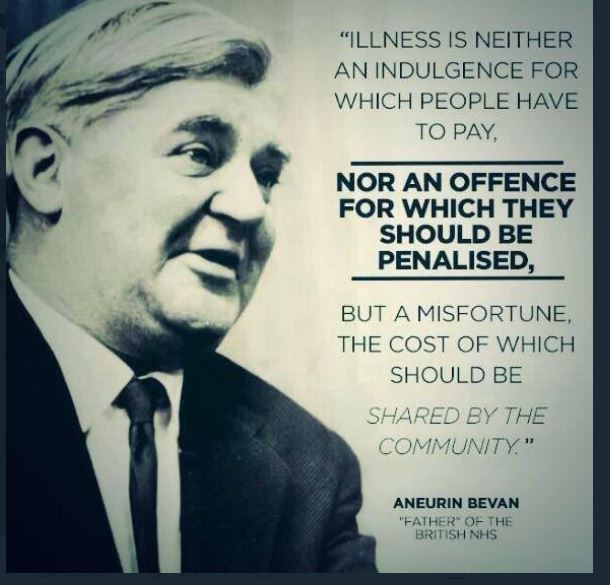
So, we are facing a very difficult winter, and the NHS is not ready for it. Corridor care is already increasing, and we are seeing ambulance queues again. This is not just uncomfortable and humiliating for patients; it costs lives, about 250 per week, according to the Royal College of Emergency Medicine. The BMA have published a list of what can and should be done but we want more, we want immediate Government action on finance, on filling vacancies, and a return to the Bevan model of healthcare, as the NHS was founded to be, not to a milk cow for huge corporations.

At the core of the problem is the remodelling of the NHS on the appalling American model. The government can change that immediately.

Right now, the government could

1. Improve staffing and employ fully qualified professionals. There are 100,000 nurses who are qualified and registered but not working as nurses in the UK. More nurses, who have left the NHS, will have dropped their registration . Many resident doctors and GPs are unemployed.

2. Increase the number of hospital beds and intensive care provision (the intensive care might take a little more time)

3. Prioritise the NHS, not the private sector. All government health spending should go to patient care and staff conditions in the NHS. During the pandemic, Spain nationalised all private health facilities as a public health emergency. Here in the UK, the private sector is very small compared to the NHS, though the government seems keen to grow it.

4. Improve workforce planning as a matter of urgency.

5. Improve pay and working conditions for staff.

6. Improve the buildings.

7. Improve GP services, employ the unemployed GPs.

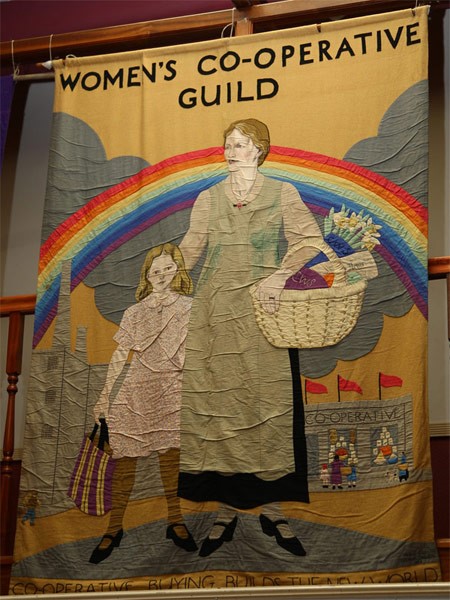
The NHS came from the people, not from the rich or famous, but from ordinary people demanding proper healthcare for all, rich or poor, man or woman, child or pensioner, black, white or brown. Trade unions, especially the National Union of Mineworkers, and women’s groups such as the Women’s Cooperative Guild, led the way. Our grandparents and great-grandparents fought for it in the early 20th century, and when the soldiers returned after defeating fascism, the NHS was established 77 years ago. The country was still smouldering from bombing and massively in debt, but we invested in the NHS, and it profoundly changed lives, especially women’s lives. Fewer women died in childbirth, and more babies survived. For many years, life expectancy rose, and we lived longer, healthier lives. We too can fight for the NHS like our grandmothers, great grandmothers and grandfathers , and we can win, making it safe for another 77 years.

There are actions you can take:

  1. Talk to friends, family and workmates about the need to restore the NHS.
  2. Raise it at work, in your union if you have one, and in the community organisations
  3. Share this post. Post your own comments on social media.
  4. Contact your local councillor. Many councillors don’t understand that Councils do have a say in the NHS. Each council has a representative on the Integrated Care Board. The changes the Government has been making increase the importance of that scrutiny function. The Council has a scrutiny system over health decisions that affect the locality. Liverpool has a Health and Well-being Board and a Children and Young People’s Well-being Scrutiny Committee. Wirral and Cheshire West have a Joint Health Scrutiny Committee.
  5. Help us with our campaign. Leafleting your street would be a great help. Come to our meetings or set up a meeting about the NHS inyour area.
  6. If you are active in an organisation, ask the organisation to join the Cheshire and Merseyside NHS Campaigns. Email takebackthenhs@proton.me
  7. Write to your MP either with a detailed letter or a short one. Use our letter draft or write your own. Find the name of your MP here. Maybe try to get an appointment with them. Urgent government action would make an immediate difference. Right now, in these unpredictable times electorally, MPs are very sensitive to the possibility of losing votes if they ignore their electorate’s opinion!

Below, you can down load draft letters/emails to your MP, to use as they are or put into your own words – make sure though, that you put your own address on the letter so MPs are in no doubt you are one of their constituents.

We will be continuing our coverage of this issue. We will hold meetings to discuss the winter crisis and plan the campaign. We need your help. Please send us your thoughts and experiences of using the NHS this winter, as well as your successes in getting the word out to the public. Please invite us to speak at meetings, large and small.

We sent this question to Cheshire and Merseyside ICB  meeting on the 27th November 2025 about the Winter Crisis

“The winter crisis, as seen in corridor care in A and E and in very long waits for beds once a decision to admit was made, spread throughout the year.

The Winter Planning report, page 279, does not appear to reflect the experience of patients in this area, nor does it reflect the Royal College of Physicians’ report this autumn.Cheshire and Merseyside ICS – Urgent Emergency Care strategy for 2025/26 also does not seem to reflect the situation from the public’s point of view.

We recognise the dedication and hard work of staff in challenging situations, but they too seem angry about the problem, apologising to patients for having to treat them without privacy.

We note the focus on particular critical incidents, but the wear and tear on patients in the routine winter crisis must also be addressed. A five-hour wait is seen to be a feature in patients who have poor outcomes, including deaths.

The deep sadness and anger from older people at being treated in corridors must be heard and responded to.

What will be done to help staff navigate the tough times ahead?

What research has been done to find out why staff distrust the vaccines?

How do NHS staff who want the Covid vaccine get one?

What are the plans in case of a qualitatively higher level of illness than you currently expect (given the experience of the southern hemisphere this year)? What lee way is there for such an escalation?


“The winter crisis, as seen in corridor care in A and E and in very long waits for beds once a decision to admit was made, spread throughout the year.

The Winter Planning report, page 279, does not appear to reflect the experience of patients in this area, nor does it reflect the Royal College of Physicians’ report this autumn.Cheshire and Merseyside ICS – Urgent Emergency Care strategy for 2025/26 also does not seem to reflect the situation from the public’s point of view.

We recognise the dedication and hard work of staff in challenging situations, but they too seem angry about the problem, apologising to patients for having to treat them without privacy.

We note the focus on particular critical incidents, but the wear and tear on patients in the routine winter crisis must also be addressed. A five-hour wait is seen to be a feature in patients who have poor outcomes, including deaths.

The deep sadness and anger from older people at being treated in corridors must be heard and responded to.

What will be done to help staff navigate the tough times ahead?

What research has been done to find out why staff distrust the vaccines?

How do NHS staff who want the Covid vaccine get one?

What are the plans in case of a qualitatively higher level of illness than you currently expect (given the experience of the southern hemisphere this year)? What lee way is there for such an escalation?”

We will publish their reply


Campaigning to save Liverpool Women’s Hospital Autumn 2025

This article is a work in progress and is being amended and added to as events progress

25 October 2025, update.

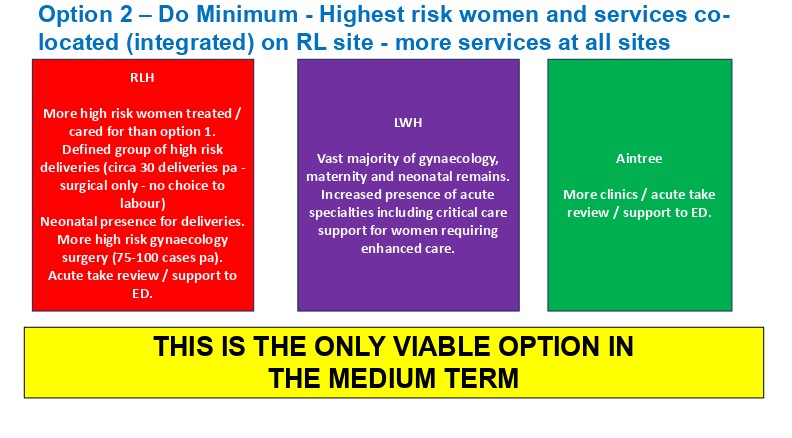
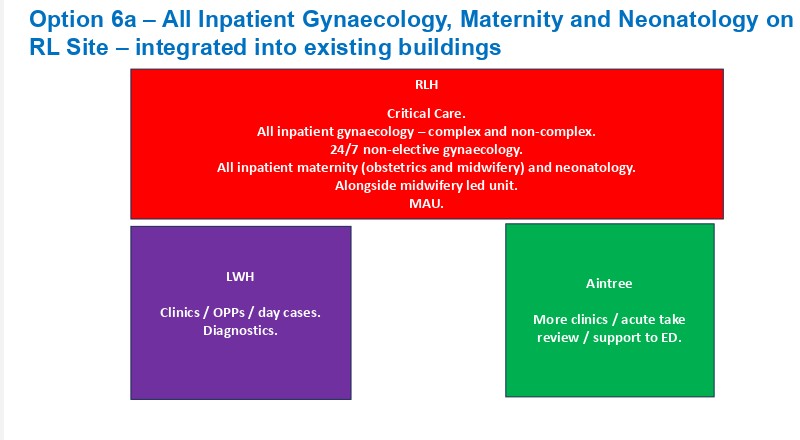
The report on the future of Liverpool Women’s Hospital (Women’s Hospital Services in Liverpool programme) has been postponed again; this is their statement:

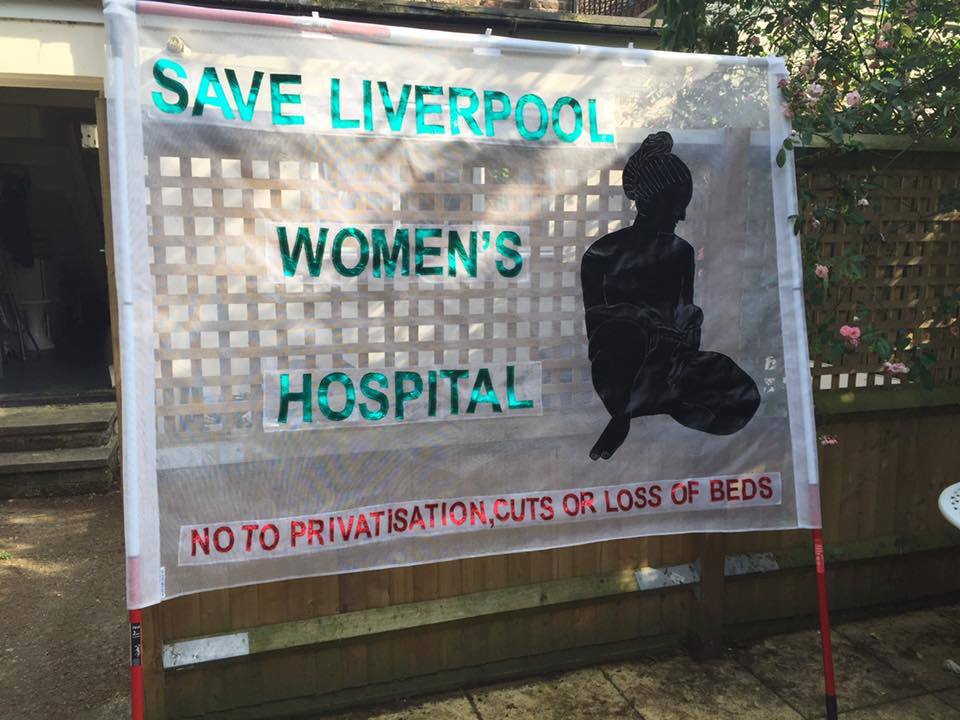
Save Liverpool Women’s  Hospital

To support options development, work to understand what each potential option would mean for estates (buildings), finance and workforce (staffing) has been taking place. This has been a complex process, and the level of detail required has meant that it has taken slightly longer to finish than had originally been planned. This means that the Women’s Services Committee will now consider the outputs of the work on potential options in November 2025 rather than October 2025. Following this, the Board of NHS Cheshire and Merseyside will discuss the potential options, and next steps, at a private meeting, which will also take place in November 2025.

The intention is that following the Board meeting, from December 2025 onwards, discussions will be held with partners, including local NHS trust boards and local authorities, about how the programme moves forward. At this point, if required, planning would also begin for an external review by clinicians from a different part of the country.

It is therefore likely that we will publish a further update about the programme during the first half of 2026. We know that many members of the public, NHS staff and wider stakeholders have a strong interest in women’s hospital services in Liverpool, and are keen to understand what will happen next. “

Our response

The “Women’s Hospital Services in Liverpool programme” is a working party of the Cheshire and Merseyside Integrated Care Board, the governing body of the NHS in Cheshire and Merseyside.

Liverpool Women’s Hospital’s future remains under threat, despite being one of the best buildings in the country and having an excellent reputation. The “options” mentioned in this statement have not been published.

This is at a time of enormous public concern about the state of Maternity services nationally, when we have yet another national report on Maternity scandals, plus police enquiries into deaths at two trusts. There have, of course, been many other detailed and complex enquiries whose recommendations were not implemented by the last government and are not being implemented by this government. It is no surprise, therefore, that campaign groups are forming across the country. For a decade, the future of Liverpool Women’s Hospital has been uncertain, with all the anxiety that has brought for pregnant women and families, for women needing gynaecology care, fetility care, for parents with babies in the Neonatal unit, and all the other services, for staff, both current staff and those who might have wanted to work at Liverpool Women’s but needed a secure future to commit to a move, and of course, the public vocifeously wanted to know that the hospital would be safe.

Liverpool Women’s Hospital’s future is under threat, despite the urgent need to retain and improve it, despite good work having been done in the last year to enhance its resources and services. Even before the Integrated Care Board was invented, plans to close it were underway. It was one of the first items on the ICB agenda when it opened.

Staff at Liverpool Women’s Hospital have worked so hard against the odds. The difficulties caused by privatisation, austerity, cuts, understaffing, and the disorganisation of the NHS over the last decade have been immense. Lord Darzi, in a report commissioned early in this government, described the 2012 Health and Care Act as “calamity without international precedent”. We say that the 2022 Act made things worse. The business model still pursued by this government has been a disaster for Maternity care nationwide.

Professor Marian Knight, Director of the National Perinatal Epidemiology Unit and MBRRACE-UK maternal reporting lead, said: ‘These data show that the UK maternal death rate has returned to levels that we have not seen for the past 20 years.

Liverpool Women’s Hospital has retained an excellent reputation. It is a much-loved, much-needed hospital that provides for the birth of approximately eight thousand babies a year and more than ten thousand gynaecology procedures. It is a maternal medicine centre and a tertiary hospital.

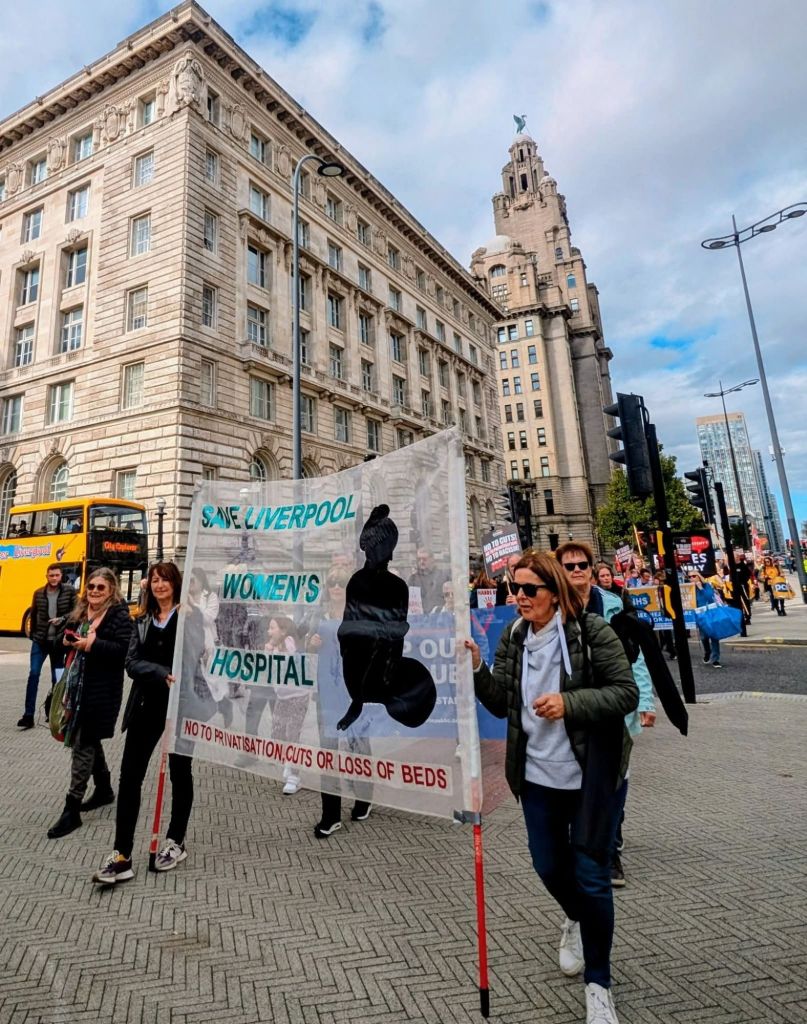
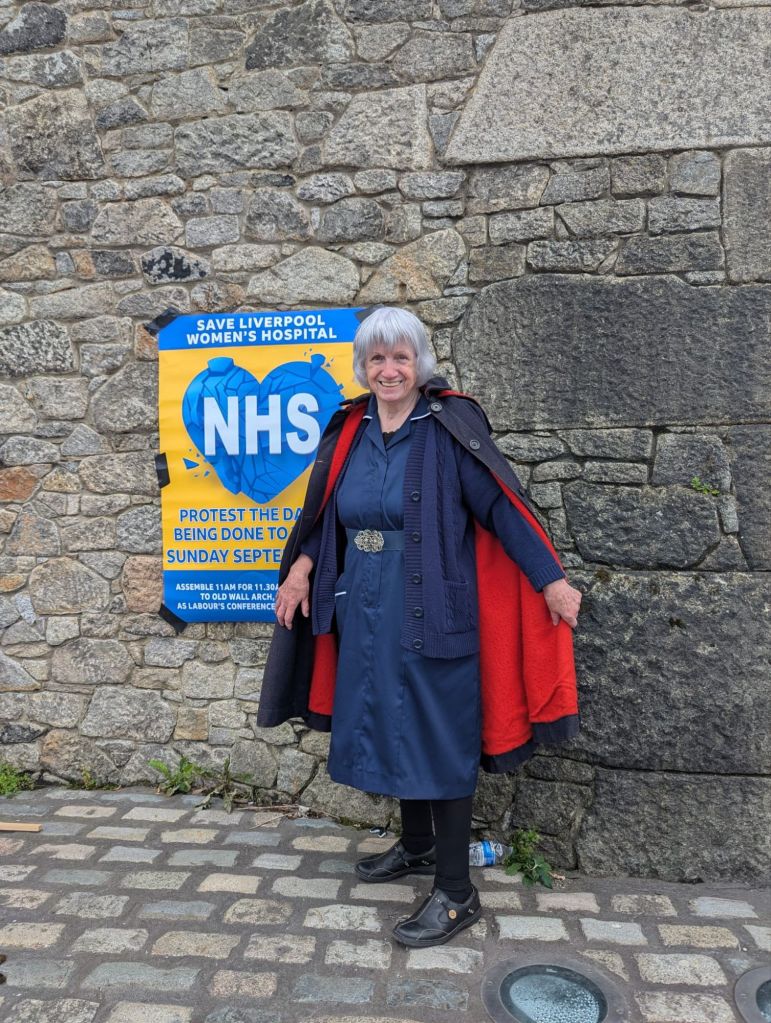
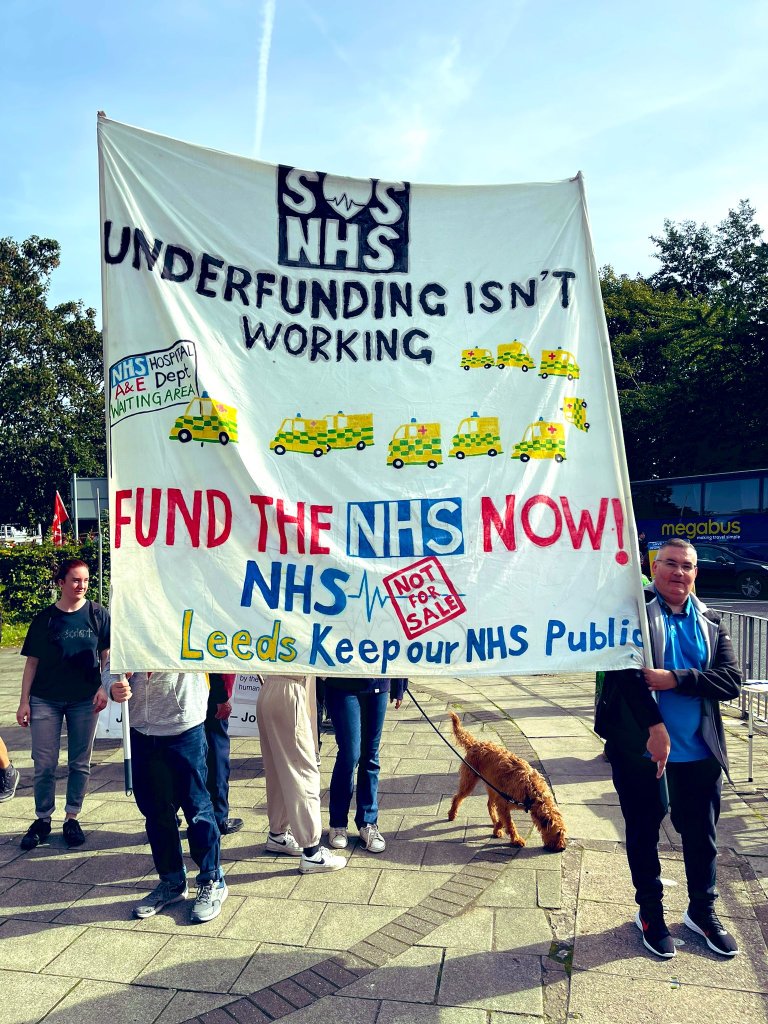
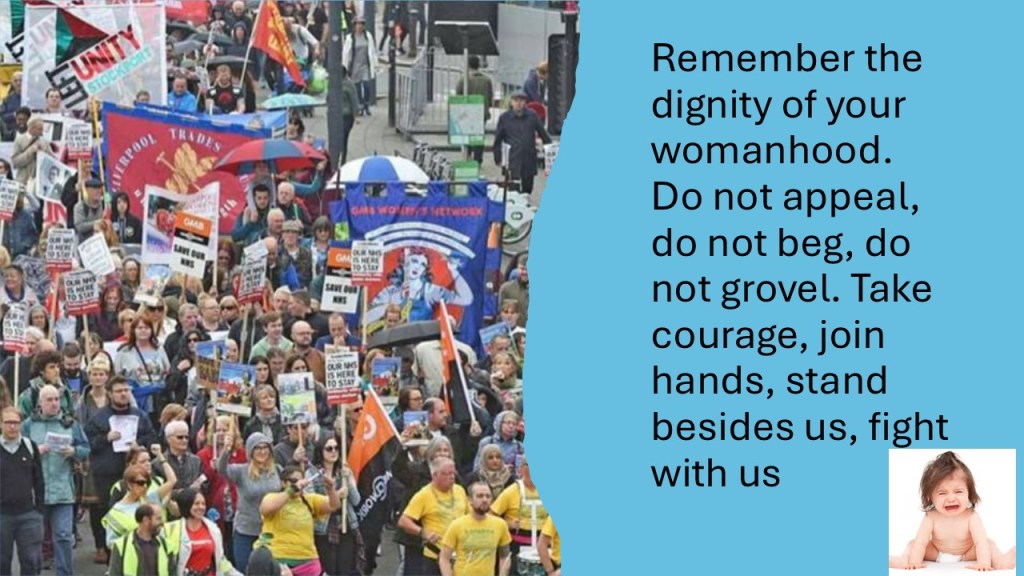
Protest on 28th September 2025

The future of Liverpool Women’s Hospital was one of the first issues raised by the Integrated Care Board (ICB), the governing body of the NHS in Cheshire and Merseyside, when it was established in 2022. We believed then and still believe that finances are at the root of the plans to move, merge, or close Liverpool Women’s Hospital.

The Women’s Hospital Services in Liverpool  Committee says that their process includes ”October to November 2025: Discussions with partners, including local NHS trust boards and local authorities, about the draft business case”

 Annexe A to the reports fromLiverpool Women’s Hospital Prevention and

Equity Population Profile 2023-24 Date: 4 April 2025

(Author: Dr Clare Baker, Public Health Registrar) says, “There is a significant difference between demographics and experiences common among senior decision-makers and common among our patients” In other words, the people making the decisions do not live the same lives as the patients, yet they will not consult with the public before drawing up their plans.

(We have been challenged for the source of this quotation. It can be found on page 151 of the PDF for the cm-icb-board 240725-agenda and papers.)

Our campaign has significantly less access to information about what is happening at Liverpool Women’s Hospital since the semi-merger with the other hospitals in Liverpool, forming the University Hospitals of Liverpool group. Previously, some of our campaigners were able to attend the board meetings in person, read the public board meeting papers, hear the patient stories presented at each meeting, and ask questions. We could follow in detail issues such as infant and maternal mortality, staffing levels in Maternity and Gynaecology, and the hospital’s financial situation. We could, at times, bring home the reality for mothers and families. There was once a report on how they intended to spread the service across the city to clinics in “pram pushing” distance. When we saw the maps, we burst out laughing. Knowing the city, we assured the board that it would take some Olympic-level athletes to cover those distances! The relationships at those board meetings were generally friendly. Now, all we are allowed to do is attend the meeting of the combined group covering the Royal, Aintree, Boardbgreen, and the Women’s. This is soon to be expanded to include specialist hospitals. Such a meeting focuses primarily on finance and staffing issues. There is no midwife or obstetrician on that board.

We will refer to all papers from the Integrated Care Board (the governing body of the NHS in Cheshire and Merseyside) since its founding in 2022. What follows is from the papers for the first meeting of Cheshire and Merseyside ICB, pages 6 -9

JGR noted that the clinical case for change is strong but felt that the public perception is that this is linked to the need to make cost savings. JGR asked what steps will be taken to counteract this view. FLE confirmed that there is a financial driver in that Liverpool Women’s Trust have been in a deficit position for some time and they are not in a position to rectify this. FLE highlighted that this is not the primary reason but agreed that there is a need for a careful public engagement process before it goes out to consultation” There is more discussion in these papers including saying tht Ormskirk maternity is also not co-located with a general hospital.

Had the time, energy, and resources wasted on this cost-cutting drive been devoted to improving services at Liverpool Women’s Hospital, we would have seen the day-to-day experiences of patients and staff significantly improved.

Throughout the ICB papers, it has been made clear that there is no likelihood of the capital (money) for rebuilding Liverpool Women’s on the Royal site, yet this rumour persists. It is, of course, within the power of the government, at the stroke of a pen, to create the resources needed for a rebuild or to adequately fund the hospital on Crown Street. Still, it seems highly unlikely that such a policy change will occur. If it were to happen, we would still say that the Liverpool Women’s Hospital should remain on Crown Street, as a women’s hospital, albeit with improvements. Of course, we also call for close collaboration on necessary medical matters with other hospitals. It was the damaging 2012 Health and Care Act, described by Lord Dazi in his report to the new Government as a “Calamity without precedent“, that made hospitals compete rather than cooperate

Why we say Liverpool Women’s Hospital should stay at Crown Street

  1. It is a much-needed hospital. The experience of other Maternity hospitals closing and merging has not been successful; Maternity standards nationally have deteriorated.
  2. Women’s needs have been neglected in the NHS for more than ten years. The creation of huge general hospitals has not helped.
  3. Other Maternity hospitals are in a dire situation and need financial infrastructure support much more than Liverpool Women’s does. Please see this heartbreaking report.”There is a clear link between the condition of service infrastructure, the experience of service users and staff, and safety. In the last 3 years, there have been 14,519 formally reported instances in the Maternity and neonatal estate where clinical services have been interrupted or service delivery has been impacted as a direct result of poor physical conditions. Significant clinical time has been lost to estate-related issues, such as power outages, water leaks and faulty nurse call systems. This puts additional pressure on already stretched staff to provide high-quality and safe care and can directly lead to procedures delays, such as planned caesarean sections.
  4. The green site at Crown Street is a positive benefit to mothers in difficult times. The physical environment helps birth.
  5. The Royal is located in one of the most densely trafficked areas in the city, with a 6-lane road running adjacent to it. This would be dangerous  for babies’ lungs.

The argument that  Maternity would be safer on the same site as the acute hospital is not borne out by the scandals in Maternity care in large hospitals. We cite Leeds Teaching Hospital as an example, but we support campaigners and staff in Leeds who are working to improve the situation. Current financing of Maternity care makes it difficult to provide safe care.

This is a national emergency. The government has called yet another Maternity Enquiry and is conducting a deep dive into 14 Maternity hospitals. Liverpool Women’s Hospital is not on that list. Yet another enquiry will not solve this. A serious consultation with mothers, families, staff, especially midwives, and concerned members of the public is required for all our mothers, sisters, daughters, friends, and loved ones, as well as every baby.

( For the list of other Maternity enquiries, see this.)

Baroness Amos is chairing the enquiry. The baroness, whilst having much government and academic experience, is not an expert in Maternity. It will be very challenging for her to reach a conclusion about important Maternity issues in a matter of weeks. Some bereaved parent groups have welcomed her appointment, others say this method of enquiry tries to place the blame on the Hospitals when it’s the system that’s caused the terrible problems.

We object to the government commissioning yet another enquiry when the recommendations of other detailed enquiries have not been financed or implemented. We agree with the parents’ groups that the investigation should cover the wider service, not just the hospitals, but also the NHS central organisation.

Liverpool Women’s Hospital is not in this list of hospitals to be investigated. Had the doom talk of the engagement meetings, organised by the ICB, been believed, it surely would have been.

Maternity outcomes have worsened in the years when Maternity hospitals and units have been closed or merged into the acute hospitals.”Professor Marian Knight, Director of the National Perinatal Epidemiology Unit and MBRRACE-UK maternal reporting lead, said: ‘These data show that the UK maternal death rate has returned to levels that we have not seen for the past 20 years. The 2023 MBRRACE-UK maternal confidential enquiry report identified clear examples of maternity systems under pressure and this increase in maternal mortality raises further concern. Ensuring pre-pregnancy health, including tackling conditions such as overweight and obesity, as well as critical actions to work towards more inclusive and personalised care, need to be prioritised as a matter of urgency now more than ever.

Liverpool Women’s Hospital provides more than Maternity care. The CQC report says, “The Liverpool Women’s NHS Foundation Trust gynaecology division is a tertiary referral centre for gynaecology, performing approximately 10,000 procedures per year.”

Most Gynaecology services in most of the country are provided in general hospitals, and this has not alleviated the disproportionate waiting times for gynaecology treatment. Misogyny runs deep as this report from the London School of Economics shows. The resources have not been invested in the service for over a decade.

https://committees.parliament.uk/committee/328/women-and-equalities-committee/news/204316/medical-misogyny-is-leaving-women-in-unnecessary-pain-and-undiagnose

 In 2022, the Royal College of Obstetricians and Gynaecologists  described the service as “a speciality which had been disproportionately impacted by a lack of capacity in the NHS long before the start of the COVID-19 pandemic

 In our area, gynaecology has the longest wait for any speciality. Nationally,  for people of working age, the waiting lists for gynaecology are the largest.

Include the Public. Plans for the future of Liverpool Women’s Hospital are being drawn up, but without public input. The committee drawing up the plans says it will present its plans to a private meeting of the ICB (the governing body of the NHS in Cheshire and Merseyside) in November. Once all the planning is complete, they will conduct a public consultation. Yet, the real lives of patients are not the same as those of the people drawing up the plans. Their own papers say this. Our campaign has written to request inclusion in these discussions, but we have been refused. Previously, the ICB said we would be included.”The principle of Section 242 is that, by law, NHS Commissioners and Trusts must ensure that patients and / or the public are involved in certain decisions that affect the planning and delivery of NHS services

The threats to  the  future  of Liverpool Women’s Hospital are continuing despite

  • The improvements in infrastructure and safety made at he hospital in recent years
  • The national Maternity crisis
  • The national problems ( and associated pain and suffering) with the Gynaecology waiting lists for treatment, and neglect of this service nationally.
  • Liverpool’s well-publicised issues with declining health among women (State of Health in the City: Liverpool 2040) and the hospital’s excellent reputation.
  • The distortion of NHS structures to suit the many facets of privatisation brought in by the 2012 and 2022 Health and Care Acts,
  • This government is increasing privatisation and bringing back advisers who led up to the 2012 Act and who are linked to the hated American health corporations.
  • The government is entrusting our most intimate data to companies like Palantir.
  • The decline in women’s health over the years of austerity.

More than 80,000 people have signed our petition, combining an online and a paper petition. We have held public meetings, produced leaflets, lobbied MPs, and spoken to union branches, community groups, churches, and mosques. We attend board meetings of the hospital (now a group of hospitals) and the Integrated Care Board. Our campaigners include people who have used the hospital, intend to use it when they have babies, whose families have used or are likely to use the hospital, people who work in the NHS and those who work elsewhere, academics, and manual workers. We include people who care deeply about the NHS but whose only expertise is as patients or carers, and we also have experts. We are part of a long tradition of Liverpool women fighting for better healthcare for women and babies. We welcome newcomers.

We say “No closure. No privatisation. No cuts. No merger. Reorganise the funding structures, not the hospital. Our babies and mothers, our sick women, deserve the very best.  

We need more midwives. Hospitals should cooperate, not compete.

We say improve national  Maternity  Outcomes.  These are deteriorating and are worse than many poorer countries. Mothers’ experience of birth is increasingly traumatic. (Source MBRRACE report 2025.)

National Funding for maternity is still inadequate. We say improve the Maternity tariff, the funding formula the government uses to fund maternity.

The maternity tariff is insufficient to cover costs of delivering the current maternity service in Liverpool, as is the case in many areas across the country.” says Liverpool Women’s Hospital Board

We need more midwives and need to improve maternity staffing and working conditions. Newly qualified midwives need jobs. It’s not rocket science.

Compensation.  We are in the obscene situation where compensation for errors in the maternity service costs more than the whole service. Fund the service to stop the injuries that are so costly in pain and in finances.

Approximately 630,000 women nationwide are waiting for Gynaecology treatment. Improve Gynaecology services. No to cuts.

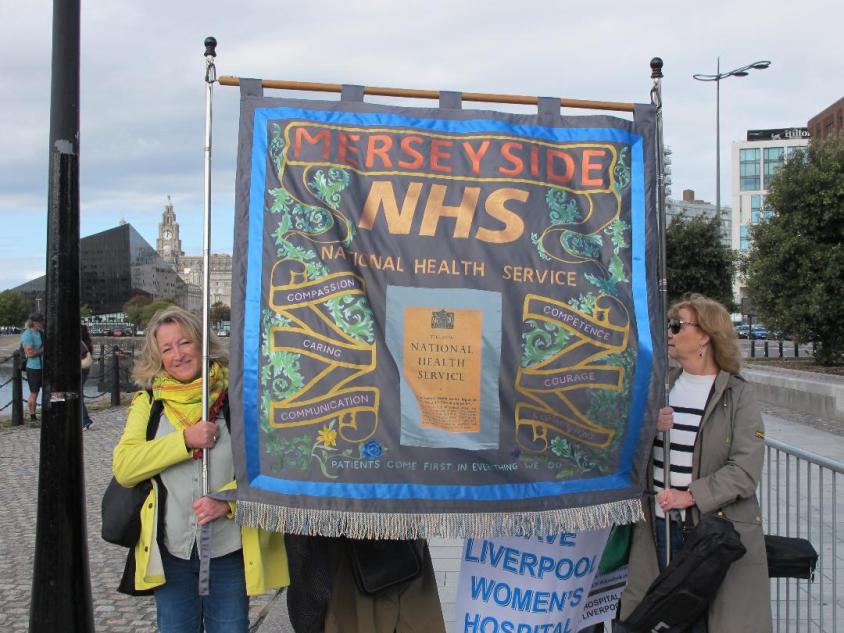
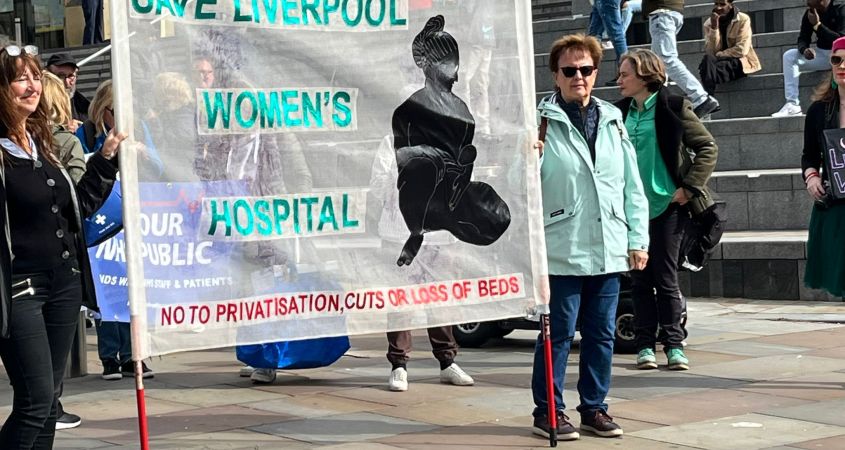
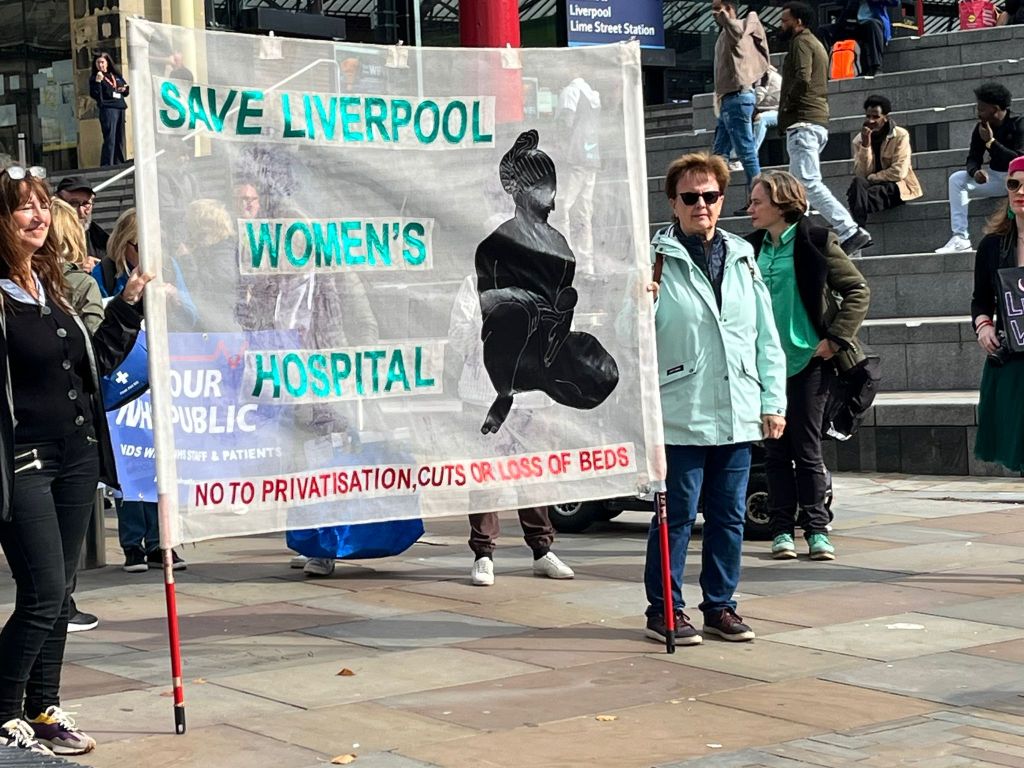
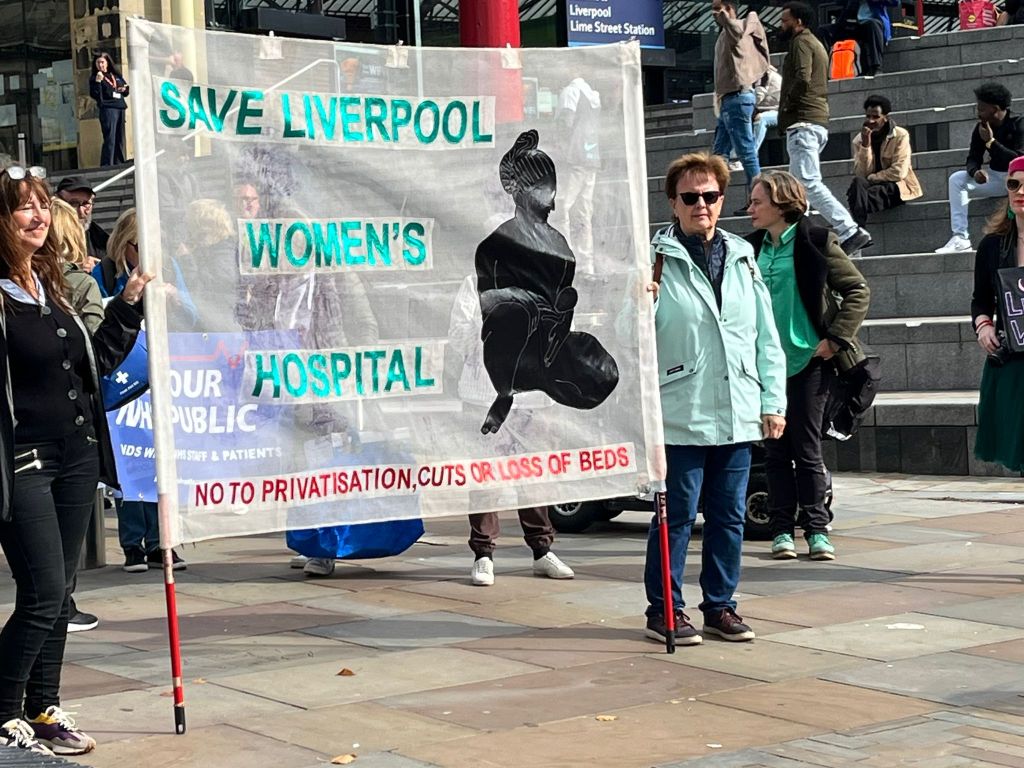
The crowd assembled behind our banner.

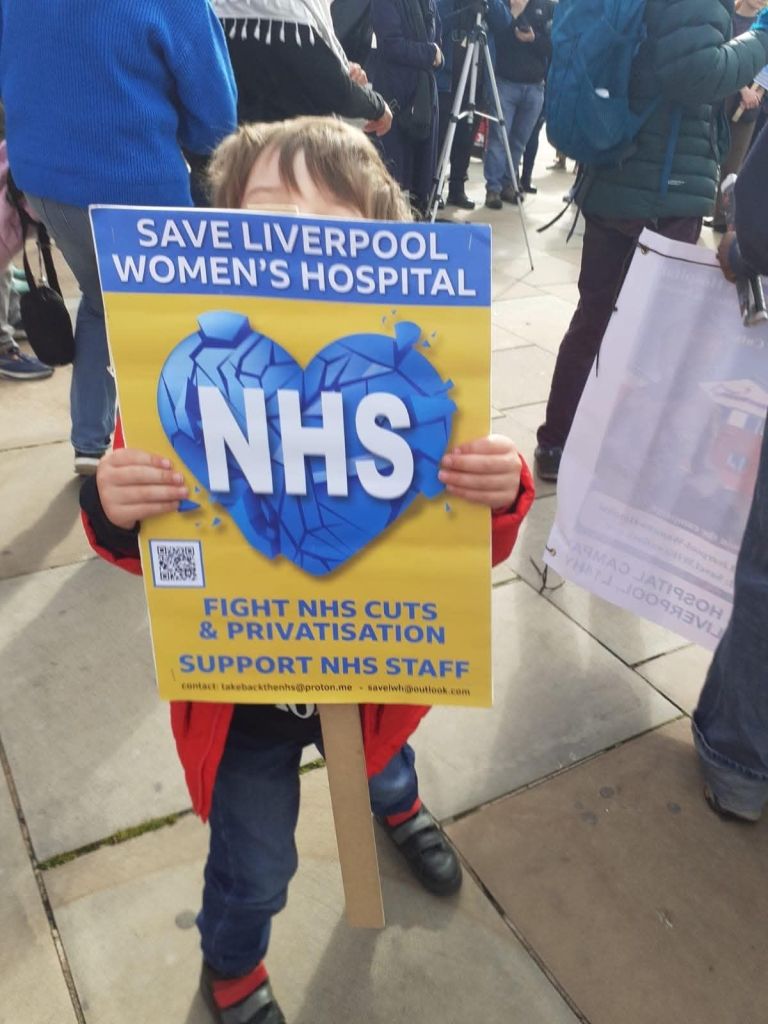
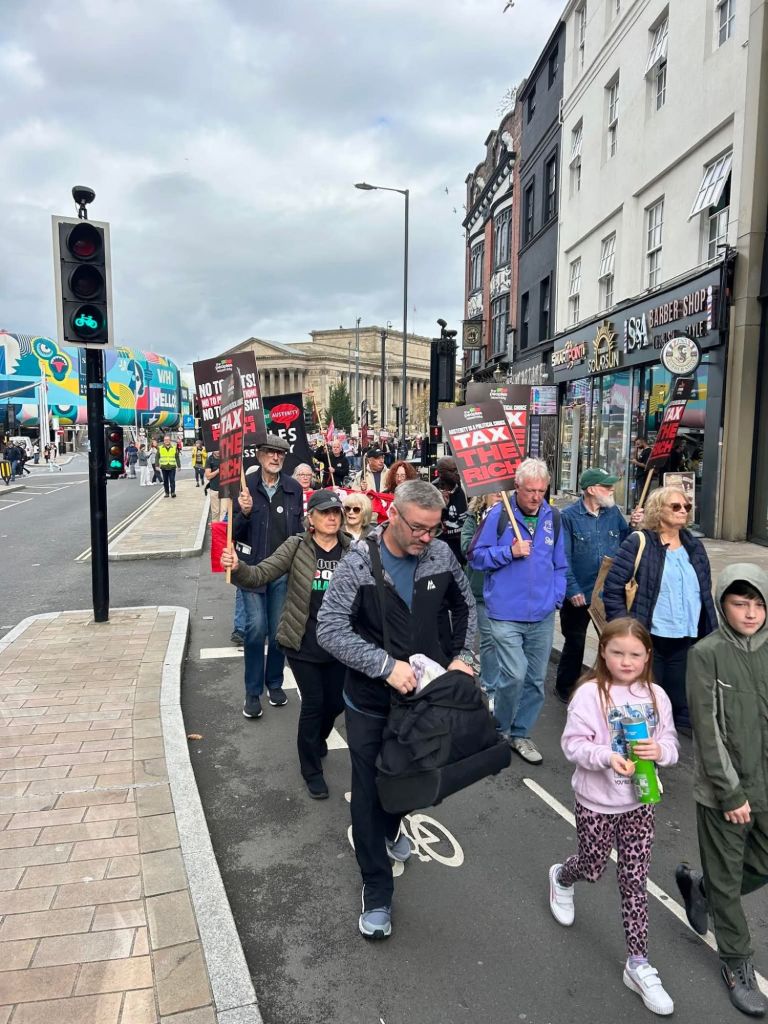
Thank you to everyone who turned out on September 28th for the protest at Labour’s Conference. Our campaign goes from strength to strength.

Practical steps for the campaign to Restore, Repair, and Rebuild the NHS 2025.

Take the fight for the NHS to the communities and workplaces!

The NHS originated from working-class organisations, including unions, and crucially, among working-class communities, especially among working-class women. We have records of this on Merseyside.

Talk about the NHS with friends, family and people at work. Work with other campaigners to get the word out to communities through leaflets, stalls, research, public meetings, pickets, posters, conferences, and demonstrations. The NHS  is ours, a legacy from the generation that defeated fascism and built the welfare state. Stop the daylight robbery of this service by huge corporations.

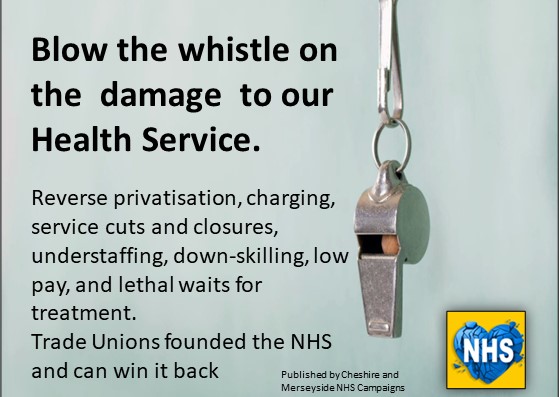
Help us lobby the ICB (the governing body of the NHS in Cheshire and Merseyside; there are similar organisations across the country). They are based on the US system of Accountable Care Organisations, designed for privatisation and profit-taking, denial of care, extracting charges from patients and downskilling of staff.

We are working on model resolutions to restore, repair, and rebuild the NHS, so you can move them at union branches (for unions that are not currently organising NHS workers). Your suggestions are most welcome.

We are building links with health service workers, but help with this would be most welcome.

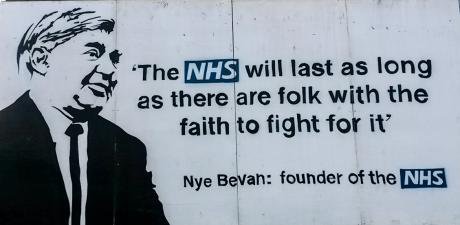
We ask that political parties that do support a return to the Bevan model of healthcare ensure their political education and campaigning include the campaign to restore the NHS.

When the Labour Government in 1945 decided to set up the NHS, the core principles were clear.

Healthcare for all, free at the point of need.

A national universal service cooperating across the country.

A service which is funded as a public service and delivered by a publicly owned and controlled service.

A service that is a good employer employing fully qualified staff, which pays good wages and has manageable workloads without driving burnout.

We would add

Remove all privatisation.

Ban donations to politicians from the US health corporations

Our data is private. Kick out Palantir.

The country can and must afford good healthcare.

Our healthcare costs the government much less per person than the appalling US system. It is more cost-efficient than the European compulsory insurance systems. We need more funding, more hospital beds, more staff, and better buildings. Investment in healthcare builds an economy. Even the World Bank reports that investing in health is key to job creation and growth.

Take the fight for the NHS to the union branches. Make the NHS the talk of the workplace. Let’s not be quiet when people suffer without dignity or privacy on trollies in corridors this winter, not be quiet when babies die from inadequate care in the Maternity service.

There will be a severe political risk this winter if families feel helpless about the problems in the NHS. Our frustrations need a political and community response. Together, we might make the government listen, but the fight goes on even if Starmer continues to have cloth ears. We are fighting for the lives and health of our communities.

We are fighting for lives and dignity. Our area has enormous problems with poverty, and our babies are twice as likely to die around birth as babies in richer areas. Black babies have a greater risk in rich or poor areas, yet other countries do not experience the same problems. This is the outcome of Austerity and neoliberal health policies.

Last winter was grim in all our hospitals, and this year, they face the added burden of funding refusals from NHS England. We saw corridor care for days on end in September, let alone February, long waits in A&E, long waits for beds once “admitted”, and too high bed occupancy for infection prevention. Hospitals are expected to reduce staff as patient needs increase.

The NHS is fundamentally damaged by austerity and privatisation. The government has brought back the worst of New Labour’s privatisation, quacks, and advisers. Billions are being directed to private profit rather than treatment.

The Save Liverpool Women’s Hospital Campaign works with many other NHS campaigns, and we urge people to join us or another similar group local to you.

Contact us, and we will put you in touch or help set up a campaign group in your area. Defend our NHS organises in Wirral and Keep our NHS Public has Merseyside and Cheshire Branches. Most Trades Councils in Cheshire and Merseyside and the NHS camapign groups organise together on NHS issues.

For more information, please see this recent post. Join the campaign to restore, repair, and rebuild the NHS.

Save Liverpool Women’s Hospital.

Make the NHS a core campaign in building a new generation of resistance in the UK. If you are already deeply involved in another core campaign, let’s collaborate on building links. Housing and the environment are key to the nation’s health, as is the right to food. Women’s rights, disability rights and anti-racism work are key to reversing poor outcomes in the NHS. These campaigns should build their links.

We won in 1945 for the NHS, and we can win again.

Growing the NHS Protest. What next?

If you joined our protest on September 28th in Liverpool (or wished you could have done so), thank you. You are invited to stay in touch to develop ongoing campaigns, to convince others that we can win back the NHS, build understanding and determination, and work together to build a movement so significant that no government can ignore us. Maternity and women’s health have been damaged for many years. We say “Enough is Enough. Restore, Repair and Rebuild the NHS. Repair and rebuild the maternity services and gynaecology  care”

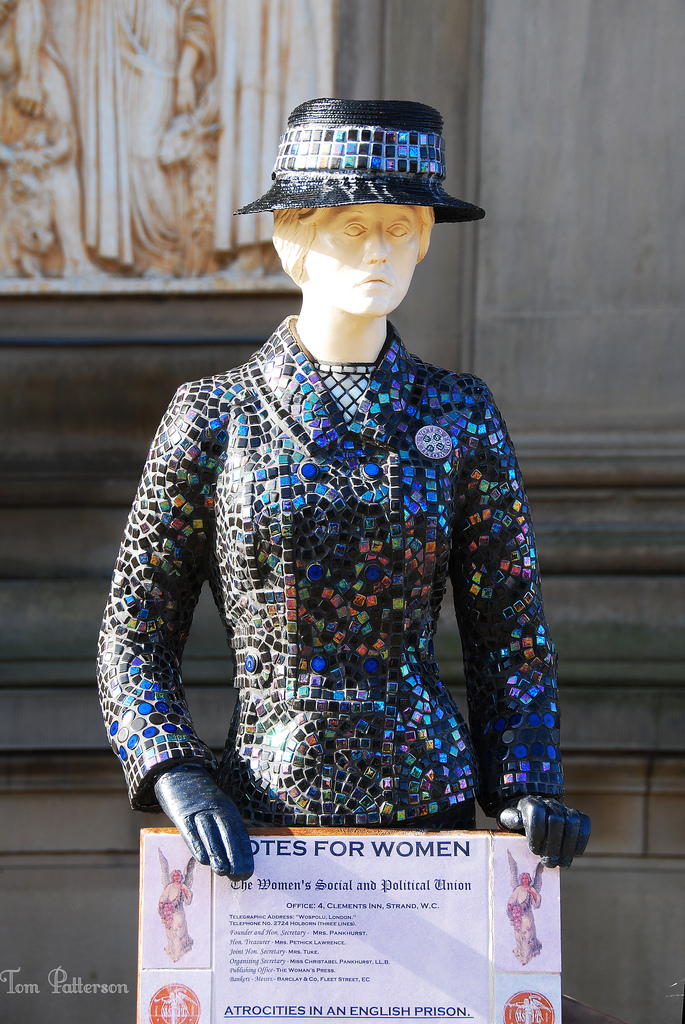
We say, as Christabel Pankhurst, one of the suffragettes, said, ” Remember the dignity of your womanhood. Do not appeal, do not beg, do not grovel. Take courage, join hands, stand besides us, fight with us.”

Bread and Roses, the song of women’s struggles, says”As we come marching, marching, we battle, too, for menFor they are women’s children and we mother them again”

Maternity and gynaecology remain a key focus for the Save Liverpool Women’s Hospital Campaign. Please refer to our other posts for more information on this topic.

We can do this!

Working together, experienced and new campaigners, we can gather experiences from the NHS, including those of patients, staff, unions, families, communities, and campaigns.

We each care about the NHS for our own reasons. Some because the NHS has saved their lives or loved ones’ lives, some because of the failures in the NHS, and some because they can see that things could be so much better.

You can and should be allowed a say in how the country organises healthcare. The big corporations that are trying to privatise it don’t want us to have a say, but that’s no reason to be silenced.

We are campaigning for just and effective health economics, as well as the politics of health. This is not the same as practising medicine or providing individual healthcare. That requires qualified professionals, but those professionals are not the arbiters of how a country organises its healthcare. That is a political decision, one to be made, in a democracy, by the people.

Even the World Bank says, “Investing in health is one of the most powerful drivers of economic growth and job creation“.

Modern cities require both public health measures and healthcare for their residents.

Public health is the science and art of preventing disease, promoting health, and prolonging life for the entire population, focusing on collective well-being rather than individual treatment.”

Without good public health systems, terrible illnesses rip through the population, as happened in 19th-century London, where even Prince Albert, the husband of Queen Victoria, died of typhoid. Other diseases like Cholera and tuberculosis, smallpox and scarlet fever attacked some of the rich as well as many of the poor. Providing healthcare only for the rich did not protect even the rich. A system of universal healthcare is necessary.

This blog discusses how the UK’s healthcare system is being damaged and how to restore, repair, and rebuild it. It is essential to note that poor housing, polluted air, inadequate food, poorly heated homes with damp and mould, and traffic pollution, as well as a lack of access to green spaces and workplace dangers, including stress and low wages ( the social determinants of health), all contribute to illnesses. We support campaigns for good housing, good food, cleaner air, and decent childcare.

Countries choose from different forms of healthcare. A very few countries leave it to people’s ability to pay and let the rest go hang, much like the UK before the NHS was established. They are mainly in very poor or war-torn countries. Before austerity, the World Bank and other international institutions imposed “structural adjustment” on poorer countries, which damaged healthcare and education. The damage is serious. The UK was severely damaged by Austerity, as other countries had been damaged previously by structural adjustment. This was a political decision of the government. The UK had a choice in this that was not shared by poorer nations

The UK, was the  economy hardest hit by Austerity, and it was the poor that were hit, not the rich; “Overall, austerity measures resulted in about 190,000 excess deaths, or a 3% increase in mortality rates, from 2010 to 2019, including many ‘deaths of despair‘.”

The world is off track to make significant progress towards universal health coverage (Sustainable Development Goals (SDGs) target 3.8) by 2030. Improvements to health services coverage have stagnated since 2015, and the proportion of the population that faced catastrophic levels of out-of-pocket health spending has increased continuously since 2000. This global pattern is consistent across all regions and the majority of countries.”

So political decisions directly affect healthcare.

Health care systems are essential in urban culture, where people live close together and share water sources and drains, as diseases spread too easily.

Some countries (not many) have a fully commercial model of healthcare designed for profit. Because this cannot be easily implemented in an urban environment, the government has to step in and subsidise it for certain groups of people. ( mainly the poor) Some are still left outside the safety net. The USA uses this model of healthcare. It is a cruel and costly model, but highly profitable. It is the system from which many advisers to our Government come; companies involved in the US system are deeply involved in ours. These corporations are exploiting the money that voters think is going to our healthcare. It should not be going to profit.

The US government pays significantly more per person for healthcare than the UK pays per person, and its people don’t all receive coverage; they must also pay for insurance in addition to the government’s contribution. Much of what the US government spends on healthcare does not go to patient care, but rather to insurance companies or healthcare corporations. The NHS model is the most cost-effective, but it generates less profit for large health corporations.

Some countries (like France) have compulsory health insurance with co-pays. Co-pays are where the patient bears some of the treatment costs, and the insurance company covers the rest. This system too has its own problems. It does provide universal coverage; everyone can, in theory, access healthcare, and the nation’s health is good.

Ireland has a complex mix of charges and insurance. People can get some of the fees they have to pay back from the government. Ireland has some excellent outcomes in its health care. “Life expectancy at birth in Ireland was higher than the EU average in 2021, at 82.4 years”

These mixed systems are costly to both individual people and the government.

Even in France’s system, people are employed to administer the insurance and verify it against the hospital charges. Insurance companies and hospitals require numerous administrators. This is money that could be directed to patient care and is, in fact, so directed in the original NHS system.

The UK in 1948 chose the universal public service model on which the NHS is founded. We campaign for a return to the original NHS model. This model is both cost-effective and efficient, and it allowed the system to be recognised as the best in the world in 2014. Since then, privatisation, along with the introduction of a business model, competition and cuts, has seriously damaged our healthcare.

Employees, lobbyists, and consultants secure advisory or leadership roles in government bodies and then move back to the private sector. Meanwhile, senior government officials and former ministers take their inside knowledge and contacts to organisations and sectors that do regular business with government.

The damage to healthcare in the UK during the years of austerity, privatisation, and the ICB system is very well described here by Deborah Harrington from Public Matters. Deborah is a long-term supporter of our campaign.

Please do get involved or continue to be involved. We can win this, but it will necessarily require the involvement of thousands of ordinary people.

There are many different but linked NHS campaigns. Please contact any organisation you might like to work with, and get involved.

Save Liverpool Women’s Hospital; email us at savelwh@outlook.com  or reply to this blog post.

https://keepournhspublic.com/about-us/

http://www.thepeoplesassembly.org.uk

Socialist Health Association

Defend our NHS

We Own It

Every Doctor

Many trade unions work hard on the issues around the NHS, but would welcome activists to do more. Please contact us if you would like to learn more.

Getting more involved can be:

*learning more, sharing your knowledge, or experience,

*talking to people about the NHS

*helping get information out to others,

* organising events, working together to get communities interested,

*getting people interested in the workplace,

*making it clear to politicians that we won’t tolerate unnecessary deaths and suffering any longer.

So, what will the Save Liverpool Women’s Hospital Campaign be doing, opposing or protecting, in the months to come?

• Campaigning to save Liverpool Women’s Hospital and exposing the extent of the national Maternity crisis. For more information, please refer to our other blog posts.

*Campaigning against the Winter Crisis. The winter crisis is going to be grim, as people are already kept on trolleys in corridors for days. We must build the protests about this. Last winter, delays in treatment in unsuitable situations resulted in many lives being needlessly lost.

*Staff shortages and the pressure on hospitals to make redundancies.

*The ongoing plans to bring more American-style privatisation into the NHS.

Ordinary people must begin to discuss the running of the NHS as if it were indeed their business, and their right. We must remember how we won the NHS and apply those same campaign tactics to win it back.

What would it look like to restore the NHS?

People would be able to get good healthcare more easily.

Migrant charges, which cost so much to implement and bring in less than they cost, would be abolished.

The NHS would once again be a national public service, publicly owned and delivered by people employed in that service. It would be based on cooperation, not competition, between different hospitals.

This model of healthcare provision is much less expensive for the government than the American model. Yes, the American system, where people have to pay huge healthcare premiums, still costs the US government twice as much per person as the NHS costs.

If the NHS were restored, all the privatisation introduced by the 2012 and 2022 Health and Social Care Acts would be reversed. No outsourcing, no privatisation, no use of US models of companies making a profit from our healthcare, no more big US corporations advising on how to run the NHS. No more donations to politicians from private health companies. No more movement of key people between lobbying, working for the private health sector and working in the NHS.

No more substitution of less qualified staff for highly trained professionals.

It would go back to the founding principles of the NHS. Those principles are;

Keep Our NHS Public also wrote that the founding principles included

 The NHS as a comprehensive service, universally available, based on clinical need, free at the point of need, and funded through collective contributions.

◼︎that it should be comprehensive – meet the needs of everyone;

◼︎that it should be universal – free to all at the point of delivery to access GP consultations or hospital treatment;

◼︎and that it be based on clinical need, not ability to pay.

We would add that, over the years, building a highly educated and reasonably well-paid workforce was a core part of the NHS. Now, many hospitals do not even pay the living wage, and qualified doctors have no post; nursing and midwifery students are graduating with no jobs to go to (there has been some movement from the government on this, but not a satisfactory resolution).

Campaigns do have an effect. Women got the Vote, we got the NHS, we got equal pay for equal work, we won abortion rights, we stopped the poll tax, and more, all from campaigns and through working together.

It is vital that more people feel confident discussing the NHS with their friends, family, and workmates. It’s very common in the US to discuss the healthcare system; we also need to discuss our system, not just the damage it has sustained. We don’t have to be doctors, nurses, or midwives; we just have to be people.

What would it mean if the NHS were repaired?

Then funding would be improved, and waste that now occurs through privatisation would be redirected into front-line care.

We would begin to recruit enough doctors, nurses, midwives, other health professionals, and ancillary staff to levels that at least match those of other wealthy European countries.

We would have many more hospital beds.

Staff and patients would have more say in the running of the services.

GP services and the entire Primary Care service would be improved.

Public health services would be improved; The Lancet reported that “Public health grant allocations in England have been cut by 24% in real terms per capita between 2015–16 and 2021–22.”

Staff working conditions would be improved, and workload pressures would be eased.

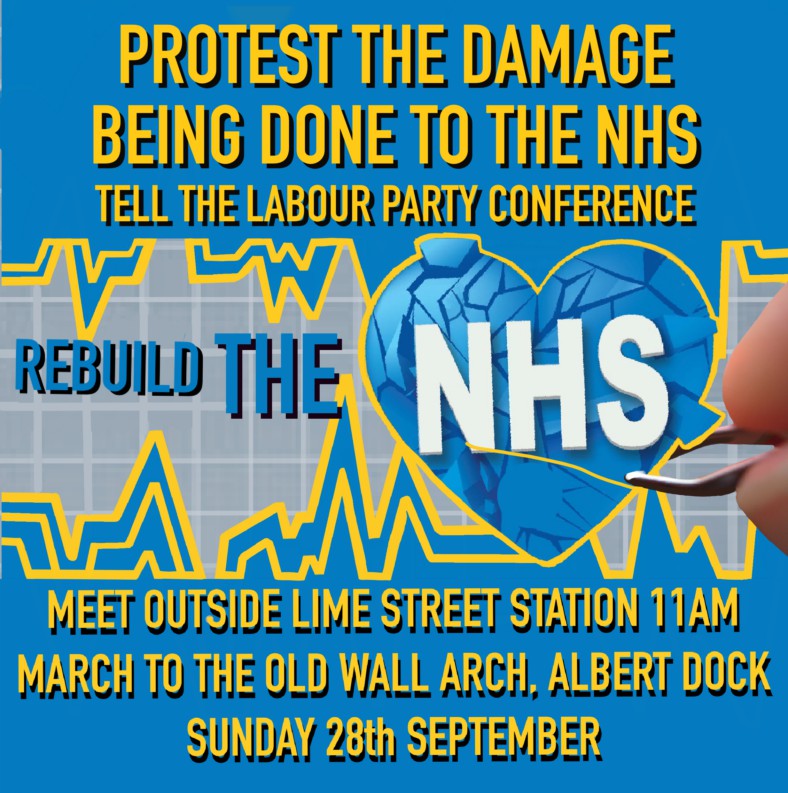
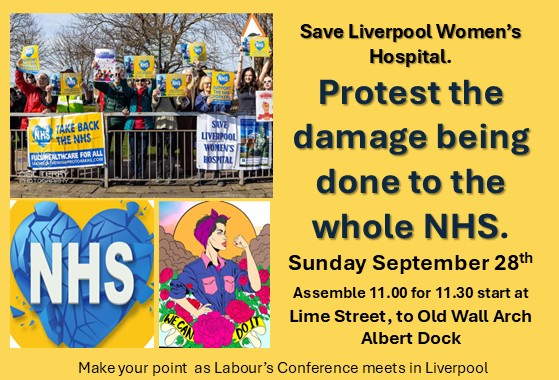
Protest the damage being done to the NHS on September 28th In Liverpool!

Protest the damage done to the NHS. The NHS belongs to the people. It should be a public service, not used for private profit. The NHS should be well-staffed and well-funded, with all government NHS funds allocated to patient care, staff, and resources.

Protest that the NHS should be fully restored and repaired. No more cuts, redundancies or long waiting lists! Improve Maternity services, restore the GP and dental services.No cuts or hospital closures. We protest the damage done to the NHS and demand complete restoration and improvements in the NHS, for all our mothers, daughters, sisters, friends, lovers and every baby.

The threats to Liverpool Women’s Hospital are part of the general NHS cuts.

Please join us in this protest on 28th September in Liverpool. As the suffragettes said

Do not appeal, do not beg, do not grovel. Take courage, join hands, stand besides us, fight with us.”

We are protesting on 28th September when the Labour Party comes to Liverpool for its party conference.

Dr Tony O’Sullivan, Co-Chair of Keep Our NHS Public and retired Consultant Paediatrician, said:

“We’re on the brink of disaster. Everyone knows the NHS urgently needs rebuilding—from staff morale and workforce numbers to crumbling buildings and outdated equipment. Everyone, it seems, except the Labour government.”

It is not just Maternity and Gynaecology care that we fight for; we fight for the whole NHS. Excellent life-saving and life-improving care is delivered day in, day out, by the NHS. Some of it is groundbreaking care, and some of it is more routine. NHS staff work hard with great skill and good humour. Pay the staff well. NHS staff should not need food pantries.

Mary Bamber One of Liverpool’s Campaigning women from a century ago.

We say “No! to another winter crisis in our hospitals!” Prepare properly, organise the staff resources and the space now! The Government must provide the funds.

picture credit The Guardian (Nottingham Hospital)

The NHS is ours; it belongs to the people.

The NHS  is a legacy from the generation that defeated fascism. A legacy from the women who fought for healthcare for mothers and babies throughout the early 20th Century, often while they also fought for women to have the vote, and it’s a legacy all the women who have fought for our rights since then.

The NHS is a legacy of the trade unions that had set up mini-healthcare systems in mining villages, as well as the unions that demanded universal healthcare. The RMT union has helped publish accounts of how railway workers suffered before the NHS was established. The socialist doctors, some from Liverpool, helped shape early Labour Party policy on health. What would they say about the situation we are facing now with a Labour Government doing such damage?

The NHS is a legacy from those who elected the 1945 Labour Government that set up the NHS, while the country was in staggering debt from World War 2. That Government answered to working-class people, improving their lives, not worsening them.

The NHS is a testament to the countless hours of work that doctors, midwives, nurses, and all NHS workers have dedicated to the service, far exceeding their paid hours in both good times and challenging times.

Yes! We can afford the NHS.

This Government’s excuse is the level of national debt. When the NHS was founded, the UK national debt (from war expenses) was 230% of GDP. Today, it is 95%. It is bad for people and bad for the economy to deprive us of good healthcare.

The NHS was founded to be a universal public service, publicly provided and not for profit. The National Health Service provides healthcare to (most) people in the UK, free at the point of need. It is funded by the Government, like other major services.

The NHS faces major cuts and a long process of privatisation, and the use of NHS funding for private profit. Despite facing understaffing, staff redundancies, underfunding, and crumbling buildings, resources are being diverted to profit private companies, including some very unpleasant ones like Palantir.

No one using the NHS faced bankruptcy or denial of services because of medical bills or lack of medical insurance.

There are many ways to reduce the cost of healthcare, starting with better housing, food, access to heating, insulation, and air quality, all of which contribute to keeping people healthy. However, in 2025, we also need investment in healthcare.

We demand an end to poverty. Maternity Action reported from a survey of women on Maternity leave (with a little baby in the house) that:

  • One in 10 (10%) of mothers who were using infant formula struggled to afford it. One in four (27%) had cut down on food for the rest of the family in order to buy formula milk.
  • Nearly three in five (57%) had reduced the number of hours they heated their home.
  •  Nearly two in five (39%) had reduced use of electrical appliances.”

Yet most of these mothers had occupational Maternity pay, not just the very minimum the state provides.

UK Maternity services are suffering.

Black Asian and women in the worst off areas re more likely to die in childbirth, or to lose their babies. Liverpool women’s health is set to deteriorate until 2040.

In the 21st Century, the world has made great improvements to Maternity care. In the UK, our maternal and infant mortality rates have worsened while those in other countries have improved.

NHS Maternity is 17th out of 19 comparable countries in infant mortality.

Maternal Mortality is rising, despite fewer births.

The North of England and Black and Asian communities are suffering the worst in infant mortality. In 2022, the UK ranked 19th out of 22 comparable countries, and that has not improved since.

Years of austerity and government cuts have done massive damage to maternity care. Women’s health, life expectancy, and life in good health have all suffered and more so in the UK than in other European countries

What does the NHS do in 2025?

In July 2025, it was reported that each day the NHS provided:

  • Over 1.3 million people attend a GP appointment.
  • Outpatient Appointments: Over 304,000 people attend an outpatient appointment.
  • Emergency Services: Nearly 35,000 people call 999 for an ambulance.
  • Major A&E: Nearly 46,000 people attend a major A&E department, with about a third of these patients admitted to hospital.
  • Community Healthcare: Over 288,000 people receive community health care services.
  • About 1,688 babies are born in England each day,

The NHS is cost-effective and available free at the point of need (to all but migrants, which is cruel and not cost-effective). However, the NHS lags behind other countries’ health systems in the following ways.

  • A lack of key resources, including the number of doctors per head of population, the number of hospital beds, and the waiting times for treatment.
  • Important health outcomes, such as certain cancers and life expectancy, are worse in the UK.” By 2023, the UK female mortality rate was 14% higher than the median of peer countries, and the UK male mortality rate was 9% higher.”
  • Public health issues include housing and food poverty, as well as cutbacks in Public Health Services that work to prevent and control disease. “A report from the UK charity the Health Foundation reveals that public health grant allocations in England have been cut by 24% in real terms per capita between 2015–16 and 2021–22.” 

Founded 77 years ago, the NHS fundamentally changed the lives of women, children, and the poor for the better. NHS care outstripped the care previously provided in private hospitals, and the NHS was used by rich and poor, young and old, black, white and brown alike.

Why should we put up with cuts, underfunding, understaffing, and the service being asset-stripped by privatisers?

Every family is affected by the NHS from before conception to the grave. It is with us at our happiest, our most anxious and our saddest times. NHS care affects how long and how well we live.

Grim times for the NHS.

After decades of cuts, privatisation, and money-wasting schemes, such as PFI and Sub Cos, we were promised change for the better, but it has not happened. Could this have to do with the huge donations ministers have received from private health corporations?

We say.

  • Restore the NHS as a fully funded universal public service, publicly delivered and government-funded.
  • Kick out the privatisers and profiteers.
  • Fund patient care to equal the best in Europe.
  • Provide the necessary staff. Improve staff pay and conditions. The NHS should be a good place to work, offering good pay, manageable workloads, and time for staff to think.
  • Fund the repairs and replacement of the necessary buildings to ensure good, timely care.
  • Don’t fund private healthcare or dubious global corporations that are there to make money and make donations to politicians. Pumping money into the private sector damages patient healthcare.

Our findings show that the private sector is now substituting for, not adding to, NHS capacity.”

The UK is a very rich country and the rich are getting richer while poverty spreads. It can afford healthcare for all. Indeed, providing universal healthcare is a major investment in the country’s health, wealth and well-being.

image from Statista

The damage done to the NHS over the last few governments is massive. This Government is causing ongoing harm by reintroducing some of the most costly and wasteful (yet profitable for big companies) ideas, such as PFI and Sub Cos.

The (near) universal, free-at-the-point-of-need system in the NHS is an excellent national investment. It gives a good return on the money invested. The cost of collecting fees for health care from migrant workers often exceeds the amount collected.

No solution exists in the US model, regardless of how many government advisers come from that sector. There is a much pushed argument that we can’t afford the NHS, and we should move towards the US health system.US health system corporations are definitely getting claws into our NHS, and they only do that for profit.

In the USA, the Government pays twice as much per person for healthcare. Yet this leaves millions without treatment if they cannot afford the additional insurance. When families can afford health insurance, that insurance can cost as much as their mortgage. Most healthcare plans cover 80% of the cost of care, with the patient paying the rest. What if the 20% is 20% of a very costly treatment like cancer care? One hundred million US citizens owe $220 billion in medical debt. Medical debt can wreck their credit rating and stop them from being able to rent or buy a car on credit.

The USA’s health outcomes are among the worst in the Western world. Maternity and infant mortality are shameful. “The U.S. has the lowest life expectancy at birth, the highest death rates for avoidable or treatable conditions, the highest maternal and infant mortality, and among the highest suicide rates.”

In the UK, we need the Government to;

Reverse privatisation of the NHS in all its  many forms

Provide much better funding and staffing in Maternity.

Provide safer, respectful,  personalised care for all mothers and babies at every stage of Maternity care.

Bring back quality postnatal care in the hospitals and in the community.

Tackle maternal poverty and food poverty.

End the contract with Palantir,  one of the most notorious companies in the USA.

Ban UK politicians from accepting funds from private health corporations or individuals connected to private health or private health insurance.

Fund the NHS to at least good European levels, with all that funding going to the NHS  patients, staff, equipment and buildings, not to private companies.

Provide more hospital beds.

 “The NHS has a shortage of hospital beds, with occupancy rates consistently exceeding safe levels. The UK has 2.4 beds per 1,000 people; Germany has 7.8 beds per 1000 people. This shortage of beds leads to corridor care”.

Develop a proper workforce planning system, make sure doctors, midwives, nurses and other health professionals have jobs to go to when they qualify. Provide a fully qualified workforce.

Repair our GP service. High-quality healthcare at the GP level should be easily available to all. It is the foundation of good healthcare.

Employ the unemployed GPs. End the power of private companies to buy and run GP practices.

Repair the fabric of our hospitals, clinics and GP surgeries

Bring mental health fully back into the NHS.

Bring dentistry back into the NHS. British Dental Association (BDA) analysis of the data found that nearly 14 million UK adults are unable to access NHS dentistry. 

Tackle the waiting lists; don’t fund second-class care in the for-profit sector.

We all need the NHS

From assisted fertility (where needed), to antenatal care, maternity care at birth through postnatal and early years support, through childhood and adolescence, through until old age, the NHS is there to support us. We can all use NHS services, whether in accident and emergency, planned (elective) care, the GP service, mental health services, public health or care in the community. Few are lucky enough still to use NHS dentistry.

If you are younger than 78, you should never have needed to pay for hospital or GP services.

Charges crept in even before austerity for teeth, spectacles, prescriptions and social care. Margaret Thatcher started privatisation in 1982. Her Central Policy Review Staff (CPRS) plan would dismantle the welfare state, scrapping free universal healthcare, forcing people to take out private insurance and charging for education. The CPRS report said, “for the majority the change would represent the abolition of the NHS.” She backtracked when she saw the opposition. She outsourced hospital cleaning, which led to a rise in hospital-acquired infections. Yet even she hesitated to touch the NHS, but later governments have done significant damage.

Social care for our elders was privatised and has become very expensive for individuals and families, unless the NHS pays for it under continuing care. If Social care had been fully nationalised, such payments, either by individuals, families, or the NHS, would not be needed. We would not have been subsidising the profit of hedge funds. Most care homes are private, and many are owned by big business and are very profitable. Much of this profit comes from fees paid by the NHS, local authorities and families. These huge profits are not reflected in the wages paid to staff.

The care provided in our NHS is, many times, excellent, life-preserving, innovative and respectful. NHS staff work hard and often very cheerfully.

Sadly, decades of austerity, privatisation, and mismanagement have caused severe damage to our service.

The 1945 Labour Government founded the NHS. There was hope that it would be improved when Labour won the last election, but we see ongoing damage. Don’t let the damage continue. Save lives—protest for the NHS.

Protest to build a movement like the suffragettes so big the governments are obliged to take action. If enough of us do something about the NHS we can build an unstoppable movement

The many reports on the crisis in maternity in the NHS: Update December 25

First posted in June 2024. This post has been updated on August 21st 2025, and again after Valerie Ann Amos’ interim report was published on December 9th 2025.

These two paragraphs, highlighted in yellow, were written after the publication of the interim Amos report. Our comments on Amos’ report are at the end of the post. At the heart of our campaign, and of other such campaigns around the country, is the wish to make Maternity a healthier and happier experience for mothers and babies. We mourn those whose lives have been lost, we send sympathy to those who have been injured, physically, mentally or emotionally, to those caring for injured babies and children and those who have been bereaved. We also care for the staff who have been worn out in trying to make an under-resourced service as safe as it can be.

The people in government, in the top bureaucracy of the NHS and administering trusts, who callously left the service without resources and oversaw the damage as it was being done, must be removed from positions of authority.

Original post

We have been asked to publish this list of the key reports on Maternity issues in the NHS, so they are easy to find. Please let us know of any other reports you know about that we might have missed.

No government can pretend they don’t know about these reports. The campaign for better Maternity care is growing.

These are the many reports on the problems in Maternity care in the NHS. We have provided links to the actual reports and only a brief commentary on some of them.

1. Care Quality Commission 2022/23. There was an update in 2024. It is well worth a read. This is one part of it.”We are concerned that too many women are still not receiving the high-quality Maternity care they deserve. Of the 131 locations we inspected, almost half (47%) were rated as either requires improvement (36%) or inadequate (12%). At 12 locations, ratings for being well-led dropped by 2 ratings levels, and at 11 locations, ratings for being safe dropped by 2 levels.”

The CQC are also quoted in the BMJ report as saying, under the heading Acceptance of Shortfalls:

On the basis of these findings the CQC has set out recommendations for NHS trusts and integrated careboards, including ensuring that they are collectingthe right demographic data and then using such datawhen reviewing and acting on patient safety incidents. The regulator has also called on NHSEngland to work with the Nursing and Midwifery Council and the Royal College of Obstetricians and Gynaecologists to “establish a minimum national standard for midwives delivering high dependency Maternity care.” It urged the Department of Health and Social Care to provide additional, ringfenced funding for Maternity services. Nicola Wise, CQC director of secondary and specialistcare, said, “Sadly, our latest maternity inspection programme has further evidenced the need for urgent action, with continued problems indicating that the failings uncovered in recent high profile investigations are not isolated to just a handful of individual trusts.” and “We cannot allow an acceptance of shortfalls thatare not tolerated in other services. Collectively, we must do more as a healthcare system. This starts with a robust focus on safety to ensure that poor care and preventable harm do not become normalised and that staff are supported to deliver the high quality care they want to provide for mothers and babies, today and in the future.”

2. Donna Ockendon Donna Ockendon produced the Shrewsury report and has gone on to do more. This interview with Donna Ockendon is useful too, especially the last section. This interview is also informative. Donna Ockendon is working on a report on a long review of Nottingham’s Maternity services. This video from Donna Ockendon explains some of it.

3. Bill Kirkup

4. Morecambe Bay,

5. Maternity Services in England House of Commons Health and Social Care Committee

6. Birth Trauma report, the debate in the House of Commons, and the published report, May 2024.

7. Report on the quality and safety of  Maternity services

8. Saving Babies’ Lives Report

9 2023/MBRRACE MBRRACE is a fundamentally important review published regularly.

10.http://www.keepthehortongeneral.org/docs/KTHG-Births-Dossier-v2024-2.pdf (Thanks to Jenny Shepherd for sharing)

Updated August 21st 2025

11. There is a summary of many reports on Maternity safety from the House of Commons Library here.

12. There was a worrying report from the CQC about Maternity services in Leeds General Hospital in 2024. There was also concern reported about the neonatal unit. A later 2025 report indicates some improvement, but still requires an improvement report.

13. The government has announced on June 23rd 2025, a rapid enquiry into Maternity Safety following meetings with bereaved parents. This is the announcement.

14. The Health Services Safety Investigations Body produced a summary in advance of the government’s proposed rapid enquiry. It can be found here.

15. Then there was the announcement of the name of the leader of the enquiry.

16 Meanwhile, the government will investigate ten Maternity services that are causing concern. Then there will be a system-wide investigation. This is the relevant document. The different responsibilities of the task force and the investigation have yet to be clarified. The bereaved parents, who met Wes Streeting, wanted an investigation by someone outside the NHS, which is why Baroness Amos was appointed as someone independent of the NHS. Baroness Amos is a Labour member of the House of Lords and has had many responsibilities, including being the first black woman cabinet member. Baroness Amos delivered a speech on women’s health, with a particular focus on black women’s health, in the House of Lords on International Women’s Day 2024.
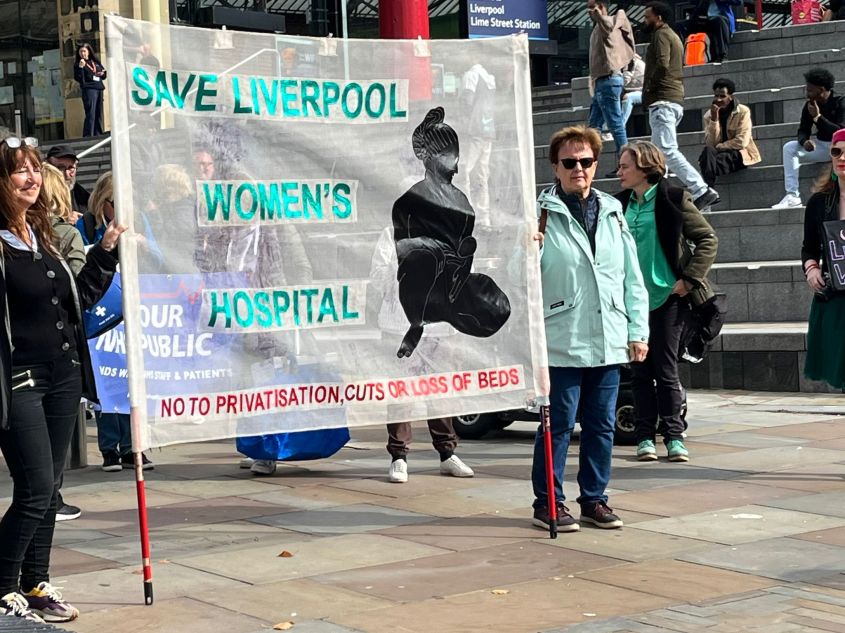
17. This from the BBC about the recent coroner’s inquest into Ida Lock’s death sums up many of the reports.

18. Though not directly related to Maternity, this report on Women’s Health, published in Parliament in March 2025, is also important.

19. The particular risk to black mothers was reported in 2023 in Parliament. There are campaign groups on this issue, including https://themotherhoodgroup.org/, and FiveXMore have produced a detailed report and recommendations, well worth a read.

20. A report was published in The Lancet in May 2024 by Nicola Vousdennicola.vousden@npeu.ox.ac.uk,∙ Kathryn Bunch, ∙ Sara Kenyon ∙ Jennifer J. Kurinczuk, ∙ Marian Knight, on the particular risk to black women reported this; “There were 801 maternal deaths in the UK between 2009 and 2019 (White: 70%, Asian: 13%, Black: 12%, Chinese/Other: 3%, Mixed: 2%). Using the routine data comparator (n = 3,519,931 maternities) to adjust for demographics, including social deprivation, women of Black ethnicity remained at significantly increased risk of maternal death compared with women of white ethnicity ( our emphasis )(adjusted OR 2.43 (95% Confidence Interval 1.92–3.08)). The risk was greatest in women of Caribbean ethnicity (aOR 3.55 (2.30–5.48)). Among women of White ethnicity, risk of mortality increased as deprivation increased, but women of Black ethnicity had greater risk irrespective of deprivation. Using the UKOSS control comparator (n = 2210), after multiple adjustments including smoking, body mass index, and comorbidities, women of Black and Asian ethnicity remained at increased risk (aOR 3.13 (2.21–4.43) and 1.57 (1.16–2.12) respective 22. The Royal College of Gynaecology produced a position statement on poverty and women’s Health, including the impact on Maternity.“Poverty (lacking financial resources to meet needs) and deprivation (lacking many resources,including those that shape our health), can have a significant health impact across women’s lives.
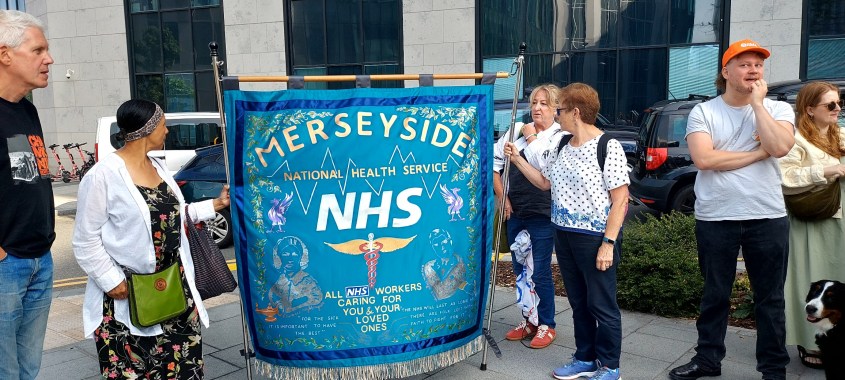
This includes cutting lives short. Across the UK, women living in the most deprived areas have a life expectancy many years shorter than their least deprived counterparts.
In England, the disparity in female life expectancy between the most and least deprived areas is eight years, with those from the most deprived areas also living 20 years fewer in good general health.
Similar disparities are found in Scotland, Wales and Northern Ireland.

21. NHS England » Maternity and neonatal infrastructure review findings

This report on the buildings used for Maternity and Neonatal care is shocking. In some places, the birthing rooms are too small to accommodate emergency equipment. The very fabric of the service is substandard. Again, this is a government report, so the politicians know what’s going on and are letting it happen.

The Amos interim report, December 9th 2025. It is essential to point out that while some of these issues may well apply to Liverpool Women’s Hospital, these criticisms are not directed at it. There is good practice at Liverpool Women’s Hospital on some of the issues mentioned below. Liverpool Women’s Hospital is not one of the hospitals being studied in this report. But we fight for all Maternity services, not just Liverpool Women’s Hospital.

This is the complete PDF of the report from the Health Service Journal; this is the only link we can find.https://www.hsj.co.uk/download?ac=3072065

Valerie Ann Amos’ interim report includes these statements.

“..nothing prepared me for the scale of unacceptable care that women and families have received, and continue to receive, the tragic consequences for their babies, and the impact on their mental, physical, and emotional well-being.

While the issues I have heard about through this engagement have been extremely varied, there are a set of issues which I have heard about consistently. These include:

  • a lack of communication and support from clinical teams and organisations
  • women not being listened to or given the right information to make informed choices at critical moments of their care as risk profiles change
  • women’s knowledge of their own bodies and important information essential to clinical decision making about their care, such as reduced fetal movement, sometimes being disregarded
  • fathers and non-birthing partners feeling unsupported
  • the desire for a more holistic approach to care across a woman’s maternity and postnatal journey, with maternity and neonatal teams working together to maximise good outcomes for women, their babies and families
  • the impact of discrimination against women of colour, working-class women, women with mental health challenges and younger parents, leading to poorer outcomes
  • a lack of empathy, care or apology, both as part of clinical care and after things have gone wrong, with women feeling blamed and guilty; a lack of recognition from staff when care is not delivered to the correct standards
  • lack of family engagement in reviews of care and feedback of review reports
  • an overly legalistic, adversarial approach when concerns or complaints are raised
  • the failure of regulatory bodies to protect vulnerable women and families and the perception of health professionals and organisations ‘marking their own homework’
  • failure to address poor behaviour, including the use of inappropriate language when communicating with women, families and non-birthing partners
  • the length of time autopsy reports take to be produced, delaying families from being able to fully grieve for their children
  • poor standards of basic care, such as lack of cleanliness, women and non-birthing partners not receiving meals, women not being helped to use the bathroom, and catheters not being checked or emptied
  • women and families finding it difficult to access their medical notes (and notes being redacted or observations filled in at a later date)
  • birth plans not being read or followed, leading to women not being cared for in the way they wanted or had agreed, as well as having to repeat their wishes multiple times
  • women and families being placed in inappropriate spaces after loss or harm, for example, being put on wards with newborns after they have experienced a loss
  • the impact of different philosophies around birth and pregnancy on women’s experience and ability to make informed choices
  • having to work with multiple contacts when a baby dies, with issues arising from information not being shared sufficiently between different services
  • the lack of recognition of, and support for, the long-term impact that these negative and traumatic experiences of services can have on families, for example: family breakdown; long-term impacts on the mental health of women and families; support for raising children with lifelong disabilities; bereavement care; participation in reviews or investigations; joint planning of complex care; and the need for neonatal unit accommodation and transition care
    I have also heard from some families about the high-quality, compassionate care they have received.

The staffing levels and the spaces in which the care is delivered are not mentioned. This is important; if ignored, problems will persist. Stephanie, one of our retired midwife campaigners, said, “You get one chance to deliver a baby safely. There are no reruns or repeats. The accoucher must get it right every time. To do so, the midwife must be supported by her colleagues, midwifery management and work within a fully safe environment. Alas, with the fragmentation of our NHS, top down draconian management, our mothers, their babies and our midwives are give short shift and they become the victims of often tragic circumstances. There is a woeful shortage of skilled midwives. Anyone can deliver a baby but it takes a skilled midwife to do so day in day out safely and with professional accountability.

We are also concerned about the speed with which some of the hospital visits in the enquiry are planned. The report says

For the remainder of December 2025 and in January 2026, the programme of site visits to hospital Trusts will continue. The Trusts to be visited are:

Blackpool Teaching Hospitals Foundation NHS Trust

University Hospitals of Leicester NHS Trust

University Hospitals Sussex NHS Foundation Trust

Sandwell and West Birmingham Hospitals NHS Trust

University Hospitals of Morecambe Bay NHS Foundation Trust

This doesn’t seem like an adequate time to gather anything except prepared comments from management. It is more than one hospital a week, and key reports will be published based on these snapshots. What else will be considered?The report does say” We have spoken with frontline staff, who have been open and frank about the pressures they are under, their experiences working in maternity and neonatal services and about the areas that require improvement”

And what will happen to managers who spill the beans about inadequate staffing, inadequate buildings, and the inadequacy of the Maternity tariff? Or criticism of Birthrate+, the tool used to determine staffing levels? Will they have whistleblower protection?

The visits are not the only work still to be done for this report. The author says

I also want to make sure that we are hearing views from staff across the country and am finalising plans for how we will collect this evidence.

The enquiry will also meet a range of people from the NHS hierarchy. Will they also meet the unions and the campaigns?

The latest (still confused and obscured) news about the future of Liverpool Women’s Hospital.

On Thursday, 24 July 2025, campaigners to Save Liverpool Women’s Hospital attended the meeting of the Cheshire and Merseyside ICB and asked a formal question, in writing, of the ICB about when the timeline for the future of the Women’s Hospital would be published:

“There is mention in the papers that a timeline for the next stage of the plans for Liverpool Women’s Hospital has been submitted to the chair of the ICB. When will the public be informed of this timeline?”

We were then promised that the timeline would be published on the website for Women’s Hospital Services in Liverpool.

We want Liverpool Women’s Hospital to remain at Crown Street, with improved funding, staffing, equipment, and cooperation with other hospitals, for the benefit of all our mothers, sisters, daughters, friends, and lovers, and every baby.

This is what the “Women’s Hospital Services in Liverpool” published. Their words are in italics. Our comments are in plain text and sometimes highlighted in yellow.

The NHS is looking at hospital gynaecology and maternity services in Liverpool.

Most of these services happen at Liverpool Women’s Hospital, on Crown Street in Toxteth, which means they are separate from other hospital services, and this can sometimes create issues and delays with care.

The NHS is committed to finding a long-term solution that will improve the quality and safety of hospital gynaecology and maternity services, giving patients the best experience, wherever they are being treated.

Current timeline 

What’s happened so far during 2025

March: Women’s Services Committee received a report into the autumn 2024 public engagement and approved the options process. The Board of NHS Cheshire and Merseyside also received the public engagement report, and it was published on the programme website.

(Our comment: Campaigners attended every meeting of this engagement, and not one of the meetings supported the position put by the ICB team. We produced a detailed rebuttal of their case, which we submitted to them. We are told they have considered the points we made, but no such consideration appears here. Their report continues…

What’s underway now and coming up (future dates still provisional and could change).

May to September 2025 – options process: Local doctors, nurses and midwives, those with lived experience of gynaecology and maternity services (members of our Lived Experience Panel), and other partners, have been coming together in workshops to develop potential options for how services could look in the future. Alongside this, work is taking place to understand what each potential option would mean for estates (buildings), finance and workforce (staffing).  

None of the options discussed in the paragraph above are described or explained. These options are clearly getting out into the community, creating uncertainty and confusion. Why is that? Surely the ICB papers are the formal record of its business, and should include such vital details. The report continues…

July to October 2025: Development of a draft business case for the future of hospital gynaecology and maternity services in Liverpool, including potential options, begins.

October 2025: The Women’s Services Committee to review draft business case.

October to November 2025: Discussions with partners, including local NHS trust boards and local authorities, about the draft business case. At this point we will also start planning for an external review of the draft business case by clinicians from a different part of the country.

November 2025: Draft business case presented to private meeting of Board of NHS Cheshire and Merseyside.

By the end of 2025, we will be in a position to understand the next steps for the programme – it’s likely that we’ll be able to give an update about this in early 2026. It’s important to stress that no final decisions about what services might look like in the future will have been made at this point, and if the decision was to take forward a business case containing potential options, we would then continue with the NHS England assurance process, external clinical review, and planning the public and stakeholder involvement required.

Visit www.GynaeAndMaternityLiverpool.nhs.uk for the latest news on the programme.

End of report.

This long-winded and expensive project, which has cost many tens of thousands of pounds, continues while the hospital and the ICB are desperately short of funds. It leaves patients and the entire community in uncertainty. The real work of improving services at Crown Street is underway at the hospital. In another report to the same ICB meeting, the Women’s Hospital Services in Liverpool report confirmed that ;
Risk 6 – onsite quality and safety – the LWH team has made great progress over the last twelve months, and the score could be brought down, this will be discussed at Programme Board on 21 May 2025.

While the ICB’s process is happening, there is a Maternity crisis in England with report after report describing the grief and suffering involved. The NHS as a whole is underfunded, understaffed, and damaged by privatisation, and if this ICB meeting is anything to go by, it is getting even worse for patients and staff. We will report more of what happened at the ICB in a future post. Much of the rest of the ICB meeting was about further cuts and Cost Improvement Programmes.

The report of the Women’s Hospital services in Liverpool to the ICB in July confirmed that;

Risk 7 – a new risk has been added regarding staff reductions in the NHS and the potential impact on the programme. The programme budget has been agreed, however as the staff reductions are made throughout the year, there could be implications for the programme.

Liverpool Women’s Hospital is the largest Maternity hospital in the country. It is the Maternal Medicine Centre for the wider area, where other Maternity hospitals go for advice on complex cases. It should be well-funded, well-staffed, well-equipped, and well-supported. At the heart of the problems of Liverpool Women’s Hospital are;

1. The underfunding of Maternity across the country, an underfunding that has cost so many lives.

2. Utterly stupid policies, including the 2012 Act, meant hospitals were supposed to compete rather than cooperate with each other. This requirement has technically been removed, but the business model remains. Cooperation between the Women’s and other hospitals was difficult and expensive.

There should be NO staff reductions in this situation, especially as these reports from the same ICB (pages 146-150) from the Women’s Hospital Services in Liverpool Committee confirmed the real poverty many of us who use the hospital currently endure.

Almost two-thirds of maternity bookers lived in the 20% most deprived areas in the country. Our partner hospitals in Liverpool University Hospitals Trust ranked in 2020 as having the most deprived catchment population of any acute trust (NICE and health inequalities, 2025).
“Based on recorded ethnicity and deprivation alone, 70% of maternity bookers 75% of emergency gynaecology admissions
50% of elective gynaecology admissions have at least 1 risk factor for healthcare inequalities…..64% of maternity bookers 71% of emergency gynaecology admissions 52% of elective gynaecology admissions live in the 20% most deprived areas in the country.”(Appendix to Women’s Hospital Services in Liverpool Committee report).
These papers also confirmed the significant gap between the lived experiences of decision-makers and the women using the hospital.

There is a significant difference between demographics and experiences common among senior decision-makers and common among our patients. Designing services for the white and well-off would focus on about 10% of our maternity and emergency gynaecology patients.” (Appendix to Women’s Hospital Services in Liverpool Committee report).

The NHS has a duty of candour. Where is this duty here? The NHS belongs to the people. Why are such contentious discussions not described to the public, if the NHS belongs to us?

More than 81,000 people have signed our petition, to keep Liverpool Women’s Hospital at Crown Street, signed either on paper or online, and thousands have taken part in our protests. We have produced a detailed and comprehensive rebuttal of the ICB’s engagement process.

This is part of the neglect of the NHS and of women’s health services. We demand that the NHS be Restored and Repaired!

Fighting for another seventy seven years of the NHS.

Restore the NHS

It is seventy-seven years since the NHS was founded. It was a gift to the generations that followed them from those who fought all-out war and defeated fascism in World War 2. It made a dramatic difference to the lives of babies and mothers.

Before the NHS, if you did not have the money, you did not get healthcare. The number of babies that died at birth was horrific. In the 1930s, more women died in childbirth than men died working in the dangerous mines.

There were multiple campaigns for a universal health system since the early 20th Century from working-class women’s groups, notably the Cooperative Women’s Guild, and from the trade unions, especially the National Union of Miners, and from socialist doctors. One of these socialist doctors, Dr Benjamin Moore was from Liverpool. He started his campaign in 1910, so thirty long years before the NHS was established. Let’s learn from history and demand a return to the original model of the NHS.

Join our campaigns so you can see better healthcare in your life time and leave such just a legacy for your grandchildren and great-grandchildren. We need a people powered campaign to Restore and Repair the NHS.

Ordinary women led the fight for the NHS. Fight like your great Grandmothers to get better health care.

The NHS is badly damaged at present, and we take little comfort from the government’s liking for giving NHS money to the private providers, nor from the Ten-year Plan announced in early July 2025 https://www.england.nhs.uk/long-term-plan/

We will print a detailed review of this plan shortly.

We are especially disappointed by how little is said about the state of maternity care in this report. We and other maternity and women’s health campaigns submitted reports to this plan, but we see nothing from it except the promise of yet another report. We need action now on birth trauma, the maternity tariff, staffing levels, recruitment and retention of staff, peace and respect in the whole process of fertility, pregnancy, giving birth and postnatal care. We need action on the neglect of Gynaecology treatment and on women’s lifelong health and healthcare,

Governments since Thatcher have moved against the founding NHS model of universal health care in favour of allowing companies to use it for profit; yet the American system which they base their case on, is plain wrong, cruel, and widely hated.

In one stark example, a Facebook post by UnitedHealth Group expressing sadness about UnitedHealthcare CEO Brian Thompson’s death received 62,000 reactions – 57,000 of them laughing emojis. UnitedHealth Group is the parent company of UnitedHealthcare, the division that Thompson ran“.

Let’s ensure that people in the UK now and those yet to come have good and timely healthcare, free at the point of need, as a public service, funded by the state. It should be a national organisation available to all humans, young and old, black, white and brown, rich and poor alike. It should be designed for human good, not profit. There should be well-qualified staff with good education and training, with bursaries and good salaries. The hospitals and community health services should work together and not be in competition. The service should be reasonably close to home with good transport links. Privatisation should become a thing of the past, as it is a waste of public resources. Report after report describes the damage done by outsourcing and privatisation.

The NHS system of health care is cost efficient, and effective, far cheaper for the government than the US system despite the health insurance people pay, and gives far better outcomes, health, and life expectancy. We live longer than people in the US and in less fear of getting ill. US maternal mortality and infant mortality is far higher than that of other rich nations. 

Let’s fight to restore and repair the NHS so the generations that follow us are also free from fear. Bevan’s book “In Place of Fear” wrote of the fear ordinary families had of getting ill, of their children or family members falling ill, before health care was a right, when it was a commodity they could not afford and often did without, in pain and fear. Memories of life before the NHS are fading as the generation that created the NHS has passed.

The founding of the NHS was bitterly opposed by the Conservatives but welcomed by ordinary people and many GPs.

For seventy-seven years, the people of Britain have had the right to healthcare free at the point of need. If you are younger than 77 years old you need never have paid for healthcare, except through your normal contributions to the country. There are now sadly a long list of charges you might now face for dentisty, for prescriptions, for earwax removal, fertilty treatment and more but still not for hugely expensive life saving operations or chemo. Battered and damaged, the NHS is still alive and kicking, and worth us demanding its restoration and repair.

A free health service is a triumphant example of the superiority of collective action and public initiative applied to a segment of society where commercial principles are seen at their worst.”

People in the UK can still go to the doctors or to the hospital without a credit card or health insurance. No one in the UK needs to go bankrupt from medical bills. life saving and life improving work is delivered day by day.

That’s not the way it works in the USA; the model that governments refer to when they want to make changes to the NHS.The model that has trained the advisers the government appoints and the model liked by many who have made donations to Government ministers.

For sixty of those years, the NHS  was the best health service in the world. However, we have had to fight to defend it again and again. That popular defence is needed now more than ever.

Americans camapigning for full health care

Real damage has been done to the NHS since the time of Margaret Thatcher, by her and and subsequent Governments. Although Blair put money into the NHS, he also laid the groundwork for many forms of privatisation. This article gives a timeline of privatisation in our NHS.

5th July 1948, The National Health Service NHS was founded. It was designed to provide healthcare free at the point of need for everyone in Britain. It was to be a national, publicly funded, publicly delivered, comprehensive, not-for-profit health service, with fully qualified staff. This project was led by the Left-Wing Labour MP and Minister for Labour, Nye Bevan, a former miner.

The NHS Model was the most cost-effective, efficient, and equitable system, with the bulk of the money provided by the government going directly to patients, staff, and buildings. In the US system, the government pays twice as much per person as in Britain, and then patients have to pay large insurance premiums and copays.

The NHS  has been badly damaged by years of privatisation and underfunding, from the early days of the NHS. On April 23rd 1951 Bevan resigned when the first charges in the NHS, for prescriptions, were introduced to pay for armaments.

It is likely that governments thought that privatising, disorganising, cutting, outsourcing understaffing and underfunding the NHS would finish it off, that it would fall apart much more than it has done. What stood in their way was the huge and relentless efforts made by the staff to keep the service going, sometimes at the cost of their own health and wealth.We thank the NHS staff .

The cost of the corporate profit model of healthcare is huge, but the damage is not just to people’s money, but also to access to healthcare and to the quality of care. The financial cost to the people of the USA of this privatised for-profit model of healthcare is estimated at $2 trillion per year. In 2023 25.3million people in the USA had no health insurance and are liable for the full cost of their treatment which can lead to bankruptcy. Sixty percent of all bankruptcy is caused by medical bills and Trumps Big Beautiful Bill which just went through the senate is likely to increase the numbers without health insurance and funding for hospitals.

Our campaign to Save Liverpool Hospital is one of many across the country, and we work together. We have won more than 81,000 signatures between our on line and on paper petitions, and gained much public support. Please join in.