Tag: pregnancy

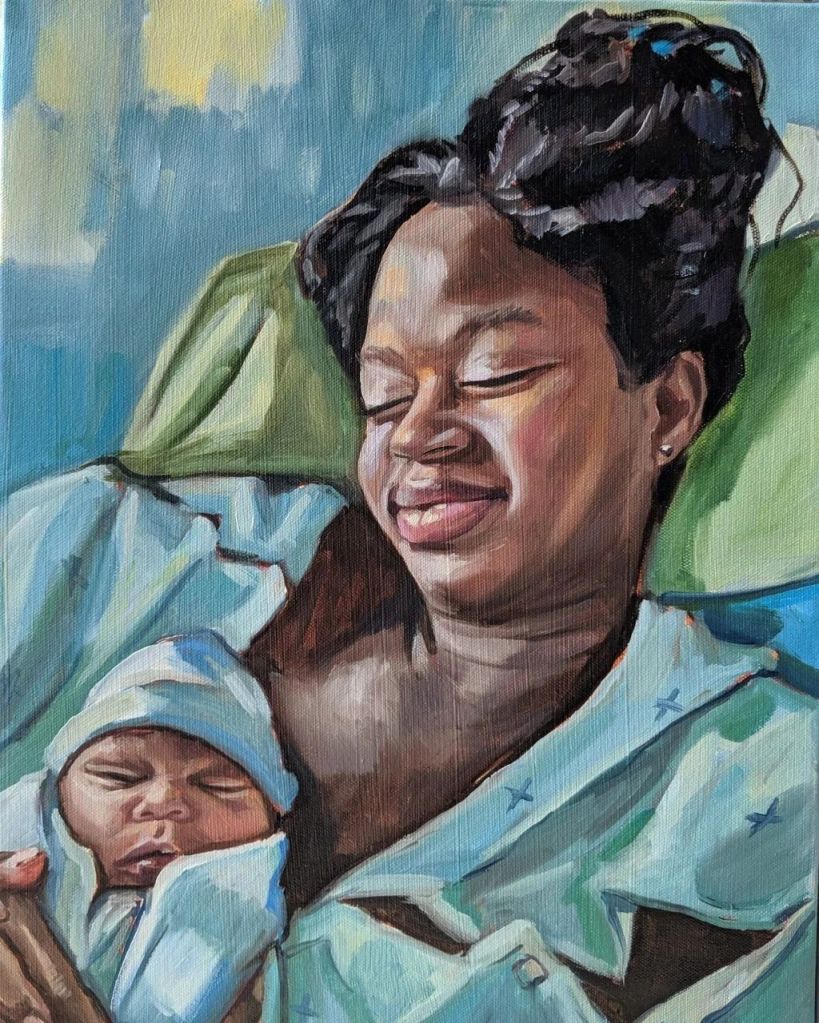
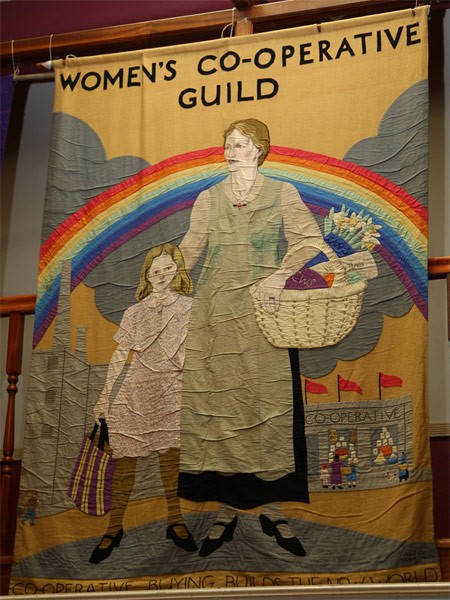
We can do it!

Thanks to Anjali027 for this picture.

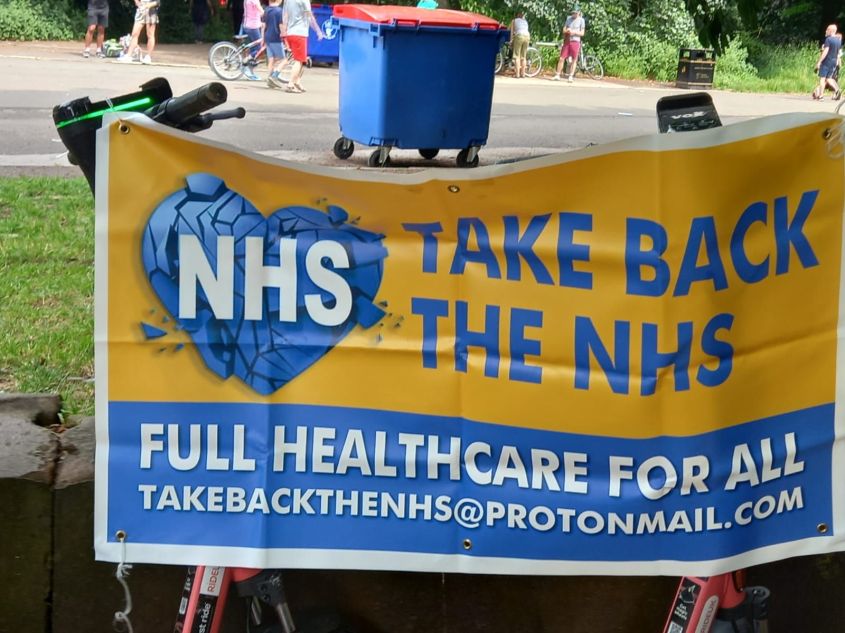
Campaigning works. The campaign to Save Liverpool Women’s Hospital has marked International Women’s Day for eight years now. We have fought hard to save the hospital in a time of great damage to the NHS and damage to the maternity services nationally.

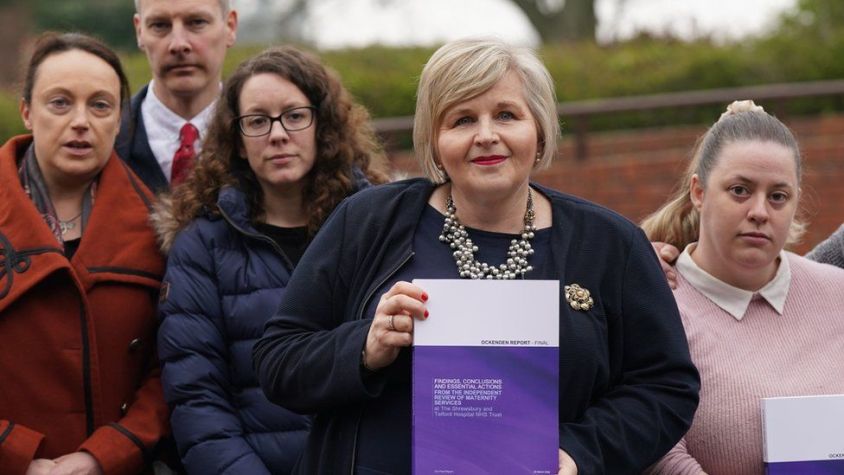
Donna Ockendon with just one of her damning reports on maternity care.

These damages have been described in prestigious reports yet still the government closes its ears. The hospital has been damaged by cuts, poor staffing, and bad policy decisions, but the hospital is still there, still under threat, still underfunded and understaffed, but still there. Campaigning works. We have miles to go before we have the hospital we need but at least what we have has not (yet) been taken away

Grief in Gaza

On this International Women’s Day, our hearts break and our voices are raised for the plight of pregnant women and their babies in Gaza, giving birth now without any medical attention being available as every hospital is destroyed. Food and water are in very short supply. This damage to mothers and babies is sickening. We share the feeling of dread as the horrid Israeli threat of an attack at the start of the holy month of Ramadan approaches. We demand a ceasefire and a just peace where the children of Palestine and Israel can grow up in peace justice and harmony.

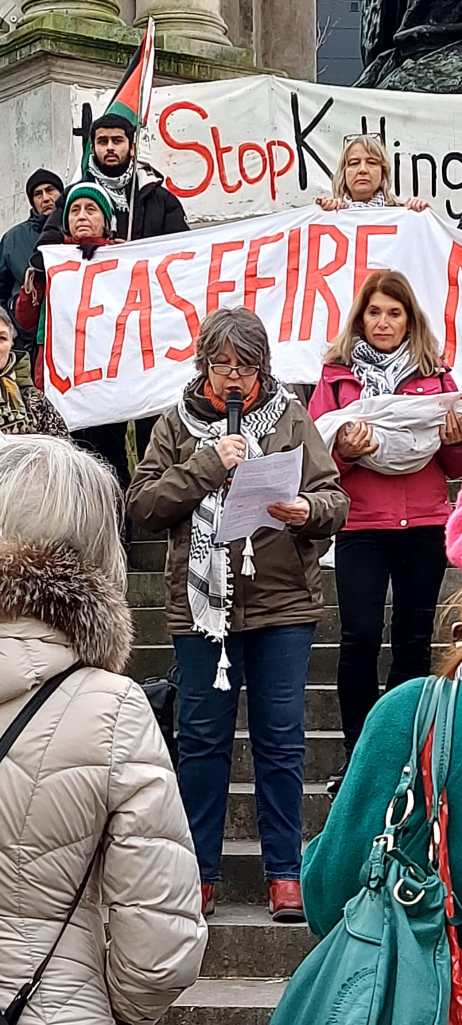
Retired midwife Rebecca speaking in Liverpool about the plight of women giving birth in Gaza

Our thoughts go to the women of Ukraine, and those from Ukraine now living in this city. Our thoughts to the women of Yemen, Sudan, and Haiti all caught in the maelstrom of crises and war. We send solidarity to the women of Russia organizing against the odds for peace, and to all the women of the peace movement across the world

We celebrate the victory of women in France who now see the right to abortion written into the constitution.

We send greetings to all the US women who are fighting a terrible reaction in politics generally, but especially in their rights to control their fertility. This is in a country that does not provide decent maternity leave, and with ten times the maternal death rate of Australia, Austria, Israel, Japan, and Spain. Eighty-four percent of reviewed maternal deaths were described as preventable.

We send greetings to the women of the Kurdish community here in Liverpool and to the Kurds fighting for respect and peace in their homelands.

Picture from the camp in Cox’s Bazaar in Bangladesh

Our hearts go out to the women and girls of the Rohingya community, driven from their homeland and living now in a million-strong refugee camp in Bangladesh.

We live in a time of genocide and war. We look to the generations of women who have worked for peace, including those from Greenham Common

Liverpool, once the second city of the British “Empire”( and all the racism that involved), and because of the trade links, is home to a black community dating back hundreds of years and one of the oldest Chinese communities outside of China.

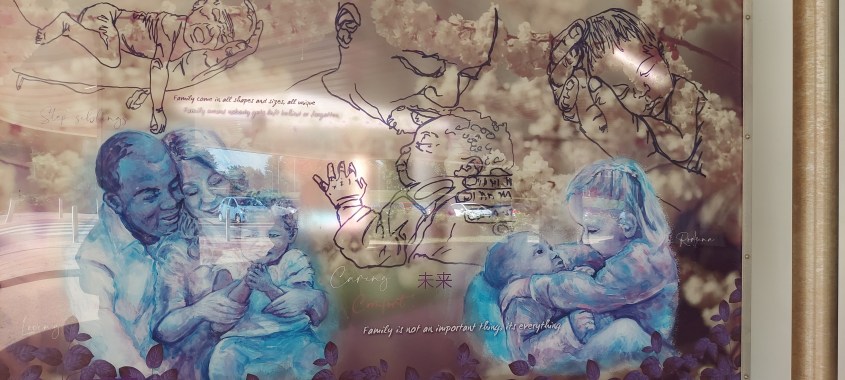
From a mural outisde Liverpool Women’s Hospital entrance.

Sadly though we now mourn two black women who have died at Liverpool Women’s Hospital from complications in pregnancy or birth. In their honour, we rejoin our efforts to campaign for better safer maternity services, better staffing ratios, and well-paid staff with more time to think and plan, with more support top-down, to tackle blame culture & reduce tensions. This must be accompanied by more investment in staff. Managed decline has led to half the staff with double the workload. Paperwork is now all online so more admin and less time with patient contact. The culture needs to change. This will take a lot of work as there is still also a massive issue with hierarchy and bullying. More investment, and more support, will ultimately improve the work environment which will subsequently give women better experiences as tensions lessen.

Liverpool Women’s Hospital has a history of anti-racism but that, like many other great provisions, can be severely damaged by austerity cuts. This tradition of anti racism needs to be enthusiastically revived but overworked burnt out staff are hardly in a good position for this. A good indicator of a safe environment for Black and Ethnic Minority patients is ethnic minority staff reporting that they do not experience racism and discrimination. Sadly, a report to the board described the opposite. However, in a recent webinar about migrant women giving birth, Liverpool was highly praised for the support midwives gave to one of the speakers. The specialist teams supporting vulnerable women do great work.

Image from MBBRACE

We join with others in demanding action to make it safer for all mothers to give birth and demand action to reduce the particular risk to Black Asian and poor women of all races. In the UK, the rates of baby death and stillbirth among Black and Asian mothers are double those for white women. We have written about the higher number of deaths among black babies.

In one of these maternal deaths, investigators from the national body the Maternity and Newborn Safety Investigations (MSNI) were called in after the woman died. They reported that “The investigation into her death found hospital staff had not taken some observations because the patient was “being difficult”,( our emphasis) according to comments in her medical notes. “…ethnicity and health inequalities impacted on the care provided to the patient, suggesting that an unconscious cultural bias delayed the timing of diagnosis and response to her clinical deterioration”. “This was evident in discussions with staff involved in the direct care of the patient“.

“She was being difficult”. These words have sparked fear and anger in many women. This sister would have been in a strange environment, far from home, with people speaking a language she did not speak. She would have been full of hormones from her miscarriage. She had had babies before and would have known what she was feeling was not right. And she was ill and in pain. Because she was being “difficult” she was not monitored as she should have been and this cost her the chance of life. Now two babies are motherless and a family bereft.

The wider impact of this death.

In the aftermath of this death, and the publicity it gained, Melissa Sigodo (@melissasigodo), a Zimbabwean and British community reporter from the Daily Mirror, held a Twitter (X)Space meeting with 90 mainly black women, from across the country, discussing the case. The experiences of these women were heartbreaking. This case had reawakened their fears.

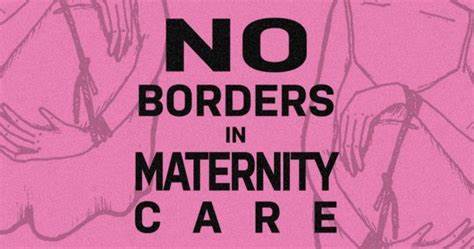
There is no room for racism in maternity care.  

The safety of women giving birth is the responsibility of the service, not the individual. Every woman matters. Liverpool Women’s has had a good reputation for anti-racism. This reputation must be regained. Most midwives, health care assistants, and obstetricians would agree. Developing a safe place for every woman to be treated and to work takes time and effort. We echo the words and determination of the suffragettes, in saying “There must be deeds, not words” on this matter.

The hospital is changing its systems to support patients who are rapidly deteriorating and we welcome this.

Liverpool Women’s Hospital was built on Crown Street site as part of Project Rosemary, to help heal the injustices which had led to the uprising in Toxteth in 1981. Black building workers were employed in the construction of the hospital. The hospital now serves a great ethnic mix of people, for example in Princes Park Ward non-White English/ British resident population range is 59%, and in nearby Picton is 52%. Racism at this Hospital would be particularly offensive.

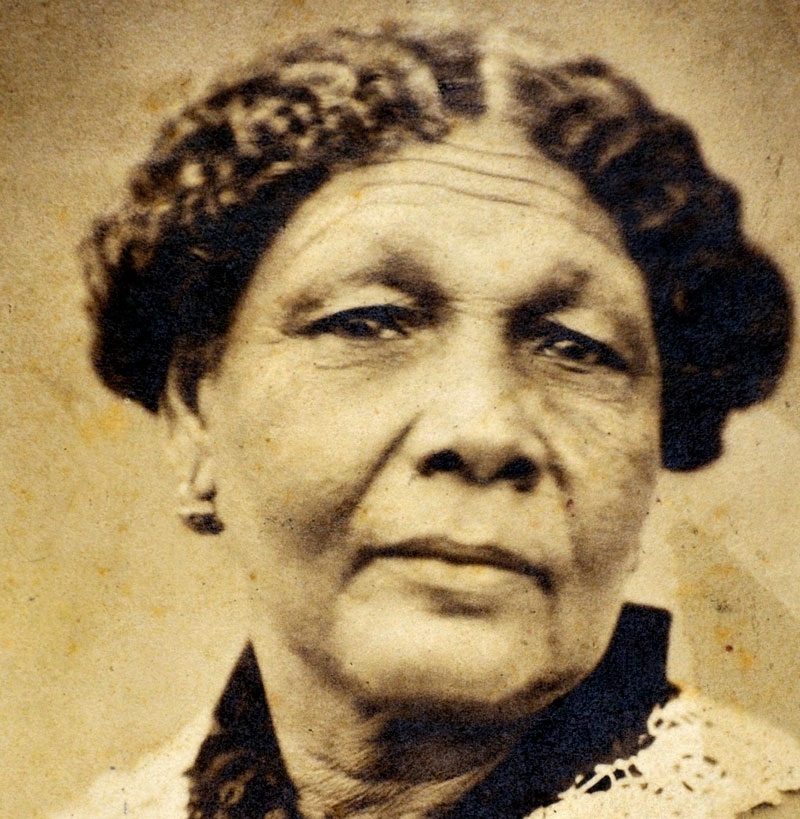
Mary Seacole Pioneering nurse and heroine of British soldiers inthe Crimean war

We can do it!

Let us remember the work of the great nurse Mary Seacole and all the women of the Windrush generation who so wonderfully staffed the early NHS. Liverpool Women’s Hospital must be a pioneer in antiracist women’s healthcare so no black woman fears using the service nor working in this or any other hospital.

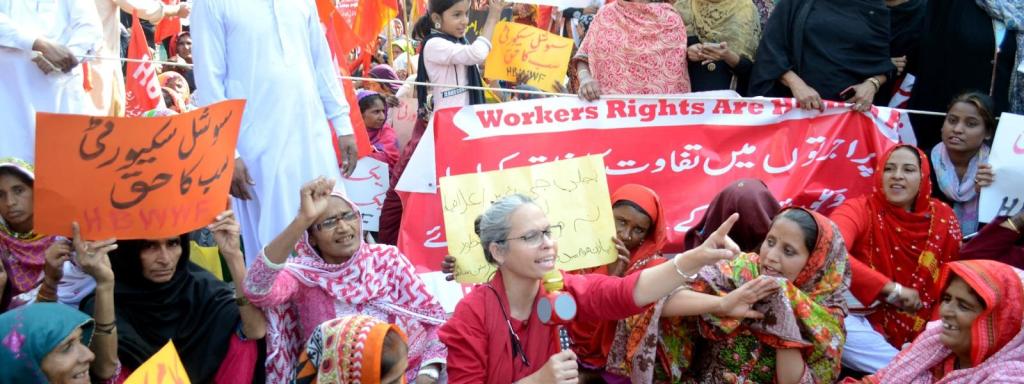
We need to campaign – and the history of International Women’s Day reminds us that campaigns can win. 

On March the 8th and the few weeks that follow it we celebrate International Women’s Day. Women’s lives have been improved and much has been achieved since the founding of International Working Women’s Day. The gains made for women over the last 150 years are significant. The Fawcett Society published a list of these gains a few years ago. The women who won these gains did so despite the difficulties they faced.

Women today are potentially much more powerful than previous generations. We too can organize to improve our lives. So many of us are in employment that we have real power there, that could be organized much more effectively through trade unions. We can more easily campaign across the world. Remember the Women’s Strike in Iceland.

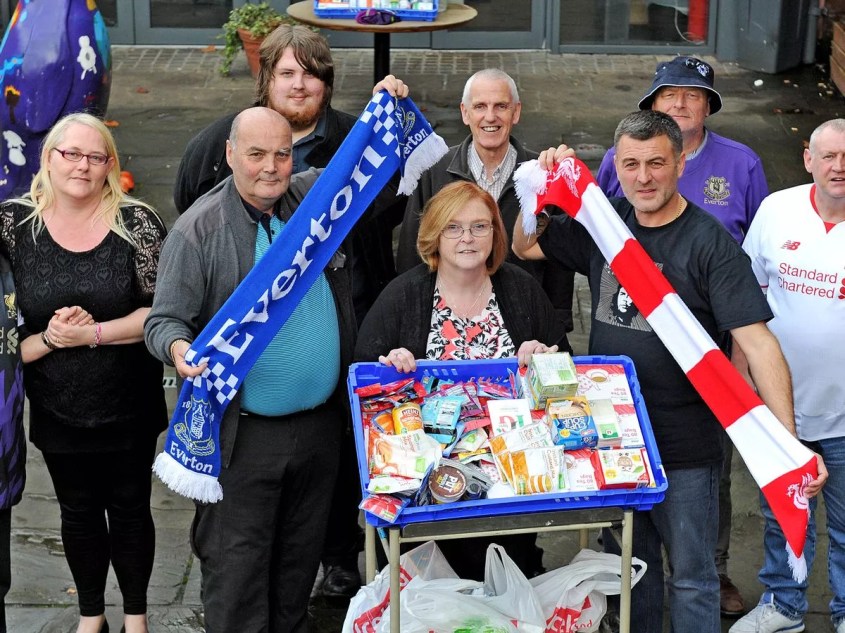
Fans supporting food banks provides practical help and campaigns against food poverty

Today we face real problems and worsening conditions so there is a greater need than ever for women to organise. We can take courage from the past for the very serious obstacles women face today. Those obstacles are serious and becoming ever more so.

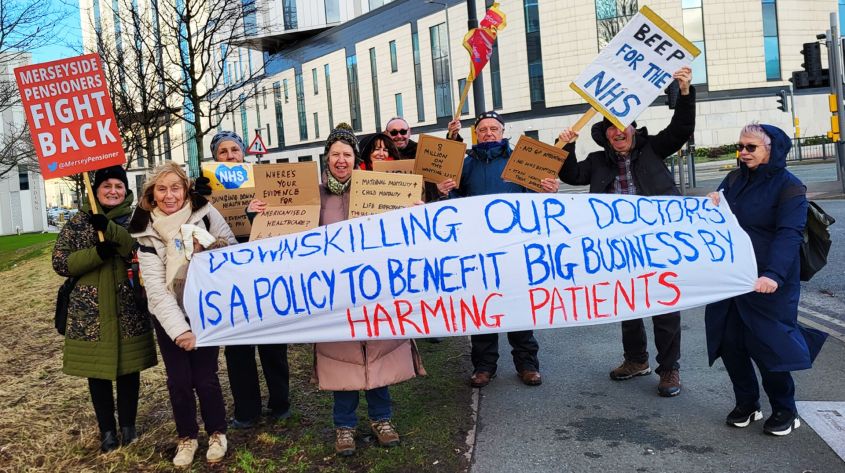
Clinical support workers at Arrowe Park Hospital ion strike in the snow.

We salute all the NHS staff who have taken industrial action. We salute them also for working on in the terrible conditions imposed by this government. This shows the strength we have. War, austerity, climate, and economic crises make this era extremely dangerous but never have women been more equipped to demand and force change for the better.

Whether they are older women suffering loneliness and isolation, single parents with additional caring responsibilities, or simply working mums trying to stretch household budgets to feed their families, the survey shows that women are significantly more likely to need food support from charities and community groups.”

There is much to do to improve women’s lives and many of the gains made are being eroded. The Cost-of-Living crisis hits women hardest. 75% of people accessing food support from Fare Shares a food charity are women.

It is great that women are in work but not good that male and female pay is far from equal. It’s great that sex discrimination is illegal but it still happens, less openly perhaps. It’s great that equal pay law exists but women still earn less than men and the gap widens over a working life.

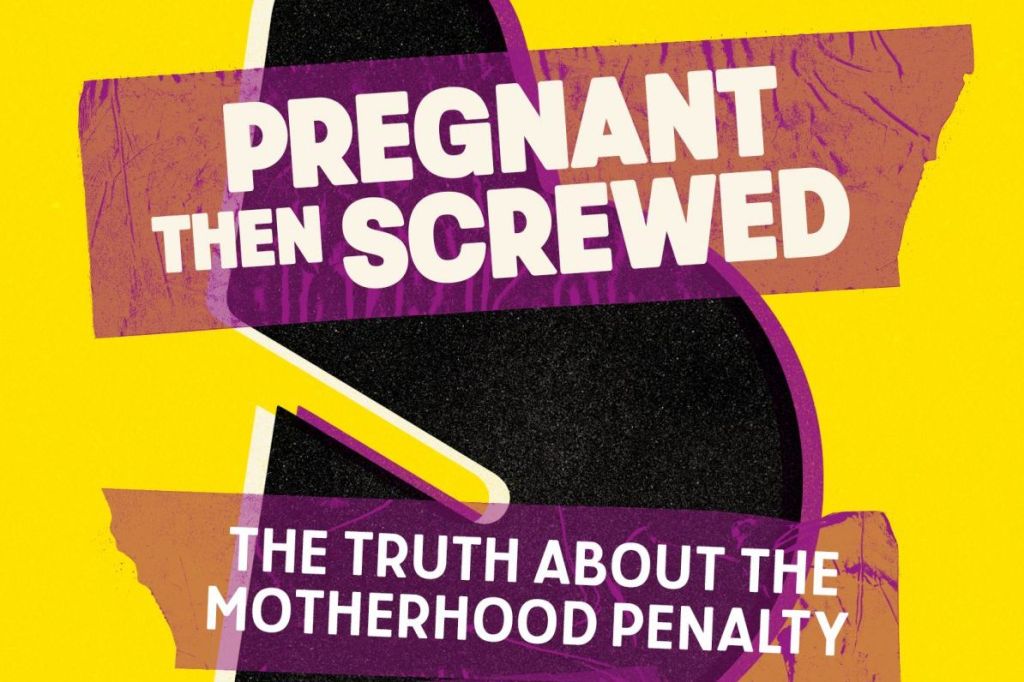
The motherhood penalty kicks in.  Forty-four percent of women are earning less now than they were before they had children. The employment rate was higher for mothers than either women or men without dependent children and has been since 2017.

Women are described as “the shock absorbers of poverty”, managing family bills and compensating for the government’s neglect and austerity policies.

Image credit to CADTM

What is happening in the UK is mirrored in other countries. Oxfam International’s report shows that while the richest 1 percent captured 54 percent of new global wealth over the past decade, this has accelerated to 63 percent in the past two years. $42 trillion of new wealth was created between December 2019 and December 2021.

While ordinary people are making daily sacrifices on essentials like food, the super-rich have outdone even their wildest dreams. Just two years in, this decade is shaping up to be the best yet for billionaires —a roaring ‘20s boom for the world’s richest,” said Gabriela Bucher, Executive Director of Oxfam International 2021

Not one thing that women have gained has been won without organisation, agitation, campaigning and struggle. So, it is today. Let our inspiration be in how women  have  struggled for a better life in the past and  in the great campaigns today.

“Inspire Inclusion” is 2024s International women’s Day slogan. We want to inspire women’s inclusion in the drive to improve the lives of working-class women and children.

It wasn’t wealthy women who led the earlier struggles of the women working in mills, tobacco factories, or  as domestic servants. Our inspiration is with the women who fought for all women,  and founded International Women’s Day

Bread
and Roses

In the words  the women’s anthem  Bread and Roses ( credit to Unison) we say

“As we go marching ,marching we battle too for men for they are women’s children and we mother them again”

In the tradition of the suffragettes,Let’s Inspire or incite women to rebellion, or even incite women to organise for a better life for locally nationally and internationally.

Giving Birth in Gaza 2024

September 2024. 16,456 children, including 115 newborn babies and over 11,000 women have been slaughtered in Gaza. Twin babies just 3 days old were killed in an air strike, as their dad went out to get their birth certificate.This war on the mothers and babies of Gaza has now lasted nearly a year. More children have been killed there in recent months than in four years of conflict worldwide, according to the United Nations. 

Israeli Forces have killed 1,151 healthcare workers. A total of 986 have been named so far.

Doctors from Liverpool have travelled to Gaza, worked for weeks at a time in the hospitals there, and come back to tell us their experiences.

Again and again, we say Ceasefire Now! Let our mothers deliver in peace and safety, let all our babies live in peace.

At the Liverpool Palestine Rally on Sunday 28th January 2024,  Dr Rebecca Smyth a midwife and academic spoke about the situation in Gaza for pregnant women and babies.

“I’m a retired Midwife, I’ve never worked in Palestine, but I’ve been watching and I want to tell you how life in Gaza is for pregnant women & newborns.

So the death toll is now 25,000.

We know this is underestimated.

So what are the conditions like for the women and their newborns?

They are inhumane.

There are NO fully functioning hospitals providing maternity care left in Gaza.

Most hospitals have been completely destroyed/obliterated/demolished/flattened to the ground / gone.

The few hospitals that have survived are completely overcrowded. Many women labouring and birthing on the floor, floors that haven’t been able to be washed for weeks on end, because as well as staff shortages, shortages of life-saving medicines, pain relief, equipment, fuel, drinking water and food, there is also no clean water for washing. As a result, births are taking place in unhygienic conditions and therefore the risk of infection is escalating, in fact, it’s predicted more lives will be lost through infectious diseases than bombing and shooting alone.

So pregnant women only go to the hospital when they think things are really wrong. Women are having to walk miles and miles only to birth alone on the way. Substantial numbers of women are haemorrhaging after the birth of their baby. With severe haemorrhage in minutes you can lose a mother. Blood transfusions and IV fluids are needed quickly. But there aren’t any. Not now in Gaza. So if a woman does make it to hospital, the only treatment might be a hysterectomy to save her life. Remember most surgery is done under headlights. There is no electricity at all.

But this is the Israeli’s plan, isn’t it? Make sure Palestinian women can’t bear any children.

But these unborn children are the future of Palestine, the future of all of us here now. They are our children. When you cry ‘In our thousands, in our millions, we are all Palestinians’ think of these children. Think of these children who didn’t ever get the life that is theirs. Never to exist. There are no words. It’s beyond belief.

Picture Action Aid Ireland

I’m sure you will have seen the countless reports of women undergoing caesarean sections without anaesthetic. That pain is unimaginable, isn’t it?

In Gaza 2.3 million face starvation.

If you starve a pregnant mother, you starve her baby. There’s a 30% increase in premature birth, this is because women are experiencing constant stress associated with Israel’s murderous actions. Babies are born growth-restricted, it is what it sounds. These babies are born so underweight they aren’t strong enough for life. Rates for miscarriage, stillbirth and neonatal deaths are escalating every day.

I want now to tell you a little about Al-Awda Hospital. It’s the only hospital with a maternity department in Northern Gaza, it’s just about functioning. I’ve chosen this hospital as Liverpool Friends of Palestine (LFoP) is to start a fundraiser. It’s not started yet, there will be a GoFundMe page. It’s to buy medical supplies, such as ambulances (they’ve all been destroyed), so once this nightmare is over, we can help rebuild Palestine. We’ll keep you all posted about fundraising events.

Let me say a little about Al-Awda Hospital, it’s just like every other hospital in Gaza by the way.

For more than 20 days in December the hospital was put under closed siege, no one was able to enter or leave the hospital, it was surrounded by snipers. All services were stopped as 170 people were trapped inside – staff, patients, and their relatives. They fought to survive on increasingly dwindling food and water supplies. Dr Adnan Radi, head of the Department, said that six healthcare workers died in the final days of the siege, while pregnant women in labour were murdered while attempting to access the hospital. The Manager of the Hospital, Dr Ahmed Muhanna – was arrested and taken away, he is still being held as a hostage, his whereabouts unknown. Remember it’s happening at every hospital.

On 21st November 2023, there was an Israeli airstrike on the hospital, tragically Dr Mahmoud Abu Nujaila was killed along with two other doctors and human rights defenders. Just a month before he wrote on a whiteboard, normally used for planning surgeries, the following:

May Dr Mahmoud Abu Nujaila and the many other thousands, Rest in Peace.

You can see more about the conditions for pregnant women in Gaza in this United Nations video.

A recent news report can be seen here

For all the mothers and babies ceasefire now.!